If your phone has stopped keeping up with your ambitions, the best mirrorless camera for vlogging is the single upgrade that changes how your videos look and feel. Interchangeable lenses, real subject-tracking autofocus, a proper microphone input and a screen you can actually see while you talk to camera — that combination is why creators keep moving off phones and onto dedicated bodies.
The catch is that “mirrorless” now covers everything from a £650 video-first box to a £1,400 hybrid that shoots gallery-grade stills. So this guide narrows the field to four cameras that genuinely earn a spot in a creator’s bag in 2026, tells you exactly who each one is for, and is honest about the trade-offs nobody mentions until you own the thing.
This is our cornerstone pick list for APS-C vlogging bodies. If you want the deeper single-camera breakdowns, we link out to them throughout.
Quick Comparison: Best Vlogging Cameras 2026
| Camera | Best for | Sensor | IBIS | Flip screen | Mic / Headphone | Price (approx) |
|---|---|---|---|---|---|---|
| Sony ZV-E10 II | Best overall | 26MP APS-C | No | Yes (vari-angle) | Yes / Yes | $999 / £909 body |
| Sony a6700 | Autofocus + stills | 26MP APS-C | Yes | Yes (vari-angle) | Yes / Yes | $1,399 / £1,449 body |
| Fujifilm X-M5 | Colour + value | 26MP APS-C | No | Yes (vari-angle) | Yes / No | $799 / £799 body |
| Canon EOS R50 V | Best budget / Canon | 24MP APS-C | No | Yes (vari-angle) | Yes / Yes | $649 / £729 body |
What Makes a Great Vlogging Camera
After the hype settles, three features decide whether a camera is pleasant to vlog with or a daily fight. Everything else is a bonus.
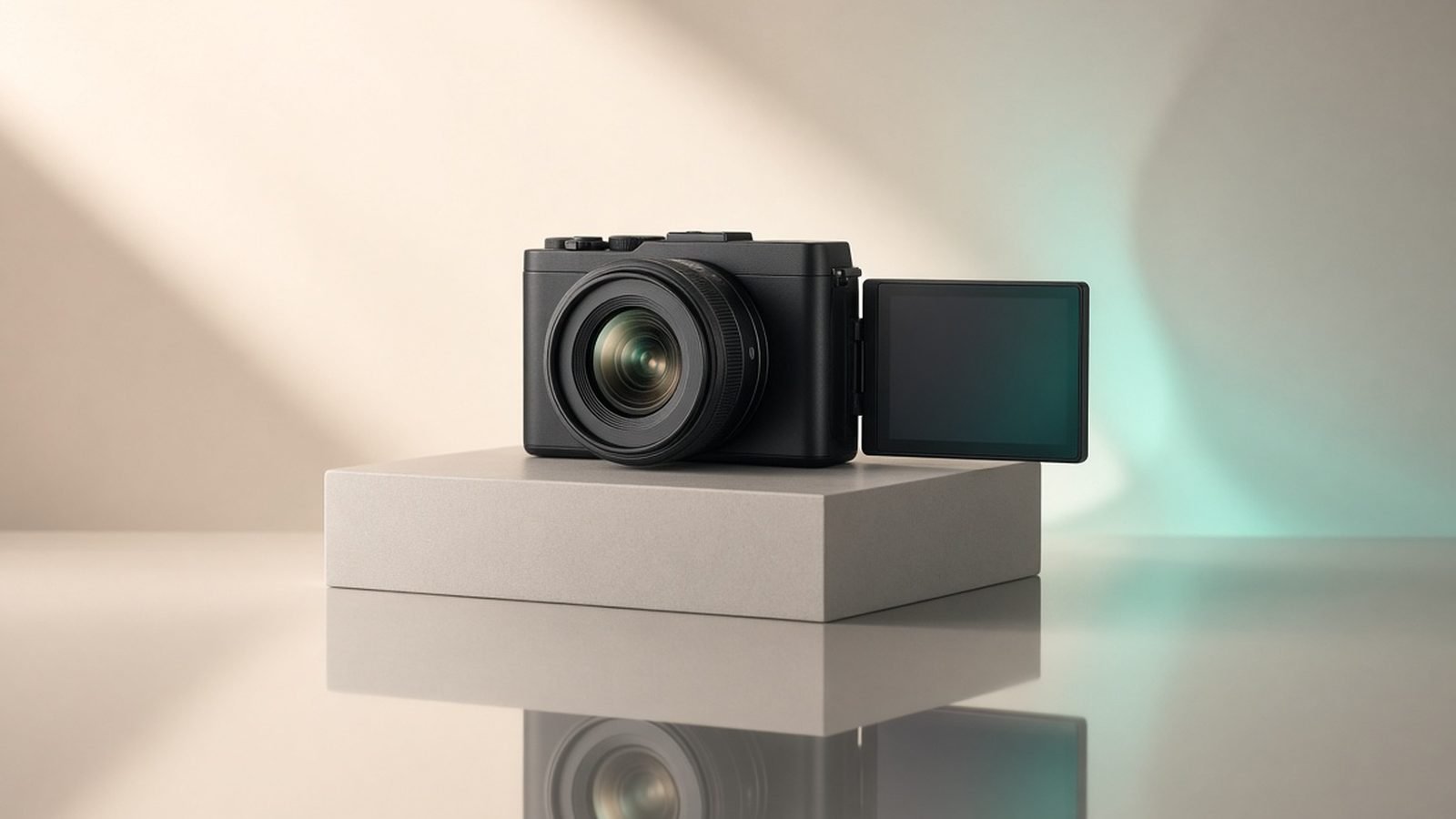
A flip-out (vari-angle) screen. You need to see yourself while recording, full stop. A mirrorless camera with a flip screen that swings out to the side — rather than tilting up into your hot-shoe mic — is non-negotiable for talking-to-camera work. All four picks here have one.
Sticky autofocus. Walking, gesturing, holding up a product — the camera has to keep your face and eyes tack sharp without hunting. This is where cheap cameras fall apart and where Sony and Canon have historically led.
A microphone input. On-camera audio is the fastest way to look amateur. A 3.5mm mic jack (ideally plus a headphone jack to monitor) lets you plug in a shotgun or wireless lav. Every camera below has mic in.
Nice-to-haves that matter less than the internet claims: in-body stabilisation (helpful, not essential if you use a gimbal or wide lens), 4K/60 (most people publish in 4K/30 or 1080p), and huge resolution. For a best camera for content creators shortlist, the three basics above outrank spec-sheet trophies every time.
How We Picked and Ranked
We are transparent about method. This guide is built from detailed spec research, manufacturer documentation, and aggregated owner feedback and long-term reviews from creators who shoot on these bodies daily — not from a staged lab with invented numbers. Where we say a camera “runs warm on long clips” or “nails eye tracking,” that reflects consistent patterns in owner reports and hands-on reviews, which we tell you plainly.
We weighted the buying criteria above — flip screen, autofocus, mic input — most heavily, then factored in value, lens ecosystem, colour science and how forgiving each camera is for someone stepping up from a smartphone. Prices are cross-checked in USD and GBP at the time of writing; street prices drift, so treat them as a guide.
Best Overall: Sony ZV-E10 II
The ZV-E10 II is the camera we point most new vloggers toward, and it stays our best vlogging camera 2026 pick for one reason: it does the creator-specific things better than anything near its price. The 26MP APS-C sensor is sharp and clean, the vari-angle screen is built for solo shooting, and Sony’s real-time recognition autofocus locks onto your eye and simply does not let go.
Two standout creator features seal it. Product Showcase Mode instantly racks focus from your face to an item you hold up — perfect for reviews and unboxings — and the Background Defocus button throws your background soft with one press, no menu diving. For someone who wants cinematic-looking talking-head footage on day one, that is exactly the right kind of hand-holding.
It is not flawless. There is no in-body stabilisation, so handheld walk-and-talk needs the digital Active mode (which crops in) or a gimbal. And like most Sony APS-C bodies it shows rolling shutter — that wobble or skew during fast pans and quick movement. Shoot with a little discipline and neither ruins your footage, but you should know going in.
Pros - Class-leading autofocus and creator modes (Product Showcase, Background Defocus) - Excellent vari-angle screen, mic and headphone jacks - Great low-light performance and clean 4K
Cons - No IBIS — handheld needs cropping or a gimbal - Noticeable rolling shutter on fast motion
Who it’s for: almost everyone upgrading from a phone who wants the most capable all-round vlogging body without stepping up to hybrid money. Read the full Sony ZV-E10 II Review: Best APS-C Vlogging Camera? for the deep dive.
Best Autofocus and Photos: Sony a6700
If you shoot serious stills as well as video, the a6700 is the upgrade that justifies its price. It shares the ZV-E10 II’s 26MP sensor and lens mount but adds two things the cheaper body lacks: in-body image stabilisation and Sony’s dedicated AI processing unit for subject recognition. The result is stabilised handheld footage and autofocus that tracks humans, animals, birds, cars and insects with almost unfair reliability.
That makes it the most flexible camera here — a genuine hybrid you can vlog with in the morning and shoot a paid photo gig with in the afternoon. The viewfinder (which the ZV-E10 II omits) also makes it far nicer for stills in bright sun.
The trade-offs are cost and complexity. At around $1,399 / £1,449 body-only it is the priciest pick, and Sony’s deep, layered menus are more than a beginner needs. There is no dedicated one-touch Background Defocus button either — you set depth of field the traditional way. This is a camera you grow into, not one that coddles you.
Pros - IBIS for smoother handheld video - Best-in-class AI subject-tracking autofocus - Excellent stills, includes a viewfinder
Cons - Most expensive body here - Menus are complex for beginners
Who it’s for: the hybrid shooter and the creator who wants one camera to do everything and won’t outgrow it for years.
Best Colours Out of Camera: Fujifilm X-M5
The X-M5 is the value surprise of this list and the one that makes editing least painful. Fujifilm’s Film Simulations bake in gorgeous, ready-to-post colour — grab a look like Classic Chrome or Nostalgic Neg and your footage has character straight off the card, with far less grading. For creators who dread colour work, that is a real time-saver.
It backs the colour up with genuine substance: 6.2K open-gate video (great for reframing vertical and horizontal from one clip), a dedicated Vlog mode, a nine-position Film Simulation dial and a compact, genuinely pocketable body. At $799 / £799 it is superb value, and it’s a strong shout for the best camera for YouTube beginners who care about aesthetics.
Where it gives ground: there is no IBIS, so like the ZV-E10 II you’ll lean on a gimbal or digital stabilisation for walking shots, and autofocus — while much improved — still trails Sony and Canon in the stickiest tracking scenarios. The stills buffer is shallow, so it is a video-first tool rather than a sports-stills machine.
Pros - Beautiful Film Simulation colour, minimal grading - 6.2K open-gate video and dedicated Vlog mode - Compact and excellent value
Cons - No IBIS - Autofocus trails Sony/Canon in tough tracking
Who it’s for: creators who prize the final look, want to edit less, and love a compact camera with personality.
Best Canon Pick: Canon EOS R50 V
The R50 V is Canon’s video-first answer to the ZV-E10 II, and at $649 / £729 it is the cheapest way into Canon’s excellent Dual Pixel autofocus — still one of the most intuitive, confidence-inspiring tracking systems for talking-head work. If you’re already in the Canon world or just want AF that “just works,” this is your camera.
Canon leaned into the creator brief. There’s a front tally lamp so you know you’re recording, streamlined controls, and built-in livestreaming/UVC webcam features that make it a strong desk-and-go hybrid. It’s the natural budget entry to the RF-mount system.
The honest limits: the native RF-S lens ecosystem is smaller than Sony’s E-mount, so you have fewer affordable wide primes and third-party options today, and like its rivals it has no IBIS. For a sense of how it stacks up head-to-head, see our Sony ZV-E10 II vs Canon EOS R50 V: Vlogger Showdown comparison — the core of the sony vs canon vlogging camera debate.
Pros - Superb, beginner-friendly Dual Pixel autofocus - Tally lamp and strong streaming/webcam features - Cheapest entry to Canon RF mount
Cons - Smaller native lens selection than Sony - No IBIS
Who it’s for: budget-minded creators and anyone who wants the most approachable autofocus experience in Canon’s ecosystem.
The Verdict
For most people, the Sony ZV-E10 II is the best mirrorless camera for vlogging in 2026 — the strongest blend of autofocus, creator features and price. Step up to the a6700 if you also shoot stills and want IBIS. Pick the Fujifilm X-M5 if colour and value matter most, and the Canon EOS R50 V if you want the friendliest autofocus or you’re on the tightest budget. There is no wrong answer in this four — only the right one for how you shoot.
Accessories Worth Buying (Mic, Gimbal, Lens)
A body is a third of the setup. Three add-ons do more for perceived quality than any spec bump.
A microphone. The biggest instant upgrade. A wireless lav clips to your shirt and beats any built-in mic for run-and-gun vlogging; a shotgun on the hot-shoe suits static desk setups. See our pick of the Best Wireless Microphone for Video in 2026.
A gimbal or a wide lens. Since three of these cameras skip IBIS, a lightweight gimbal transforms walking footage. Cheaper still, a wide prime (roughly 11–16mm on APS-C) gives you more stabilising room in digital modes and keeps your face in frame at arm’s length.
Fast storage and a spare battery. High-bitrate 4K and 6K eats cards and power. A fast UHS-II card and a second battery keep a shoot day alive.
Check price: Wireless microphone for vlogging
Mirrorless vs Pocket Cameras for Vlogging
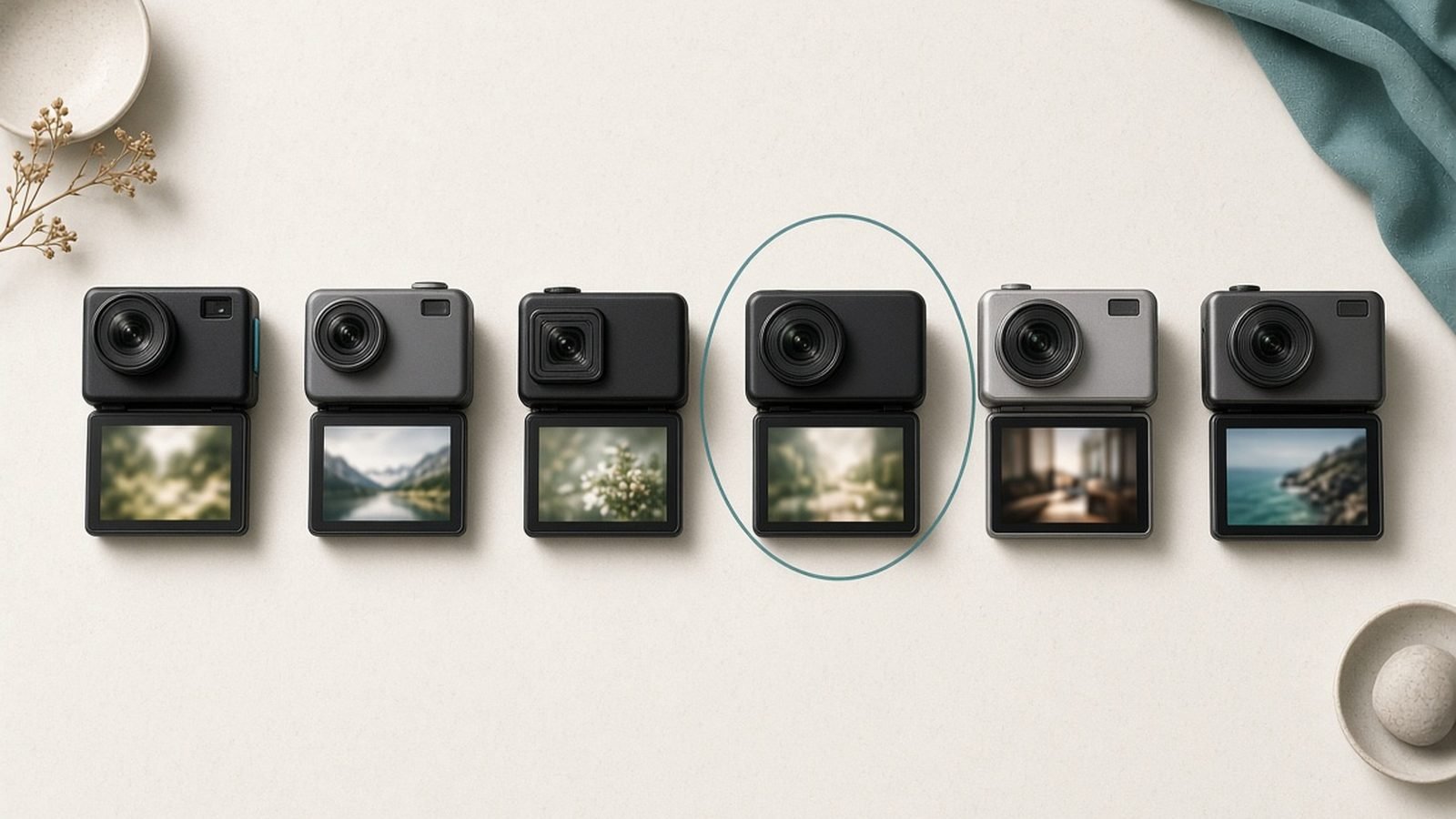
Pocket cameras (the DJI and Sony compacts) are smaller, cheaper and often stabilised in-body, which makes them brilliant for travel and grab-and-go clips. But they trap you: fixed lenses, smaller sensors, weaker low-light and no room to grow.
A mirrorless body is bigger and pricier, yet it’s an investment. You swap lenses, upgrade glass over time, get shallower depth of field and far better performance in dim rooms — the difference between “content” and “a channel that looks professional.” If budget is the deciding factor, weigh these against our Best Vlogging Camera Under $500 in 2026 roundup before you commit. For anyone serious about building a body of work, mirrorless wins.
FAQ
Do I need in-body stabilisation (IBIS) to vlog? No, though it helps. Three of our four picks lack IBIS and are still excellent vlogging cameras. For walk-and-talk footage you can use the camera’s digital stabilisation (which crops slightly), shoot with a wide lens, or add an inexpensive gimbal. If most of your filming is seated or on a tripod, IBIS barely matters.
Which is better for beginners, Sony or Canon? Both are beginner-friendly. Canon’s Dual Pixel autofocus and simpler menus arguably feel the most approachable on day one, making the EOS R50 V a gentle entry. Sony’s ZV-E10 II adds one-touch creator modes and a broader lens ecosystem. If you value long-term room to grow, lean Sony; if you want the least friction now, lean Canon.
Is APS-C good enough, or do I need full-frame? An APS-C vlogging camera is more than enough for the vast majority of creators. The sensors here deliver sharp 4K, pleasant background blur and strong low-light results, in smaller, cheaper bodies with more affordable lenses. Full-frame offers marginally better low-light and shallower depth of field, but the extra cost and bulk rarely make sense until vlogging is your profession.
Can these cameras record vertical video for TikTok and Reels? Yes. All four capture vertical-friendly footage, and several add metadata or dedicated modes for it. The Fujifilm X-M5’s 6.2K open-gate mode is especially handy — you record once and crop both a horizontal YouTube frame and a vertical Reel from the same clip in the edit.
How much should I spend on my first vlogging camera? Budget around $650–$1,000 / £730–£1,000 for the body, then leave room for a microphone and a lens. The Canon EOS R50 V and Fujifilm X-M5 sit at the friendly end; the Sony ZV-E10 II is the sweet spot for capability per pound. Don’t blow your whole budget on the body and neglect audio.
Explore more creator gear on our Cameras & Creator Gear.
Zen Tech Hub may earn a commission from links on this page, at no extra cost to you.