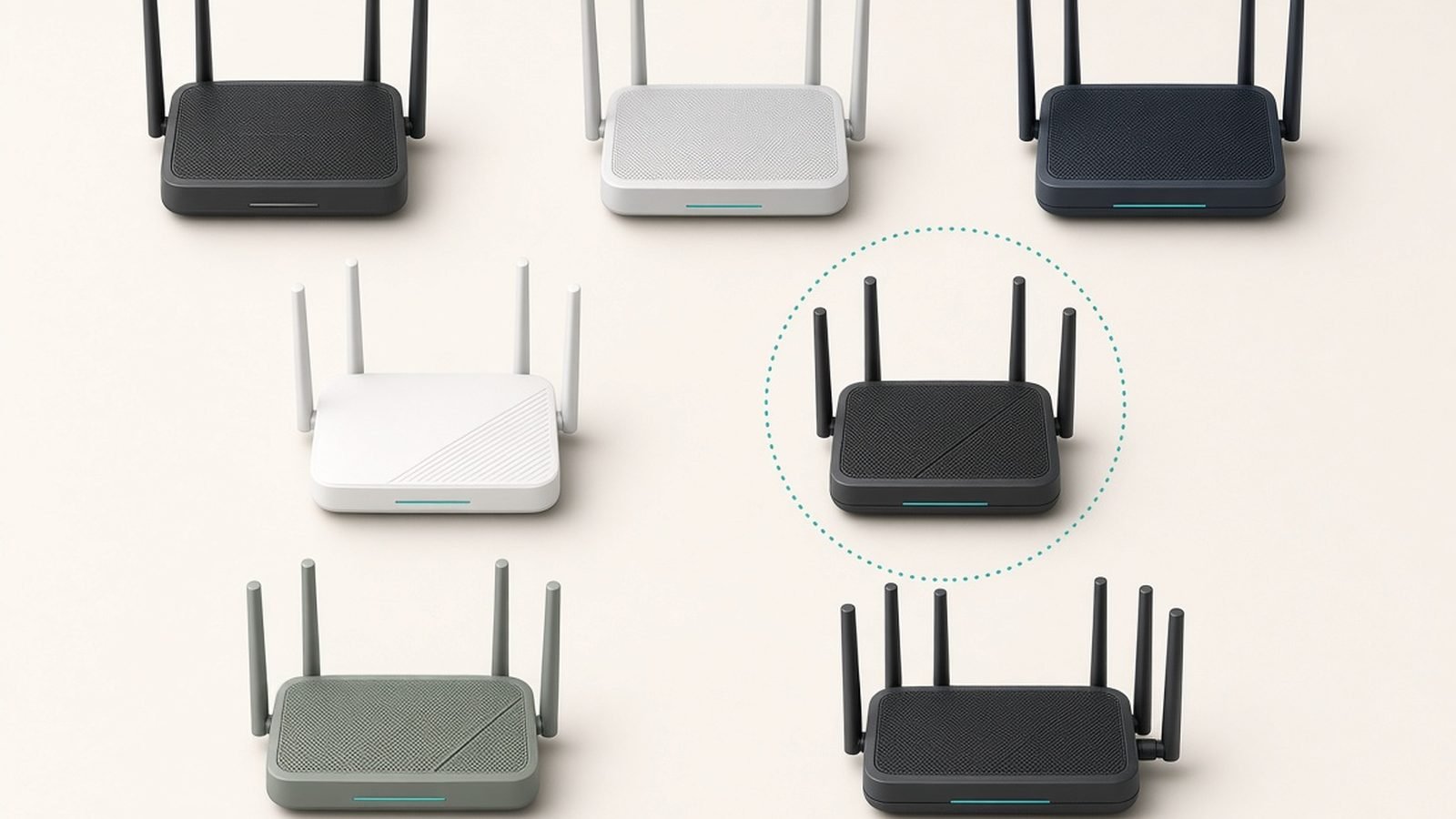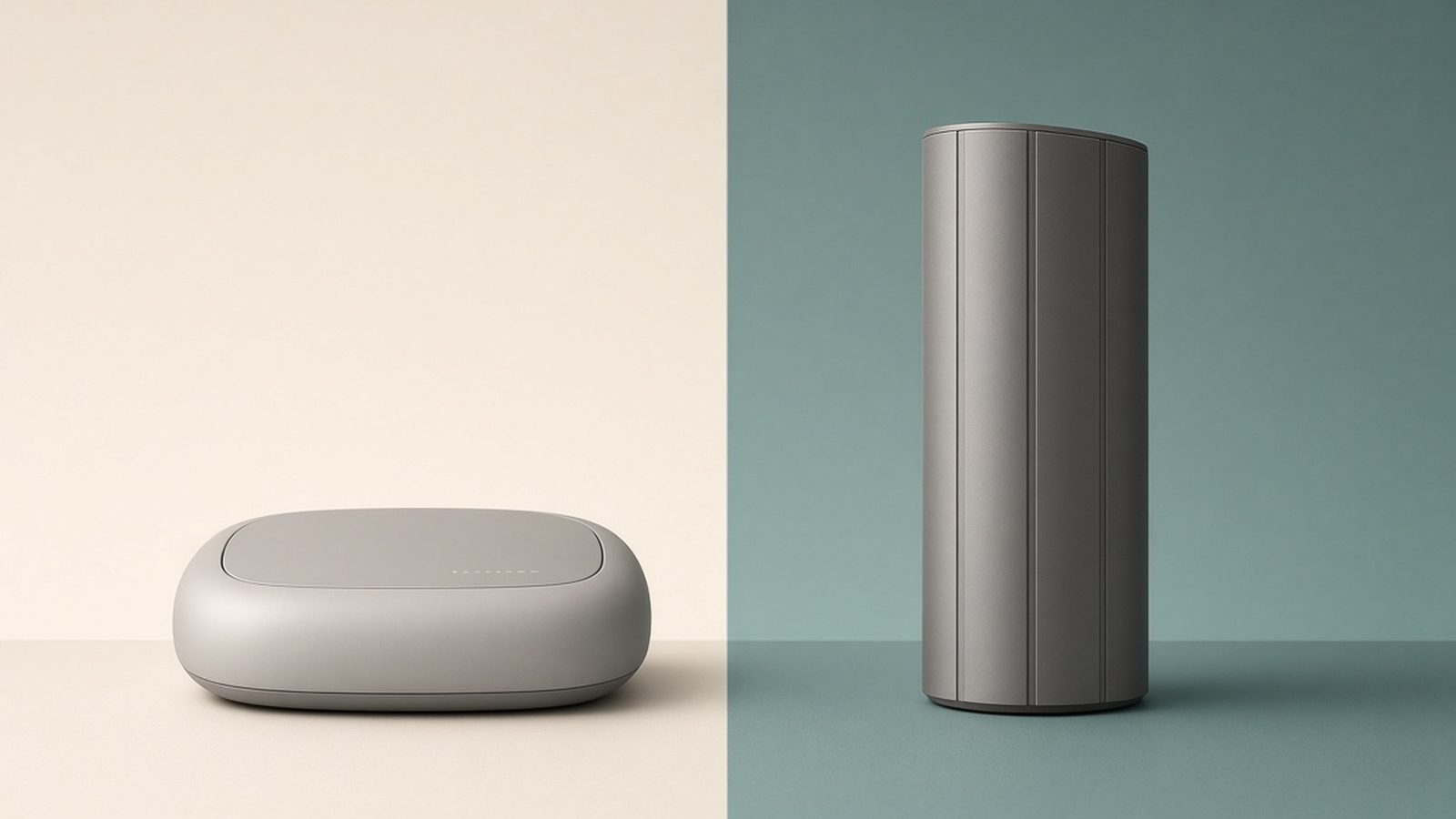
The eero vs Orbi choice is really a choice between two philosophies. Amazon’s eero is the effortless appliance — a calm app, seamless roaming, and features gently paywalled behind a subscription. Netgear’s Orbi is the enthusiast’s tank — more antennas, faster ports, dedicated backhaul, and a price tag to match. For most homes, eero is the smarter buy. Orbi wins when you have a very large house, a multi-gig internet plan, or a genuine need for the fastest wireless backhaul money can buy.
Our research for this comparison drew on 2026 spec sheets across both line-ups, aggregated results from independent testing outlets, and hundreds of owner reports on Reddit, Amazon US/UK and networking forums. The pattern is consistent: eero delivers 85% of Orbi’s real-world experience for roughly half the money, while Orbi’s flagship hardware is genuinely in a class of its own — for the small number of buyers who need it. Here’s how to land on the right one.
Quick answer: who should pick which
Buy eero if you want networking you never think about, a spotless app, the smoothest device roaming in the business, and built-in Thread/Zigbee/Matter smart-home duties. It’s the right call for the vast majority of homes up to around 6,000 sq ft.
Buy Netgear Orbi if you have a large or multi-story house, a gigabit-plus (ideally 2Gbps+) connection, and you want the highest raw throughput and a dedicated high-speed backhaul band. Orbi’s flagship 970 series is the most powerful consumer mesh you can buy — and priced accordingly.
| Eero Pro 7 (3-pack) | Eero Max 7 (3-pack) | Orbi 770 (RBE973, 3-pack) | Orbi 970 (RBE973, 3-pack) | |
|---|---|---|---|---|
| Price | ~$700 / £700 | ~$1,700 / £1,700 | ~$1,100 / £1,100 | ~$1,500 / £1,500 |
| Wi-Fi | Wi-Fi 7, tri-band | Wi-Fi 7, quad-band | Wi-Fi 7, tri-band | Wi-Fi 7, quad-band |
| Dedicated backhaul | Shared 6 GHz | Dedicated 6 GHz | Shared 6 GHz | Dedicated 6 GHz (10 Gbps) |
| Fastest port | 5G Ethernet | 10G Ethernet | 2.5G Ethernet | 10G WAN + 10G LAN |
| Rated coverage | Up to 6,000 sq ft | Up to 7,500 sq ft | Up to 9,000 sq ft | Up to 10,000 sq ft |
| Smart-home radios | Thread, Zigbee, Matter | Thread, Zigbee, Matter | None | None |
| Subscription | eero Plus, $9.99/mo | eero Plus, $9.99/mo | NETGEAR Armor + parental | NETGEAR Armor + parental |
Prices swing hard around Prime Day and Black Friday — both brands routinely discount 20–30% — so treat these as typical street prices, not launch MSRPs.
The line-ups decoded
Both catalogues are sprawling, so here’s the 2026 decoder.
Eero’s Wi-Fi 7 range has three tiers. The Eero 7 (~$350 / £350 for three) is the dual-band entry point without a 6 GHz radio. The Eero Pro 7 (~$700 / £700 for three) adds tri-band with a 6 GHz backhaul and 5G Ethernet — the volume seller. The Eero Max 7 (~$1,700 / £1,700 for three) is the quad-band flagship with 10G ports and a dedicated backhaul, aimed squarely at Orbi’s top end.
Netgear’s Orbi Wi-Fi 7 range also runs in tiers. The Orbi 770 (~$1,100 / £1,100 for three) is the tri-band model. The Orbi 870 sits in the middle with faster ports. The Orbi 970 (~$1,500 / £1,500 for three) is the quad-band halo product — a dedicated 10 Gbps 6 GHz backhaul, a 10G WAN port and a 10G LAN port, and coverage claims that top the market. We reviewed it in full: Netgear Orbi 970 Review 2026: Premium Wi-Fi 7 Mesh.
The headline pattern: eero competes on value and software, Orbi competes on raw hardware ceiling. Whether that ceiling is worth the premium depends entirely on your house and your broadband.
Price and value
There’s no polite way to say it — Orbi is expensive. At the flagship level, the eero max 7 vs orbi 970 fight is close on price (~$1,700 vs ~$1,500), but drop a tier and eero’s value lead widens fast. An Eero Pro 7 3-pack at ~$700 undercuts the tri-band Orbi 770 by roughly $400 while offering the same core tri-band Wi-Fi 7 experience for most homes.
Then there’s the subscription maths, which every “eero vs orbi reddit” thread eventually reaches. Eero Plus costs $9.99/month or $99.99/year (£99.99 in the UK) and unlocks ad blocking, advanced security and richer content filters. NETGEAR Armor (~$99.99/year) covers security, and Netgear’s Smart Parental Controls are a separate ~$7.99/month add-on. Over five years, both brands can quietly add $500+/£500+ to your real cost of ownership — so price the subscription in before you buy, not after.
For anyone weighing value against a cheaper rival, TP-Link’s Deco line undercuts both — see our Eero vs Deco (2026): Which Mesh Wi-Fi Should You Buy? head-to-head and the full Best Mesh Wi-Fi Systems 2026: Wi-Fi 6 & Wi-Fi 7 Compared rankings.
Performance and coverage
We haven’t benched these ourselves; here’s the consensus from independent testing and aggregated owner reports.
Raw throughput favours Orbi at the top end. The Orbi 970’s quad-band design and dedicated 10 Gbps backhaul post the biggest numbers in published testing of any consumer mesh, and it holds speed at distance better than almost anything. If you have a 2Gbps+ fibre plan and want to actually feel it across a big house, Orbi is the hardware built for that.
Coverage is Orbi’s other calling card. Netgear’s rated figures (up to 10,000 sq ft for the 970 3-pack) exceed eero’s, and the larger units pack bigger, higher-gain antennas. For the “orbi vs eero for large house” question, Orbi’s brute-force approach is a real advantage in 4,000+ sq ft homes and multi-story properties with thick walls.
Roaming is eero’s quiet superpower. Based on hundreds of owner reports, devices hand off between eero nodes noticeably more smoothly — fewer dropped video calls when you walk room to room. Orbi roaming is solid but is the more common technical grumble in owner threads.
Backhaul is where the tiers separate. The quad-band Eero Max 7 and Orbi 970 both dedicate a full 6 GHz radio to node-to-node traffic, keeping far-node speeds high without Ethernet. Tri-band models (Eero Pro 7, Orbi 770) share that band with clients, so wired backhaul helps more. If you can run Ethernet between nodes, do it on either system.
App, setup and control
This is where eero pulls decisively ahead for normal people.
The eero app is the best consumer networking app ever made. Setup takes ten minutes, the interface is calm and legible, and firmware updates arrive automatically and reliably. The trade-off: eero hides almost everything. No web dashboard, no per-band SSID split, no manual channel selection, limited QoS. Blissful for most, suffocating for tinkerers.
The Orbi app exposes far more — device prioritization, guest networks, more granular controls — and Orbi also keeps a web admin interface, which enthusiasts value. It’s busier and less polished, with its own share of upsell prompts, and owner reports mention occasional app sluggishness and login quirks. But you can actually get under the hood.
Privacy deserves a note. Eero puts Amazon at the center of your network; Netgear is a US company with its own data policies. Neither offers full local control — if that’s a dealbreaker, look at Ubiquiti or ASUS instead.
Smart home
Here eero punches hard. Every current eero doubles as a Thread border router and Zigbee hub and works as a Matter controller within Alexa. If your home runs on Echo speakers and a growing pile of Matter/Thread sensors, eero folds those hub duties into hardware you were buying anyway.
Orbi has no smart-home radios. It’s a pure networking product — a superb one — but it won’t consolidate your smart-home hubs the way eero does. For Alexa-heavy households, that’s a meaningful tick in eero’s column; for Apple Home or Google Home users who already have HomePods or Nest hubs providing Thread, it barely matters.
Reliability and support
Firmware: eero’s automatic, staged rollouts are the gold standard, and broken updates are rare. Netgear ships updates less predictably, and Orbi owner threads feature the occasional post-update bug — usually fixed, sometimes slowly.
Longevity: both are solid hardware. Warranty is one year in the US from both brands; UK/EU consumer law gives buyers longer effective protection on both sides.
Support track record: eero’s cautionary tale is discontinuing support for first-generation hardware — cloud-dependent routers live at the vendor’s pleasure. Netgear’s is aggressive upselling and a support experience owners rate as hit-or-miss. Neither is disqualifying; both are worth knowing.
If you’re specifically weighing Orbi against eero at the flagship level, we go deeper in our dedicated Orbi vs Eero (2026): Wi-Fi 7 Mesh Heavyweights Compared breakdown.
Verdicts by budget
Around $700 / £700: Eero Pro 7 is the value winner
Orbi doesn’t field a serious sub-$1,000 Wi-Fi 7 mesh, so at this budget the Eero Pro 7 wins by default and on merit — tri-band Wi-Fi 7, 5G ports, effortless setup, and smart-home duties built in.
Eero Pro 7 pros: flawless app and roaming; tri-band 6 GHz; Thread/Zigbee/Matter; compact design. Eero Pro 7 cons: features paywalled behind eero Plus; only two ports per node; peak speed trails flagship Orbi.
Verdict: the right pick for the majority of homes. Read our full Eero Pro 7 Review: Is Amazon's Wi-Fi 7 Mesh Worth It? before you buy, and budget for eero Plus if you have kids.
Check price: Eero Pro 7 (3-pack)
Around $1,100 / £1,100: Orbi 770 vs stepping up to Eero Max 7
Here the eero pro 7 vs orbi 870/770 question gets interesting. The Orbi 770 brings bigger hardware and coverage, but for another ~$600 the quad-band Eero Max 7 offers a dedicated backhaul and 10G ports that the tri-band 770 lacks.
Orbi 770 pros: large coverage; strong raw throughput; web admin interface. Orbi 770 cons: pricey for tri-band; no smart-home radios; roaming trails eero; extra parental-control subscription.
Verdict: most buyers at this budget should either drop to the Eero Pro 7 and save, or stretch to a quad-band flagship. The tri-band Orbi 770 is a narrow pick — best for large homes that want Orbi’s coverage without flagship pricing.
Check price: Orbi 770 (3-pack)
Around $1,500–1,700 / £1,500–1,700: Orbi 970 vs Eero Max 7 — the flagship fight
At the top, the eero max 7 vs orbi 970 decision splits on priorities.
Orbi 970 pros: the fastest, longest-range consumer mesh in published testing; dedicated 10 Gbps backhaul; 10G WAN and 10G LAN; up to 10,000 sq ft. Orbi 970 cons: enormous units; the priciest mainstream mesh; no smart-home radios; subscription pressure.
Check price: Orbi 970 (3-pack)
Eero Max 7 pros: quad-band with dedicated backhaul; 10G ports; class-leading roaming and reliability; full smart-home hub duties; the eero app. Eero Max 7 cons: even pricier; eero Plus upsell; slightly lower peak throughput than the 970.
Verdict: want the absolute fastest hardware and biggest coverage for a large multi-gig home? The Orbi 970 is the answer, and our Netgear Orbi 970 Review 2026: Premium Wi-Fi 7 Mesh covers it in depth. Want that flagship performance plus effortless software and a built-in smart-home hub? The Eero Max 7 earns its premium. For most buyers, though, neither is necessary — the Eero Pro 7 is enough.
For the wider field, browse our full Best Wi-Fi 7 Routers 2026: Top Picks for Every Budget guide and the Networking & Wi-Fi.
FAQ: Eero vs Orbi
Is Orbi better than eero?
Orbi has the more powerful hardware — faster peak speeds, a dedicated high-speed backhaul on flagship models, larger coverage and faster ports. But “better” depends on your home. For most households under ~6,000 sq ft, eero’s easier app, smoother roaming and smart-home integration make it the better overall buy at a lower price. Orbi wins for large homes and multi-gig internet plans.
Which is better for a large house?
Orbi, in most cases. Its flagship 970 series rates up to 10,000 sq ft for a 3-pack and holds speed at distance better than almost anything, thanks to big antennas and a dedicated backhaul. Eero’s superior roaming is a fair counterargument if your family lives on video calls while moving around the house, but on pure coverage Orbi leads.
Do eero and Orbi need a subscription?
Both push paid add-ons. Eero Plus (~$9.99/month or $99.99/£99.99 per year) unlocks ad blocking, advanced security and richer filters. NETGEAR Armor (~$99.99/year) covers security, with Smart Parental Controls a separate ~$7.99/month. Core routing works free on both, but the “extras” you may actually want are largely paywalled on each. Price this in over a five-year horizon.
Can I mix eero and Orbi units?
No. Mesh systems only mesh within their own ecosystem — an eero node won’t join an Orbi network or vice versa. You can mix models within a brand (an Eero 7 with an Eero Pro 7, or Orbi models within a generation), which is a handy way to extend coverage later.
Does Orbi work as a smart-home hub like eero?
No. Orbi is a pure networking product with no Thread, Zigbee or Matter-controller radios. Eero, by contrast, doubles every node as a Thread border router and Zigbee hub. If consolidating smart-home hubs matters to you — especially in an Alexa household — that’s a clear point for eero.
Is eero or Orbi easier to set up?
Eero, comfortably. Its app-guided setup takes about ten minutes and is the most beginner-friendly in mesh. Orbi’s setup is more involved and exposes more settings, which enthusiasts appreciate and newcomers sometimes find fiddly. If “plug it in and forget it” is your priority, eero wins.
Zen Tech Hub may earn a commission from links on this page, at no extra cost to you.