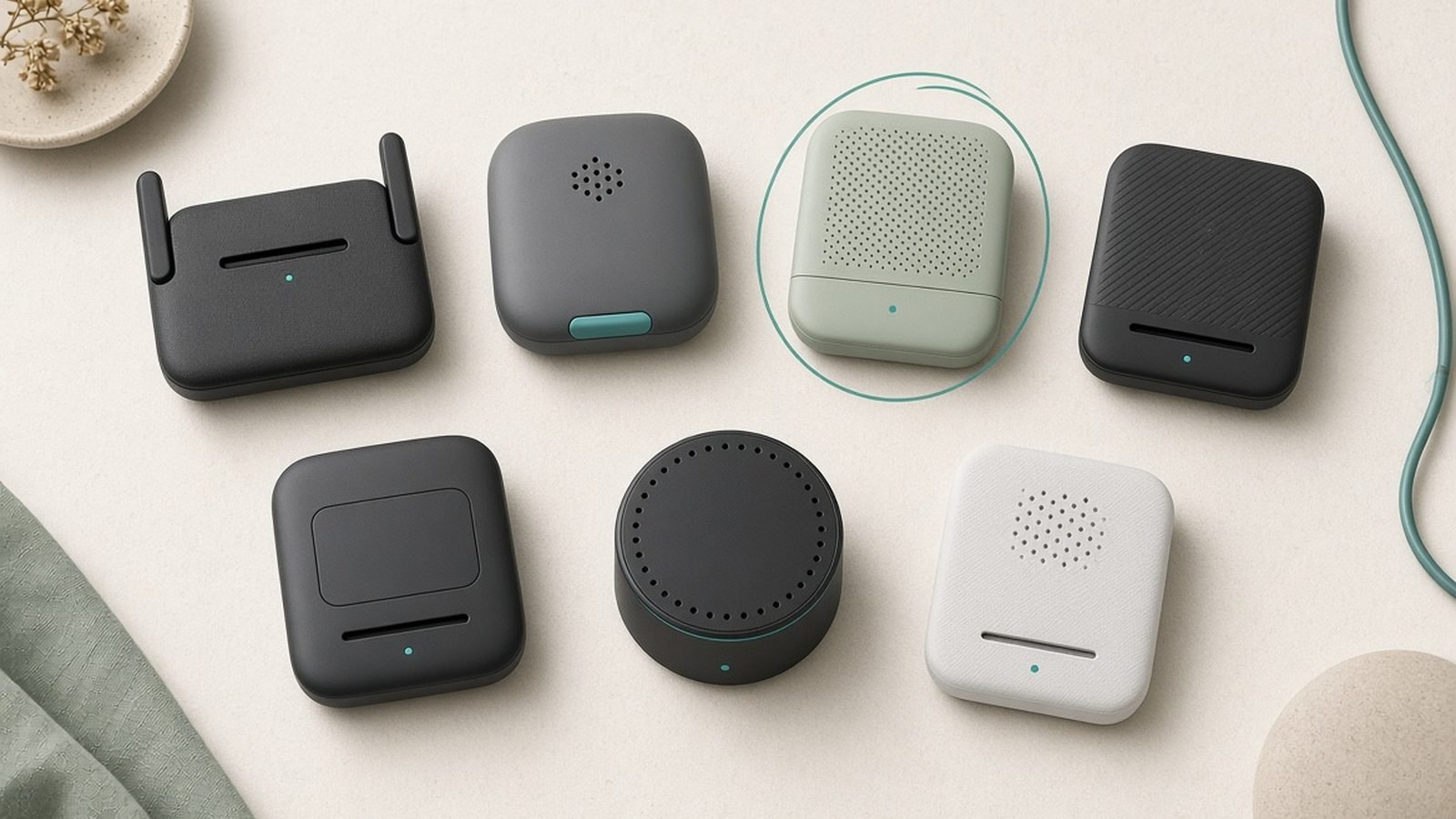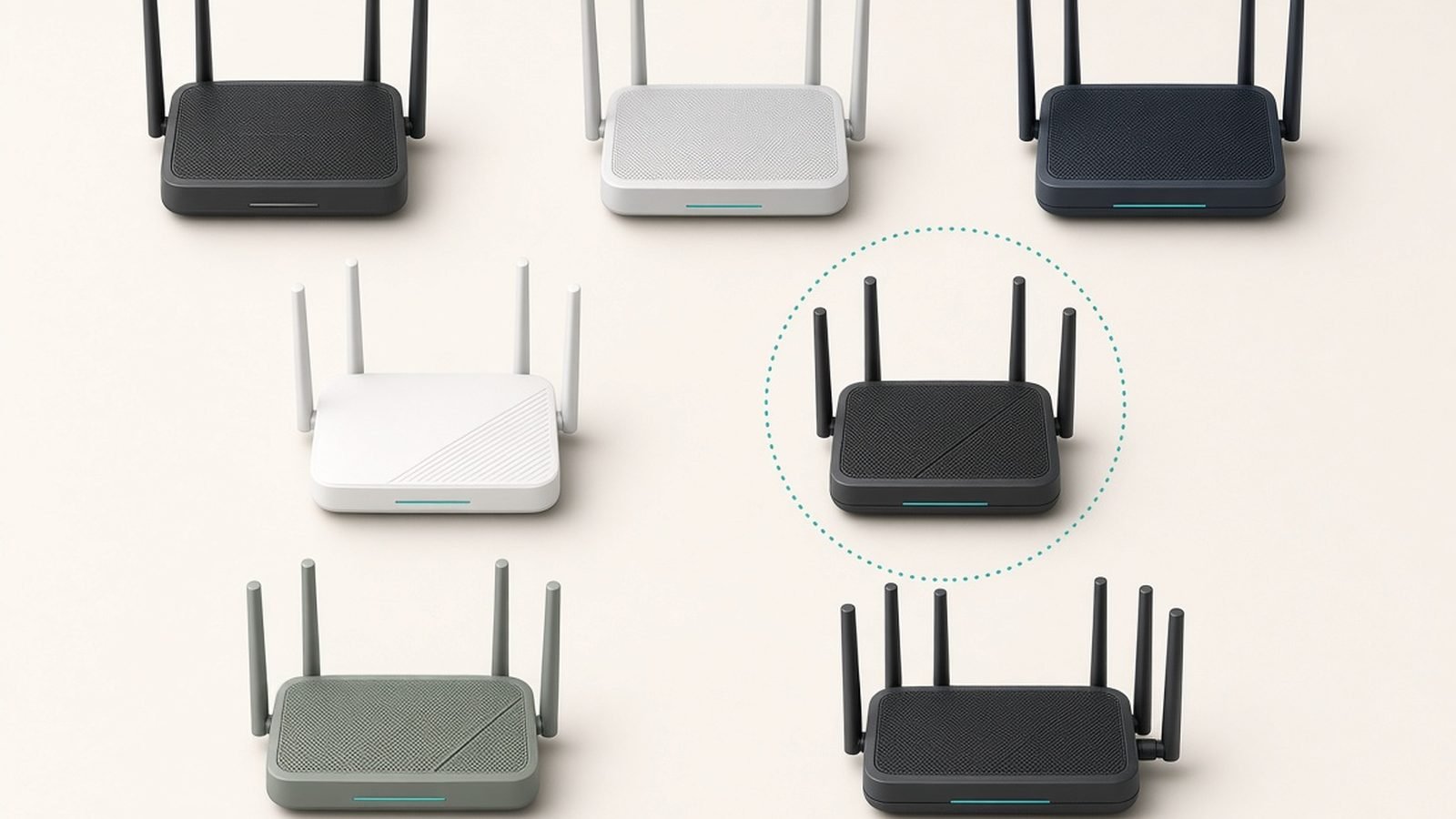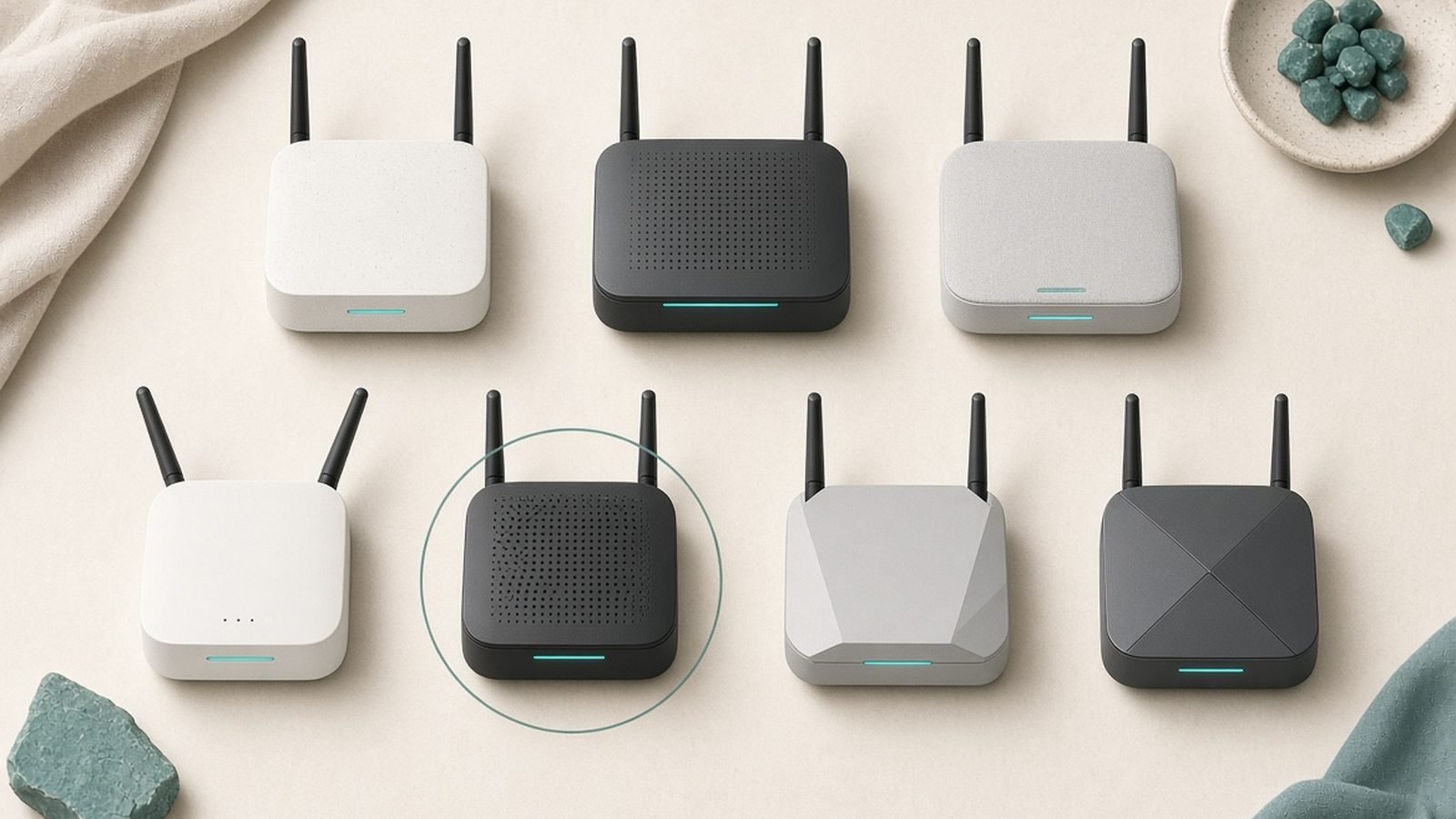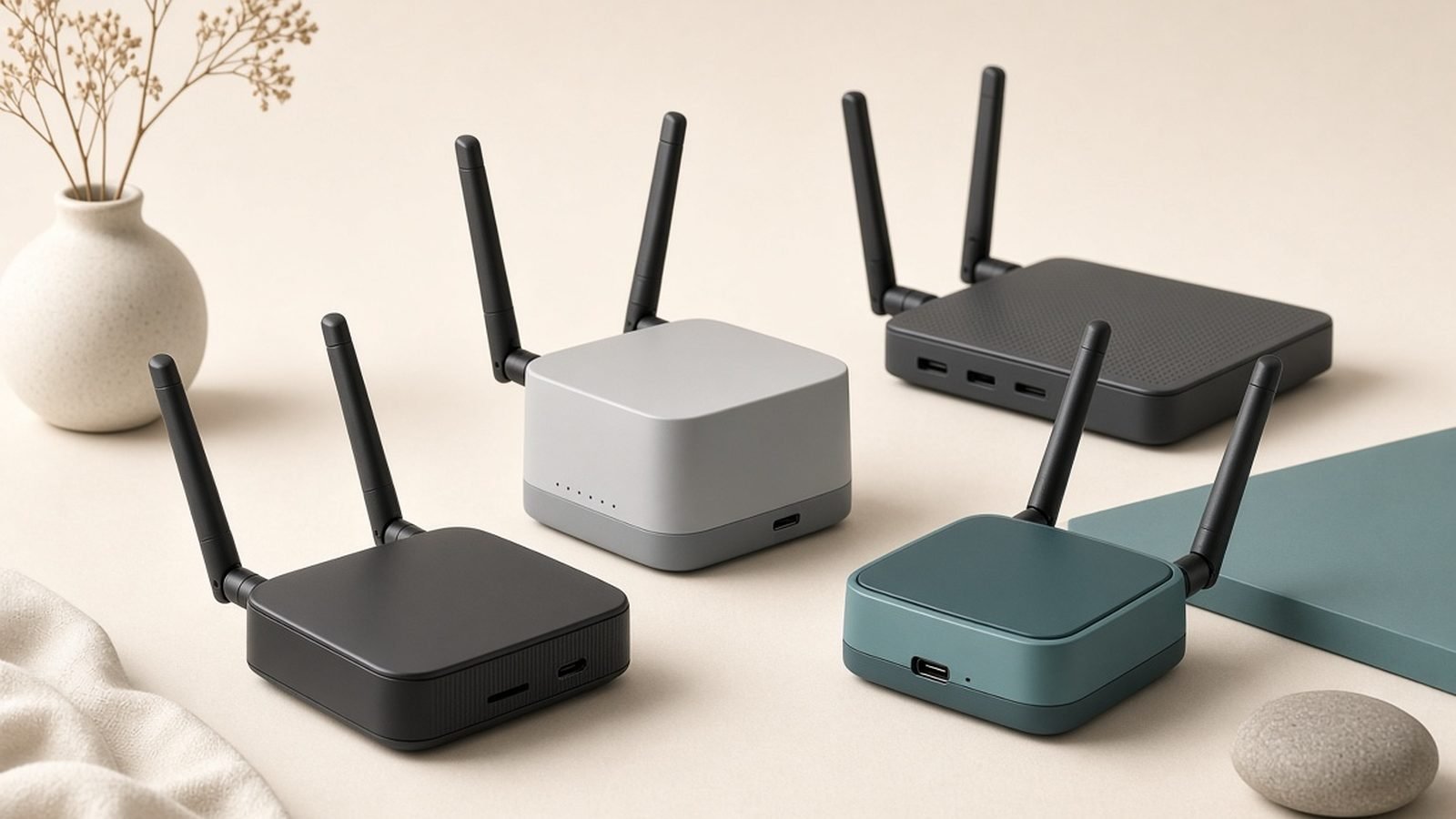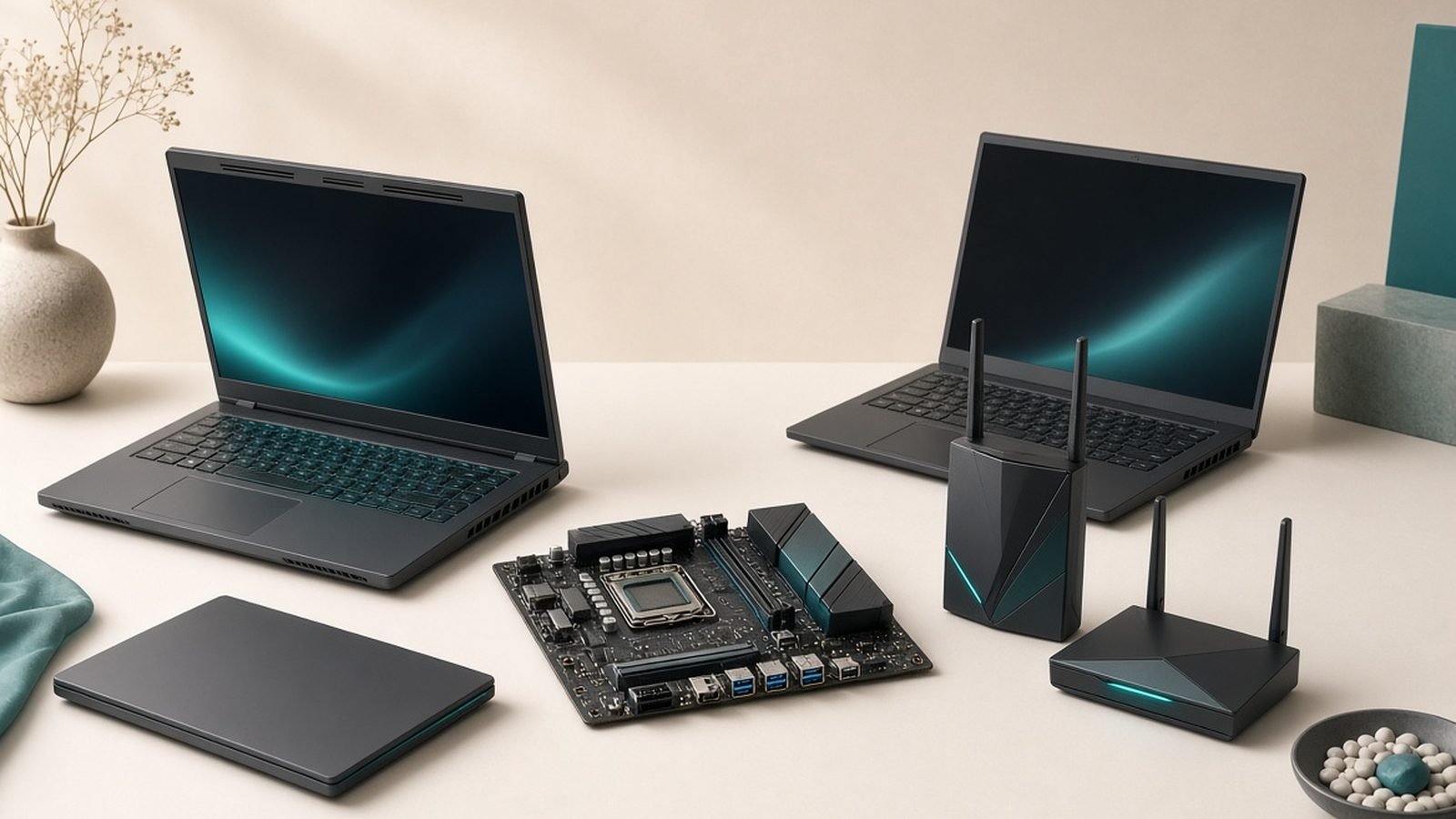
Netgear is one of the most established home-networking brands in the world, and in 2026 it remains a safe pick for fast, feature-rich Wi-Fi — its Nighthawk routers and Orbi mesh systems consistently deliver top-tier performance and lead many buying guides. The catch is money: Netgear increasingly gates useful features behind subscriptions (notably its Armor security add-on) and its premium hardware carries premium prices. Verdict: buy Netgear if you want proven, high-performance Wi-Fi hardware and don’t mind paying for it — but budget for, or opt out of, the recurring fees, and cross-shop rivals if you want more free software included.
Netgear covers everything from $60 budget routers to $1,500 tri-band mesh kits, plus business switches and NAS gear. This profile covers where it excels, where the subscription model grates, and who it actually suits.
Company overview
Netgear was founded in 1996 and is headquartered in San Jose, California, making it one of the longest-running dedicated networking companies still selling to consumers. It is a publicly traded company and split its business in recent years, spinning off its smart-camera brand Arlo as a separate company — so Netgear today is focused on connectivity: routers, mesh systems, Wi-Fi adapters, switches, and network storage.
Its reputation among enthusiasts and mainstream buyers is broadly positive on hardware and more mixed on value. Netgear is a go-to name when people want a router that “just works” and pushes maximum speed, and its Nighthawk and Orbi sub-brands are widely recognized. The friction comes from its business model, which has leaned harder into recurring revenue over time — something long-time customers have noticed and complained about.
What Netgear makes
Netgear’s catalog centers on home and small-business networking:
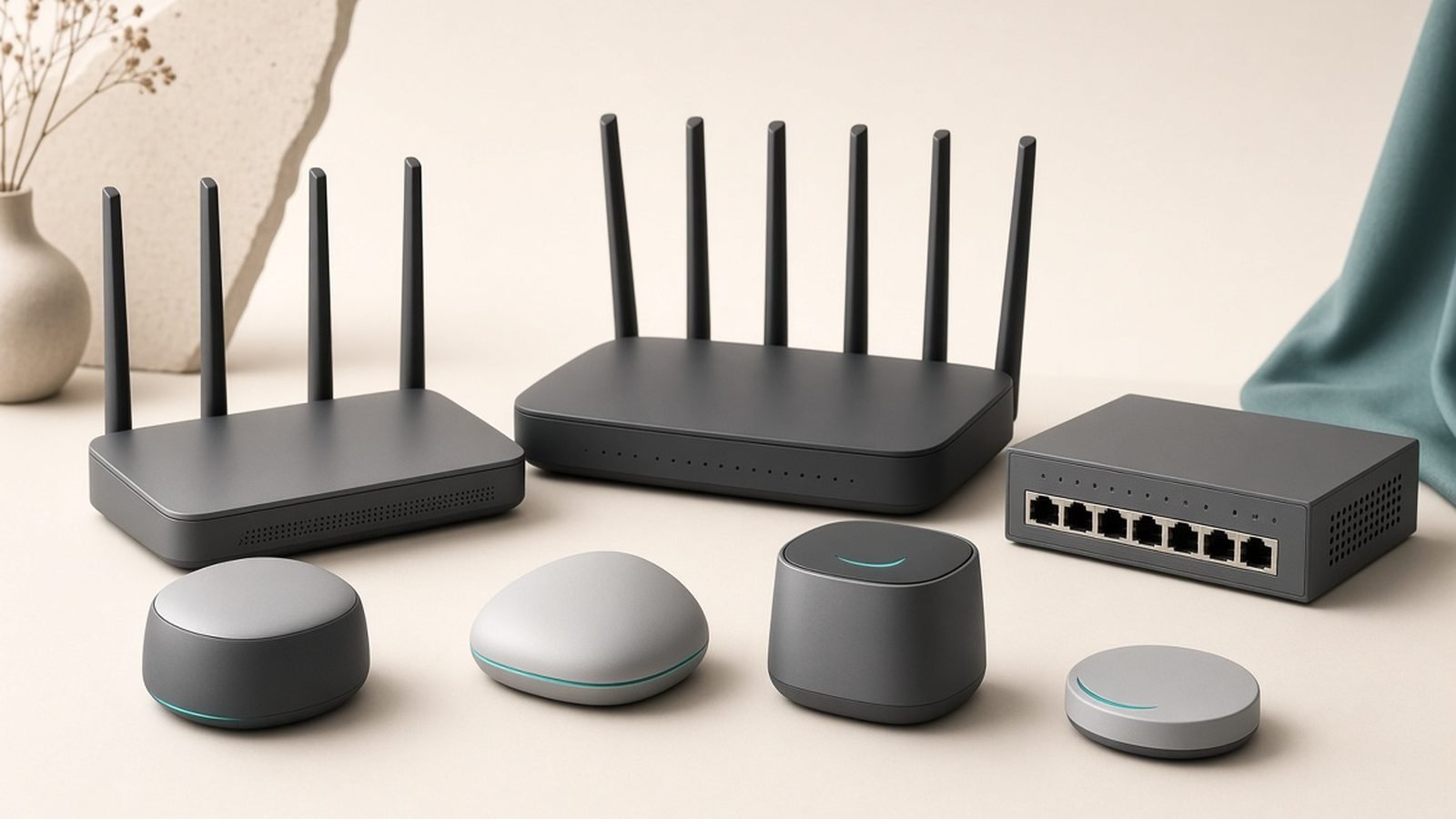
- Nighthawk routers: Standalone Wi-Fi routers spanning Wi-Fi 6, 6E, and Wi-Fi 7, from mainstream to aggressive gaming/enthusiast models with high port counts and multi-gig WAN.
- Orbi mesh systems: Premium whole-home mesh Wi-Fi, typically tri-band or quad-band, aimed at large houses and reliable coverage.
- Cable modems and gateways: Standalone DOCSIS 3.1 modems and modem-router combos, a category where Netgear is a market leader.
- Switches and business gear: Unmanaged, smart, and managed Ethernet switches, plus the AV-focused and PoE lines for prosumers and small businesses.
- ReadyNAS and network storage: Network-attached storage for backups and media (a smaller part of the lineup than dedicated NAS specialists).
- Wi-Fi adapters, extenders, and mobile hotspots: USB adapters, range extenders, and 4G/5G Nighthawk mobile hotspots.
Standout Netgear products in 2026
Nighthawk Wi-Fi 7 routers. Netgear’s flagship Wi-Fi 7 Nighthawk models are among the fastest single-unit routers you can buy, with multi-gig ports and huge throughput for dense, modern homes. They feature prominently in our Best Wi-Fi 7 Routers 2026: Top Picks for Every Budget guide when raw speed is the priority.
Orbi mesh systems. Orbi remains the premium benchmark for whole-home mesh, using a dedicated backhaul band to keep speeds high across multiple nodes. It’s a recurring top pick in Best Mesh Wi-Fi Systems 2026: Wi-Fi 6 & Wi-Fi 7 Compared for large homes where coverage matters more than price.
Nighthawk cable modems. Netgear’s standalone DOCSIS 3.1 modems are a common recommendation for cutting monthly ISP equipment rental fees while keeping full speeds.
Nighthawk 5G mobile hotspots. For travel or as a backup connection, Netgear’s Nighthawk hotspots are among the more capable portable 5G devices available.
For most people, the best entry point is a single Nighthawk router sized to your plan, stepping up to Orbi only when a large home genuinely needs mesh coverage.
Strengths
Top-tier performance. Netgear’s flagship Nighthawk and Orbi hardware consistently ranks among the fastest and most stable in independent testing, with strong range and high sustained throughput.
Broad, current lineup. Netgear moves quickly to new standards (it’s typically early on Wi-Fi 6E and Wi-Fi 7) and covers every price point and use case, from cheap routers to quad-band mesh.
Market-leading modems. Its standalone cable modems are a reliable, well-supported way to stop renting equipment from your ISP.
Good hardware build and port selection. Premium models offer multi-gig WAN/LAN ports, USB, and solid internals that hold up well.
Wide availability and ecosystem. Easy to buy, well-stocked at retailers, with a mature app and broad accessory support.
Weaknesses & criticisms
Subscription creep. This is the biggest complaint. Netgear Armor (its security suite, powered by Bitdefender) and some parental-control and support features are subscription-based, and free trials that expire can leave buyers feeling nickel-and-dimed on hardware they already paid a premium for.
Premium pricing. Flagship Nighthawk routers and high-end Orbi kits are expensive — top Orbi systems can run well over $1,000 / £900 — and Netgear rarely competes on price at the high end.
Support gated behind paid plans. Netgear notoriously limits free technical support to a short window after purchase, then pushes paid support contracts, which frustrates owners who need help later.
App and account friction. Some setup and management flows push you toward creating accounts and cloud features, and the app experience can feel more monetized than rivals’.
Firmware inconsistency. While flagships are well-maintained, update cadence and long-term firmware support on mid-range and older models can be uneven.
Reliability & support
Netgear’s hardware reliability is generally good, especially on flagship Nighthawk and Orbi products, which are engineered for demanding, always-on use. Standard warranty is commonly one year on many consumer products (varies by model and region), which is shorter than some rivals offer. Firmware updates are frequent on current flagships, though older and cheaper models can be neglected sooner.
The recurring sore point is support. Netgear provides free technical support for only a limited period after purchase (often 90 days), after which it steers customers toward paid support plans — a policy widely criticized as unfriendly compared with competitors that offer longer free support. Community forums, documentation, and the knowledge base help fill the gap, and RMA for genuine hardware faults under warranty is workable, but the paywalled human support is a real mark against the ownership experience.
Who should buy Netgear
Buy Netgear if you want proven, high-performance networking hardware and are willing to pay for it — enthusiasts chasing maximum speed, owners of large homes who need reliable premium mesh (Orbi), and anyone wanting a top-tier standalone router or a cable modem to escape ISP rental fees. Its flagships are genuinely among the best-performing devices in their class.
Look elsewhere if you’re value-focused or resent recurring fees. Rivals like Asus (with free AiProtection and rich firmware) or TP-Link often bundle more software for free, and a Wi-Fi ecosystem like Ubiquiti’s UniFi offers deeper control for prosumers — see our Ubiquiti UniFi Review 2026: Prosumer Networking Verdict. Compare options in Best Mesh Wi-Fi Systems 2026: Wi-Fi 6 & Wi-Fi 7 Compared and Best Wi-Fi 7 Routers 2026: Top Picks for Every Budget before committing.
FAQ
Is Netgear a good brand?
Yes — Netgear is a leading, reliable networking brand with some of the fastest routers and mesh systems available. The main caveats are premium pricing and a business model that increasingly relies on subscriptions (Armor security, paid support), so factor in ongoing costs before buying.
Is Netgear reliable?
Netgear’s hardware, particularly flagship Nighthawk routers and Orbi mesh, is reliable and built for always-on use. Firmware support is strong on current flagships but can taper off on cheaper or older models. The weaker link is customer support, which is free only for a limited window.
Where is Netgear from / who owns it?
Netgear is an American company founded in 1996 and headquartered in San Jose, California. It is publicly traded and independent (it previously spun off the Arlo smart-camera brand as a separate company), and today focuses on networking hardware.
Is Netgear Armor worth it?
Netgear Armor adds Bitdefender-powered network security and is genuinely useful, but it’s a paid subscription after any trial. If you already run device-level antivirus and safe browsing habits, it may be optional; for a household wanting simple, router-level protection across all devices, it can be worth the annual fee.
Orbi or Nighthawk — which should I get?
Choose a Nighthawk router for a small-to-medium home where one powerful unit reaches everywhere, and Orbi mesh for large or multi-story homes where you need several nodes for consistent coverage. Orbi costs more but solves dead zones; see Best Mesh Wi-Fi Systems 2026: Wi-Fi 6 & Wi-Fi 7 Compared.
Netgear vs Asus for routers — which is better?
Both make excellent hardware. Netgear often edges ahead on raw flagship performance and modems; Asus tends to include more free software (AiProtection security, flexible firmware) without subscriptions. If you dislike recurring fees, Asus is often the better value; if you want top speed, Netgear competes hard.
Zen Tech Hub may earn a commission from links on this page, at no extra cost to you.