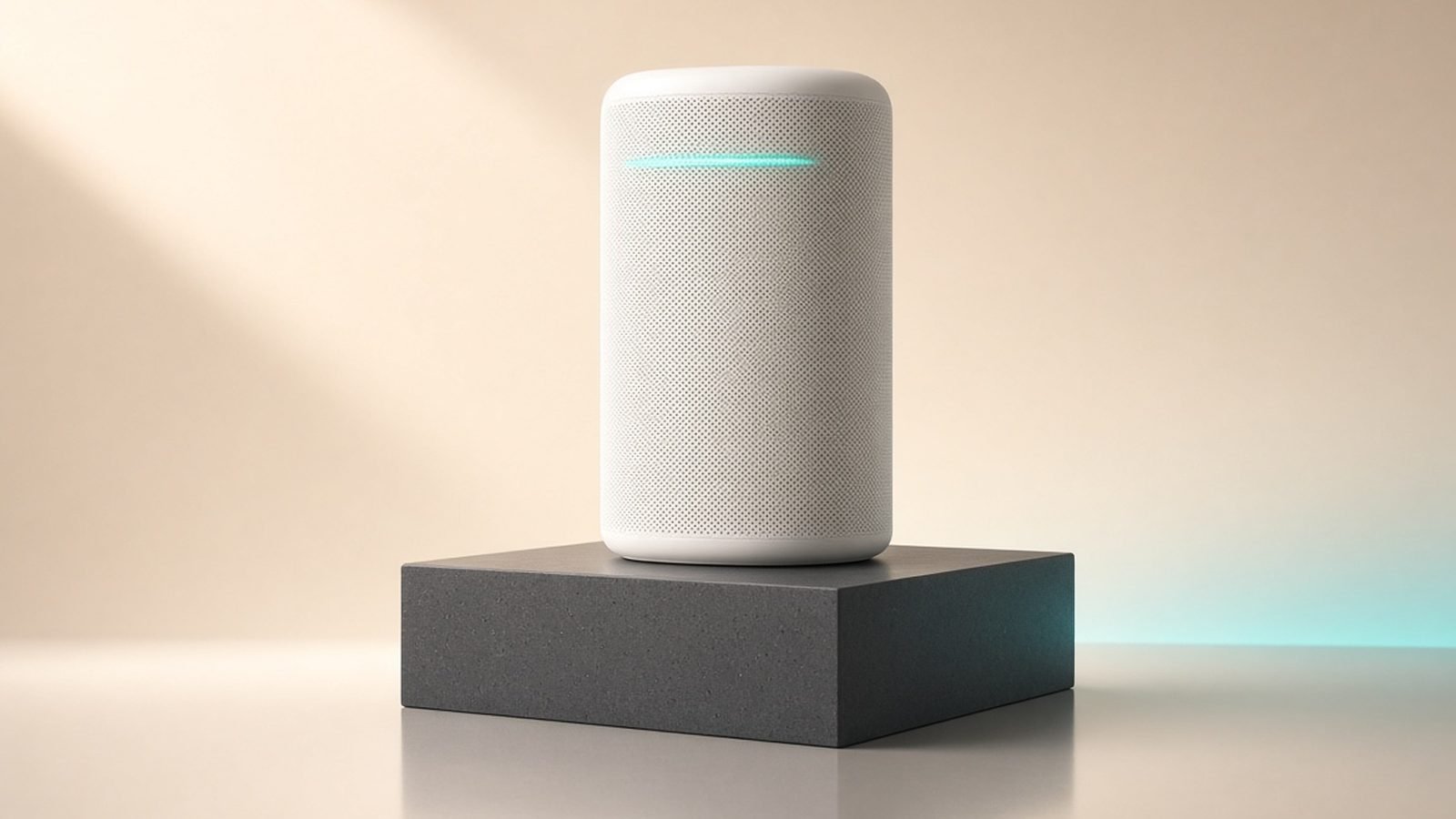
The Eero Max 7 is the most capable, easiest-to-live-with mesh system Amazon makes — and for the vast majority of homes it is far more than you need. This Eero Max 7 review cuts to the question that actually matters: not “is it fast?” (it is, spectacularly) but “is it worth around $1,699.99 / £1,699.99 for a 3-pack, plus the eero Plus subscription the app keeps nudging you toward?”
Here’s our verdict up front. The Max 7 is a quad-band Wi-Fi 7 flagship with dual 10 Gigabit Ethernet ports per node, seamless roaming, and eero’s trademark ten-minute setup. If you have a multi-gig internet plan (2Gbps and up), a large or multi-storey home, and you want to run wired 10G backhaul, nothing is more effortless. But most people on gigabit fibre in a normal-sized house will get 95% of this experience from the Eero Pro 7 at less than half the price — see how it stacks up in our Best Mesh Wi-Fi Systems 2026: Wi-Fi 6 & Wi-Fi 7 Compared roundup.
Buy it if you have a 2–10Gbps connection, a big property, and you want future-proof 10G hardware you’ll never outgrow. Skip it if your broadband is under ~1Gbps or your home is under ~3,000 sq ft — you’d be paying a four-figure sum for headroom you can’t use.
Around $1,699.99 / £1,699.99 (3-pack) · quad-band Wi-Fi 7 · 2x 10GbE + 2x 2.5GbE per node · ~2,500 sq ft per node.
Check price: Eero Max 7 (3-pack)
Eero Max 7 at a glance
| Eero Max 7 | Eero Pro 7 | Eero 7 | |
|---|---|---|---|
| Wi-Fi standard | Wi-Fi 7, quad-band | Wi-Fi 7, tri-band | Wi-Fi 7, dual-band |
| Bands | 2.4 + 5 + 5 + 6GHz | 2.4 + 5 + 6GHz | 2.4 + 5GHz |
| Ethernet per node | 2x 10GbE + 2x 2.5GbE | 2x 5GbE | 2x 2.5GbE |
| Coverage (3-pack) | ~7,500 sq ft | ~6,000 sq ft | ~6,000 sq ft |
| Smart home radios | Thread, Zigbee, Matter | Thread, Zigbee, Matter | Thread, Matter |
| Subscription pressure | High (eero Plus) | High (eero Plus) | High (eero Plus) |
| 3-pack price | ~$1,700 / £1,700 | ~$700 / £700 | ~$350 / £350 |
That price row is the whole review in miniature. The Max 7 costs roughly what the Pro 7 and Eero 7 cost combined and doubled. The hardware justifies it on paper; whether your home can use it is the real test.
Pros:
- Dual 10GbE ports per node — genuine multi-gig, wired-backhaul future-proofing
- Quad-band design keeps far nodes fast even on wireless backhaul
- The easiest setup and most reliable roaming in mesh
- Thread, Matter and Zigbee hub built into every node
Cons:
- Very expensive; overkill for most homes and internet plans
- Key features paywalled behind eero Plus (~$100/£100 a year)
- App-only management, minimal power-user controls
- Physically large nodes you’ll notice on a shelf
Design and build
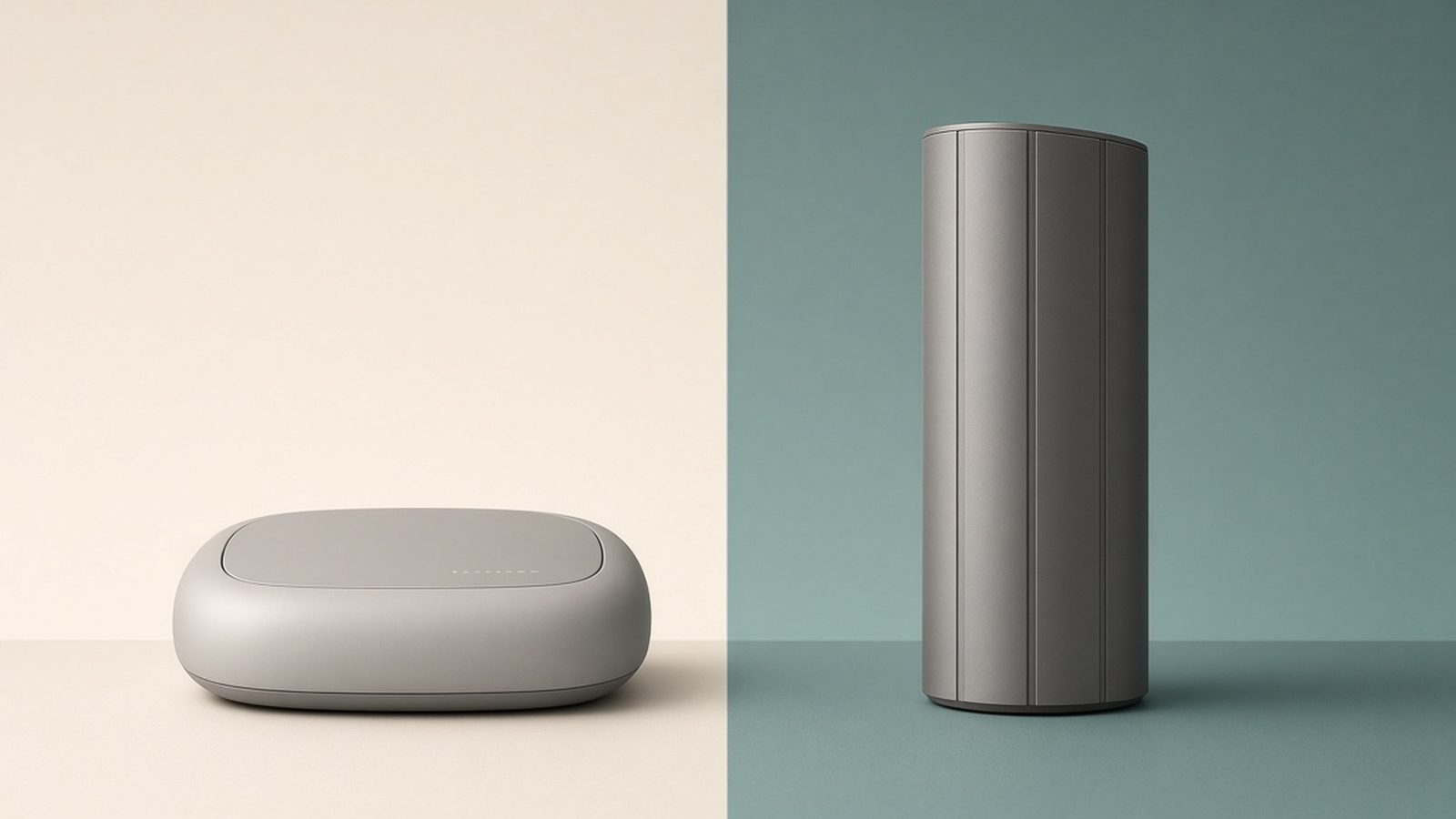
The Max 7 nodes are big — noticeably larger and heavier than the compact Pro 7 towers — because they’re cooling four radios and two 10G PHYs. They’re clean, matte and unobtrusive in a modern way, but you won’t hide one behind a photo frame. Each node carries two 10GbE ports and two 2.5GbE ports, which is a lot of high-speed wired capacity for a mesh unit; one 10G port typically goes to your modem or ISP router (in bridge mode), leaving the rest for wired backhaul, a NAS or a desktop.
Build quality is reassuringly solid, and the nodes run warm but quiet under normal load. As with all eero hardware, there’s no display, no buttons to speak of, and no web interface — everything happens in the app. That’s on-brand and, for most buyers, a relief.
Performance and features
Under the hood, the Max 7 is a quad-band BE unit: 2.4GHz, two 5GHz radios and 6GHz, so it can dedicate a whole radio to backhaul while clients use the rest. eero quotes multi-gig wireless throughput to Wi-Fi 7 devices and up to 9.4Gbps wired via the 10G ports. All the Wi-Fi 7 headline tricks are present — Multi-Link Operation (MLO) for lower latency, 4K QAM for denser encoding, 320MHz channels on 6GHz — and TrueMesh routing ties it together.
We’ll be straight: the figures below are aggregated from published third-party reviews and owner-reported speed tests, not our own lab bench — but the pattern is consistent.
- Close range, Wi-Fi 7 client: commonly 1.5–2.3Gbps, enough to blow past gigabit fibre with room to spare.
- One floor away: typically 900Mbps–1.4Gbps, where the quad-band design clearly outruns cheaper meshes.
- Wired 10G backhaul between nodes: the star scenario — every node delivers near-full speed, and a wired 10G client can genuinely see multi-gig throughput.
- Far node on wireless backhaul: owners report 600–900Mbps at the extremity of a 3-pack, where dual-band meshes collapse.
Roaming is where eero quietly excels, and the Max 7 is the best of the lineup: video calls survive a walk across a large house without a stutter. Latency with MLO-capable devices is stable enough that cloud gamers will notice. The honest caveat is that raw peak throughput, while excellent, isn’t dramatically ahead of the far cheaper Pro 7 unless you’re actually feeding it a multi-gig internet plan and 10G-capable clients.
Every node is also a Thread border router, Matter controller and Zigbee hub with Bluetooth LE — so an Alexa-centric smart home gets border routers spread through the property rather than clustered in one corner. HomeKit and Google Home users benefit less from the deep Alexa hooks.
The 10G ports: who actually benefits
The dual 10GbE ports are the Max 7’s signature feature, and they’re the clearest way to decide if this box is for you. They matter if any of the following is true: you have (or are getting) a 2–10Gbps internet plan; you want to run 10G Ethernet backhaul between nodes for rock-solid, full-speed mesh; or you have a 10GbE-equipped NAS or workstation you want to hit at near-local speed. If none of those apply, the 10G ports are dormant potential — real, but unused.
This is the crux. On a 1Gbps fibre line in a 2,000 sq ft home with 2.5GbE devices, the Max 7 and the Pro 7 will feel essentially identical, and you’ll have spent about $1,000/£1,000 extra for ports you never plug into.
Value and the eero Plus catch
Here’s the section eero’s marketing won’t write. Out of the box, even this flagship lacks features cheaper rivals include free. Advanced threat and malware blocking, network-wide ad blocking, richer per-profile content filters, DDNS, and the bundled extras (1Password, Malwarebytes and a VPN in the US) all sit behind eero Plus at roughly $9.99/month or $99.99 / £99.99 per year. Core routing, mesh, basic parental controls and security updates are free forever.
Run the three-year maths: around $1,700 / £1,700 for hardware plus roughly $300 / £300 of eero Plus equals about $2,000 / £2,000 total cost of ownership. That’s a serious sum, and it reframes the value question. Paying flagship money and still being upsold network-level ad blocking rankles — TP-Link’s Deco line bundles much of it free. Factor the subscription in before you buy, not after.
Alternatives
Eero Pro 7 (around $700 / £700, 3-pack) is the one most Max 7 shoppers should actually buy. Tri-band Wi-Fi 7, dual 5GbE ports, the same TrueMesh software and roaming, at well under half the price. Unless you have a multi-gig plan or a very large home, it’s the smarter choice — our full Best Mesh Wi-Fi Systems 2026: Wi-Fi 6 & Wi-Fi 7 Compared guide breaks down exactly where the Max pulls ahead.
TP-Link Deco BE85 / BE95 offers competing quad-band Wi-Fi 7 with 10G ports and far less subscription pressure — worth a look if the eero Plus toll bothers you.
Netgear Orbi 970 is the other premium flagship, with strong throughput but its own pricey add-on subscription.
For the wider field, see our Best Mesh Wi-Fi Systems 2026: Wi-Fi 6 & Wi-Fi 7 Compared rankings, and if a mesh feels like overkill, our Best Wi-Fi 7 Routers 2026: Top Picks for Every Budget guide covers single-unit routers that may cover a smaller home for far less. Chasing a specific dead spot rather than replacing everything? Start with How to Extend Wi-Fi Range: 8 Fixes That Work and How to Fix Wi-Fi Dead Zones: 9 Proven Ways (2026).
Verdict
The Eero Max 7 is a genuinely brilliant piece of hardware and the best mesh experience Amazon sells — but it is a specialist’s flagship, not a default recommendation. Buy it if you have a multi-gig internet plan, a large or awkward home, and a plan to use 10G backhaul; you’ll get effortless, future-proof coverage you won’t outgrow for years. Everyone else — which is most people — should buy the Eero Pro 7, pocket around $1,000 / £1,000, and get an experience they genuinely won’t be able to tell apart. And whichever you choose, price in eero Plus honestly before you commit.
FAQ
Is the Eero Max 7 worth it?
Only for the right home. If you have a 2–10Gbps internet plan, a large or multi-storey property, and you’ll use its 10G ports for wired backhaul or a fast NAS, it’s a superb, future-proof buy. On a gigabit line in a normal-sized house, the Eero Pro 7 delivers a near-identical experience for less than half the price, making the Max 7 poor value for most buyers.
What’s the difference between the Eero Max 7 and Eero Pro 7?
The Max 7 is quad-band (a second 5GHz radio) with dual 10GbE ports per node; the Pro 7 is tri-band with dual 5GbE ports. The Max also has larger antennas and wider coverage. In practice the difference only shows on multi-gig internet, in large homes, or with 10G wired gear. On ordinary gigabit plans the two feel the same, so the Pro 7 is the value pick.
Does the Eero Max 7 need a subscription?
No — core routing, mesh, basic parental controls and security updates are free forever. But advanced security, network-wide ad blocking, richer content filtering and bundled extras (1Password, VPN in the US) require eero Plus at about $9.99/month or $99.99 / £99.99 per year. Given the hardware’s price, being upsold these features frustrates many owners, so decide whether you need them before buying.
How much area does the Eero Max 7 cover?
Amazon rates each node at up to around 2,500 sq ft, so a 3-pack covers roughly 7,500 sq ft — enough for most large houses. Real coverage depends on wall construction; thick brick or stone (common in UK homes) reduces range, so budget for an extra node if your walls are solid or your layout is awkward.
Can I use 10G internet with the Eero Max 7?
Yes. Each node has two 10 Gigabit Ethernet ports, so you can connect a 10Gbps fibre or cable plan and, with a 10G-capable client hardwired to a node, genuinely approach multi-gig speeds. The 10G ports also enable full-speed wired backhaul between nodes. If you have no multi-gig plan or 10G devices, those ports go unused and the Pro 7 makes far more sense.
Is the Eero Max 7 available in the UK?
Yes — it’s sold through Amazon UK with identical hardware to the US model, at around £1,699.99 for a 3-pack, with eero Plus at roughly £99.99/year. As with all eero systems, it works best replacing your ISP router entirely, with the ISP unit switched to modem/bridge mode. UK pricing tracks US pricing closely, so watch Prime Day and Black Friday for discounts.
Zen Tech Hub may earn a commission from links on this page, at no extra cost to you.