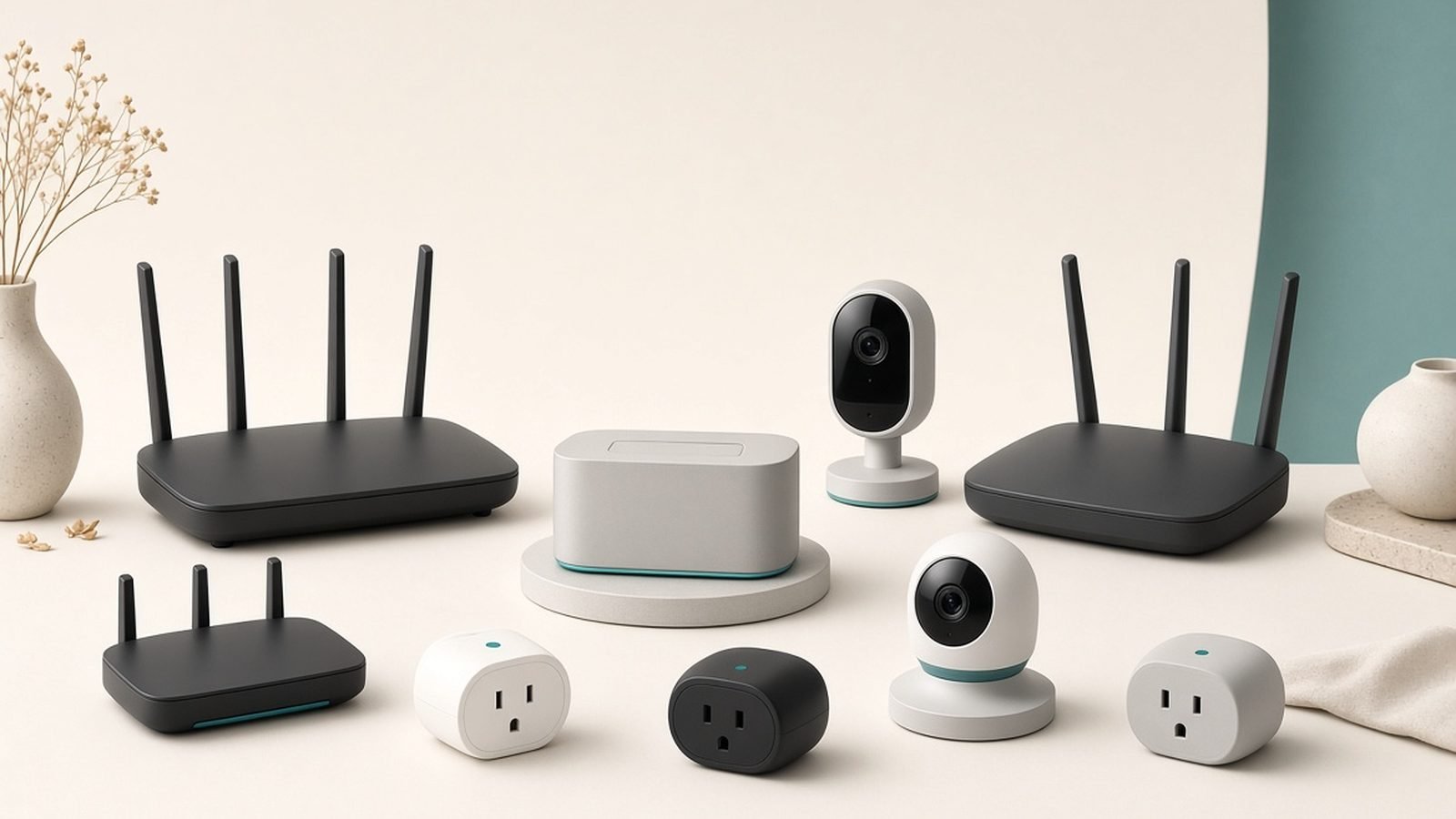
Most people meet TP-Link through a multipack of smart plugs rather than a router. The plugs, bulbs and cameras sold under the Kasa and Tapo names join Wi-Fi directly, so there is no hub to buy first, and the usual pattern is to add bulbs and cameras once the app has earned some trust. The larger part of the company is less visible on the shelf: TP-Link is one of the world’s biggest suppliers of consumer Wi-Fi equipment, and it is the routers that have drawn US government attention. Verdict: buy Kasa or Tapo for cheap, dependable smart plugs, bulbs, and indoor cameras, and TP-Link networking for strong value mesh Wi-Fi — while keeping one eye on the ongoing US regulatory scrutiny of TP-Link’s China ties, which is worth understanding before you build your whole network around it.
TP-Link spans two very different worlds: budget smart-home gadgets and serious networking gear. This profile covers what each brand does well, how Kasa and Tapo differ, and the security and geopolitical questions that make TP-Link more nuanced than a simple value pick.
Company overview
TP-Link was founded in 1996 in Shenzhen, China, and grew into one of the largest suppliers of consumer Wi-Fi equipment in the world, routinely topping global shipment rankings for wireless routers. In recent years the company has restructured, establishing TP-Link Systems with a US headquarters in California while continuing to design and manufacture across its global operations — a move partly in response to regulatory and market pressures in the United States.
Its smart-home push runs through two sub-brands: Kasa, the older, slightly more premium line often sold in North America, and Tapo, the newer, lower-cost line that has become dominant in the UK and Europe. Both use TP-Link’s own apps and, increasingly, support Matter. TP-Link’s reputation is that of a value leader: not the fanciest, not the most cutting-edge, but consistently good enough at a price that undercuts rivals. The important caveat is political — TP-Link routers have faced US government scrutiny over security and national-security concerns tied to Chinese-made networking gear, which is an active story rather than a settled verdict.
What TP-Link makes
TP-Link’s catalog splits cleanly into networking and smart home:
- Wi-Fi routers and mesh systems: The Archer router line and Deco mesh systems, spanning Wi-Fi 6, 6E, and Wi-Fi 7, plus range extenders and powerline adapters.
- Business and prosumer networking: The Omada line of managed switches, access points, and controllers for small businesses.
- Kasa smart home: Smart plugs, switches, dimmers, and bulbs, historically the more feature-rich, slightly pricier line.
- Tapo smart home: Smart plugs, bulbs, light strips, indoor and outdoor cameras, video doorbells, and sensors — the budget-focused, fast-growing line.
- Cameras and security: Tapo and Kasa indoor/outdoor cameras and doorbells, many with local microSD storage and optional cloud plans.
Standout TP-Link products in 2026
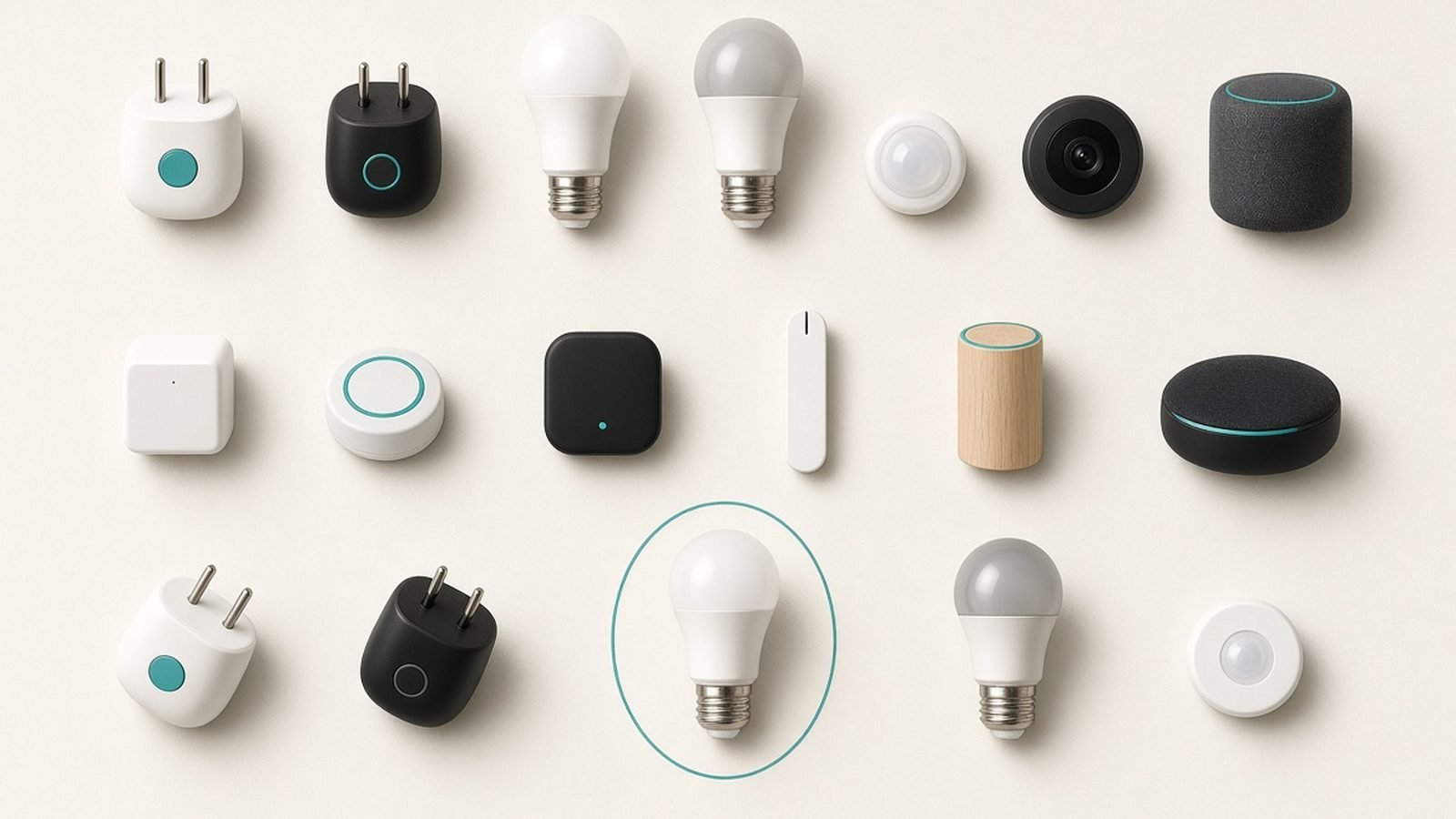
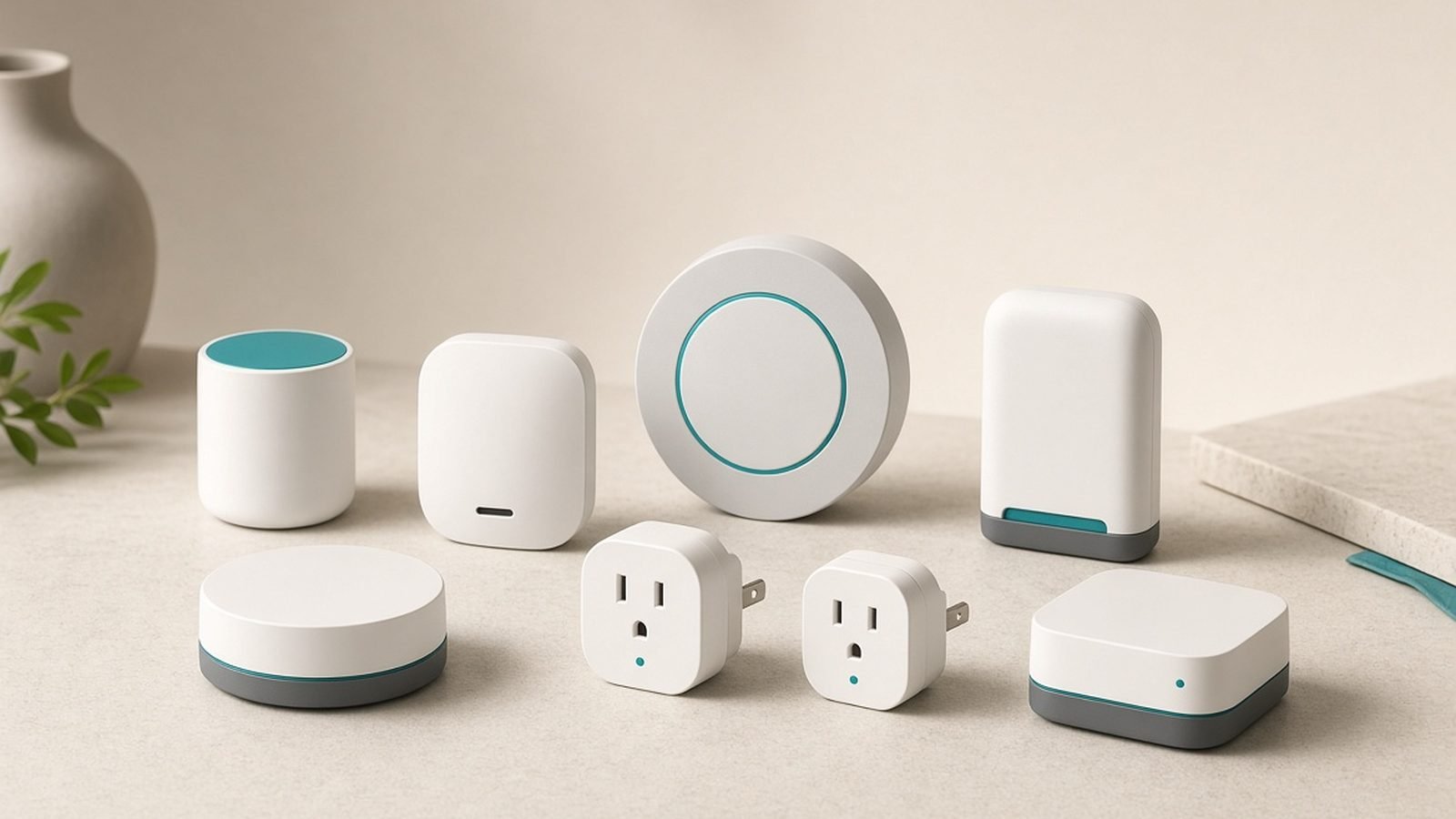
Tapo and Kasa smart plugs. These are the products most people meet first — cheap, reliable, and often available in multipacks, with energy-monitoring versions that track consumption. They anchor our Best Smart Plugs 2026: Cheapest Way Into Home Automation guide, feature in Best Smart Plugs With Energy Monitoring in 2026, and help answer the question in Do Smart Plugs Save Money? The Real Answer.
Tapo and Kasa smart bulbs and light strips. Color and white-ambiance bulbs at prices that undercut Philips Hue, with no hub required. They are a recurring value pick in Best Smart Light Bulbs 2026: Philips Hue & Alternatives for people who want smart lighting without a premium ecosystem cost.
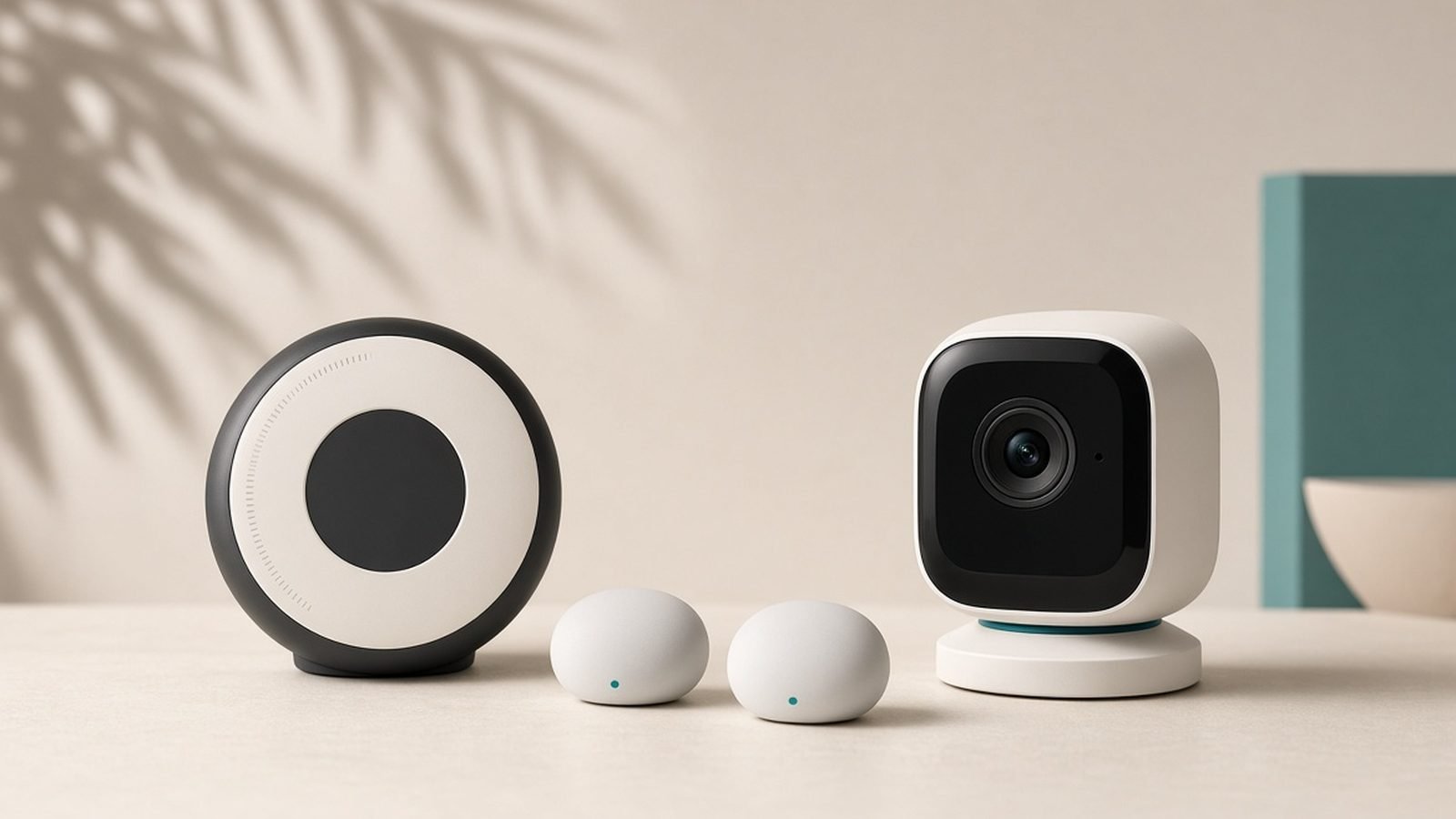
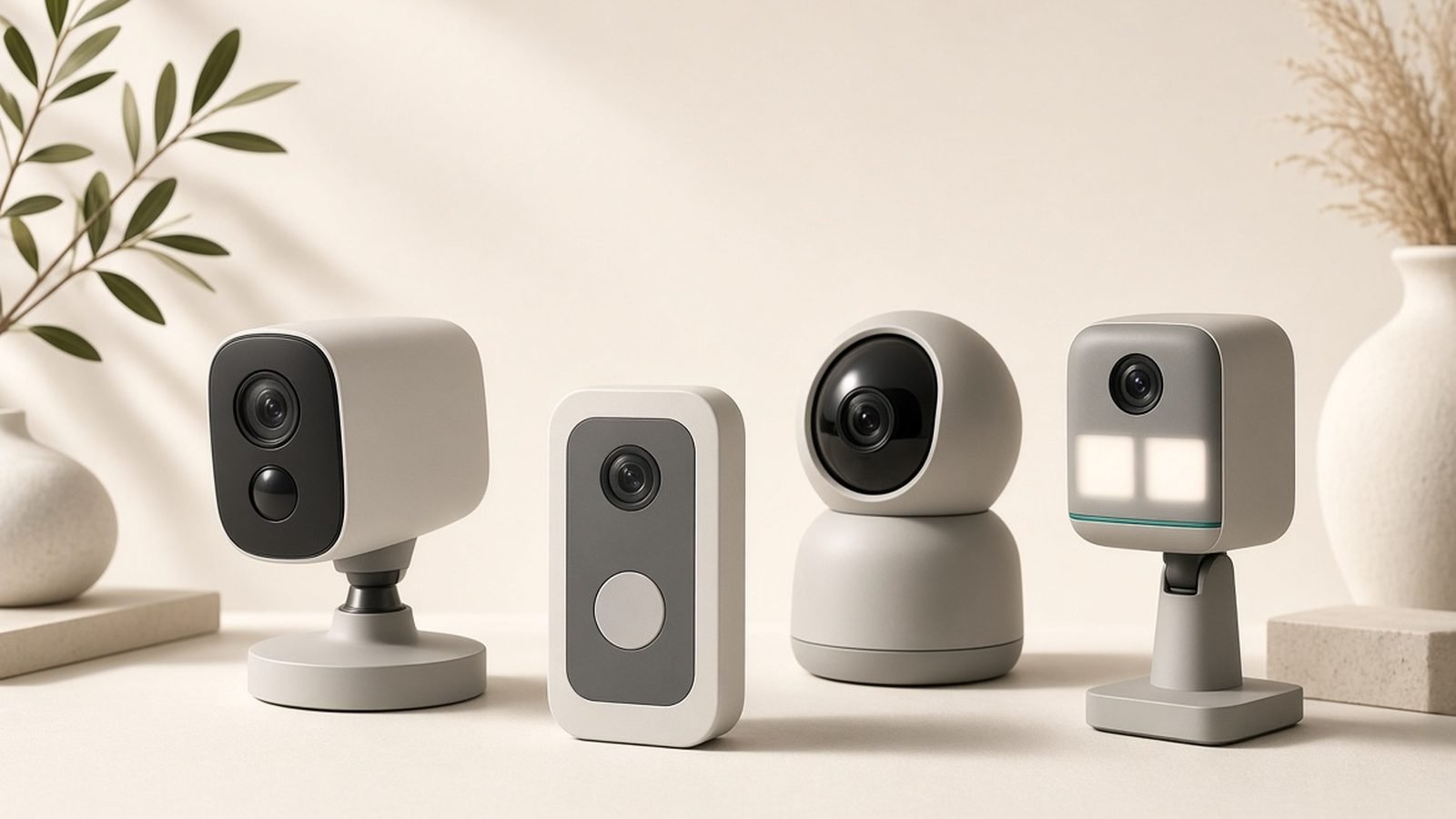
Tapo indoor and outdoor cameras. Inexpensive Wi-Fi cameras with local microSD recording and optional cloud, popular for nurseries, garages, and entryways. Compare them against pricier rivals in Best Home Security Cameras 2026: Indoor & Outdoor Picks and, for the no-fee angle, Best Home Security Cameras With No Subscription in 2026.
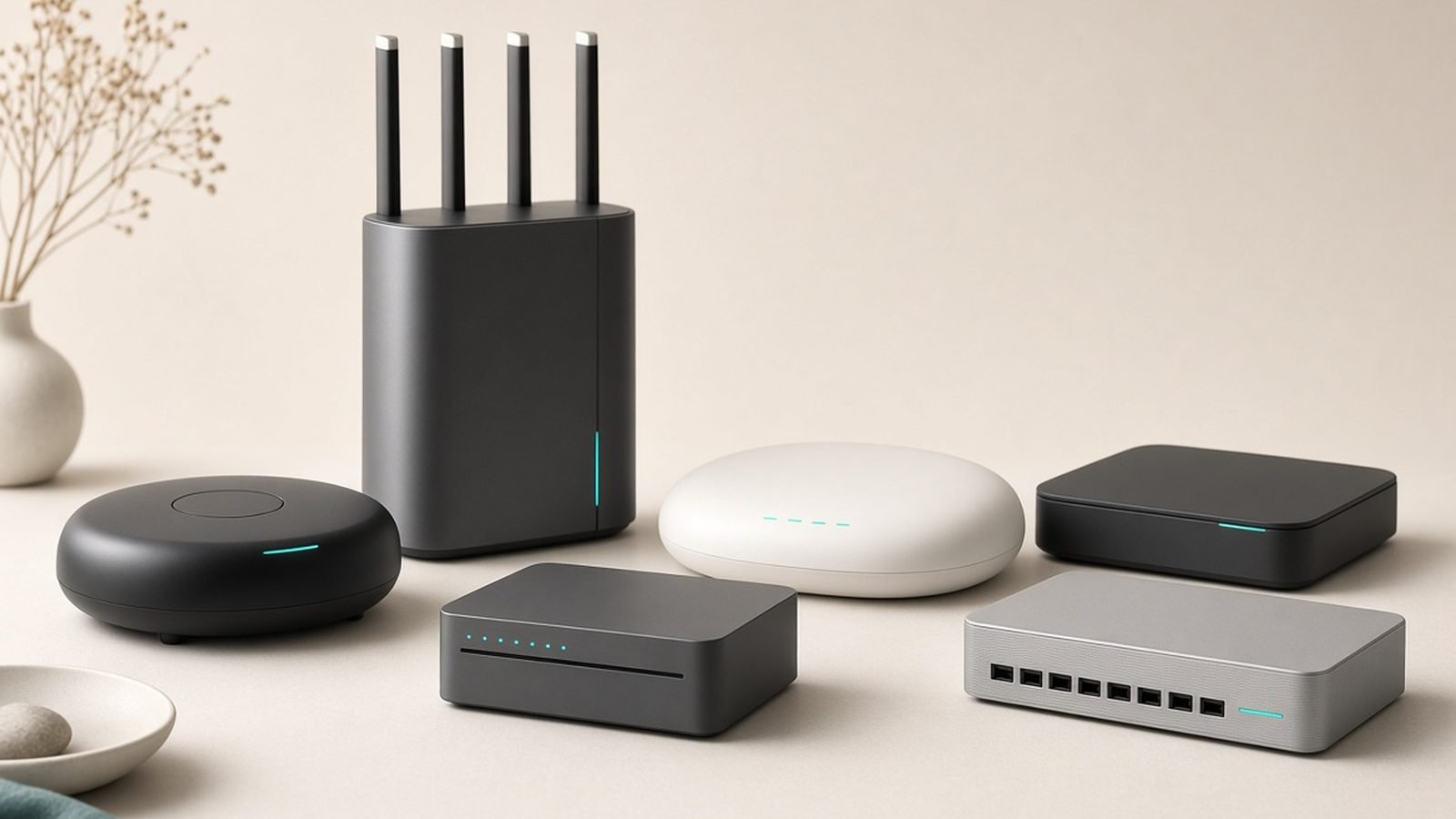
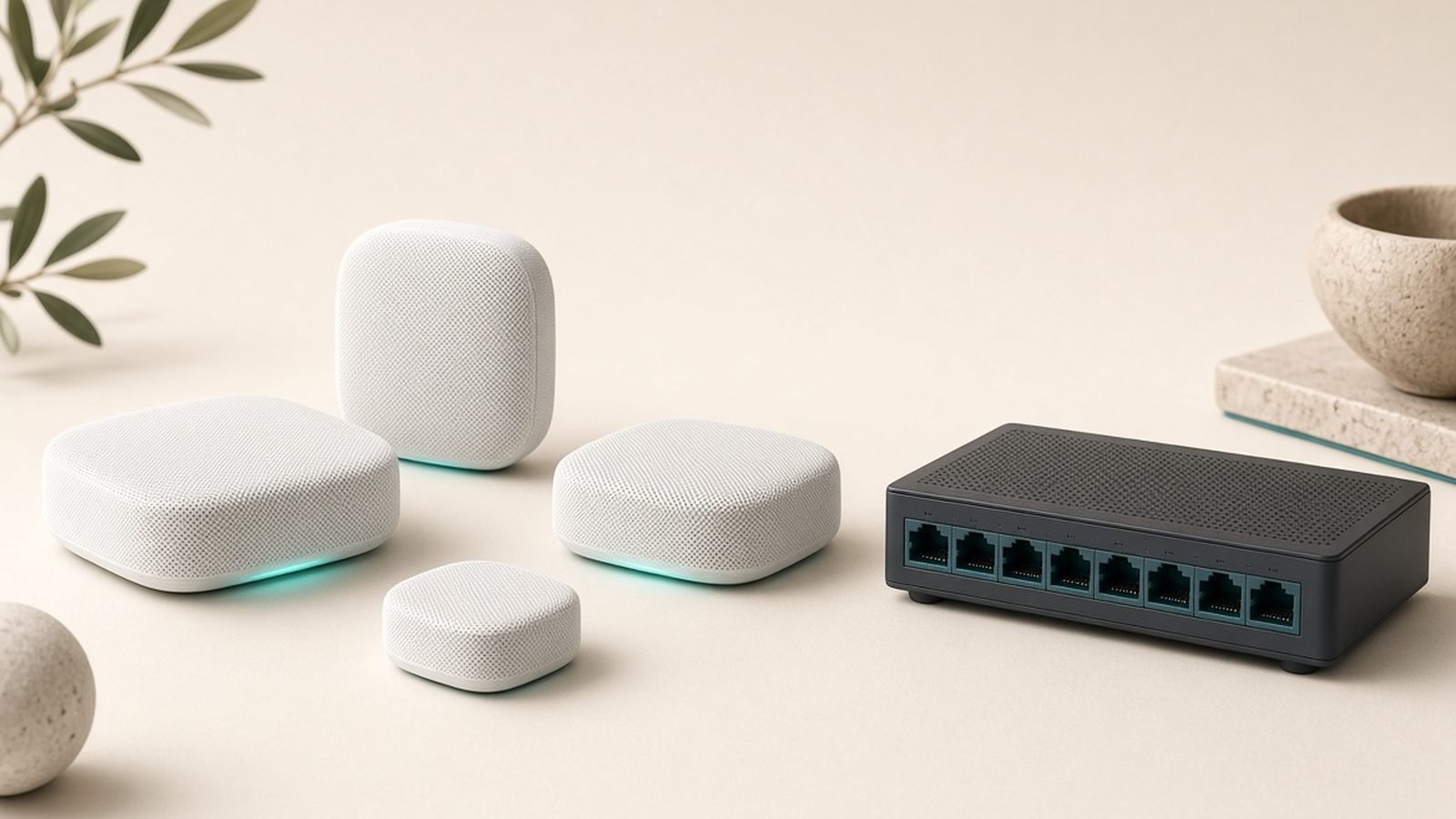
TP-Link Deco mesh Wi-Fi. Deco systems are among the best-value ways to blanket a home in reliable Wi-Fi 6/7, and they pair naturally with a smart-home setup that leans on stable networking.
Most people start with a two- or four-pack of smart plugs for around $30 / £25, then expand into bulbs and cameras once they trust the app.
Strengths
Outstanding value. Across plugs, bulbs, and cameras, TP-Link consistently undercuts premium rivals while delivering dependable everyday performance.
No hub required. Kasa and Tapo devices connect straight to Wi-Fi, so there is no separate bridge to buy for basic smart lighting and plugs.
Matter and ecosystem support. Growing Matter support plus Alexa and Google Home compatibility make TP-Link easy to fold into most smart-home setups; see What Is Matter? The Smart Home Standard Explained (2026).
Networking pedigree. TP-Link is a genuine leader in Wi-Fi hardware, so buying its routers or mesh alongside its smart-home gear gives you a coherent, well-supported network.
Local storage options on cameras. Many Tapo and Kasa cameras record to microSD without a mandatory subscription, which keeps ongoing costs down.
Weaknesses & criticisms
US regulatory and security scrutiny. TP-Link routers have faced investigation and proposed restrictions in the United States over national-security concerns linked to Chinese-made networking equipment. Nothing here is a proven consumer exploit, but it is an unresolved issue that security-conscious buyers should weigh, especially for routers.
Two overlapping brands can confuse. The split between Kasa and Tapo — with different apps, regional availability, and feature sets — makes it easy to buy the wrong line or end up juggling two apps.
Apps over polish. TP-Link’s apps are functional but not the most elegant, and some cloud features and camera AI functions push optional subscriptions.
Not a premium ecosystem. TP-Link smart-home gear is value-first; it lacks the design refinement, deep automation, and long-term ecosystem ambition of pricier platforms.
Camera privacy considerations. As with any Wi-Fi camera from a China-headquartered maker, privacy-focused users should review storage settings, keep firmware current, and consider local-only recording.
Reliability & support
Day to day, TP-Link’s smart plugs, bulbs, and mesh systems have a strong reliability reputation — they are the kind of devices people install and forget. The networking hardware in particular is trusted enough to sit at the top of global sales charts, and firmware updates are reasonably frequent. Warranties vary by product and region but typically run one to three years, with two years common on many smart-home items in Europe.
Customer support is adequate rather than exceptional: TP-Link offers online support, forums, and RMA processes, though the experience can feel more mass-market than boutique. The bigger reliability question is not hardware failure but the regulatory cloud over TP-Link routers in the US — a policy and security story that could affect future availability and updates for networking gear, even though smart-home devices are less directly implicated. For most buyers, Kasa and Tapo devices remain dependable, low-risk purchases; the sensible precautions are keeping firmware current, using strong passwords, and deciding how comfortable you are with a China-headquartered brand at the center of your network.
Who should buy TP-Link
Buy Kasa or Tapo if you want the cheapest reliable way into smart plugs, bulbs, and indoor cameras, and you are building a practical rather than a premium smart home. It is ideal for renters, first-time smart-home buyers, and anyone who wants energy monitoring or simple automations without paying flagship prices. TP-Link’s Deco and Archer networking is also a strong value choice for blanketing a home in Wi-Fi.
Look elsewhere if you want a top-tier, design-led ecosystem with deep automation, or if the ongoing US security scrutiny of Chinese networking brands is a dealbreaker for you — in which case you may prefer to source routers from a different maker even while using Tapo plugs. For camera buyers specifically, weigh the trade-offs in Best Home Security Cameras 2026: Indoor & Outdoor Picks before committing.
FAQ
Is TP-Link a good brand?
Yes, for value. TP-Link’s Kasa and Tapo smart-home lines are reliable and affordable, and its Wi-Fi routers are among the best-selling in the world. The main caveat is ongoing US regulatory scrutiny of its networking gear, which security-conscious buyers should understand.
Is TP-Link reliable?
For everyday use, yes — smart plugs, bulbs, and mesh systems are known for set-and-forget dependability. Firmware updates are regular and warranties are reasonable. The open question is regulatory rather than technical, and centers on routers more than smart-home gadgets.
Where is TP-Link from and who owns it?
TP-Link was founded in 1996 in Shenzhen, China. It has since restructured, with TP-Link Systems establishing a US headquarters in California, while the broader company continues global design and manufacturing.
Kasa vs Tapo — what’s the difference?
Both are TP-Link smart-home brands. Kasa is the older, slightly more premium line more common in North America; Tapo is the newer, cheaper, camera-heavy line that dominates in the UK and Europe. They use different apps, so pick one line and stick with it where possible.
Are TP-Link cameras and routers safe to use?
They function reliably, but TP-Link routers have faced US national-security scrutiny tied to Chinese-made equipment. There is no proven consumer exploit, yet privacy-minded users should keep firmware updated, use strong passwords, and consider local microSD storage on cameras.
Do TP-Link smart plugs really save money?
They can, mainly by cutting standby power and automating high-draw devices; the energy-monitoring models show exactly where your usage goes. Our Do Smart Plugs Save Money? The Real Answer guide and Best Smart Plugs With Energy Monitoring in 2026 roundup explain how to get real savings.
Zen Tech Hub may earn a commission from links on this page, at no extra cost to you.