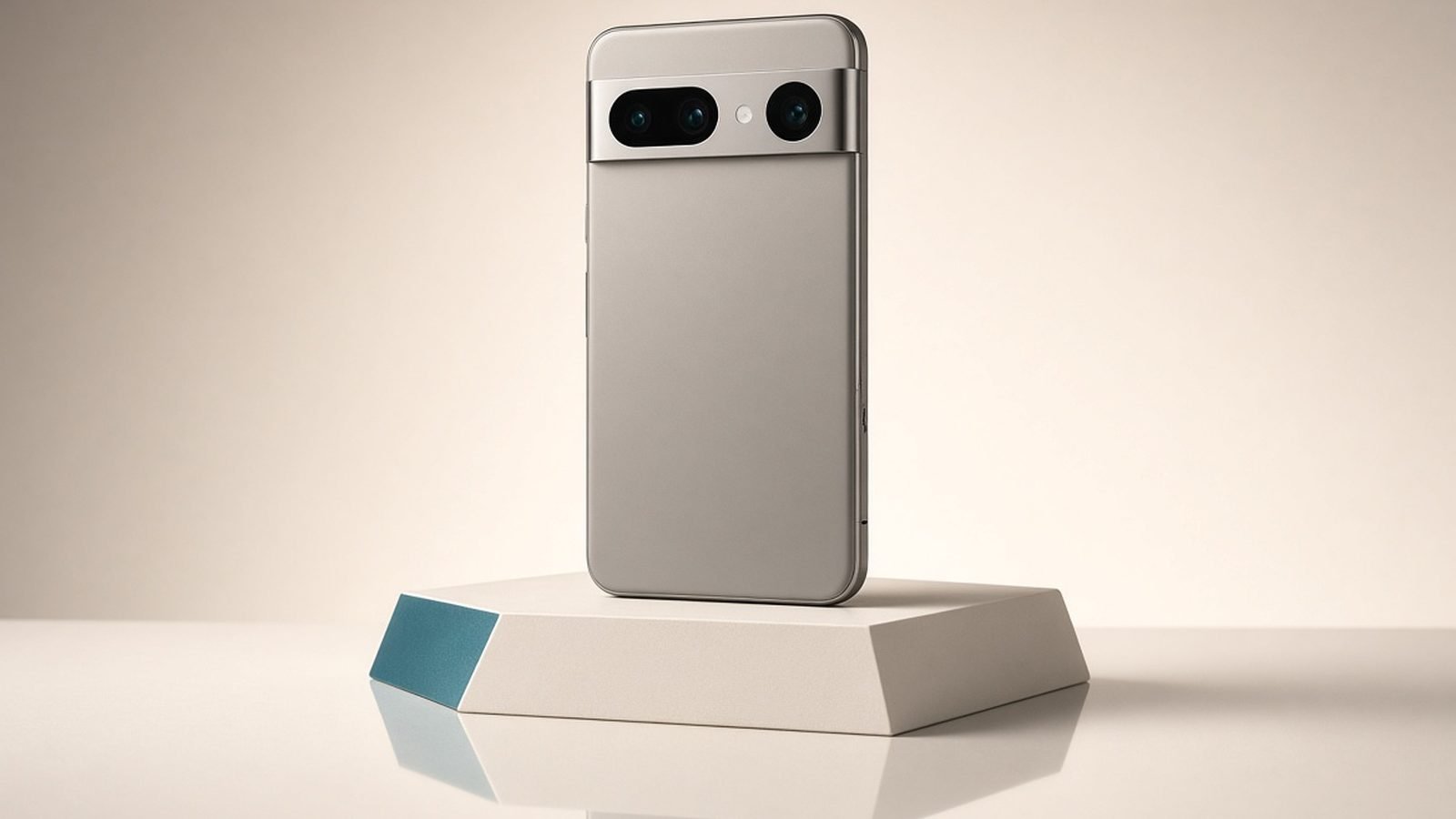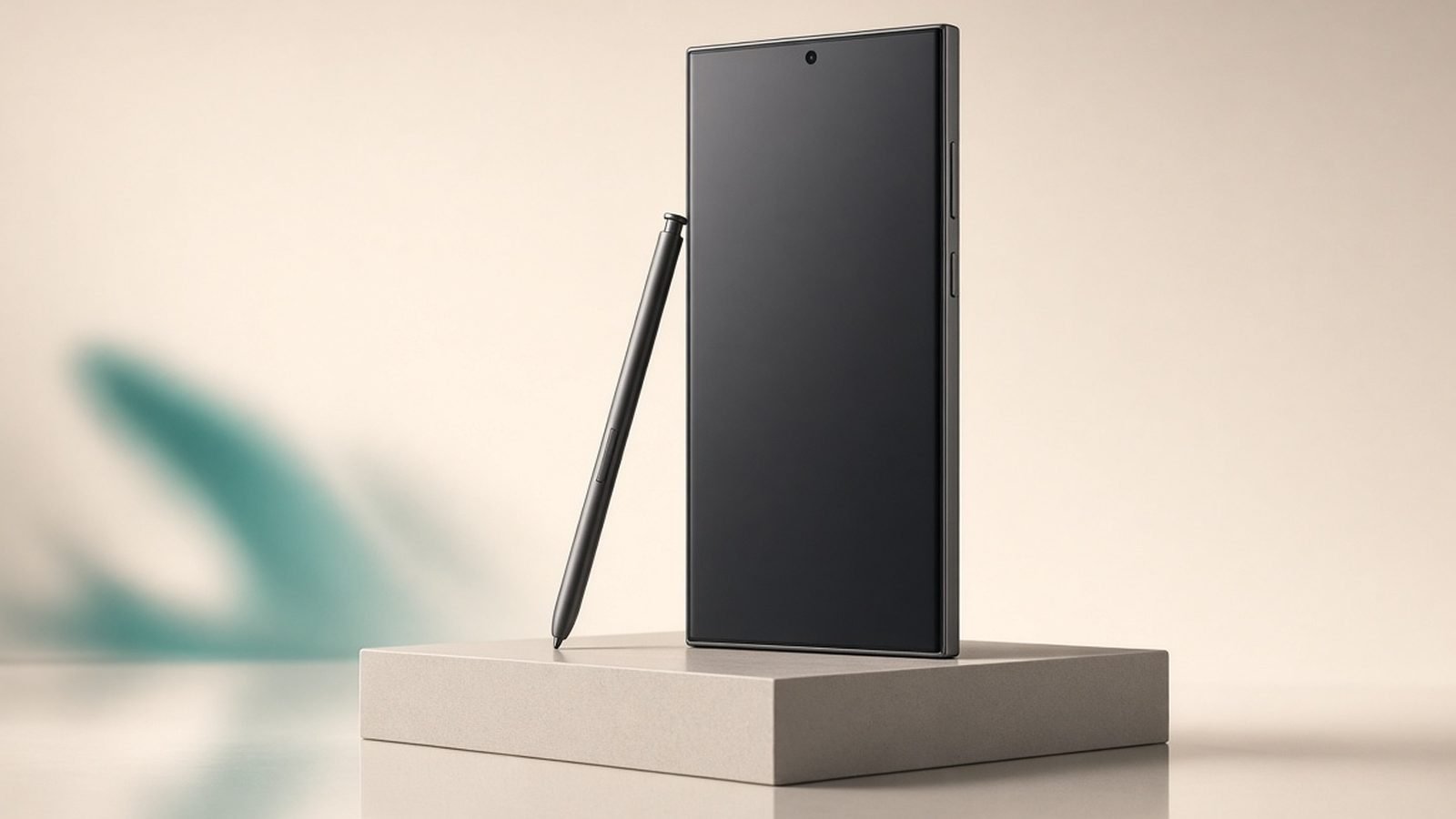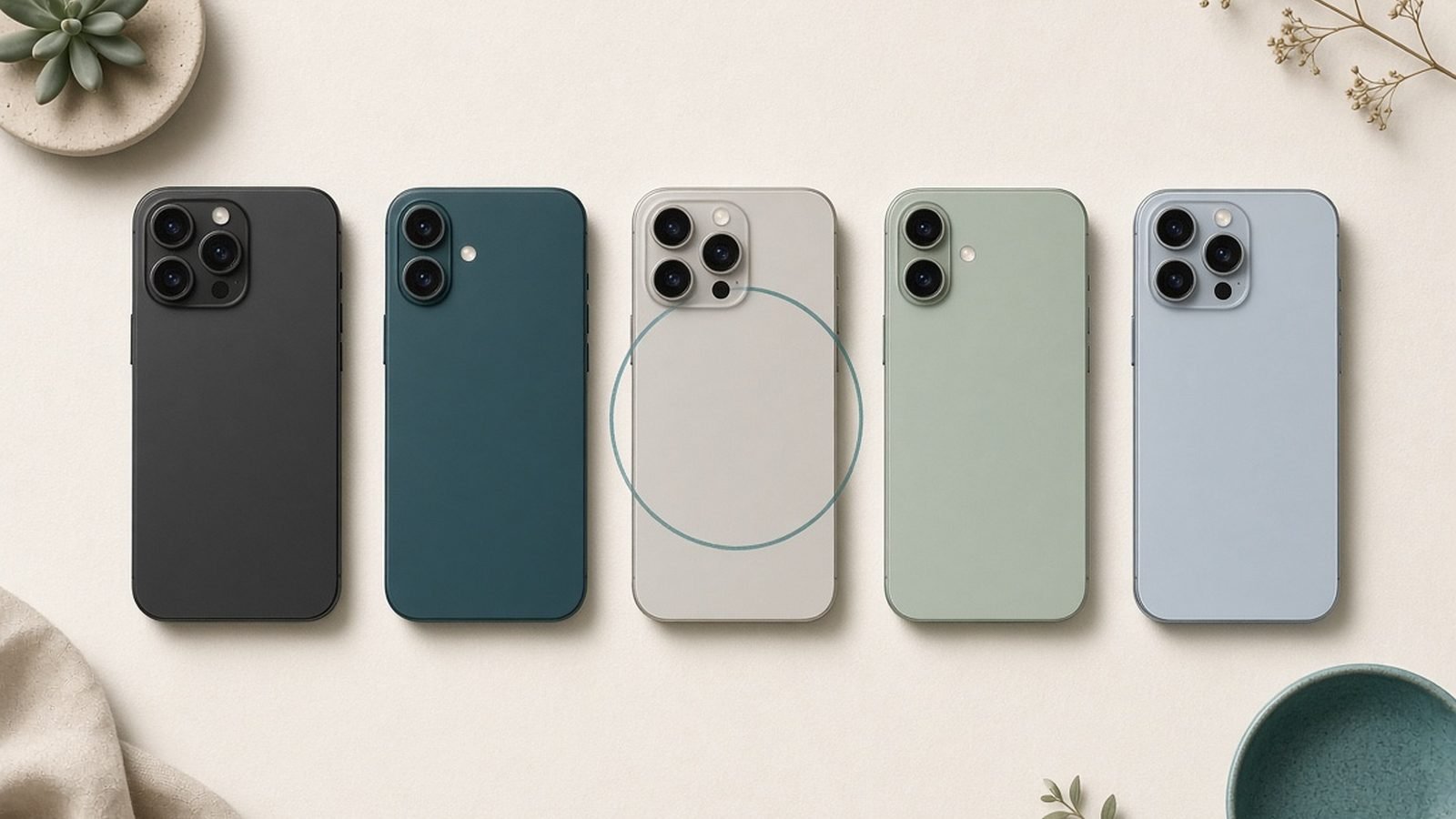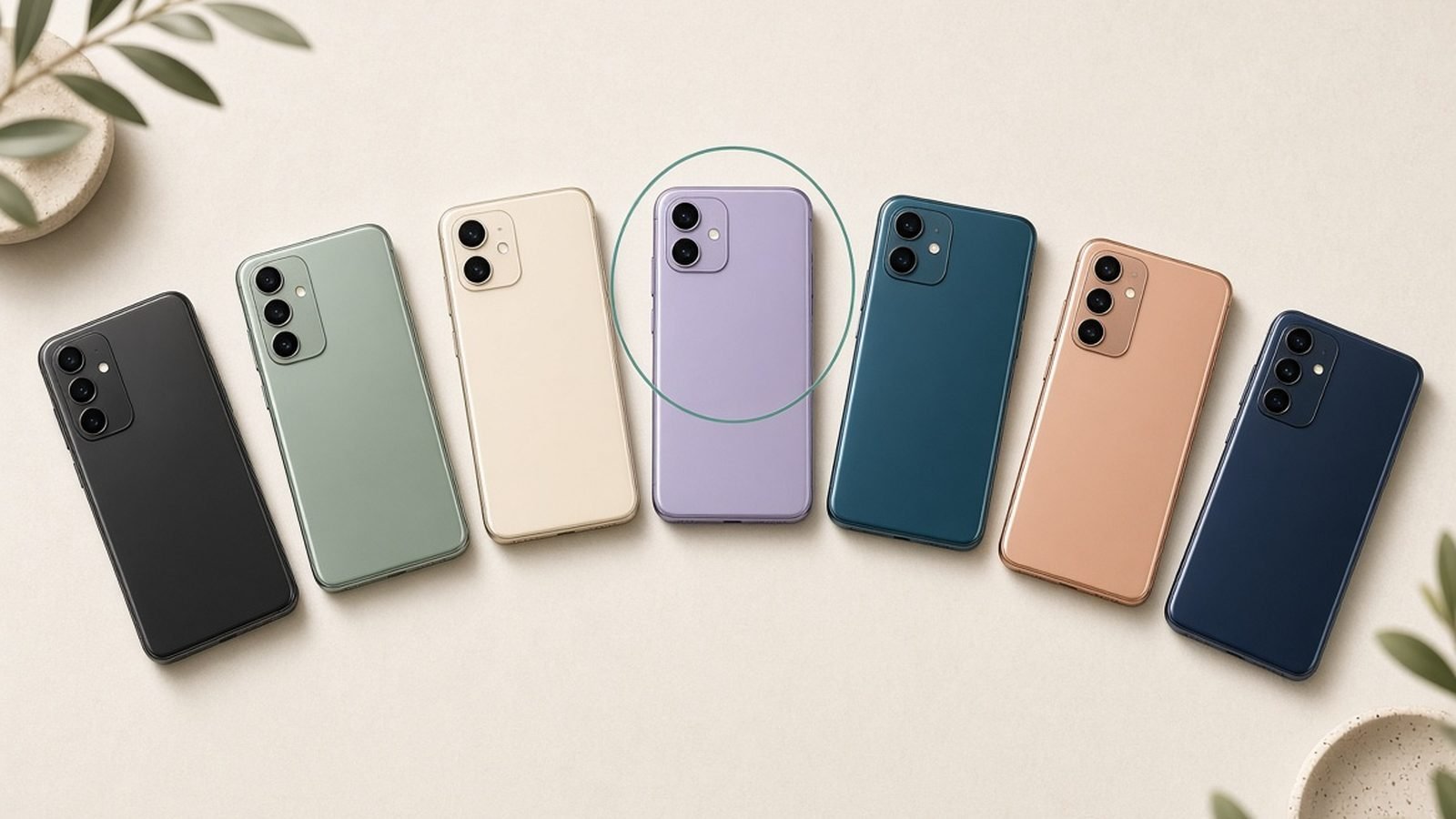
The best phone under $500 / £500 in 2026 is the Google Pixel 9a for most people — it delivers the best camera in the price range, the cleanest software with a long update promise, and flagship-grade AI features, all comfortably under budget. If photography and software matter most to you, stop reading and buy it. It’s the safest recommendation in this guide.
But “under 500” covers a lot of ground, and the right pick shifts with your priorities. Want the biggest battery, the fastest performance, or the most premium design for the money? Different phones win. Below we rank the standouts across those needs, based on published specs, chipset data and aggregated owner feedback. Every recommendation names who it’s for and where it compromises — because at this price, everything compromises somewhere.
Best phone under 500 at a glance
| Pick | Phone | Best for | Price (US / UK) |
|---|---|---|---|
| Best overall | Google Pixel 9a | Best camera + software under budget | around $499 / £499 |
| Best value all-rounder | Samsung Galaxy A56 | Long support, balanced everything | around $449 / £399 |
| Best design & software feel | Nothing Phone (3a) Pro | Distinctive design, clean software | around $459 / £449 |
| Best performance for money | Poco F8 Pro | Flagship chip, big battery | around $499 / £479 |
| Best battery on a budget | Redmi Note 15 Pro+ | Two-day battery, low price | around $349 / £329 |
| Best compact under 500 | Pixel 9a | Manageable size, great camera | around $499 / £499 |
If your budget is more flexible, it’s worth seeing what another $200–300 buys in our Best Smartphones 2026: Top Picks for Every Budget and Best Android Phones 2026: Flagship to Budget guides. If it’s tighter, our Best Budget Smartphones 2026: Under $400 / £400 roundup goes further down the price ladder.
How we picked
Under $500, no phone is great at everything — the game is choosing which strengths matter to you and which compromises you can live with. We weighted the things that age well: camera quality (the hardest thing to fake cheaply), software support length (so the phone stays safe for years), everyday performance, and battery life. We treated flashy spec-sheet numbers skeptically, because a high megapixel count or refresh rate means little if the processing or panel behind it is weak.
Our rankings draw on published specifications, chipset documentation, display data and hundreds of owner reviews across US and UK retailers, weighting long-term reliability and update track records. We have not lab-tested these phones ourselves; where we describe camera or performance behavior, it reflects that public evidence. Pricing is street pricing in both markets, and at this tier discounts are frequent — several picks regularly dip below their list price.
Best overall: Google Pixel 9a
Tensor-series chip · 6.3” 120Hz OLED · around $499 / £499
The Pixel 9a is the best cheap phone with good camera credentials by a clear margin, and that’s what makes it the overall winner. Google’s computational photography extracts flagship-quality results from affordable hardware — the point-and-shoot consistency, the low-light performance, and the editing tricks (Magic Editor, Best Take) are things rivals at this price simply can’t match. If you take a lot of photos and don’t want to think about settings, nothing under $500 does it better.
Beyond the camera, you get the cleanest Android experience, fast and reliable updates, and a long software support window that means this phone stays current and secure for years — genuinely rare at the price. The Tensor chip is efficient rather than blazing, but it handles everyday tasks smoothly and unlocks Google’s on-device AI features. The 6.3-inch size also makes it the best compact under 500, for people tired of oversized phones.
The compromises are honest. The Tensor chip runs warmer and benchmarks lower than the Snapdragon in the Poco, so it’s not the phone for heavy gaming, and charging is merely adequate. Battery life is solid all-day but not two-day. None of that undermines the core pitch: the best camera and software you can get for the money, in a sensible size.
Pros:
- Best camera in the price range by a clear margin
- Cleanest software with long, reliable update support
- Flagship AI features and a manageable compact size
- Efficient, dependable everyday performance
Cons:
- Not for heavy gaming; chip runs warm
- Only adequate charging speed
- All-day, not two-day, battery
Who it’s for: Most people — especially anyone who prioritizes camera quality, clean software and years of updates over raw speed.
Best value all-rounder: Samsung Galaxy A56
Exynos-series chip · 6.7” 120Hz AMOLED · around $449 / £399
The Galaxy A56 is the phone to buy if you want no glaring weaknesses and the reassurance of Samsung’s ecosystem and support. It does everything competently — a bright AMOLED display, a good main camera, solid all-day battery, and a premium-feeling build — and backs it with a long software update commitment that rivals the Pixel’s. It’s the best mid range phone 2026 for a buyer who values balance and longevity over any single standout feature.
Samsung’s scale is a real advantage here: wide availability, easy repairs, familiar One UI software, and frequent discounts that push it below its list price. For a first smartphone, a parent’s phone, or anyone who just wants a dependable device that will be supported for years, it’s an easy recommendation.
Where it trails the Pixel is the camera — good in daylight, less assured in low light — and performance is fine rather than fast. It won’t wow you at anything, but it also won’t frustrate you anywhere, and that consistency is exactly the point.
Pros:
- No real weaknesses; balanced across the board
- Long software support and easy availability/repairs
- Bright AMOLED display and premium build
- Frequently discounted below list price
Cons:
- Camera trails the Pixel, especially in low light
- Performance is adequate, not fast
- No single standout feature
Who it’s for: Buyers who want a dependable, well-supported all-rounder with no glaring flaws, and value Samsung’s ecosystem.
Best design & software feel: Nothing Phone (3a) Pro
Snapdragon mid-range chip · 6.7” 120Hz AMOLED · around $459 / £449
Nothing has carved out a niche by making mid-range phones that feel special, and the Phone (3a) Pro is the pick for someone who wants their sub-$500 phone to look and feel distinctive. The transparent design and Glyph LED interface on the back are genuine conversation-starters, and Nothing OS is clean, fast and refreshingly free of bloat — arguably the nicest software here after the Pixel’s.
It’s more than a style play. The AMOLED display is excellent, everyday performance is smooth, and the camera system is a real step up over Nothing’s cheaper models, delivering pleasing results in good light. For a buyer who finds most mid-rangers boring, this is the one with personality that doesn’t sacrifice the fundamentals.
The trade-offs: the camera, while good, still can’t match the Pixel 9a’s computational magic, especially at night; software support is decent but shorter than Samsung’s or Google’s; and the Glyph gimmick will feel essential to some and pointless to others. If clean software and standout design top your list, it’s a delight.
Pros:
- Genuinely distinctive design and Glyph interface
- Clean, fast, bloat-free Nothing OS
- Excellent AMOLED display and smooth performance
Cons:
- Camera trails the Pixel, especially at night
- Shorter software support than Google or Samsung
- Glyph feature is divisive
Who it’s for: Buyers who want a mid-range phone with personality and clean software, and rate design and feel highly.
Best performance for money: Poco F8 Pro
Snapdragon 8 Elite Gen 2 · 6.7” 120Hz AMOLED · ~6,000mAh · around $499 / £479
The Poco F8 Pro is the outlier that puts a genuine flagship chip — the Snapdragon 8 Elite Gen 2 — into a sub-$500 phone. If raw speed is what you want, nothing else here comes close: gaming, multitasking and heavy apps run at a level the Pixel and Galaxy simply can’t touch at this price. It also carries a large ~6,000mAh silicon-carbon battery and fast charging, so it’s a legitimate best android phone under 500 for performance and endurance both.
For a buyer who games seriously on a budget, or who just wants their phone to feel fast for years, this is the value play. You’re getting flagship-tier internals for mid-range money, which is a rare and genuinely compelling proposition.
The savings come from elsewhere. The cameras are good-not-great and clearly behind the Pixel’s; the software carries more pre-installed clutter than the premium brands and needs a cleanup out of the box; and long-term update support is shorter. If you value speed and battery over camera and software polish, it’s outstanding value — the mirror image of the Pixel’s strengths.
Pros:
- Flagship Snapdragon chip; fastest phone here by far
- Large silicon-carbon battery and fast charging
- Excellent AMOLED display
Cons:
- Cameras trail the Pixel and Galaxy
- Pre-installed software clutter
- Shorter update support
Who it’s for: Performance-focused and gaming buyers who want flagship speed and big battery life, and can live with an average camera.
Best battery on a budget: Redmi Note 15 Pro+
Dimensity 8000-series · 6.7” 120Hz AMOLED · ~6,500mAh · around $349 / £329
The cheapest pick here is also the endurance champion. The Redmi Note 15 Pro+ pairs a large ~6,500mAh silicon-carbon battery with an efficient mid-tier Dimensity chip to deliver genuine two-day battery life, and it does it for around $349 / £329 — well under budget, leaving money for a case and a couple of years of peace of mind. It’s the best value smartphone 2026 for anyone whose top priority is simply not charging every night.
It over-delivers elsewhere for the price too: a good AMOLED display, fast charging (often with a charger in the box), and a build that feels a cut above the sub-$350 norm. As a first phone or a no-fuss daily driver, it’s hard to beat on pure value.
The compromises are the expected ones at this price: cameras that are decent in daylight and weak at night, performance fine for everyday use but not heavy gaming, and shorter software support. If you want maximum battery and value and can accept those limits, it’s the smart buy — and a natural cross-shop with our wider Best Budget Smartphones 2026: Under $400 / £400 picks.
Pros:
- Genuine two-day battery life
- Well under budget; fast charging, often a charger included
- Good AMOLED display and build for the price
Cons:
- Weak low-light camera
- Not for heavy gaming
- Shorter software support
Who it’s for: Budget buyers who want the longest battery life for the least money and don’t need a top camera or heavy gaming.
How to choose a phone under 500
At this price, pick the two things you care about most and optimize for them:
- Camera vs. speed. This is the central trade-off under $500. The Pixel 9a wins cameras; the Poco F8 Pro wins performance. Very few phones do both well at this price, so decide which you’ll notice more day to day.
- Software support length. A phone you’ll keep three or four years needs a long update commitment for security. The Pixel and Galaxy A56 lead here; Poco and Redmi trail. This matters more than most spec-sheet numbers.
- Battery and charging. If endurance is the priority, the silicon-carbon phones (Redmi Note 15 Pro+, Poco F8 Pro) dramatically outlast the rest. The Pixel and Nothing are all-day, not two-day.
- Size and feel. The Pixel 9a is the compact option; the Nothing Phone (3a) Pro is the design statement. If the physical phone matters to you, these two stand out.
FAQ
What is the best phone under $500 in 2026?
The Google Pixel 9a is the best phone under 500 for most people, thanks to its class-leading camera, clean software and long update support. If you want flagship performance instead, the Poco F8 Pro is the fastest; for the longest battery, the Redmi Note 15 Pro+ is a genuine two-day phone for even less money.
Which under-$500 phone has the best camera?
The Google Pixel 9a, comfortably. Google’s computational photography delivers results that rival phones costing twice as much, especially in low light and for point-and-shoot consistency. The Samsung Galaxy A56 and Nothing Phone (3a) Pro are good in daylight but fall behind the Pixel when the light drops.
Is it worth spending more than $500 on a phone?
It depends on what you’ll use. Above $500 you mainly gain better telephoto cameras, faster chips, premium materials and sometimes longer support. But the Pixel 9a already delivers a flagship-class main camera and clean software, so many people won’t notice the difference. If you game heavily or want the best zoom, spending more pays off — see Best Smartphones 2026: Top Picks for Every Budget.
Which under-$500 phone lasts longest on a charge?
The Redmi Note 15 Pro+, with its large silicon-carbon battery, delivers genuine two-day life for most users. The Poco F8 Pro is close behind and adds flagship performance. The Pixel 9a and Nothing Phone (3a) Pro are dependable all-day phones but won’t reach a second day under normal use.
Are cheaper phones supported with updates for long enough?
The best ones now are. Google’s Pixel 9a and Samsung’s Galaxy A56 both promise years of OS and security updates, which keeps them safe and current well beyond most people’s upgrade cycle. Poco and Redmi phones offer shorter commitments, so if long-term support matters, lean toward the Pixel or Galaxy.
Should I buy a slightly older flagship instead?
Sometimes. A one-generation-old flagship can drop under $500 and offer a better camera or chip than a current mid-ranger. The risk is a shorter remaining software-support window and an older battery. If you find a recent ex-flagship with two-plus years of updates left, it’s worth comparing against these picks; otherwise a current mid-ranger is the safer buy.
Verdict: which phone under 500 should you buy?
For most people, the Google Pixel 9a at around $499 / £499 is the best phone under 500 — the best camera, the cleanest software, and years of updates, in a compact body. It’s the default recommendation and the one you won’t regret.
Choose differently only if a specific need pulls you: the Poco F8 Pro for flagship speed and big battery, the Redmi Note 15 Pro+ for the longest battery at the lowest price, the Samsung Galaxy A56 for a no-weakness all-rounder with long support, or the Nothing Phone (3a) Pro for design and clean software with personality. Whatever you pick, buy from the official storefront and you’ve got a phone that will serve you well for years. For pricier options, see Best Android Phones 2026: Flagship to Budget.
Zen Tech Hub may earn a commission from links on this page, at no extra cost to you.