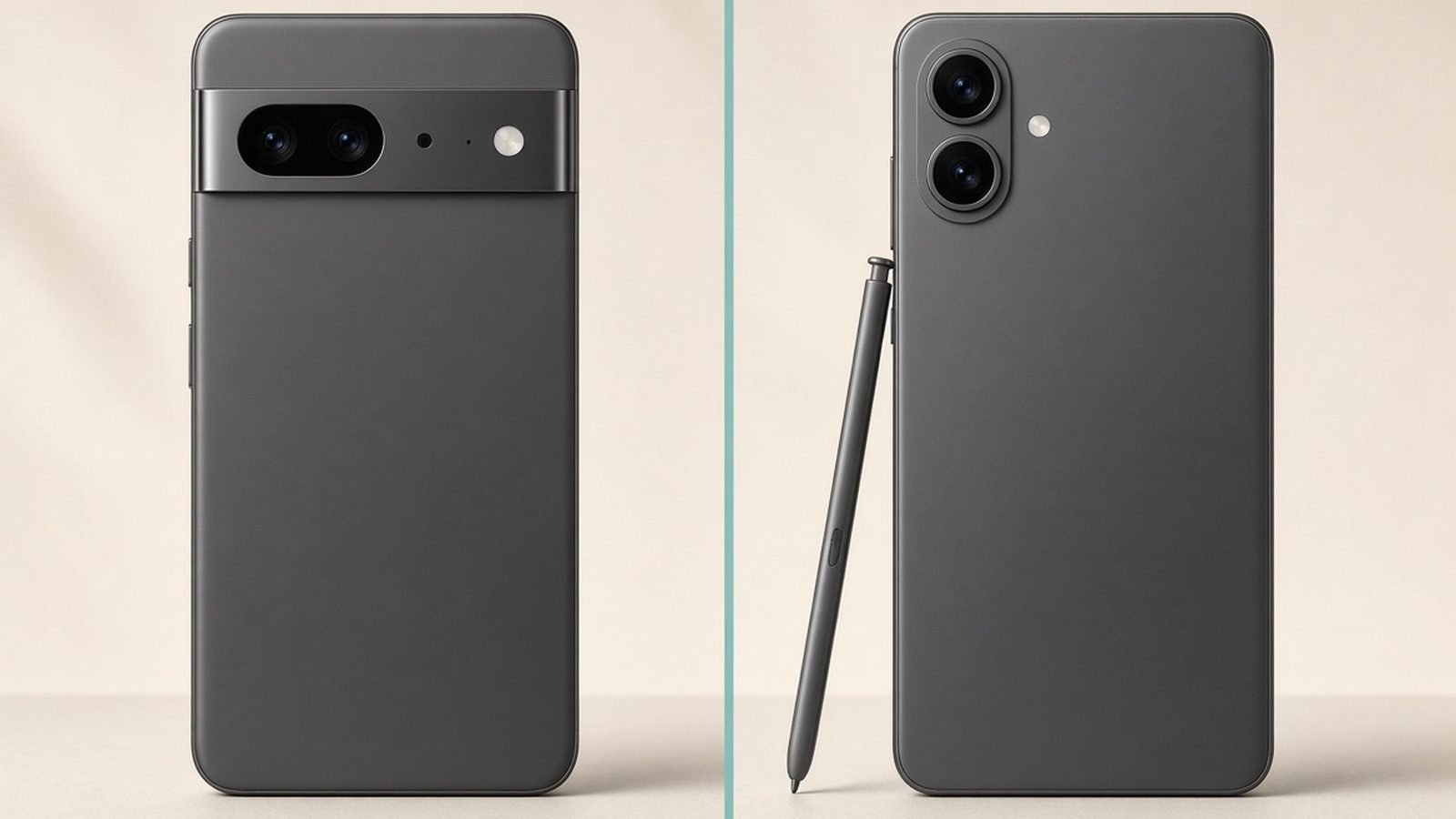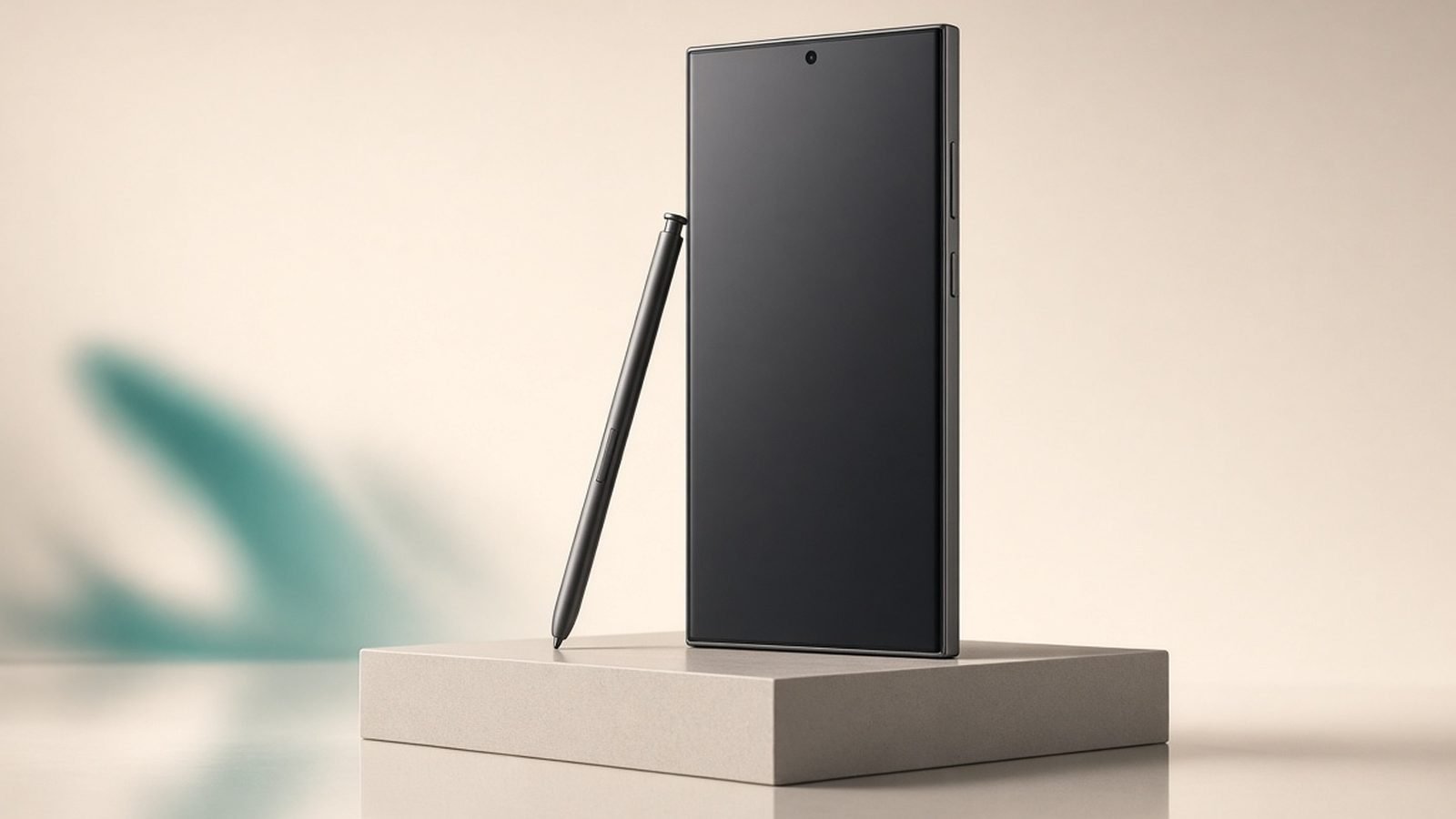
If you want the most capable, do-everything Android phone in 2026 — big screen, built-in stylus, and a camera that reaches further than anything else — the Samsung Galaxy S26 Ultra is the flagship to beat. This Samsung Galaxy S26 Ultra review covers the phone that remains the default “kitchen-sink” pick for people who refuse to compromise.
The short verdict: the Galaxy S26 Ultra is the best all-round Android flagship at around $1,299 / £1,249, combining a 6.9-inch display, the S Pen, a 200MP main camera, class-leading zoom and seven years of updates. It is big, heavy and expensive, and its year-on-year gains over the S25 Ultra are more evolution than revolution — so it earns a strong buy with clear caveats.
Update, 3 October 2026: Samsung raised the Ultra’s US price by $100 on 1 October 2026. Samsung.com listed it at $1,399.99 (256GB), $1,599.99 (512GB) and $1,999.99 (1TB) on 3 October, and Samsung’s UK store at £1,359, £1,529 and £1,859 the same day; the around $1,299 / £1,249 figures below date from a July check. Our report on the Galaxy S26 price rises has the full ladder and what did not change.
Who should buy it: power users, note-takers and mobile photographers who want maximum reach and zero missing features. Who shouldn’t: anyone who prefers a compact phone, or S25 Ultra owners who won’t feel the incremental upgrade.
Around $1,299 / £1,249 · 6.9-inch 120Hz QHD+ OLED · Snapdragon 8 Elite-class chip · 200MP main + 5x periscope + 3x telephoto · built-in S Pen · 5,000mAh-class battery
Check price: Samsung Galaxy S26 Ultra
Galaxy S26 Ultra at a glance
| Detail | |
|---|---|
| Display | 6.9-inch LTPO AMOLED, 120Hz, QHD+, ~2,600 nits peak |
| Chip | Snapdragon 8 Elite-class (for Galaxy) |
| Rear cameras | 200MP main, 50MP ultrawide, 50MP 5x periscope, 10MP 3x telephoto |
| Stylus | Built-in S Pen |
| Battery | ~5,000mAh, 45W wired, 15W+ wireless |
| Build | Titanium frame, Gorilla Glass Armor, IP68 |
| Software | One UI on Android 16, 7 years of updates |
| Price | around $1,299 / £1,249 |
Pros
- The only mainstream flagship with a built-in S Pen
- Class-leading zoom flexibility (3x and 5x optical, strong digital reach)
- Bright, huge, gorgeous QHD+ display
- Excellent battery life and seven years of updates
- Galaxy AI features are genuinely useful, not gimmicks
Cons
- Large and heavy — not a one-hand phone
- Expensive, and often undercut on value by rivals
- Modest upgrade over the S25 Ultra
- 45W charging is slower than Chinese-brand rivals
- One UI still ships with some duplicate apps and bloat
Design and build
The S26 Ultra keeps the boxy, flat-sided silhouette Samsung settled on, wrapped in a titanium frame with Gorilla Glass Armor front and back. It’s a serious slab of a phone — 6.9 inches of screen means real presence in the pocket and a genuine two-hand device for most people. Build quality is impeccable: tight tolerances, IP68 water resistance, and an anti-reflective display coating that makes it one of the easiest phones to read in bright sun.
The defining feature remains the S Pen, docked inside the body. For note-takers, sketchers, PDF-markers and anyone who signs documents on the go, it’s a feature no other flagship offers, and it’s the single biggest reason loyal Ultra buyers stay. If you never used the stylus on a previous Ultra, be honest with yourself — you’re paying a size and price premium partly for it.
Colors are typically understated, the corners are gently softer than earlier models for comfort, and the whole package feels like the premium object its price demands. This is big-phone design executed about as well as it gets.
Performance and Galaxy AI
The Snapdragon 8 Elite-class chip (in Samsung’s “for Galaxy” tuning) puts the S26 Ultra at the top of the Android performance charts. Based on published specs and aggregated benchmarks, it handles everything — demanding games at high settings, multi-app multitasking, on-device AI — without meaningful slowdown, and thermals are well managed for sustained sessions thanks to a large vapor chamber. That headroom earns it the all-rounder slot in our best gaming phones guide.
Galaxy AI is the software story. On-device and cloud features cover live translation on calls, generative photo editing, note summarization, and writing assistance, and Samsung has leaned into deeper integration each year. In practice these tools are more useful than the industry average — the translation and editing features in particular earn their place — though Google’s Pixel line still sets the pace on the cleverest AI photography. If AI is your deciding factor, weigh our Google Pixel 10 Pro Review 2026: Smartest Camera Phone alongside this.
For raw Android power plus the widest feature set, though, nothing else covers as many bases at once.
Cameras
The S26 Ultra’s camera system is built around reach. The 200MP main sensor produces detailed, punchy stills (Samsung’s processing still leans a touch saturated, which many buyers like), while the dual telephoto setup — a 3x and a 5x periscope — gives you real optical framing at multiple distances plus strong digital zoom beyond. For concerts, wildlife, sports and travel, no other mainstream phone matches this zoom flexibility. See how it stacks up against Pixel and iPhone in our best camera phones roundup.
The 50MP ultrawide is sharp and consistent, and video has improved to the point where it’s genuinely competitive with the iPhone, if still a step behind on stabilization and audio. Low-light performance is strong across all lenses, helped by the larger sensors and Galaxy AI’s computational cleanup.
The honest trade-offs: Samsung’s default color science is more processed than Apple’s or Google’s, so images can look a little “enhanced” straight out of the camera. And while the zoom range is unmatched, a Pixel 10 Pro often produces more natural-looking results in mixed light. Choose the Ultra if reach and flexibility are your priorities.
Battery and software
Battery life is a strength. The roughly 5,000mAh cell paired with the efficient chip and LTPO display comfortably delivers all-day endurance, and heavy users will still reach the evening. The weak spot is charging speed: 45W wired is fine but noticeably slower than the sub-30-minute refills rivals manage — our OnePlus 15 Review 2026: Flagship Speed for Less has the details. Any charger from our Best GaN Chargers 2026: 30W to 160W Compared & Ranked roundup will hit its peak.
One UI on Android 16 is mature, feature-rich and deeply customizable, and Samsung’s seven-year update commitment matches Apple for longevity. The only persistent gripe is bloat — a few duplicate Samsung and Google apps ship pre-installed — but it’s easily tidied.
Value and alternatives
At around $1,299 / £1,249 the S26 Ultra is one of the priciest phones on sale, and the S Pen and zoom hardware are a big part of what you’re paying for. If you’ll use them, the value proposition is strong; if you won’t, you’re overspending on features you’ll ignore.
From an S25 Ultra, the upgrade is incremental — hold onto your phone. From an S23 Ultra or older, it’s a worthwhile leap. Cross-shopping? The iPhone 17 Pro Review 2026: Apple's Best Yet? is the obvious iOS rival, and our iPhone 17 Pro vs Galaxy S26 Ultra 2026: Which Wins? comparison settles that debate. For cheaper Android flagships that still hit hard, see our Best Android Phones 2026: Flagship to Budget and the broader Best Smartphones 2026: Top Picks for Every Budget guide.
Verdict
The Samsung Galaxy S26 Ultra is the most capable Android phone you can buy in 2026. Nothing else combines a built-in stylus, this much zoom, a display this good, seven years of support and genuinely useful AI in one device. The costs are equally clear: it’s large, heavy, expensive, and only a modest step up from last year’s model.
If you want the do-everything Android flagship and you’ll actually use the S Pen and the zoom, this is the phone. If you value compactness or value-for-money above all, look elsewhere. Highly recommended for power users — Android’s best.
FAQ
Is the Galaxy S26 Ultra worth upgrading from the S25 Ultra?
For most S25 Ultra owners, no. The improvements — a faster chip, refined cameras and incremental Galaxy AI additions — are real but evolutionary, and the S25 Ultra remains an excellent phone. Upgrading from an S23 Ultra or older is far more compelling, where you’ll feel meaningful gains in performance, display brightness, camera reach and battery life.
How good is the Galaxy S26 Ultra’s zoom?
It’s the best zoom flexibility on any mainstream phone. A dedicated 3x telephoto and a 5x periscope give you two optical reference points, and strong digital processing extends usable framing well beyond that. For concerts, wildlife, sports and travel, nothing else in the mainstream matches it. Results are cleanest at the native optical distances; very long digital zoom softens, as it does on every phone.
Does the Galaxy S26 Ultra still have an S Pen?
Yes. The S Pen remains docked inside the phone’s body, and it’s the single feature that keeps loyal Ultra buyers on the line. It’s excellent for note-taking, sketching, marking up PDFs and signing documents. If you won’t use a stylus, though, be aware you’re paying a size and price premium partly for a feature you’ll leave in its slot.
How is the Galaxy S26 Ultra’s battery life and charging?
Battery life is a genuine strength — the roughly 5,000mAh cell delivers reliable all-day endurance for most users, with heavy users still reaching the evening. Charging is the weaker point: 45W wired is respectable but noticeably slower than the sub-30-minute full charges offered by some rivals. A quality USB-C PD charger is needed to hit peak speed.
Galaxy S26 Ultra vs iPhone 17 Pro — which is better?
It depends on your ecosystem and priorities. The S26 Ultra wins on screen size, zoom range, the S Pen and customization; the iPhone 17 Pro wins on video, all-round camera consistency and app optimization. Both offer seven years of updates. Our full iPhone 17 Pro vs Galaxy S26 Ultra 2026: Which Wins? comparison breaks the decision down category by category.
Is One UI still full of bloatware?
Less than it used to be, but some remains. The S26 Ultra ships with a handful of duplicate Samsung and Google apps for browsing, messaging and payments. It’s easily disabled or uninstalled, and the core One UI experience on Android 16 is polished, deeply customizable and feature-rich, so bloat is a minor annoyance rather than a real problem.
Zen Tech Hub may earn a commission from links on this page, at no extra cost to you.