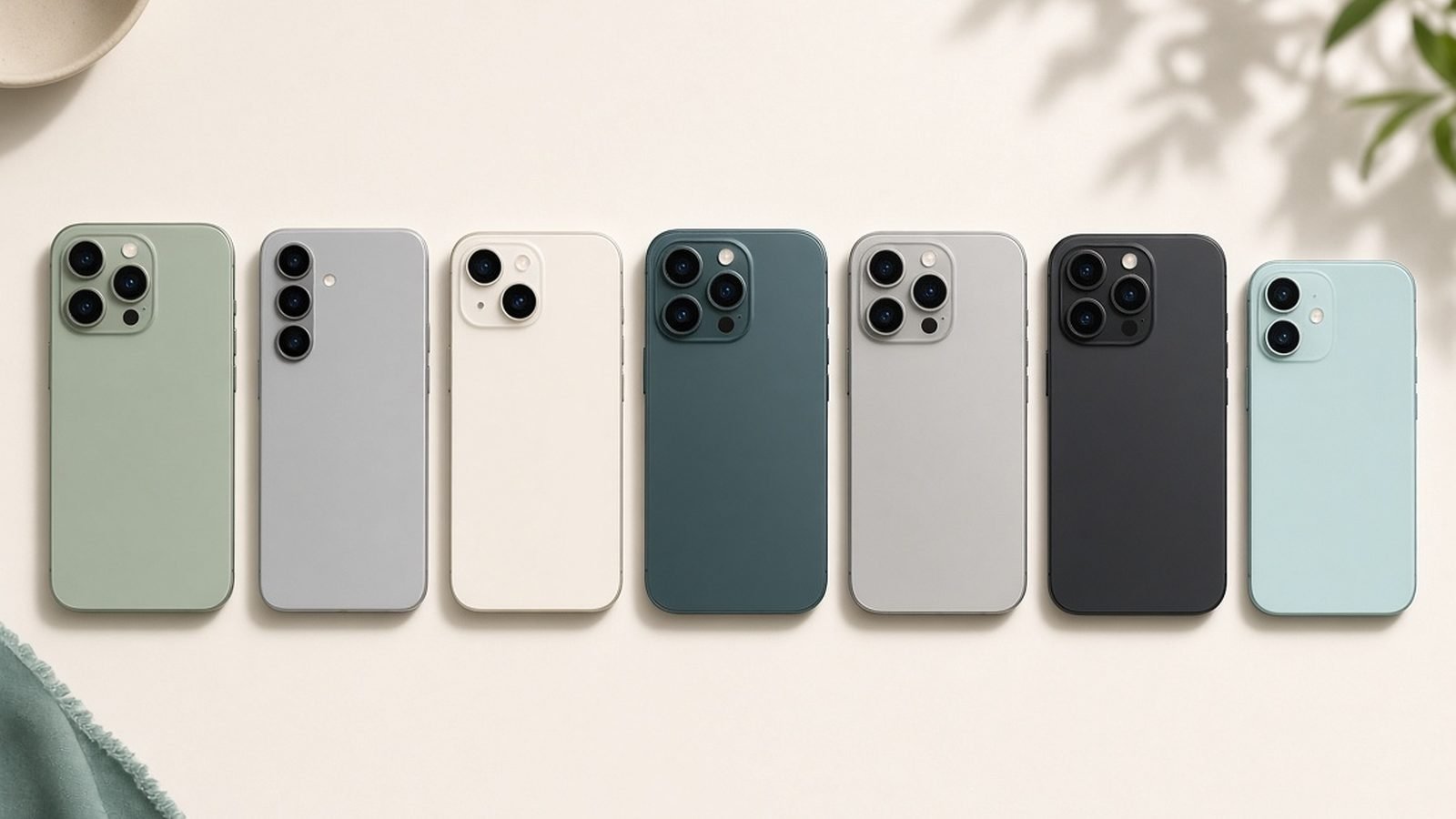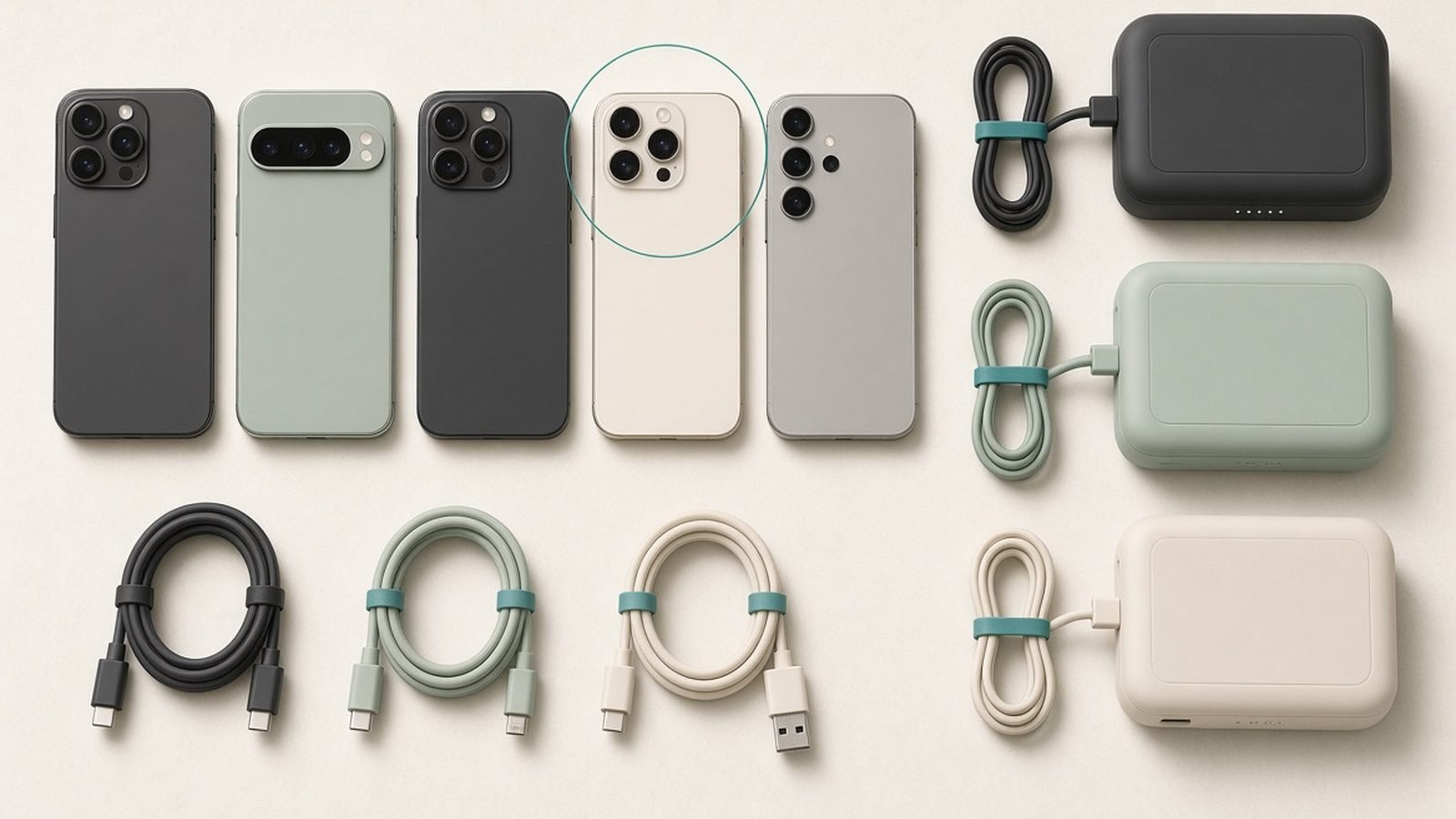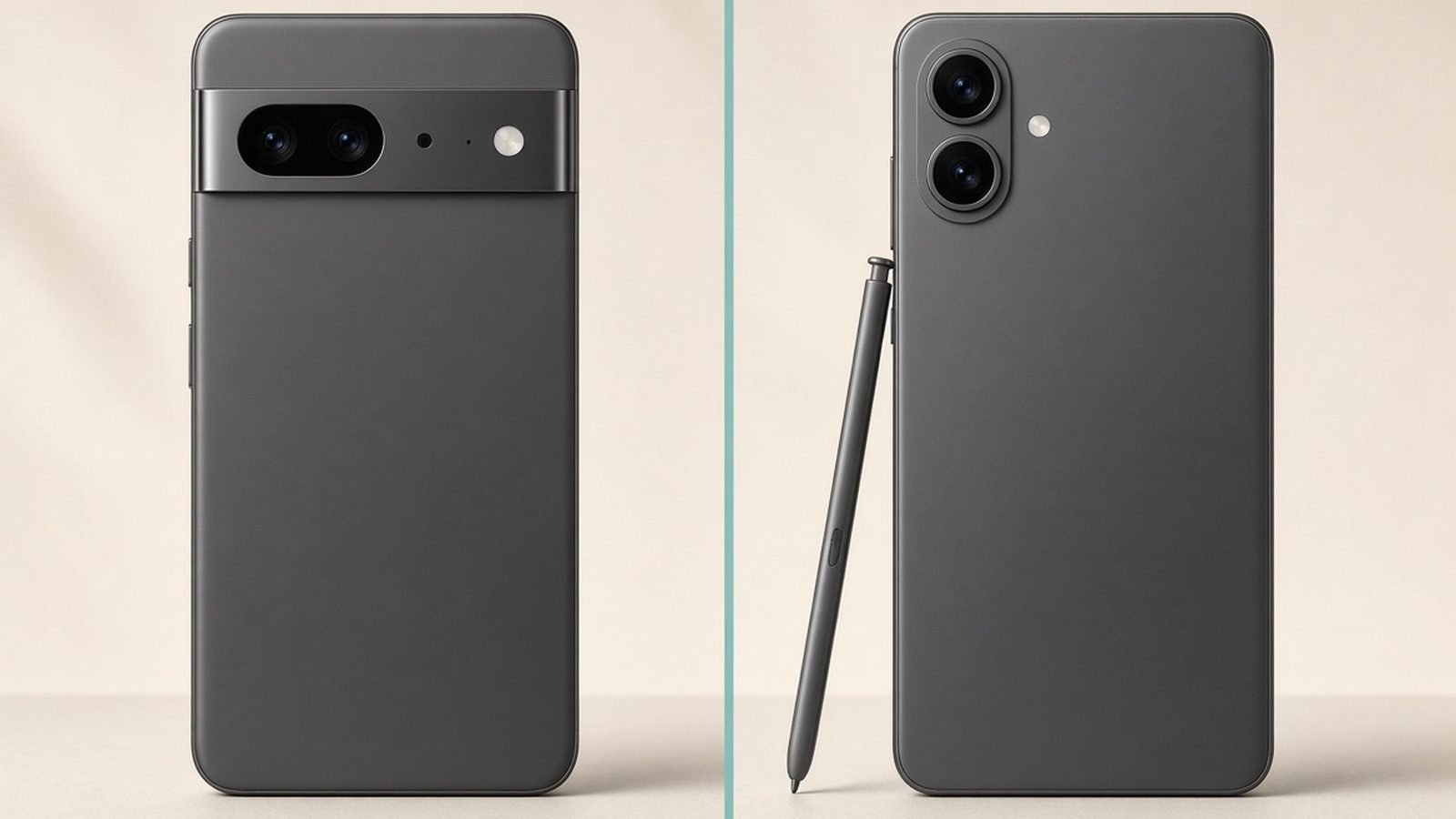
Choosing the best Android flagship of 2026 comes down to two phones, and here’s the short answer: buy the Google Pixel 10 Pro for the cleanest software, the smartest AI and the best value; buy the Samsung Galaxy S26 Ultra for the bigger screen, the longer zoom, the S Pen and raw hardware muscle. Both run Android superbly — the difference is philosophy.
The Pixel 10 Pro is the thoughtful, software-led phone: Google’s Tensor G5 chip exists mainly to power on-device Gemini AI, computational photography and a clean, fast version of Android. The S26 Ultra is the maximalist hardware flagship: a huge display, a 200MP camera, a periscope zoom and a built-in stylus, wrapped in Samsung’s feature-dense One UI. This guide shows exactly where each pulls ahead so you can pick the right one.
Pixel 10 Pro vs Galaxy S26 Ultra at a glance
| Factor | Pixel 10 Pro | Galaxy S26 Ultra | Winner |
|---|---|---|---|
| Display | ~6.3” OLED, 120Hz | ~6.9” OLED, 120Hz LTPO | S26 Ultra (size) |
| Chip | Tensor G5 | Snapdragon 8 Elite Gen 5 (for Galaxy) | S26 Ultra (raw speed) |
| Main camera | 50MP | 200MP | Split |
| Telephoto | 5x periscope | 5x periscope + short tele | S26 Ultra |
| AI features | Gemini, deep integration | Galaxy AI (Gemini-powered) | Pixel |
| Stylus | None | Built-in S Pen | S26 Ultra |
| Battery life | All-day | All-day, larger cell | Tie |
| Software | Clean Android, 7 years | One UI, 7 years | Split |
| Starting price | around $999 / £999 | around $1,299 / £1,249 | Pixel (value) |
- Buy the Pixel 10 Pro if: you want the cleanest Android, the best AI, top-tier point-and-shoot photos and the lower price.
- Buy the S26 Ultra if: you want the biggest screen, the longest zoom, a stylus and the fastest raw performance.
- Both are excellent Android phones with seven-year update commitments.
For the full field, our Best Smartphones 2026: Top Picks for Every Budget guide ranks these against every 2026 flagship, and our Google Pixel 10 Pro Review 2026: Smartest Camera Phone and Samsung Galaxy S26 Ultra Review 2026: Android's Best go deep on each.
Design and size
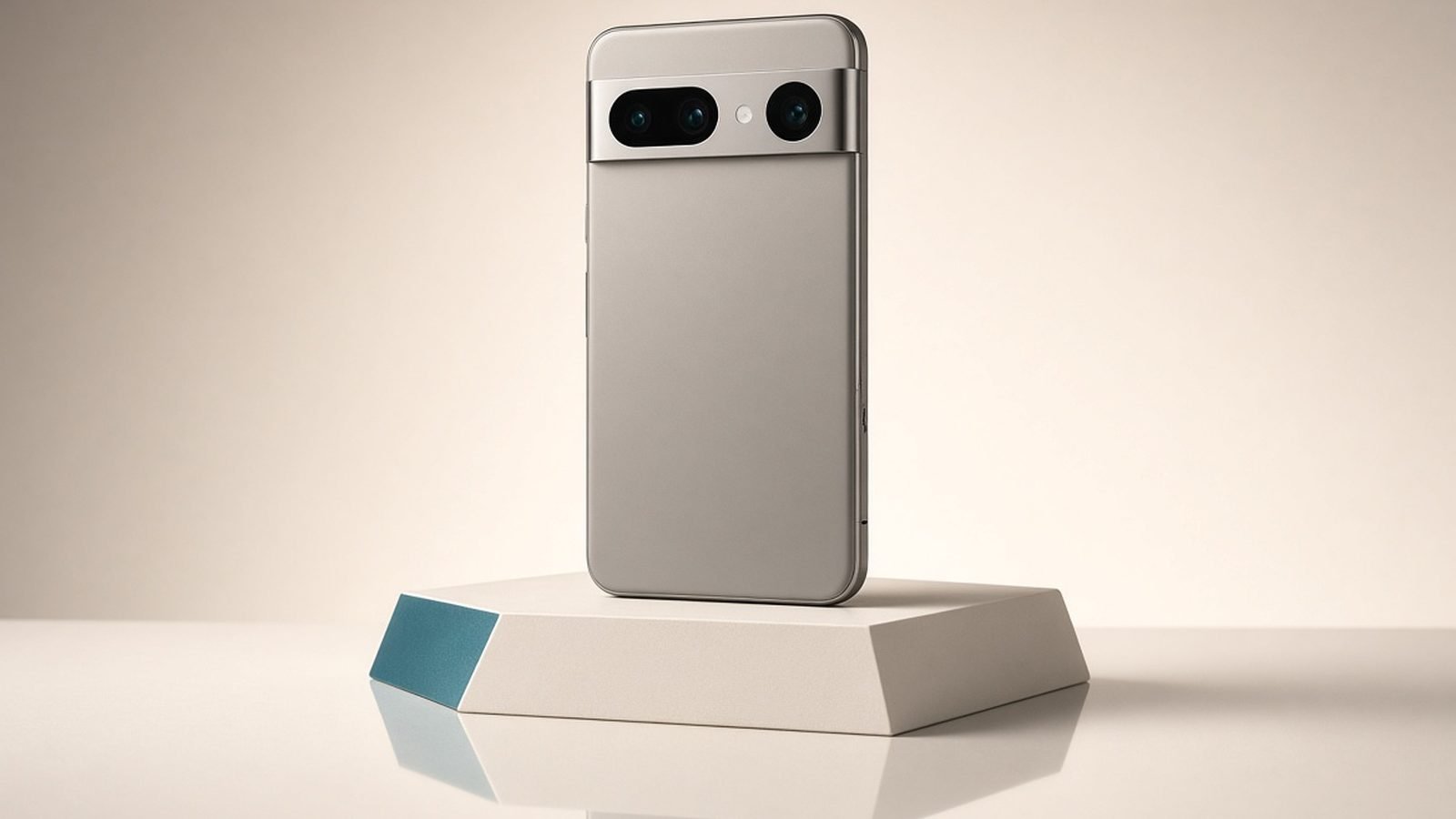
The Pixel 10 Pro is the more compact, comfortable phone at around 6.3 inches, with Google’s distinctive camera bar, polished frame and IP68 rating. It’s easy to use one-handed and feels understated rather than showy. If you want a smaller flagship, note there’s also a larger Pro XL variant if you prefer more screen without switching brands.
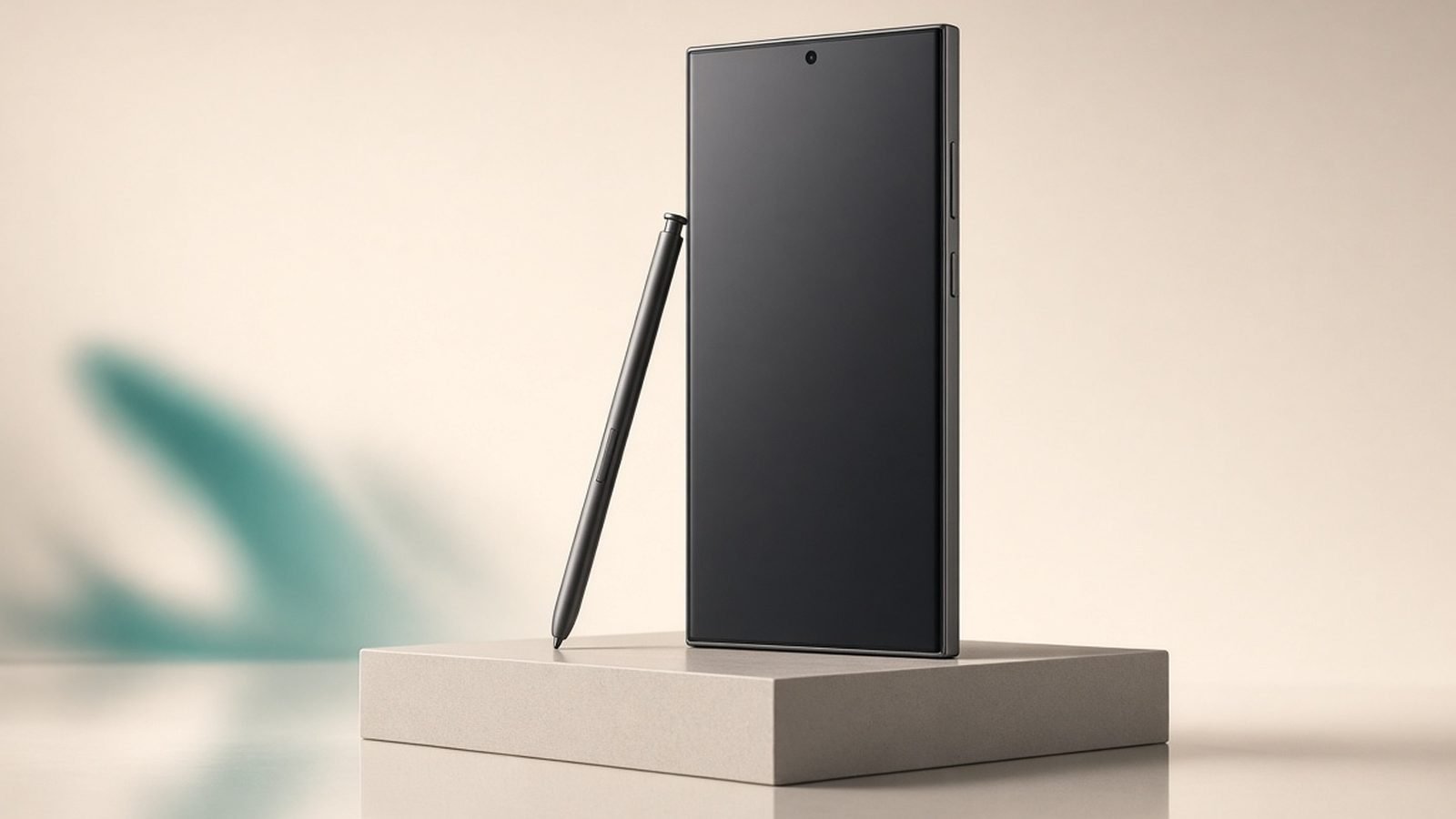
The S26 Ultra is the bigger, blockier phone at roughly 6.9 inches, with squared corners, a built-in S Pen and premium toughened glass. It’s heavier and demands two hands, but that footprint buys screen space and the stylus. Both are beautifully built with IP68 water resistance; the choice is size and whether you want a pen.
Verdict: Pixel 10 Pro for compact comfort, S26 Ultra for screen size and the S Pen.
Display
The S26 Ultra has the larger, brighter panel — a ~6.9-inch LTPO OLED that gets extremely bright outdoors and drops to low refresh rates to save power. For gaming, multitasking and media, the extra size is a genuine advantage, and Samsung’s display engineering remains the industry benchmark.
The Pixel 10 Pro’s ~6.3-inch OLED is smaller but excellent — bright, colour-accurate and smooth at 120Hz. It’s the better pick if you want a phone that fits your hand and pocket without compromise. Both are top-quality screens; the difference is scale, not quality.
Verdict: S26 Ultra for size and peak brightness, Pixel for a more manageable display.
Cameras
This is the closest and most interesting category. The Pixel 10 Pro leads on computational photography and consistency. Google’s image processing is still the gold standard for point-and-shoot reliability — you pull the phone out, tap the shutter, and the shot is almost always excellent, with natural colour, superb dynamic range and best-in-class portrait and Night Sight modes. Its 5x periscope is strong, and AI features like Magic Editor and Best Take are the most polished in the category.
The S26 Ultra leads on hardware reach and flexibility. Its 200MP main sensor resolves more detail and enables cleaner in-sensor cropping, and its dual telephoto setup reaches further at extreme zoom. For wildlife, sports and long-range shots, the Ultra pulls ahead. Samsung’s colour is punchier and more saturated, which many people love; Google’s is more true-to-life.
Based on published specs and aggregated user reports: the Pixel wins for everyday photos and reliability, the Ultra wins for zoom range and detail. Both shoot excellent video, though neither quite matches Apple’s video pipeline.
Verdict: Pixel 10 Pro for consistency and AI editing, S26 Ultra for zoom and detail.
Performance and AI
Here the phones diverge sharply. Qualcomm’s Snapdragon 8 Elite Gen 5 (for Galaxy) in the S26 Ultra is the faster raw chip — it wins benchmarks, drives heavy games harder and sustains performance well thanks to the Ultra’s large chassis. If you want the fastest Android phone for gaming and demanding apps, the Ultra is it.
Google’s Tensor G5 in the Pixel 10 Pro isn’t built to top benchmarks — it’s built to run on-device AI. Day-to-day the Pixel feels fast and fluid, but its real edge is Gemini integration: live call assistance, on-device summarisation, generative photo tools and the most natural voice interactions on any phone. Samsung’s Galaxy AI is also strong (and partly Gemini-powered), but Google’s implementation is deeper and more cohesive.
Verdict: S26 Ultra for raw speed and gaming, Pixel 10 Pro for smarter, more integrated AI.
Battery and charging
Both phones comfortably last a full day. The S26 Ultra carries a larger battery and charges faster over a cable, so heavy users get slightly more headroom and quicker top-ups. The Pixel 10 Pro is efficient and also all-day for most people, with solid wireless charging support.
Neither phone charges as fast as some Chinese flagships, but both are more than adequate for overnight-and-go use. If fast wired charging and maximum endurance matter, the Ultra has a small edge.
Verdict: S26 Ultra for larger battery and faster charging; Pixel is efficient and dependable.
Software experience
This is a real preference split. Pixel’s Android is clean, fast and closest to Google’s vision — minimal bloat, instant feature updates and the smoothest, least cluttered experience on Android. Feature Drops add new capabilities throughout the phone’s life, and the whole system feels coherent.
Samsung’s One UI is far more feature-dense and customisable, with superior multitasking, more flexible defaults, DeX desktop mode and deep S Pen integration. It’s the better platform for power users who want to tinker; it’s also busier and takes more setup to tame. Both commit to around seven years of updates.
For a broader platform view, our iPhone vs Android 2026: Which Should You Choose? explainer covers how Android compares to iOS overall.
Verdict: Pixel for clean simplicity and fast updates, S26 Ultra for power-user features.
Price and value
The Pixel 10 Pro starts around $999 / £999, undercutting the S26 Ultra’s roughly $1,299 / £1,249 by a meaningful margin. That gap is the Pixel’s biggest advantage: you get flagship cameras, the best AI and clean software for hundreds less. Samsung counters with aggressive trade-in and carrier deals that can narrow the difference, plus more storage headroom at the top end.
For most buyers, the Pixel is the clear value winner. The Ultra justifies its premium only if you’ll genuinely use the bigger screen, the longer zoom or the S Pen.
Verdict: Pixel 10 Pro for value; the S26 Ultra earns its premium only through its extras.
Which should you buy?
Both are outstanding Android flagships, but the choice is clear once you know your priorities.
Buy the Pixel 10 Pro if you want the cleanest software, the smartest AI, brilliantly reliable point-and-shoot photography and the best price. It’s the right pick for people who value simplicity, photography that just works, and getting flagship quality without paying flagship-maximum money.
Buy the Samsung Galaxy S26 Ultra if you want the biggest, brightest screen, the longest camera zoom, a built-in S Pen and the fastest raw performance for gaming and heavy multitasking. It’s the right pick for power users, mobile photographers who love reach, and anyone who wants the most feature-packed Android phone made.
Considering iOS too? Our iPhone 17 Pro vs Galaxy S26 Ultra 2026: Which Wins? comparison and the iPhone 17 Pro Review 2026: Apple's Best Yet? cover Apple’s flagship in detail.
FAQ
Is the Pixel 10 Pro or Galaxy S26 Ultra the better Android phone?
Both are excellent; it depends on priorities. The Pixel 10 Pro wins on clean software, AI features and value, with the most reliable point-and-shoot cameras. The S26 Ultra wins on screen size, zoom range, raw performance and the S Pen. Choose the Pixel for simplicity and price, the Ultra for maximum hardware and versatility.
Which has the better camera, Pixel 10 Pro or S26 Ultra?
They lead in different ways. The Pixel 10 Pro is more consistent for everyday shots thanks to Google’s computational photography, and its AI editing tools are the best available. The S26 Ultra reaches further with its 200MP sensor and dual telephoto, so it wins for zoom, detail and long-range shots. For reliability pick the Pixel; for flexibility pick the Ultra.
Is the Pixel 10 Pro fast enough compared to the S26 Ultra?
Yes for almost everyone. The S26 Ultra’s Snapdragon chip is faster on paper and better for heavy gaming, but the Pixel 10 Pro’s Tensor G5 handles everyday apps, multitasking and photography smoothly. The Pixel’s chip prioritises on-device AI over benchmark scores. Unless you play demanding games constantly, you won’t feel the Pixel is slow.
Does the Pixel 10 Pro have better AI than the S26 Ultra?
Google’s AI is more deeply integrated. Both phones use Gemini — Samsung’s Galaxy AI is partly Gemini-powered — but the Pixel’s implementation is more cohesive, with features like live call assistance, on-device summarisation and generative photo editing feeling native to the system. Samsung’s Galaxy AI is also very capable, especially for translation and photo editing, but the Pixel leads on integration.
Is the S26 Ultra worth paying more than the Pixel 10 Pro?
Only if you’ll use its extras. The Ultra costs several hundred more, and that money buys a bigger screen, a longer zoom and the S Pen. If those features matter to you, it’s worth it. If you mainly want great cameras, clean software and strong AI, the Pixel 10 Pro delivers similar core quality for less.
Do both phones get the same software support?
Effectively yes. Google provides around seven years of OS and security updates for the Pixel 10 Pro, and Samsung matches that with about seven years for the S26 Ultra. The Pixel typically receives new Android versions and Feature Drops first, but both phones will stay current and secure well beyond a typical upgrade cycle.
Zen Tech Hub may earn a commission from links on this page, at no extra cost to you.