If you want the phone that thinks hardest — the best computational camera and the most genuinely useful on-device AI in 2026 — the Google Pixel 10 Pro is the flagship to buy. This Google Pixel 10 Pro review covers the phone that wins on smarts rather than raw spec-sheet muscle, and why that’s the right trade for a lot of people.
The short verdict: the Pixel 10 Pro is the smartest camera phone you can buy at around $999 / £999, thanks to the Tensor G5 chip, class-leading photo processing, and AI features (Magic Cue, Call Assist, on-device summarization) that actually save time. It doesn’t win the benchmark race, and Tensor thermals still lag Apple and Qualcomm — so read on before deciding whether smarts beat brute force for you.
Who should buy it: photographers, AI-curious users and anyone who wants clean software with seven years of updates. Who shouldn’t: mobile gamers chasing peak sustained frame rates, and anyone who prioritizes charging speed.
Around $999 / £999 · 6.3-inch 120Hz OLED · Tensor G5 · 50MP main + 48MP ultrawide + 48MP 5x telephoto · seven years of updates · best-in-class AI
Check price: Google Pixel 10 Pro
Pixel 10 Pro at a glance
| Detail | |
|---|---|
| Display | 6.3-inch LTPO OLED, 120Hz, ~3,000 nits peak |
| Chip | Google Tensor G5 |
| Rear cameras | 50MP main, 48MP ultrawide, 48MP 5x periscope telephoto |
| Front camera | 42MP wide selfie |
| Battery | ~4,900mAh, ~30W wired, fast wireless |
| Build | Aluminum frame, Gorilla Glass Victus 2, IP68 |
| Software | Android 16, 7 years of updates |
| AI | Magic Cue, Call Assist, Gemini on-device features |
| Price | around $999 / £999 |
Pros
- The best computational photography in the business, especially in tricky light
- Genuinely useful, time-saving AI features — the most polished on any phone
- Clean, bloat-free Android with seven years of updates
- Bright display and comfortable, sensible size
- Cheaper than iPhone 17 Pro and Galaxy S26 Ultra
Cons
- Tensor G5 trails Apple and Qualcomm on raw and sustained performance
- Thermals still not best-in-class under heavy load
- Charging speed is merely okay
- Ultrawide and zoom are excellent but not the outright longest reach
- Some AI features depend on a cloud connection
Design and build
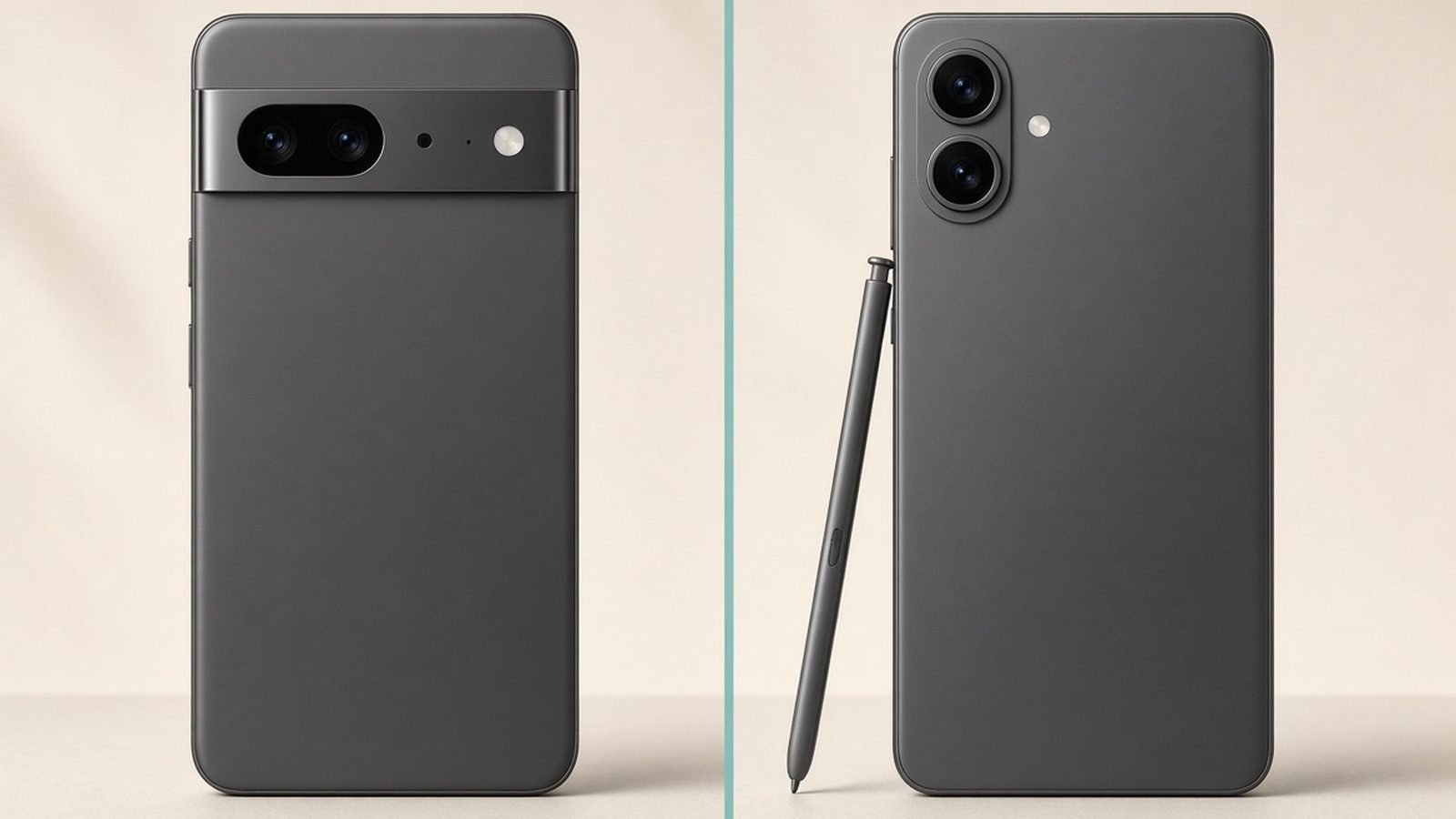
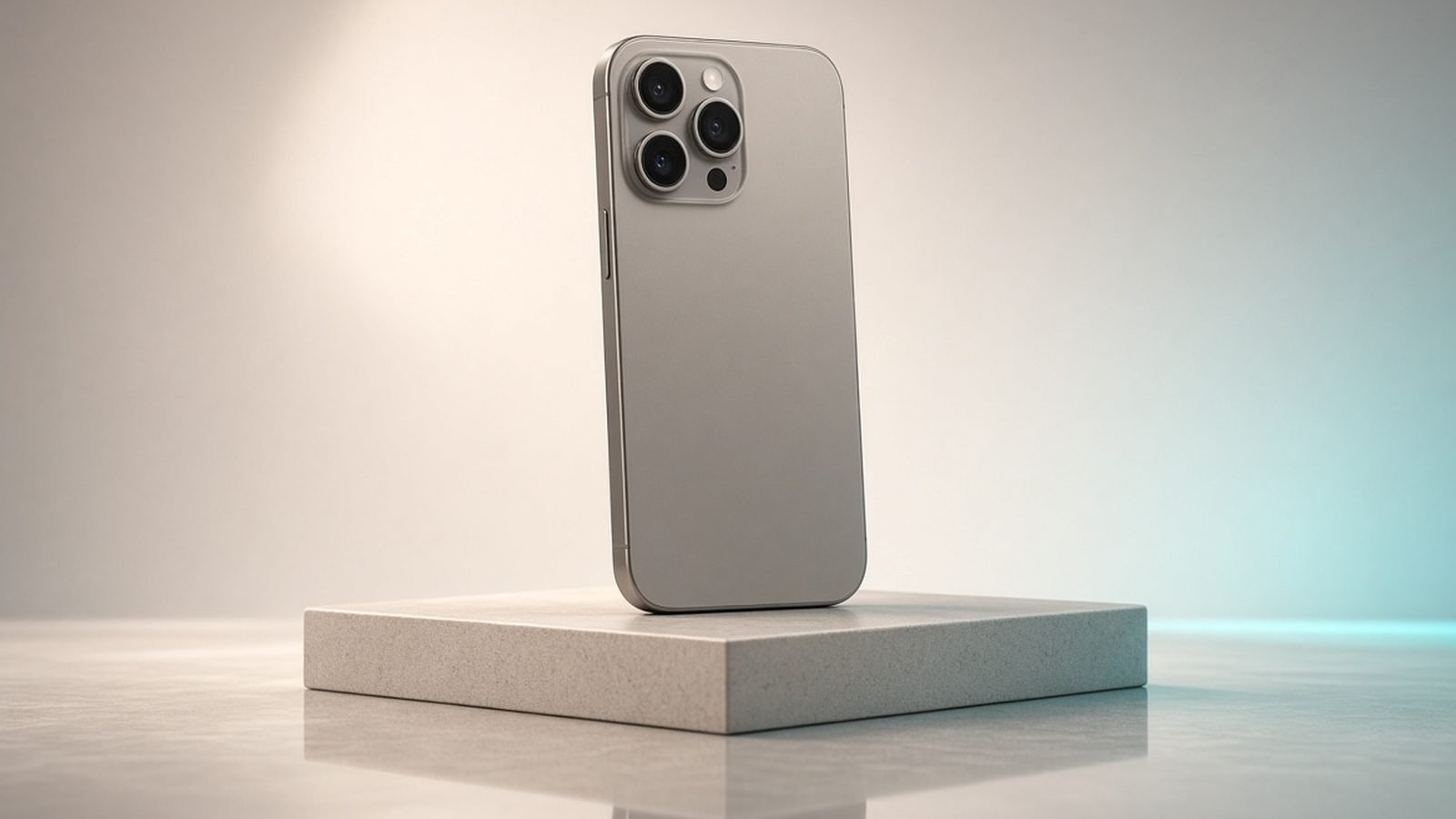
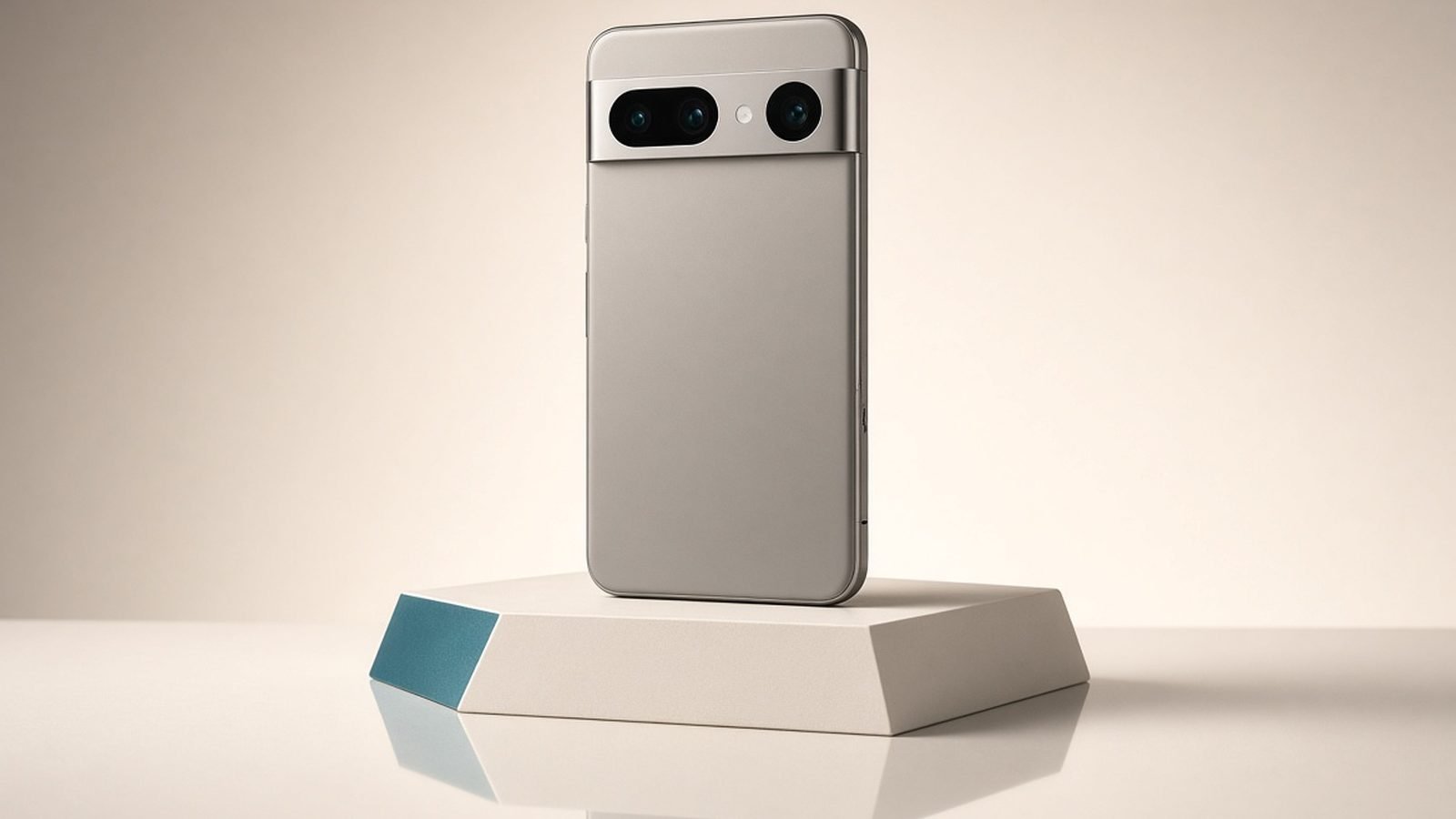
The Pixel 10 Pro keeps Google’s now-signature look: a clean aluminum frame, matte glass back and the horizontal camera visor across the top. It’s an instantly recognizable design and, in the 6.3-inch Pro size, one of the more comfortable flagships to actually hold and use one-handed. Build quality is excellent — Gorilla Glass Victus 2, IP68 water resistance and tight assembly throughout.
The display is a highlight: a 6.3-inch LTPO OLED that gets extremely bright (around 3,000 nits peak), making it effortless to read outdoors, with smooth 120Hz scrolling and accurate color. Google’s software polish extends to the hardware feel — the haptics, the fingerprint reader and the general fit-and-finish are all top tier.
This is understated, functional design rather than flashy. It won’t turn heads like a Nothing Phone 3 Review 2026: Style Meets Substance?, but it’s comfortable, durable and quietly premium — exactly what most buyers actually want from a daily phone.
Cameras — the main event
Photography is why the Pixel exists, and the 10 Pro is the smartest camera phone of 2026. The hardware — a 50MP main, 48MP ultrawide and 48MP 5x periscope telephoto — is strong, but the real advantage is Google’s computational processing. In difficult conditions (low light, high contrast, mixed lighting, moving subjects) the Pixel consistently produces the most natural, well-balanced results of any phone, with less of the over-processed look that rivals sometimes show.
The editing suite is equally clever. Magic Editor, Best Take, Add Me and the various generative tools let you fix group shots, remove distractions and reframe scenes in ways that feel like magic and, crucially, are easy to use. Video has closed much of the gap with the iPhone too, though Apple still leads for the most demanding stabilization and audio work.
The honest caveats: the Galaxy S26 Ultra reaches further on zoom hardware, and the iPhone 17 Pro still wins video overall. The Pixel’s claim is that it produces the best-looking result from a point-and-shoot with the least effort — and for stills, that claim holds.
Performance, AI and thermals
Here’s where you accept a trade-off. The Tensor G5 is a capable, efficient chip tuned for AI and photography, but it does not win benchmarks against Apple’s A19 Pro or Qualcomm’s Snapdragon 8 Elite. For everyday use — apps, browsing, social, photography — it’s plenty fast and you’ll never notice. For sustained heavy gaming, it runs warmer and throttles more than the best, so serious mobile gamers should look at the OnePlus 15 Review 2026: Flagship Speed for Less or Samsung Galaxy S26 Ultra Review 2026: Android's Best instead.
What Tensor buys you is AI. The Pixel 10 Pro has the most genuinely useful on-device intelligence of any phone: Magic Cue surfaces relevant information across apps, Call Assist handles hold times and screening, and Gemini-powered summarization, transcription and writing tools are deeply woven into the OS. These aren’t demo features — they save real time daily, and they’re the most polished implementation of phone AI in 2026.
If your priority is intelligence over raw horsepower, the Pixel makes the trade worth it.
Battery and software
Battery life is solid rather than spectacular — the roughly 4,900mAh cell gets most users through a full day, with the efficient LTPO display helping. Charging at around 30W is adequate but unremarkable; it’s one area rivals clearly beat. A charger from our Best GaN Chargers 2026: 30W to 160W Compared & Ranked guide will get the best out of it, and wireless charging is fast and convenient.
Software is a genuine selling point. Clean Android 16 with no bloat, Feature Drops that add capabilities over time, and seven years of OS and security updates put the Pixel level with Apple and Samsung on longevity. For many buyers, the combination of clean software and long support is worth as much as the camera.
Value and alternatives
At around $999 / £999 the Pixel 10 Pro undercuts both the iPhone 17 Pro Review 2026: Apple's Best Yet? and the Galaxy S26 Ultra while matching them on the things most people care about, which makes it one of the smartest-value flagships of the year. You give up peak gaming performance and the longest zoom; you gain the best computational camera, the best AI and clean software.
From a Pixel 9 Pro the upgrade is incremental — wait a cycle. From a Pixel 8 Pro or older, it’s a clear step up. For the full field, see our Best Android Phones 2026: Flagship to Budget and Best Smartphones 2026: Top Picks for Every Budget roundups.
Verdict
The Google Pixel 10 Pro is the thinking person’s flagship. It won’t top a benchmark chart, but it takes the best-looking photos with the least effort, offers the most useful AI on any phone, ships clean Android with seven years of support, and costs less than its direct rivals. The compromises — average charging, Tensor thermals under heavy load — are real but narrow.
If you value smarts, cameras and software over raw muscle and the longest zoom, this is the phone to buy. Highly recommended — the smartest camera phone of 2026.
FAQ
Is the Pixel 10 Pro camera really the best?
For computational stills, yes — it’s the best point-and-shoot camera of 2026. In tricky light and mixed conditions it produces the most natural, balanced results with the least effort, and its editing tools (Magic Editor, Best Take, Add Me) are the easiest to use. The Galaxy S26 Ultra reaches further on zoom and the iPhone 17 Pro leads on video, but for everyday photos that just look right, the Pixel wins.
How does Tensor G5 performance compare to Snapdragon and Apple?
It trails both on raw and sustained performance. Tensor G5 is tuned for efficiency, AI and photography rather than topping benchmarks, so it runs warmer under heavy load and throttles more than an A19 Pro or Snapdragon 8 Elite. For everyday use you’ll never notice — apps and browsing are fast. For demanding sustained gaming, a OnePlus 15 or Galaxy S26 Ultra is the better fit.
What AI features does the Pixel 10 Pro have?
It has the most useful on-device AI of any phone. Magic Cue surfaces relevant info across apps, Call Assist screens calls and handles hold times, and Gemini powers summarization, transcription and writing tools throughout the OS. Photo AI includes Magic Editor, Best Take and generative editing. Crucially, these save real time day to day rather than being demo gimmicks — it’s the most polished phone AI in 2026.
Is the Pixel 10 Pro worth it over the Pixel 9 Pro?
For most 9 Pro owners, it’s a wait. The improvements — a refined Tensor G5, incremental camera gains and new AI features — are evolutionary, and the 9 Pro remains very good and will keep getting Feature Drops. Upgrading from a Pixel 8 Pro or older is more worthwhile, with clearer gains in performance, display brightness and camera processing.
How is the Pixel 10 Pro’s battery and charging?
Battery life is solid — the roughly 4,900mAh cell gets most users through a full day, helped by the efficient LTPO display. Charging is the weak spot at around 30W wired, which is adequate but slower than several rivals. Wireless charging is fast and convenient. If long endurance or rapid top-ups are your priority, other flagships do better.
Does the Pixel 10 Pro get long software support?
Yes — seven years of OS and security updates, matching Apple and Samsung for longevity. Combined with clean, bloat-free Android 16 and regular Feature Drops that add new capabilities over time, the long support window is one of the Pixel’s strongest selling points and makes its lower price look even better over a multi-year ownership period.
Zen Tech Hub may earn a commission from links on this page, at no extra cost to you.