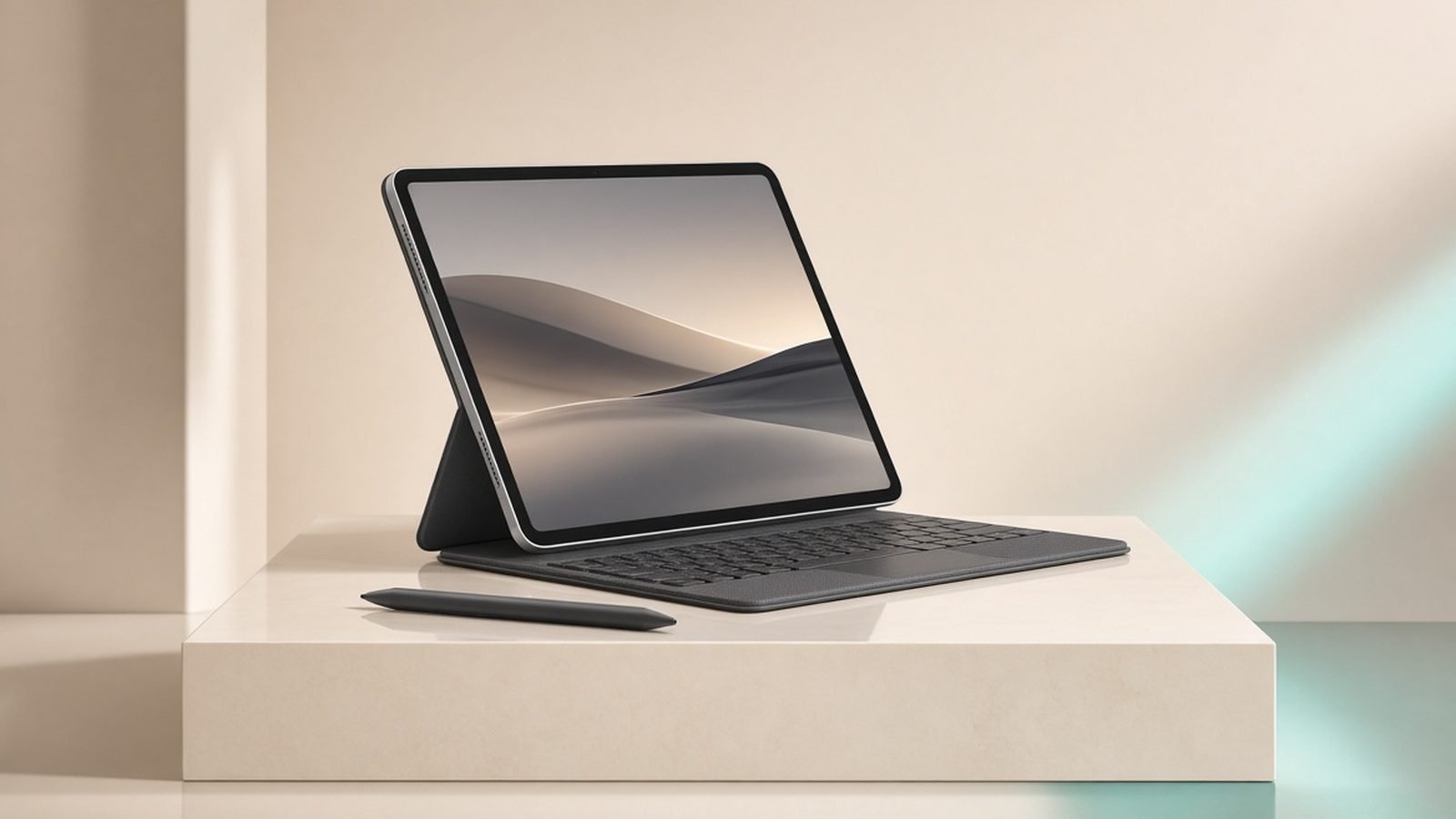
The best Android tablet in 2026 for most people is the Samsung Galaxy Tab S11 — it pairs a gorgeous AMOLED screen, an included S Pen, and seven years of software updates in a package that undercuts the flagship iPad. But Android’s real strength is choice, and the right slate depends on your budget and what you actually do. This guide covers the field for both US and UK shoppers on one page, from a $1,000+ productivity powerhouse to a sub-$250 media bargain.
Android tablets have quietly become excellent. Samsung leads on software support and stylus quality, OnePlus punches above its price on battery and screen, and Google’s Pixel Tablet doubles as a smart display. Below are seven picks with honest notes on where each one compromises.
Best android tablet 2026 at a glance
Best overall: Samsung Galaxy Tab S11 — the all-rounder, S Pen included, 7 years of updates.
Best big-screen productivity: Samsung Galaxy Tab S11 Ultra — the true iPad Pro rival.
Best value flagship: OnePlus Pad 3 — huge battery and a fast chip for less.
Best smart-home tablet: Google Pixel Tablet — a tablet and a Nest Hub in one.
Best budget picks: Xiaomi Pad 7, Lenovo Tab Plus and Samsung Galaxy Tab S10 FE.
| Tablet | Best for | Screen | Price (US / UK) | Standout | Watch-out |
|---|---|---|---|---|---|
| Galaxy Tab S11 | Most people | 11” AMOLED 120Hz | ~$799 / ~£799 | S Pen, 7yr updates | Pricey vs FE |
| Galaxy Tab S11 Ultra | Productivity | 14.6” AMOLED 120Hz | ~$1,199 / ~£1,199 | Huge canvas, DeX | Big and costly |
| OnePlus Pad 3 | Value flagship | 13.2” 144Hz LCD | ~$699 / ~£599 | Battery, speed | No included stylus |
| Google Pixel Tablet | Smart home | 11” LCD 60Hz | ~$399 / ~£399 | Nest Hub dock | Only 60Hz |
| Xiaomi Pad 7 | Budget all-rounder | 11.2” 3.2K 120Hz | ~$399 / ~£349 | Sharp screen | Software quirks |
| Lenovo Tab Plus | Media & sound | 11.5” 2K 90Hz | ~$249 / ~£229 | 8 JBL speakers | Slow chip |
| Galaxy Tab S10 FE | Cheaper Samsung | 10.9” 90Hz LCD | ~$449 / ~£429 | S Pen, updates | Mid-tier chip |
How we picked
Our picks come from spec research, price tracking across US and UK retailers, and aggregated owner feedback from long-term reviews and buyer forums — not fabricated lab tests. Where we mention battery life or performance, it reflects the consensus in published reviews and owner reports, not benchmarks we ran ourselves.
At this point Android tablets separate on three things: software support (Samsung’s seven-year commitment is the class benchmark), panel quality (AMOLED versus LCD makes a visible difference), and stylus value (Samsung and Xiaomi include one; OnePlus and others charge extra). We weighted those alongside chip longevity and real-world battery.
Best overall: Samsung Galaxy Tab S11
11-inch Dynamic AMOLED 2X, 120Hz, S Pen included — around $799 / £799.
The Galaxy Tab S11 is the Android tablet we recommend to most people. It gets the fundamentals right in a way rivals do not: a bright, punchy AMOLED screen with deep blacks and 120Hz smoothness, a genuinely capable flagship chip, and Samsung’s seven years of OS and security updates — the longest in the Android tablet world.
The included S Pen is the differentiator. There is no battery to charge, latency is low, and Samsung Notes is mature and pleasant for handwriting and markup. Pair it with a keyboard cover and Samsung DeX turns the tablet into a credible desktop-style workspace with resizable windows.
The compromise is price and chip. The S11 sits close to iPad Air money, and its processor, while fast, is not always the fastest at this tier. But for a screen-plus-stylus-plus-longevity package, nothing else in Android is this complete.
Pros: superb AMOLED display, S Pen included, seven years of updates, DeX desktop mode, strong resale value.
Cons: priced near the iPad Air, chip is good rather than class-leading, keyboard costs extra.
Who it’s for: anyone who wants the best-rounded Android tablet and will use the stylus.
Best big-screen productivity: Samsung Galaxy Tab S11 Ultra
14.6-inch AMOLED, 120Hz, S Pen included — around $1,199 / £1,199.
If you want an Android tablet that goes toe-to-toe with the iPad Pro M5 Review 2026: The Ultimate Tablet?, the Tab S11 Ultra is it. The 14.6-inch AMOLED is enormous — a laptop-sized canvas for multitasking, split-screen apps, and drawing. With DeX and a keyboard, it is the closest Android gets to replacing a laptop for office work.
That size cuts both ways. It is heavy for handheld reading and awkward on a train tray table, and the price lands in real laptop territory. But for a home-and-desk productivity machine, few tablets give you this much screen with a stylus in the box.
Pros: massive high-quality display, excellent for multitasking and art, S Pen included, DeX desktop mode.
Cons: heavy and unwieldy handheld, expensive, overkill for casual use.
Who it’s for: power users and creators who want maximum screen for productivity.
Best value flagship: OnePlus Pad 3
13.2-inch 144Hz LCD, huge battery — around $699 / £599.
The OnePlus Pad 3 is the value champion. You get a big, sharp 144Hz display, a top-tier chip that handles gaming and multitasking without complaint, and a very large battery that comfortably clears a full day and then some. In raw performance-per-dollar it embarrasses pricier rivals.
The catches are software and stylus. OnePlus updates are shorter than Samsung’s, its tablet software is less polished for split-screen work, and the stylus and keyboard are extra. But if you want flagship speed and battery without flagship pricing, this is the pick.
Pros: excellent performance, large sharp screen, outstanding battery, aggressive pricing.
Cons: shorter update window than Samsung, stylus and keyboard cost extra, LCD not AMOLED.
Who it’s for: buyers who want the most power and battery for the money.
Best for smart home: Google Pixel Tablet
11-inch LCD, charging speaker dock included — around $399 / £399.
The Pixel Tablet’s trick is its bundled dock: set it down and it becomes a Nest Hub-style smart display for the kitchen or nightstand, then lift it off to use as a normal tablet. The software is clean Android with strong Google Assistant integration, and it is a lovely device for casual browsing and home control.
It is not a productivity machine. The screen is only 60Hz, the chip is a generation behind flagships, and it lacks a bundled stylus. But as a hybrid tablet and smart display, nothing else does this.
Pros: doubles as a smart display, clean software, good speakers on the dock, family-friendly.
Cons: 60Hz screen, older chip, no stylus, not built for heavy work.
Who it’s for: smart-home users who want one device for the counter and the couch.
Best budget all-rounder: Xiaomi Pad 7
11.2-inch 3.2K 120Hz LCD — around $399 / £349.
The Xiaomi Pad 7 delivers a genuinely sharp, high-resolution 120Hz screen and solid performance for well under flagship money. It is a superb media and browsing tablet, and it feels far more premium than its price.
Xiaomi’s software adds some clutter and its update commitment trails Samsung, and stylus support varies by region. But pound for pound and dollar for dollar, it is one of the best value tablets on sale.
Pros: excellent sharp screen, strong value, good build quality.
Cons: cluttered software, shorter updates, regional accessory differences.
Who it’s for: value hunters who want a premium-feeling screen cheaply.
Best for sound and value: Lenovo Tab Plus
11.5-inch 2K 90Hz LCD, eight JBL speakers — around $249 / £229.
The Lenovo Tab Plus is built around audio. Its eight-speaker JBL array is genuinely excellent for a tablet this cheap, and a built-in kickstand makes it a natural bedside or kitchen media player. The 2K 90Hz screen is pleasant, too.
The Helio-class chip is slow, so this is not a multitasking or gaming machine. Treat it as a media tablet and it delights; ask more of it and it struggles.
Pros: superb speakers, built-in kickstand, sharp-enough screen, low price.
Cons: slow processor, not for gaming or heavy multitasking.
Who it’s for: anyone who wants an affordable media and streaming slate.
Best cheaper Samsung: Galaxy Tab S10 FE
10.9-inch 90Hz LCD, S Pen included — around $449 / £429.
The Galaxy Tab S10 FE brings Samsung’s strengths — the included S Pen, long updates, and clean One UI — to a lower price. It is the tablet to buy if you want the Samsung ecosystem and stylus without paying S11 money. The mid-tier chip and LCD screen are the trade-offs, but for students and note-takers it hits a sweet spot. See it alongside our Best Samsung Tablet 2026: Galaxy Tab S11, FE & A Compared guide.
Pros: S Pen included, long update support, clean software, fair price.
Cons: mid-tier chip, LCD rather than AMOLED.
Who it’s for: Samsung fans and students on a tighter budget.
How to choose an Android tablet
Screen: AMOLED (Samsung S-series) gives deeper blacks and better video; LCD is fine for most and cheaper. Aim for 90Hz or higher for smooth scrolling.
Software support: Samsung’s seven years lead the field. Longer support means a longer useful life and better resale.
Stylus: if you take notes or draw, factor in whether one is included. Samsung and Xiaomi include one; OnePlus and Google do not.
Chip and battery: for gaming or heavy multitasking, prioritise a flagship chip (OnePlus Pad 3, Tab S11). For media and browsing, a midrange chip is plenty.
iPad or Android? If you value app quality and resale, weigh the Which iPad Should You Buy in 2026? Every Model Compared guide too — iPadOS still has the deeper tablet app library.
FAQ
What is the best Android tablet in 2026? For most people it is the Samsung Galaxy Tab S11 — it combines an excellent AMOLED display, an included S Pen, and seven years of updates. If you want a bigger productivity canvas, the Tab S11 Ultra is the top pick; for value, the OnePlus Pad 3 offers flagship speed and battery for less money.
Are Android tablets as good as the iPad? They are close and lead in some areas — Samsung’s AMOLED screens, included styluses, and DeX desktop mode are genuine advantages. Where the iPad still wins is app quality: many tablet-optimised apps and pro creative tools are better on iPadOS. Choose Android for value and flexibility, iPad for the app ecosystem.
Which Android tablet has the best stylus? Samsung’s S Pen is the best in the Android world — low latency, no charging, and mature note-taking software in Samsung Notes. It comes included with every Galaxy Tab S-series model, which is a major reason Samsung dominates our picks for note-takers and students.
What is the best cheap Android tablet? The Xiaomi Pad 7 offers a premium-feeling 3.2K 120Hz screen for around $399 / £349, while the Lenovo Tab Plus is a superb media tablet for around $249 / £229. For a cheaper Samsung with an included S Pen, the Galaxy Tab S10 FE is the value pick in that ecosystem.
How long do Android tablets get updates? It varies widely. Samsung leads with seven years of OS and security updates on its Galaxy Tab S-series, which is the longest in the category. OnePlus, Google, and Xiaomi offer shorter windows, typically three to five years. Longer support means a longer useful life, so it is worth prioritising if you keep devices a while.
For more tablet buying guides, visit the Tablets & E-Readers hub.
Zen Tech Hub may earn a commission from links on this page, at no extra cost to you.