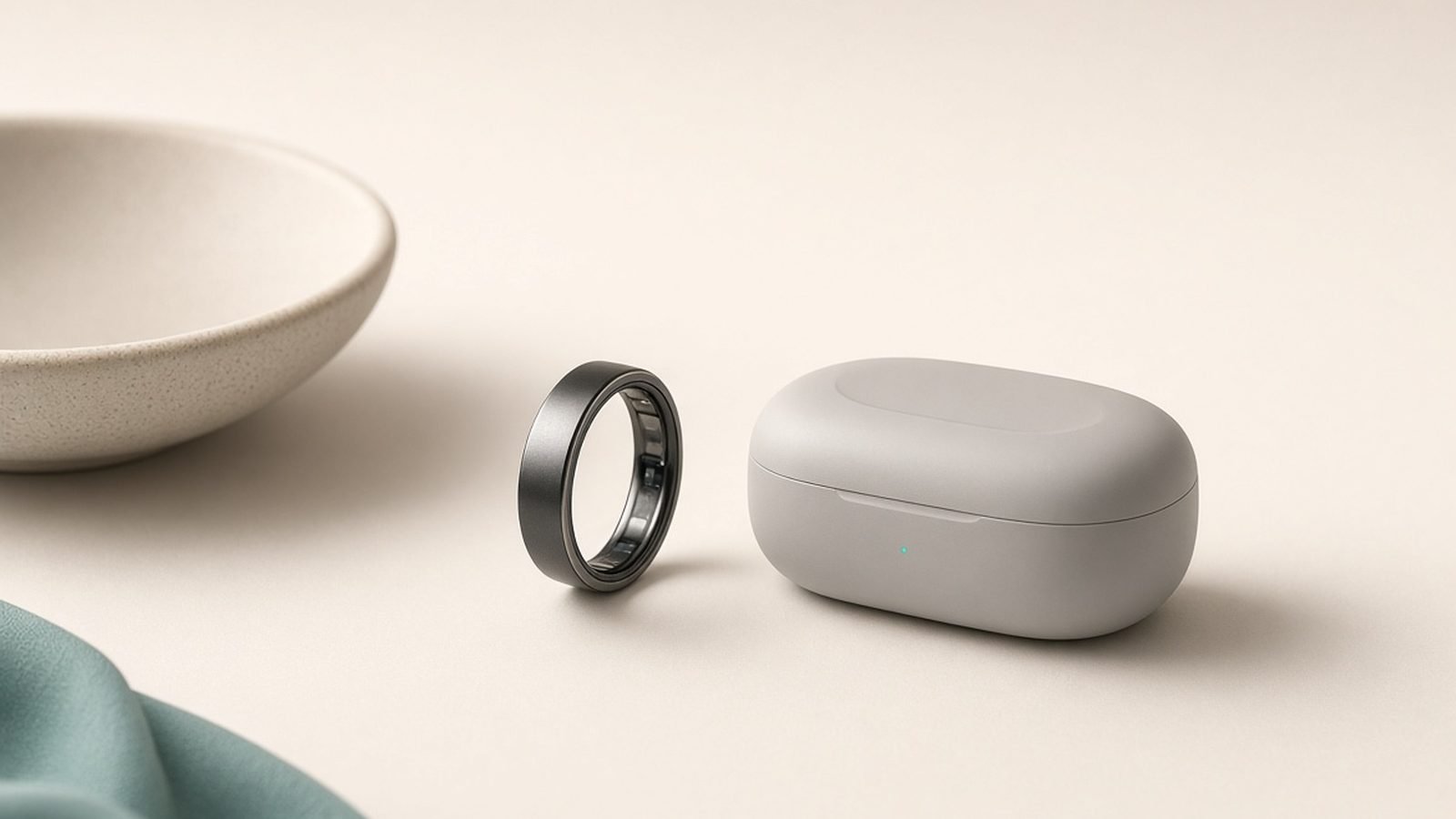
Oura makes the smart ring that turned an odd idea — health tracking in a piece of jewelry — into a category everyone else is now copying. If your priority is sleep quality, readiness and all-day wellness in something you’ll actually forget you’re wearing, Oura is the best in class and the safe recommendation. It’s discreet, comfortable, and its sleep science is a genuine benchmark that hospitals and researchers have used.
The caveat: after the ring’s upfront cost, full functionality needs a monthly membership, there’s no screen, and it’s a poor tool for tracking hard workouts in real time. So is Oura a good brand? Yes — arguably the strongest name in wearables for sleep and recovery — provided you accept the subscription and buy it for the right reasons. Here’s the honest rundown.
Company overview
Oura (officially Oura Health Oy) is a Finnish company founded in 2013 and headquartered in Oulu, Finland, with a significant US presence in San Francisco. It shipped its first ring via crowdfunding and has since become the clear market leader in smart rings, with millions sold and partnerships spanning sports teams, research institutions and even the US military.
Oura is privately held and heavily venture-backed; it is not owned by a larger consumer-electronics conglomerate, though it has taken strategic investment (including from Dexcom, reflecting a push into metabolic health). Its reputation is strong and premium — widely regarded as the gold standard for consumer sleep tracking — but it has also become notably litigious, filing patent suits against smart-ring rivals such as Ultrahuman and RingConn. In plain terms: respected market leader, excellent product, aggressive about defending its turf.
What Oura makes
Oura’s focus is deliberately singular:
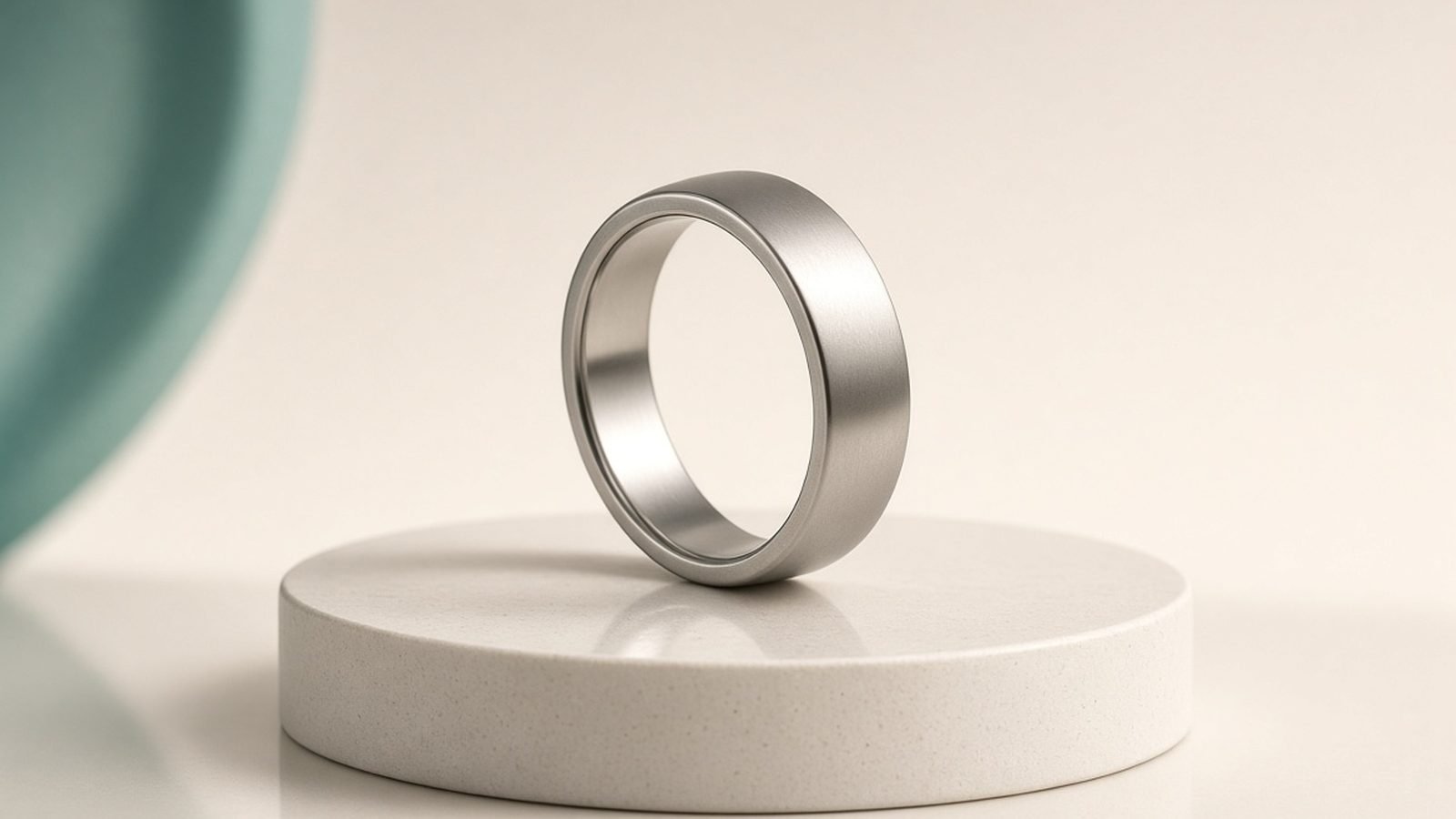
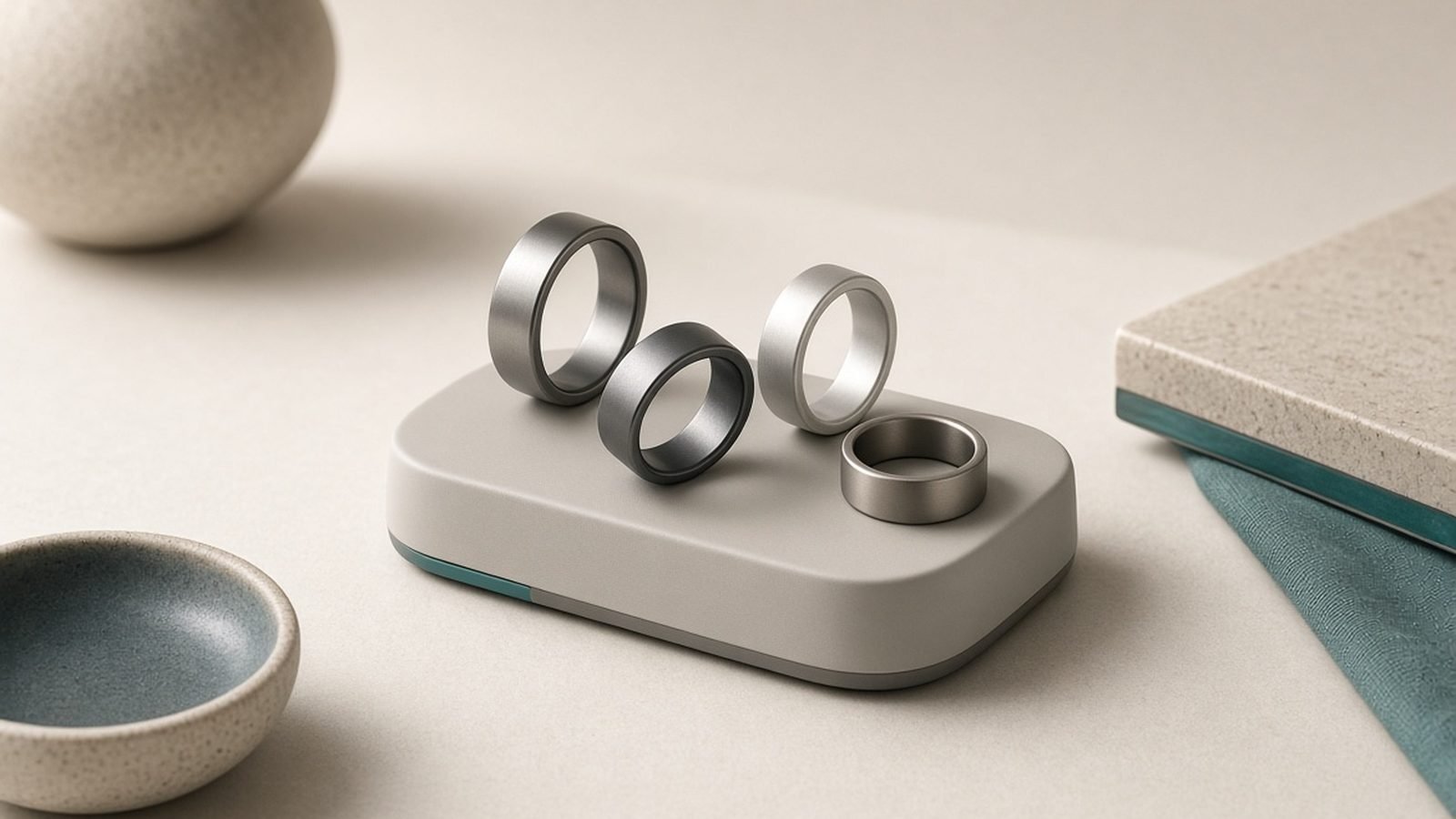
- Smart rings — lightweight titanium rings packed with sensors for heart rate, HRV, skin temperature, blood oxygen and movement, worn 24/7.
- The Oura membership — the software layer that turns raw data into daily Readiness, Sleep and Activity scores, plus cycle and pregnancy insights, stress tracking, and integrations with Apple Health, Google, Natural Cycles and more.
- Health features — automatic illness-onset detection (“Symptom Radar”), temperature-based cycle tracking, and expanding metabolic and cardiovascular tools.
Unlike Fitbit or Amazfit, Oura doesn’t make watches, bands or a spread of gadgets — the ring is the brand.
Standout Oura products in 2026
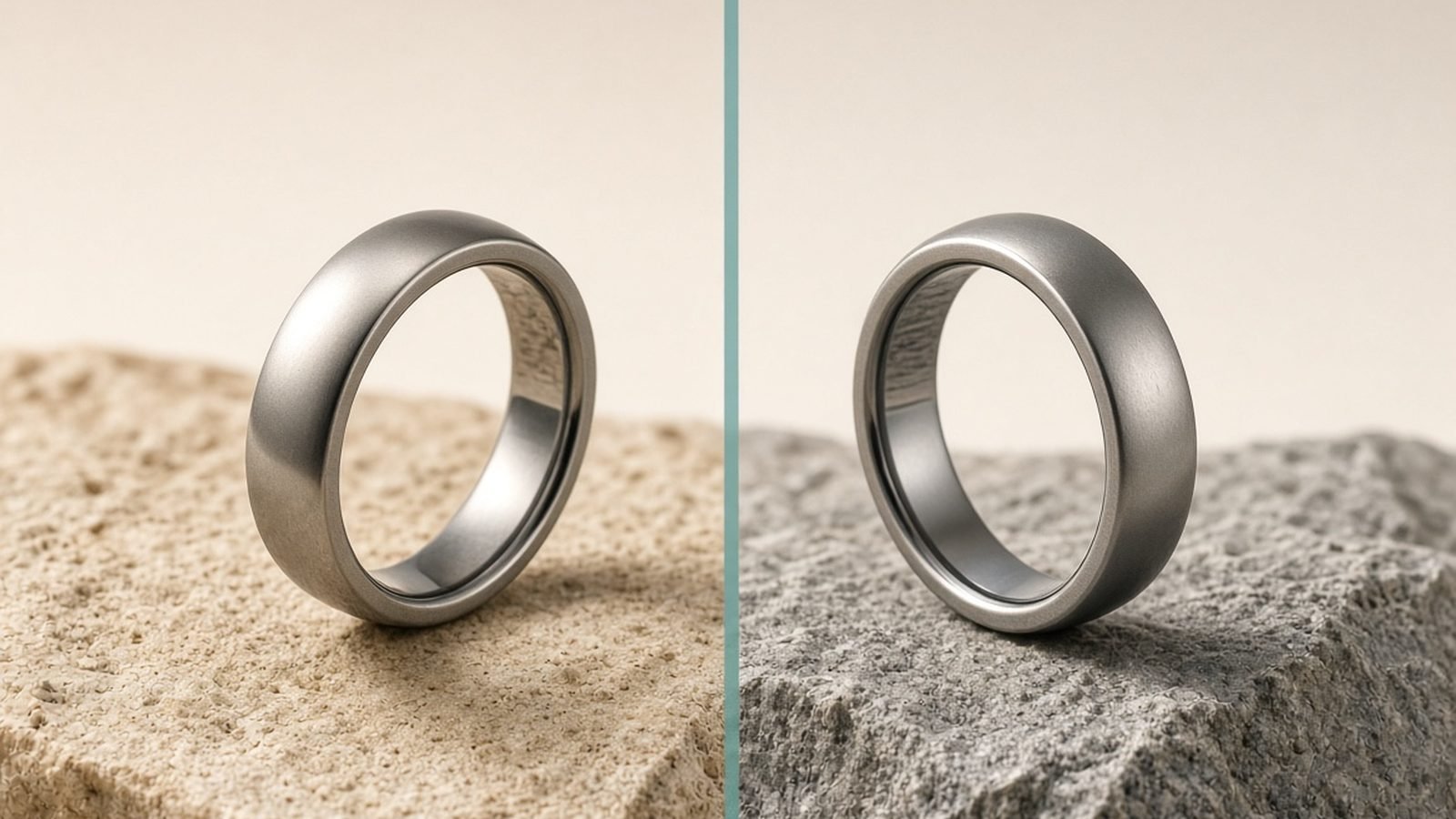
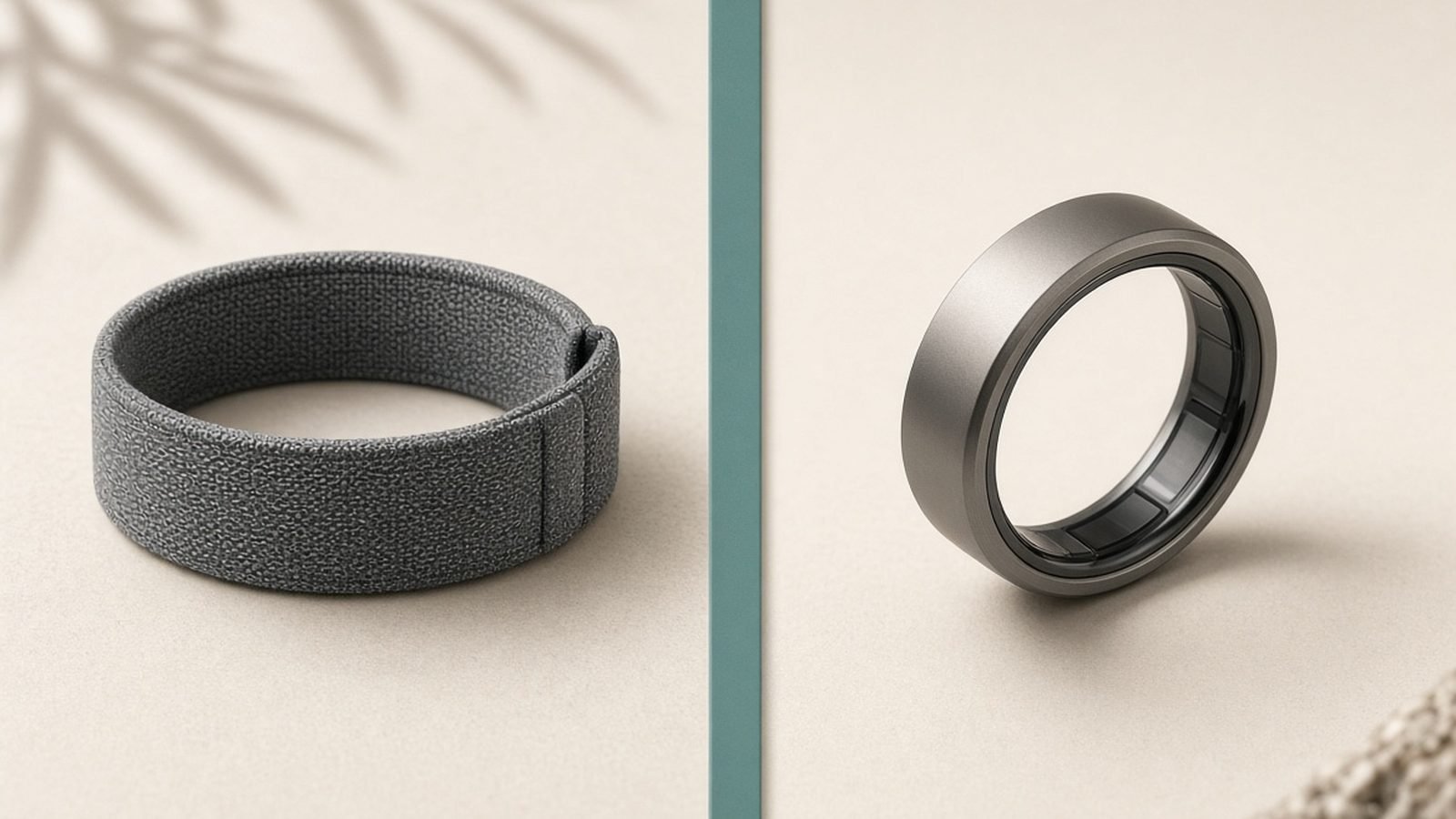
- Oura Ring 4 — the current flagship, with a fully titanium interior (no protruding sensor bumps), improved accuracy from a redesigned “Smart Sensing” array, extended battery life of up to about 8 days, and more size options. It starts around $349 / £349 plus membership. It’s the smart ring to beat — see how it compares in our Best Smart Rings 2026: Oura, Galaxy Ring & Cheaper Rivals guide.
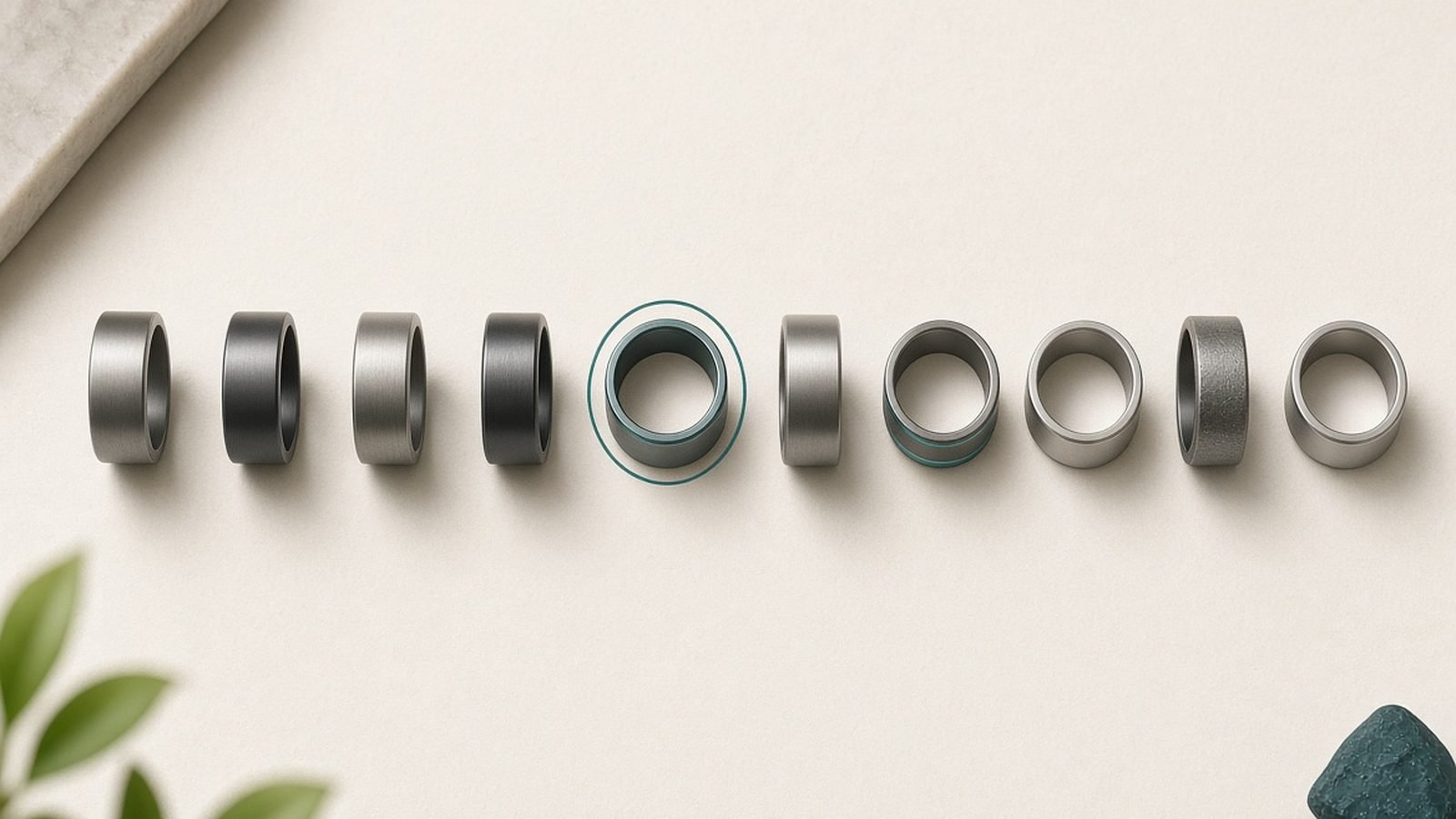
- Oura Ring 4 finishes — silver, black, brushed titanium, gold and rose gold, spanning subtle to fashion-forward.
- Oura membership — around $5.99 / £5.99 a month, required to see your daily scores and detailed insights after the trial period.
- Oura Advisor — an AI health-coaching feature that summarizes trends and answers questions in plain language.
Because sleep is Oura’s signature strength, it also anchors our Best Sleep Trackers 2026: Rings, Bands & Watches Ranked roundup, and it’s the reference point throughout our Best Smart Rings 2026: Oura, Galaxy Ring & Cheaper Rivals coverage.
Strengths
- The best consumer sleep tracking, full stop. Sleep stages, timing, temperature trends and a nightly readiness verdict that’s consistently well-regarded against clinical references.
- Effortless comfort. A ring is easier to wear 24/7 than any watch or band — no wrist bulk, nothing to catch, and it works during sleep, showers and workouts.
- Long battery life. Up to roughly a week per charge, versus a day or two for most smartwatches.
- Genuine health depth. Illness detection, cycle and pregnancy tracking, stress monitoring and temperature trends make it a wellness tool, not just a step counter.
- Premium build and design. Titanium construction, multiple finishes and a jewelry-first aesthetic — it looks like something you’d wear regardless of the tech.
- Broad integrations. Plays well with Apple Health, Google Health Connect and popular third-party apps.
Weaknesses & criticisms
- Mandatory subscription. After a trial, around $5.99 / £5.99 a month is required to unlock your scores. Buy the ring and skip the membership, and you’re left with minimal data. Over years, that adds meaningfully to the cost.
- No display. Every metric lives on your phone. There’s no screen, notifications, contactless payment or on-ring feedback.
- Weak real-time exercise tracking. A ring can’t capture continuous workout heart rate as reliably as a chest strap or good wrist sensor, and there’s no built-in GPS. Serious training data isn’t Oura’s strength.
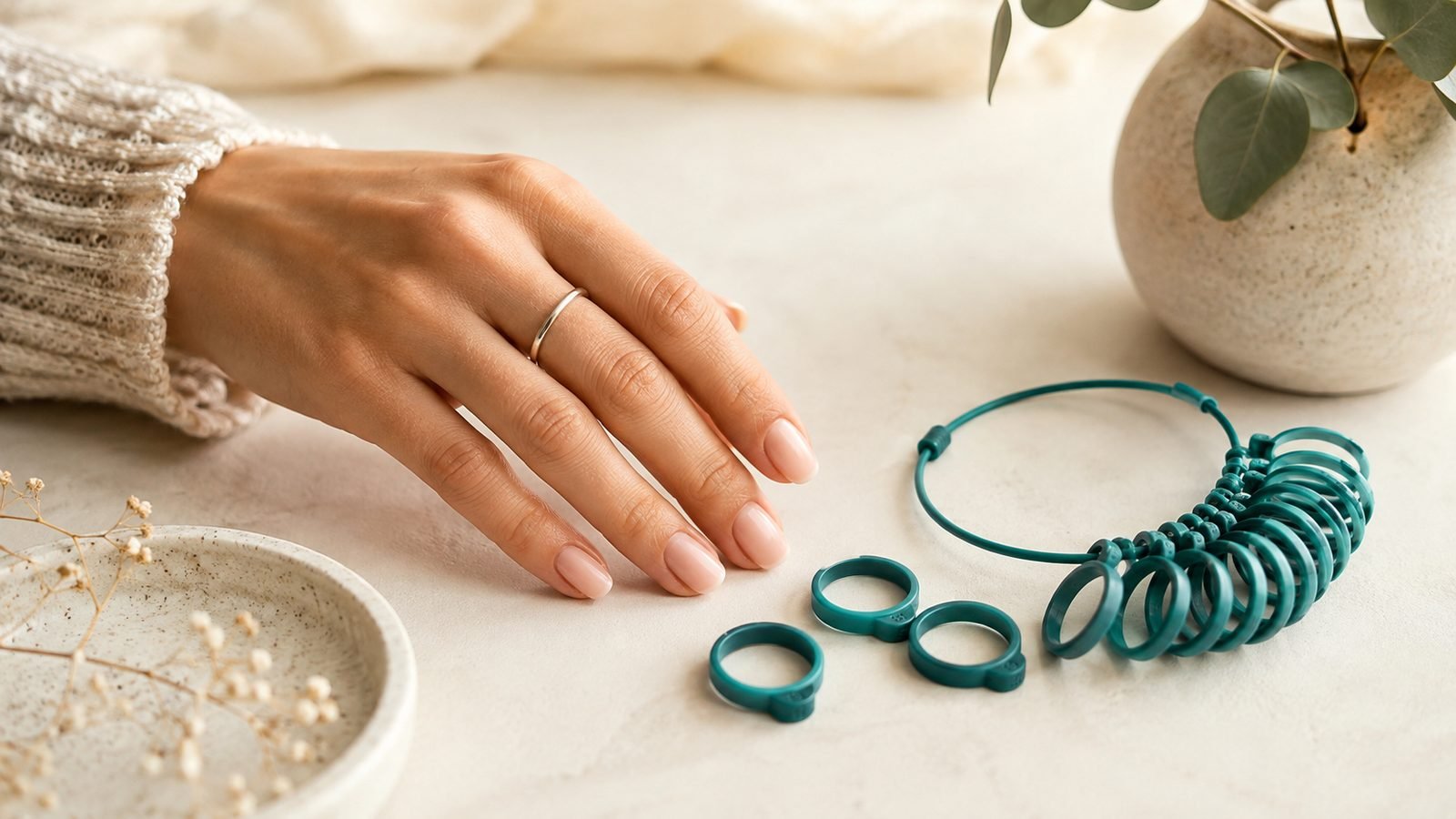
- Sizing friction. You must order a sizing kit and get the fit right; a wrong size means returns, and rings can’t be resized like a watch band.
- Durability of finish. The titanium is tough, but some users report scratches and finish wear on the more polished colorways over time.
- Litigious reputation. Oura’s patent lawsuits against smaller rivals have drawn criticism for potentially chilling competition in the category it helped create.
Reliability & support
Oura rings are well-built and generally reliable, with strong water resistance (rated to around 100m) and durable titanium bodies. The most common issues are battery degradation after a couple of years of daily charging, cosmetic scratching on shinier finishes, and the occasional sensor or charging fault. Because the ring is sealed, a hardware failure means replacement rather than repair.
Oura offers a limited warranty (one year standard, with an extended option for members in some regions) and a return/resize window tied to the sizing process. Customer-service reputation is generally solid, with responsive support and reasonable warranty handling, though out-of-warranty replacements are at the owner’s cost. On software, Oura’s track record is excellent: it ships frequent, meaningful updates and has a strong history of improving accuracy and adding features to existing hardware rather than reserving everything for new models.
Who should buy Oura
Buy Oura if sleep, recovery and everyday wellness are your priorities, if you want something you’ll genuinely never notice wearing, and if you value a premium, discreet design over a screen. It’s ideal for people tracking readiness, stress, cycles or general health trends — and for anyone who has bounced off wrist wearables because they hate the bulk.
Look elsewhere if you’re a data-hungry athlete who needs live workout metrics and GPS (a Garmin, Coros or WHOOP suits better), if you refuse ongoing subscriptions, or if you want notifications, payments and apps on your wearable — in which case a smartwatch is the right category. Those choosing between Oura and WHOOP should pick Oura for sleep and comfort, WHOOP for training strain.
FAQ
Is Oura a good brand?
Yes — Oura is the leading smart-ring maker and widely considered the best consumer brand for sleep and readiness tracking. It’s a poor fit only if you want live workout data, a screen, or a device with no subscription.
Is Oura reliable?
The rings are durable, water-resistant and backed by an excellent software-update record. The main long-term concerns are battery aging and cosmetic scratching on polished finishes. As a sealed device, a fault means replacement rather than repair.
Where is Oura from and who owns it?
Oura is a Finnish company founded in 2013 and headquartered in Oulu, Finland, with major operations in San Francisco. It is privately held and venture-backed, not owned by a larger electronics group.
Is the Oura subscription worth it?
For most buyers, yes — the membership is where the daily scores, trends and health insights live, and it’s the reason people stick with Oura. If you won’t pay the monthly fee, you’ll get little from the ring and should reconsider the purchase.
Oura vs WHOOP — which is better?
Oura is the better all-round wellness and sleep tracker in a comfortable ring; WHOOP is more focused on athletic strain and recovery in a wrist band. Choose Oura for sleep and everyday comfort, WHOOP if training load is your main concern.
Can the Oura Ring track workouts and heart rate?
It logs activity and can estimate workout intensity, but a ring can’t match a chest strap or a good wrist sensor for continuous exercise heart rate, and there’s no built-in GPS. It’s a recovery and wellness device first, a workout tracker second.
Zen Tech Hub may earn a commission from links on this page, at no extra cost to you.