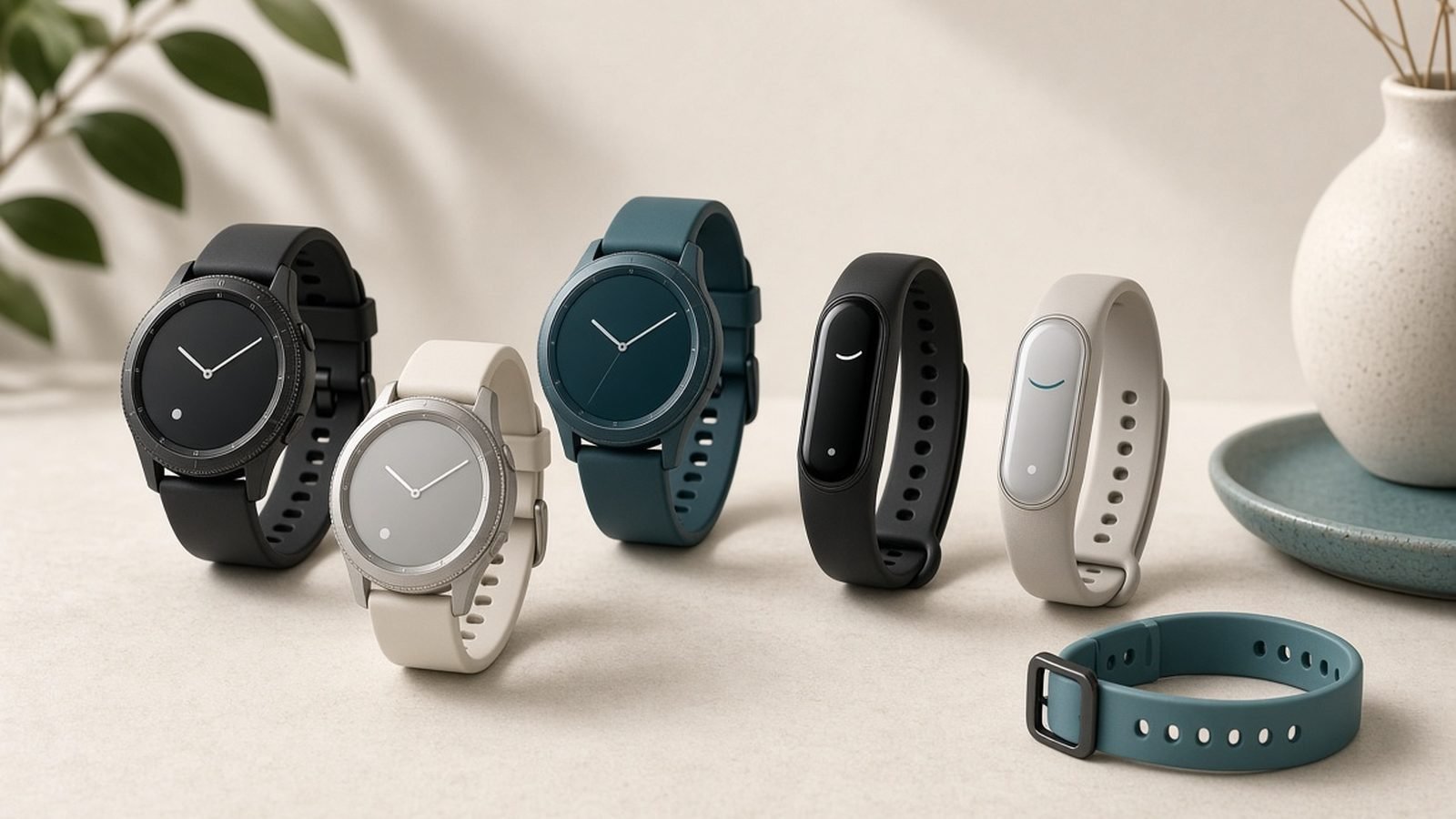
Amazfit is the value champion of smartwatches. If you want a big, bright AMOLED watch with GPS, heart-rate and sleep tracking, and a battery that lasts a week or two — for a fraction of what Apple, Samsung or Garmin charge — Amazfit is hard to beat. Models like the Balance and the rugged T-Rex deliver a genuinely premium feel and feature set at mid-range or budget prices.
The caveat: you’re trading a little polish for that value. The Zepp companion app can be clunky, third-party app support is thin, and GPS and heart-rate accuracy — while much improved — still trail the best from Garmin or Apple in tough conditions. So is Amazfit a good brand? Yes, one of the best in value-per-dollar, as long as you know what corners are cut. Here’s the full picture.
Company overview
Amazfit is the flagship consumer brand of Zepp Health (formerly Huami), a company founded in 2013 and headquartered in China, with a US listing on the New York Stock Exchange. Huami first made its name manufacturing the wildly popular Xiaomi Mi Band fitness trackers, then built Amazfit as its own-brand line to move upmarket and out from under Xiaomi’s shadow.
That heritage explains a lot: Amazfit knows how to build cheap, reliable sensors at scale, and it prices aggressively. It’s now a serious global player in budget and mid-range wearables. Reputation-wise, Amazfit is well-regarded for value and battery life, and its hardware quality has climbed steadily — but it’s still seen as a “smart buy” brand rather than a premium name, and the software experience is the recurring knock. In plain terms: excellent hardware value from an established Chinese manufacturer, held back by app polish.
What Amazfit makes
Amazfit’s range is broad and mostly wrist-based:
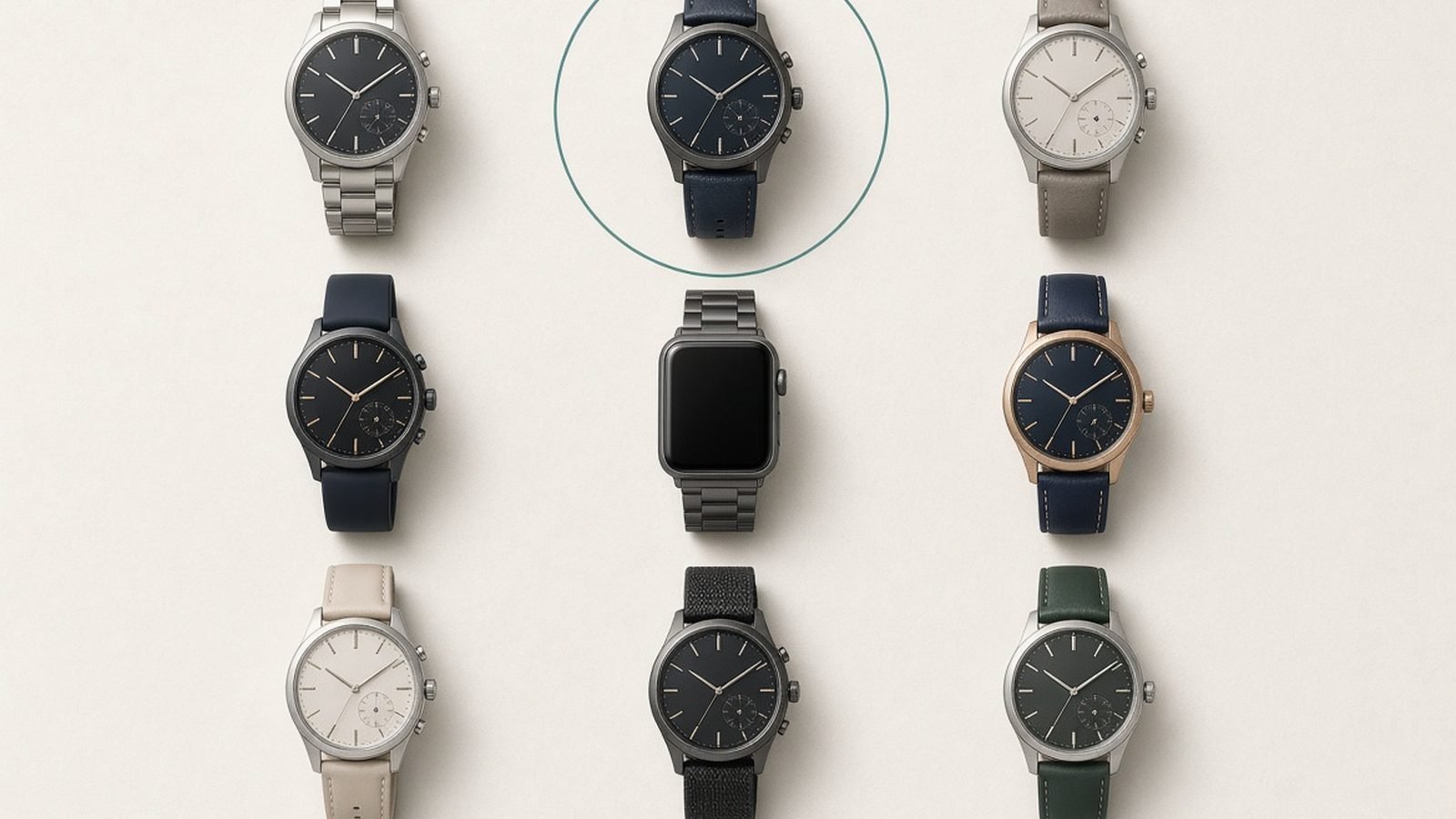
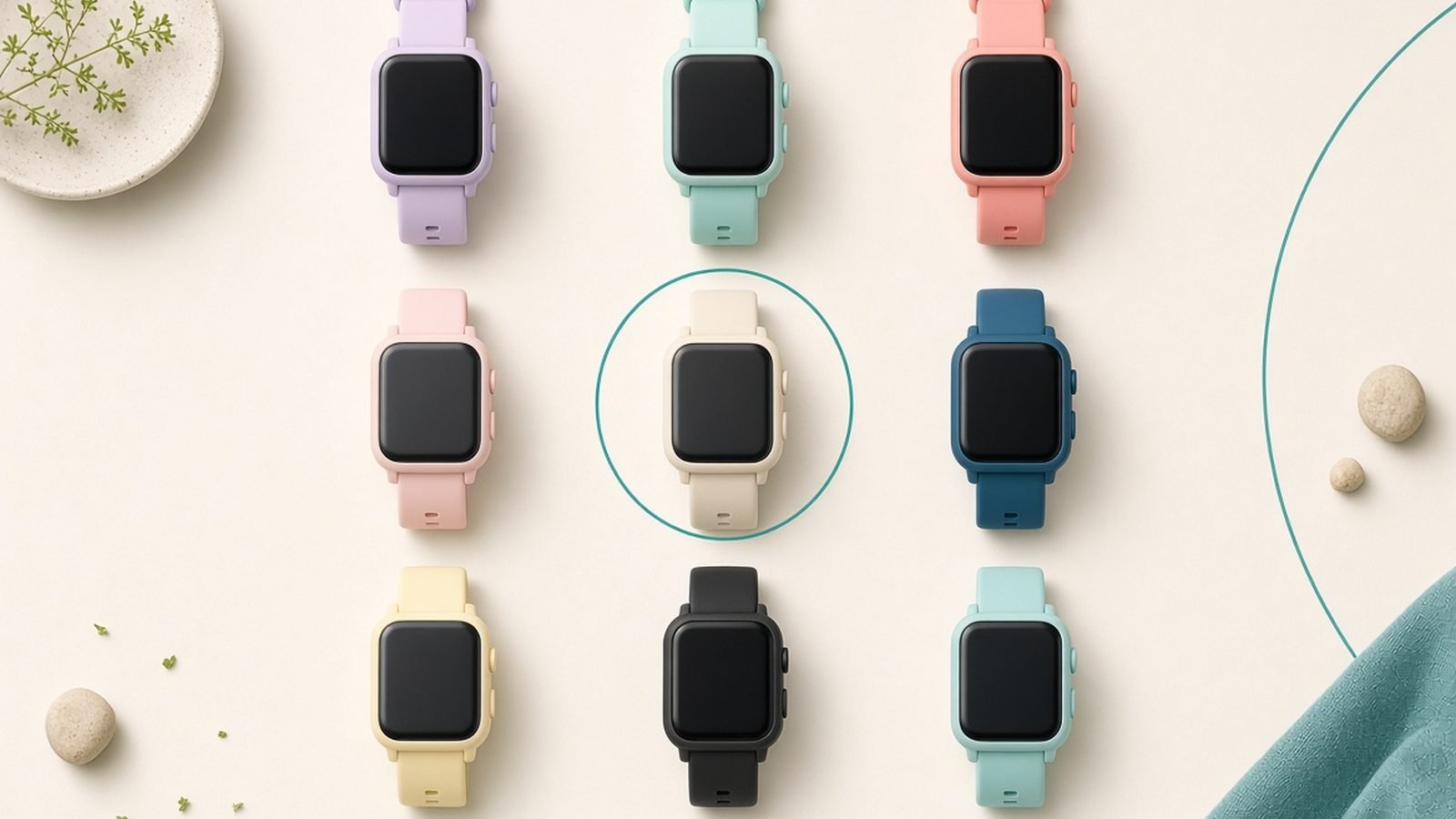
- Smartwatches — the flagship Balance and Active families, plus the GTR (round) and GTS (square) lines, with AMOLED screens, GPS and health tracking.
- Rugged outdoor watches — the T-Rex series, built for hiking, adventure and durability with military-style toughness.
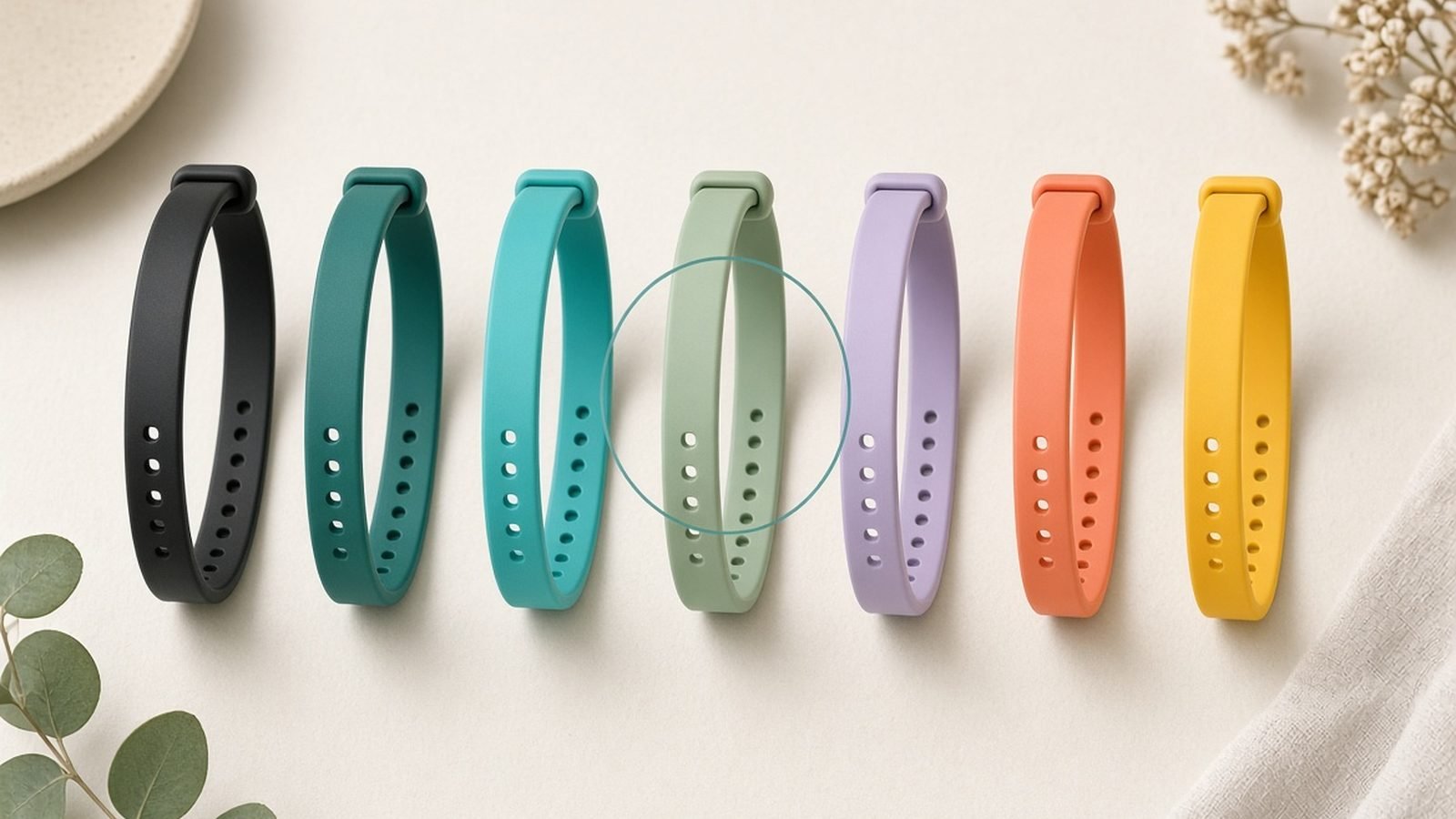
- Budget trackers and watches — the long-running Bip line and Band series, offering core tracking for very little money.
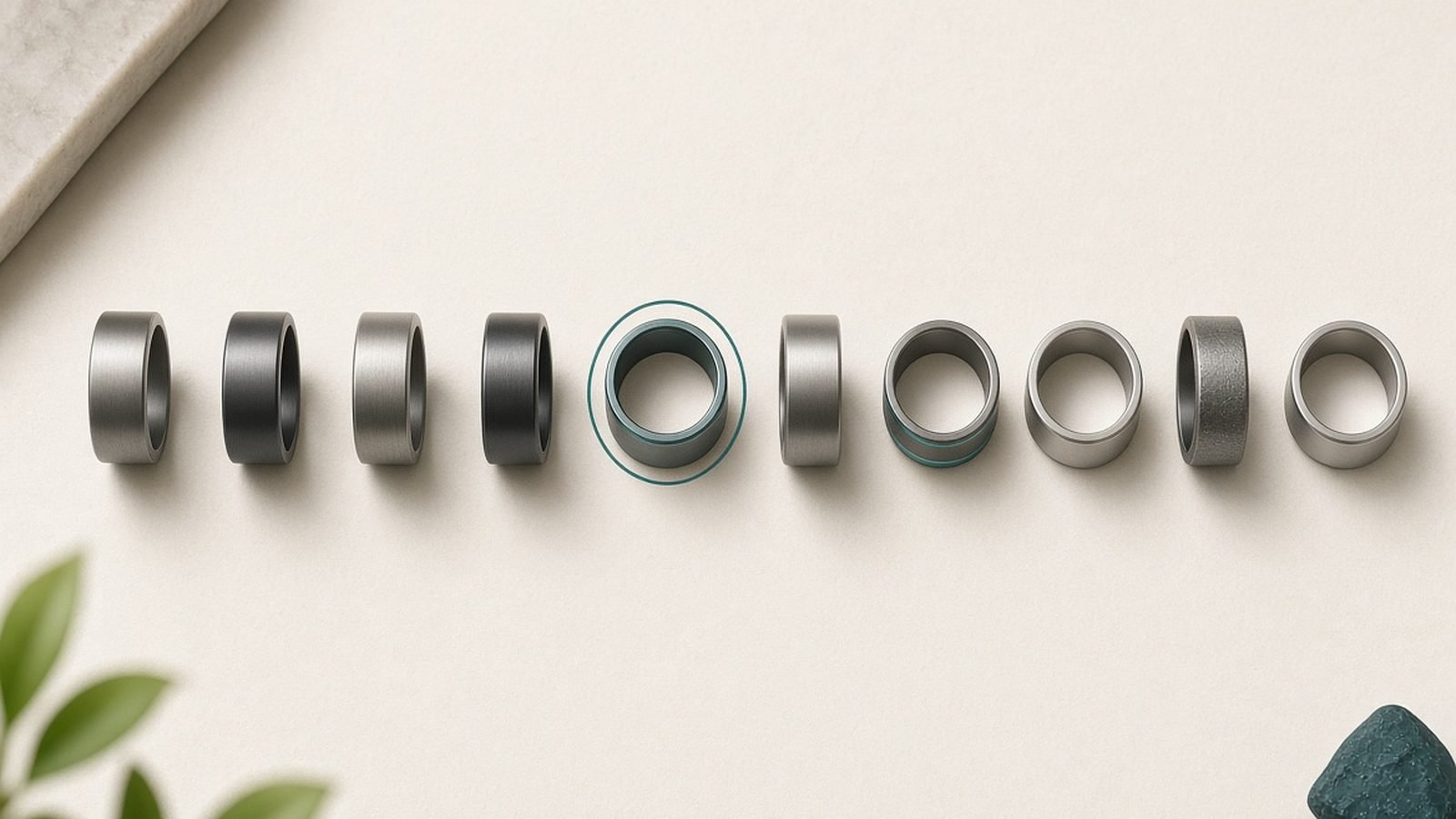
- Smart rings — the Helio Ring, Amazfit’s entry into the smart-ring space for sleep and recovery.
- Other wearables — audio and niche health devices under the Zepp umbrella.
- Software — the Zepp app and the optional Zepp Aura subscription for AI-driven sleep and wellness coaching.
Standout Amazfit products in 2026
- Amazfit Balance (and Balance 2) — the do-everything flagship: large AMOLED display, dual-band GPS, body-composition analysis, offline maps on the newer model, and roughly two weeks of battery. Around $249 / £215. A standout in our Best Smartwatches 2026: 7 Top Picks for Every Budget guide for value.
- Amazfit Active 2 — a compact, stylish mid-ranger with strong GPS and health tracking at a lower price, around $99 / £89.
- Amazfit T-Rex 3 — the rugged flagship for hikers and adventurers, with excellent battery, offline maps and serious durability.
- Amazfit GTR / GTS — the classic round and square lines for buyers who want a clean, everyday watch.
- Amazfit Bip 6 — the budget hero: proper AMOLED, GPS and long battery for a rock-bottom price, a regular in our Best Fitness Trackers 2026: Bands That Beat Smartwatches roundup.
- Amazfit Helio Ring — a screenless recovery ring competing with the smart-ring players in our Best Smart Rings 2026: Oura, Galaxy Ring & Cheaper Rivals guide.
Strengths
- Exceptional value. You get AMOLED screens, dual-band GPS and rich health tracking at prices well below Apple, Samsung, Garmin or Google.
- Class-leading battery life. One to two weeks on many models — genuinely a different league from an Apple Watch’s daily charging.
- Bright, premium-feeling hardware. The displays are excellent and build quality has improved markedly; the Balance and T-Rex feel far more expensive than they are.
- Mostly subscription-free. Core tracking, GPS and health metrics are free; only the AI sleep-coaching (Zepp Aura) is paid, unlike rivals that paywall basics.
- Wide range. From a sub-$60 Bip to a rugged adventure watch to a smart ring, there’s an Amazfit for most budgets and use cases.
Weaknesses & criticisms
- The Zepp app can be clunky. Navigation is unintuitive, translations are occasionally rough, and the analytics aren’t as polished or actionable as Garmin Connect or Fitbit’s app.
- Thin third-party ecosystem. Limited apps and watch-face quality control compared with Wear OS or watchOS; you’re mostly living inside Amazfit’s own features.
- Accuracy trails the leaders. GPS and optical heart rate have improved a lot but can still lag behind Garmin, Apple or a chest strap during intense intervals or in tricky environments — a real consideration for competitive athletes.
- Smart features are basic. No robust contactless payments in most regions, limited voice assistant, and notification handling that’s functional rather than slick.
- Software support varies. Update frequency and long-term support can be inconsistent across the sprawling model range, with older or budget devices dropped sooner.
- Data-privacy considerations. As with any wearable, health data flows through the maker’s app and cloud; privacy-conscious buyers should review Zepp’s policies.
Reliability & support
Amazfit hardware is generally reliable and durable, especially the rugged T-Rex line, and water resistance is solid across the range. Given the low prices, build quality punches above its weight — the most common complaints are the occasional dead sensor, band wear, and battery decline over time rather than widespread failures. The bigger reliability question is software: firmware updates fix bugs but can also introduce them, and the pace of support tapers off faster on cheaper models.
Warranty is typically one year (longer in some regions under local consumer law). Customer-service reputation is mixed and region-dependent — support quality and RMA turnaround vary by market and retailer, and getting a repair rather than a replacement is uncommon at these price points. If a device fails outside warranty, the economical move is usually to replace it, which the low prices make relatively painless. Overall: reliable hardware for the money, with software and support that are “good enough” rather than best-in-class.
Who should buy Amazfit
Buy Amazfit if you want maximum features and battery life per dollar, you’re a casual-to-keen fitness user rather than a competitive athlete, and you can live with a less polished app. It’s ideal for people who want a great-looking AMOLED smartwatch or rugged adventure watch without paying flagship prices, and for anyone tired of charging their watch every night. The Balance, Active 2 and Bip lines are among the best value wearables you can buy.
Look elsewhere if you need best-in-class GPS and heart-rate accuracy for serious training (Garmin or Coros), deep third-party app support and tight phone integration (Apple Watch or a Wear OS watch like the Pixel Watch or Galaxy Watch), or reliable contactless payments everywhere you go.
FAQ
Is Amazfit a good brand?
Yes — Amazfit is one of the best value brands in wearables, offering AMOLED screens, GPS, health tracking and huge battery life at low prices. It’s a weaker choice if you need flagship-grade accuracy, a polished app, or a rich third-party app ecosystem.
Is Amazfit reliable?
The hardware is generally reliable and durable for the price, with solid water resistance. The main caveats are software polish and inconsistent long-term update support across its wide model range, rather than frequent hardware failures.
Where is Amazfit from and who owns it?
Amazfit is the flagship brand of Zepp Health (formerly Huami), a company founded in 2013 and based in China, listed on the New York Stock Exchange. Huami originally manufactured Xiaomi’s Mi Band trackers before building Amazfit as its own brand.
Is Amazfit accurate?
Step, sleep and resting heart-rate tracking are reliably good. GPS and workout heart-rate accuracy have improved a lot and are fine for most users, but can still trail Garmin, Apple or a chest strap during high-intensity efforts or in difficult conditions.
Amazfit vs Garmin — which is better?
Amazfit wins decisively on price and battery-versus-features. Garmin wins on GPS and heart-rate accuracy, training analytics, app quality and long-term support. Choose Amazfit for value and everyday use, Garmin for serious, data-driven training.
Does Amazfit require a subscription?
No — core tracking, GPS and health metrics are free. Only the optional Zepp Aura AI sleep-coaching feature is a paid subscription, which is a real advantage over rivals that paywall basic insights.
Zen Tech Hub may earn a commission from links on this page, at no extra cost to you.