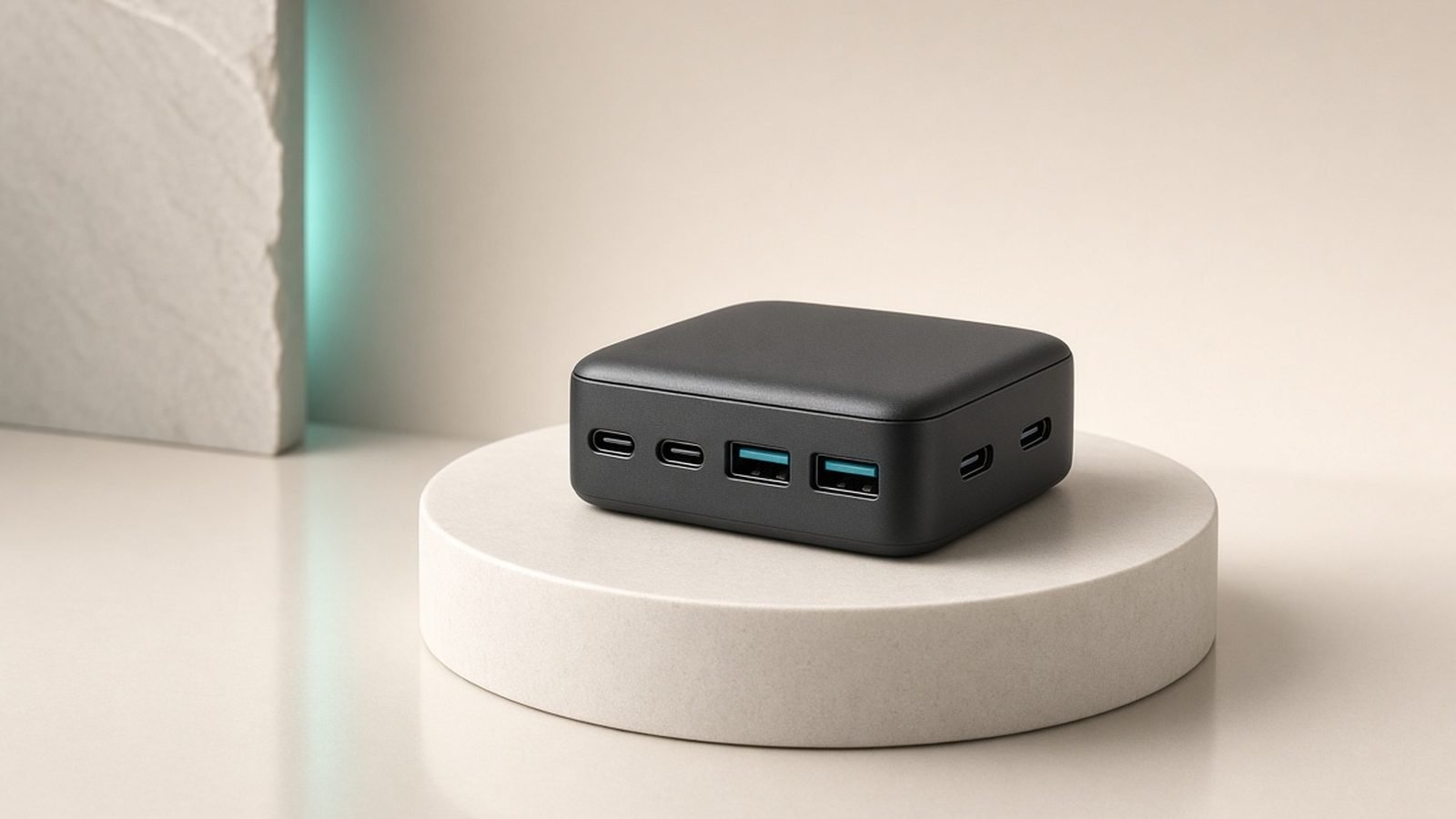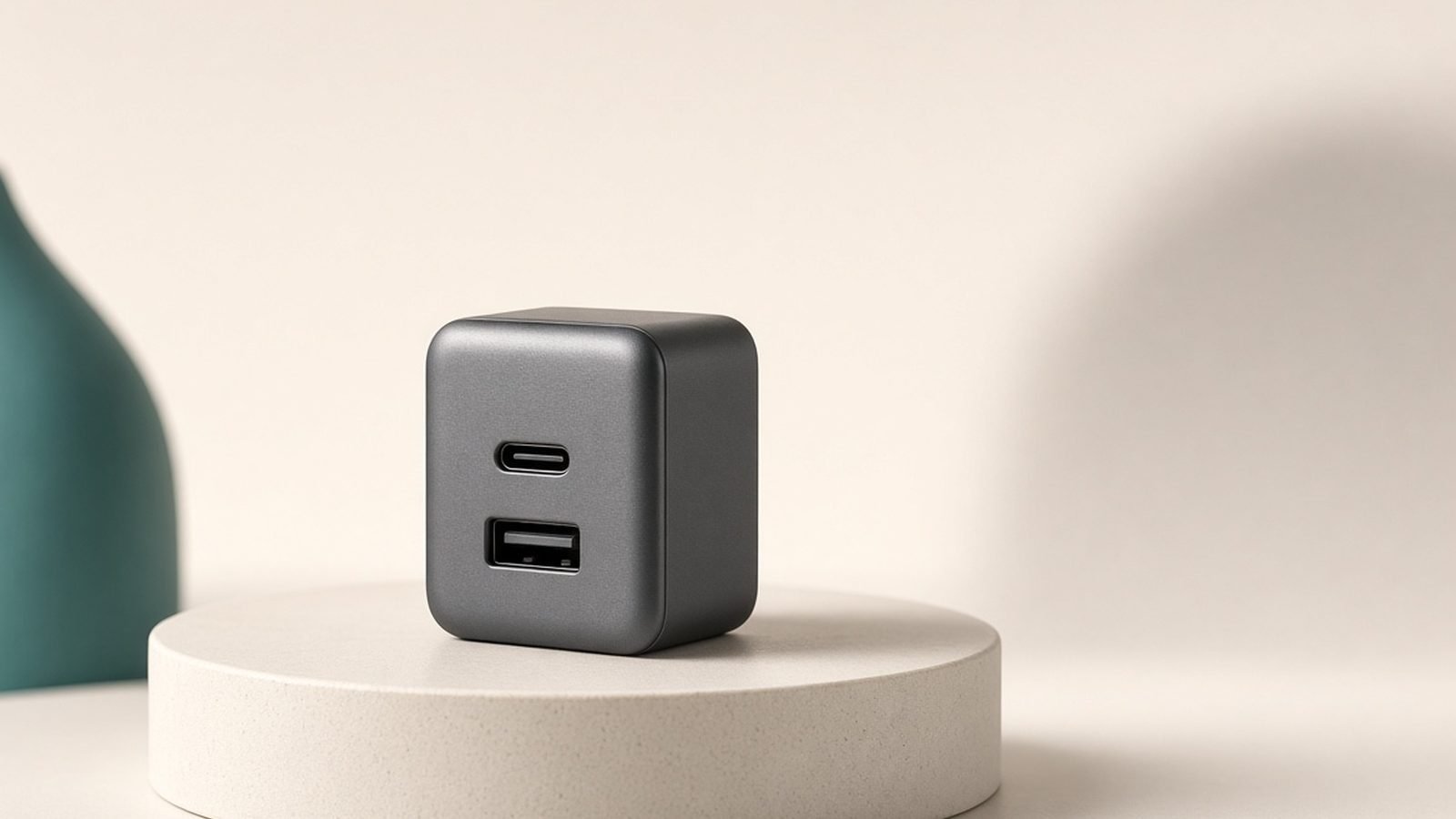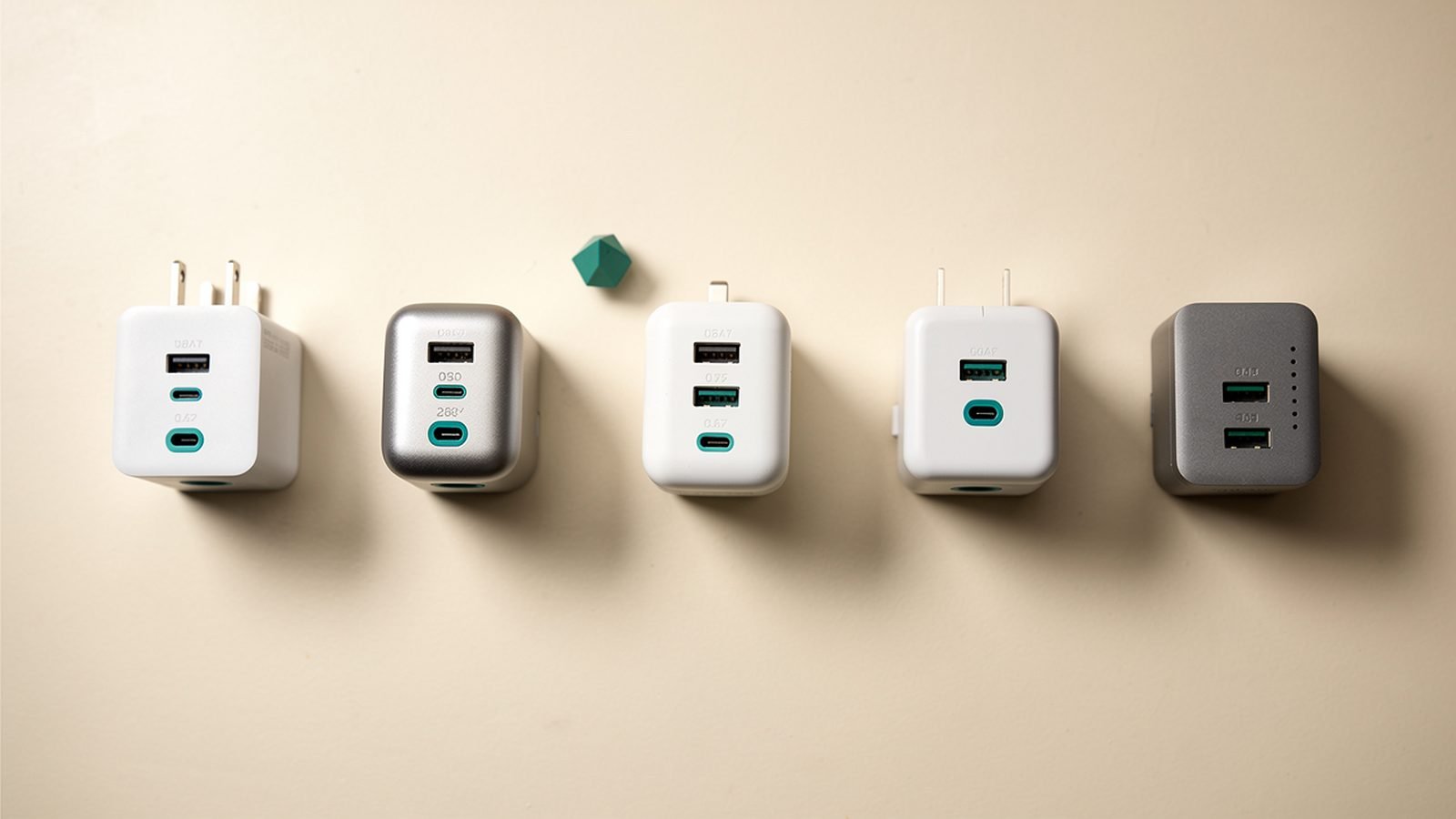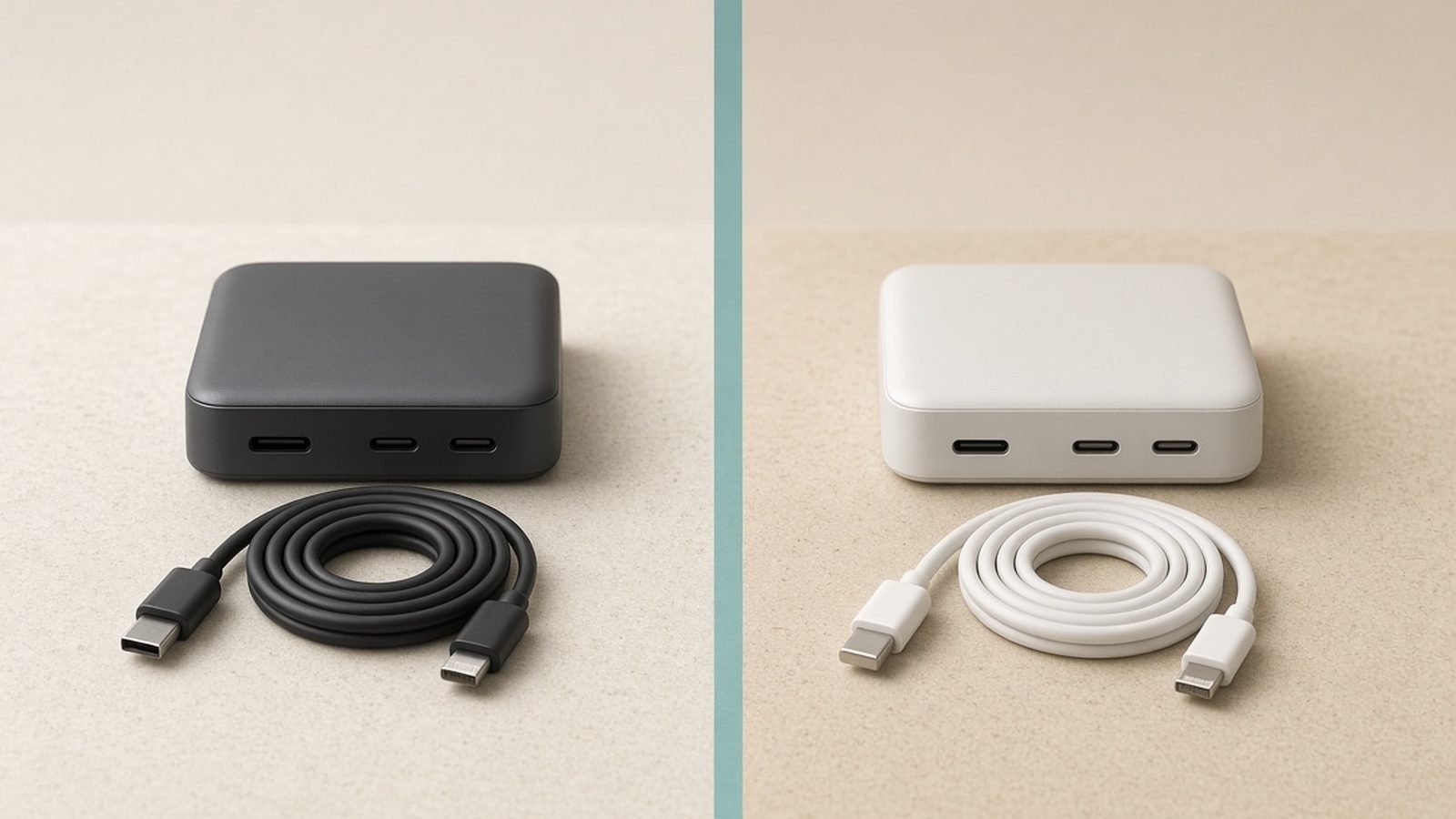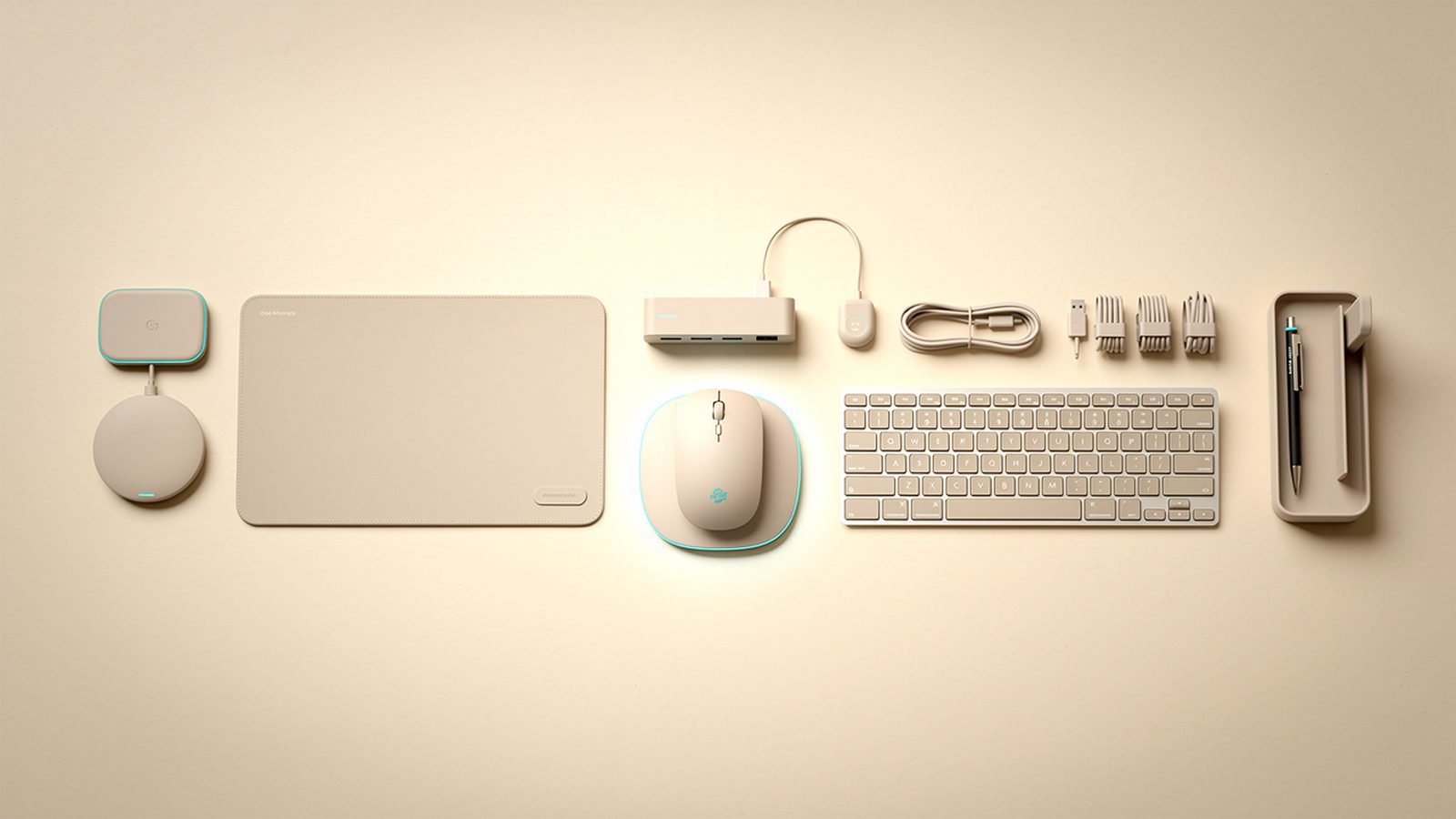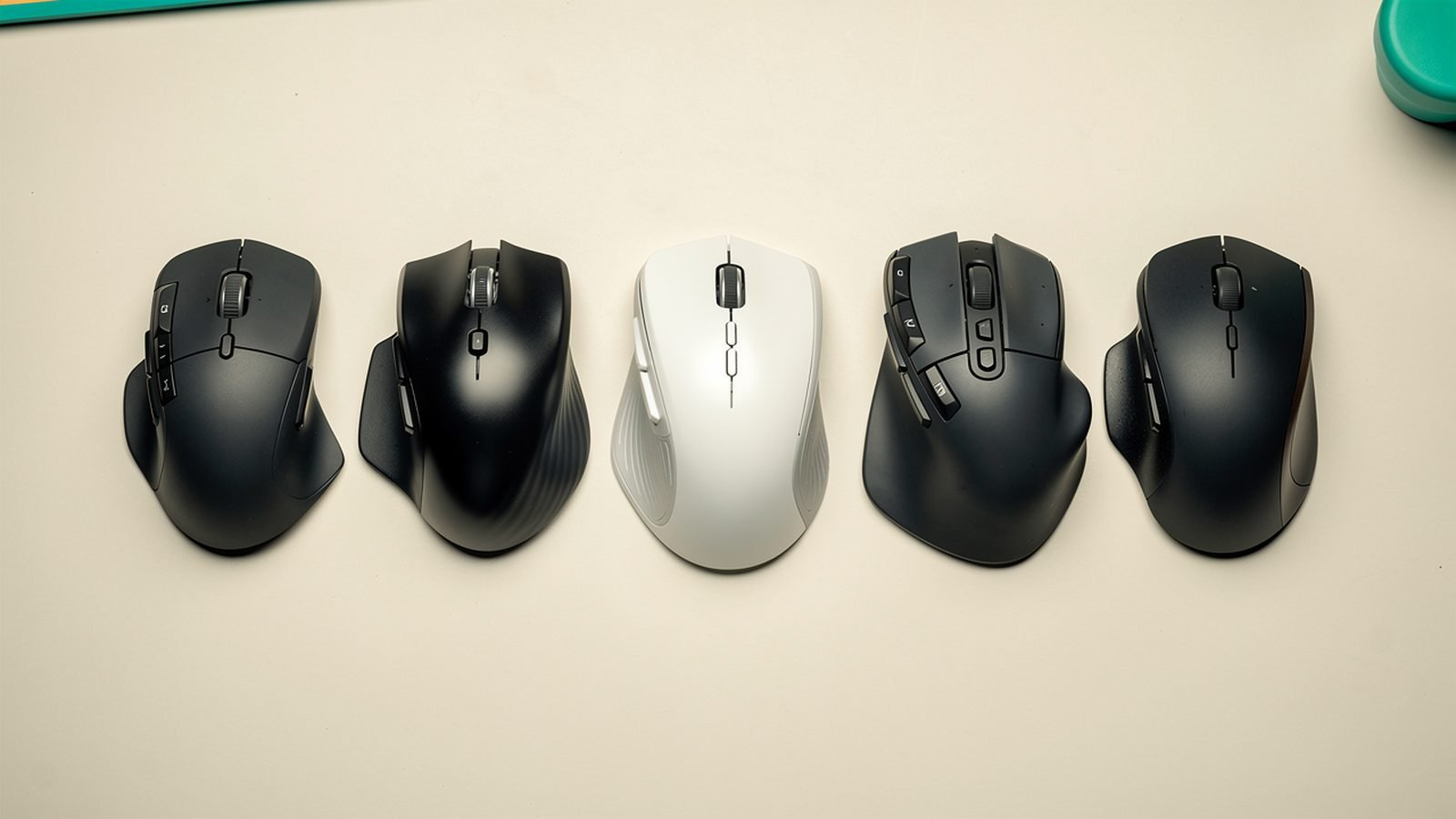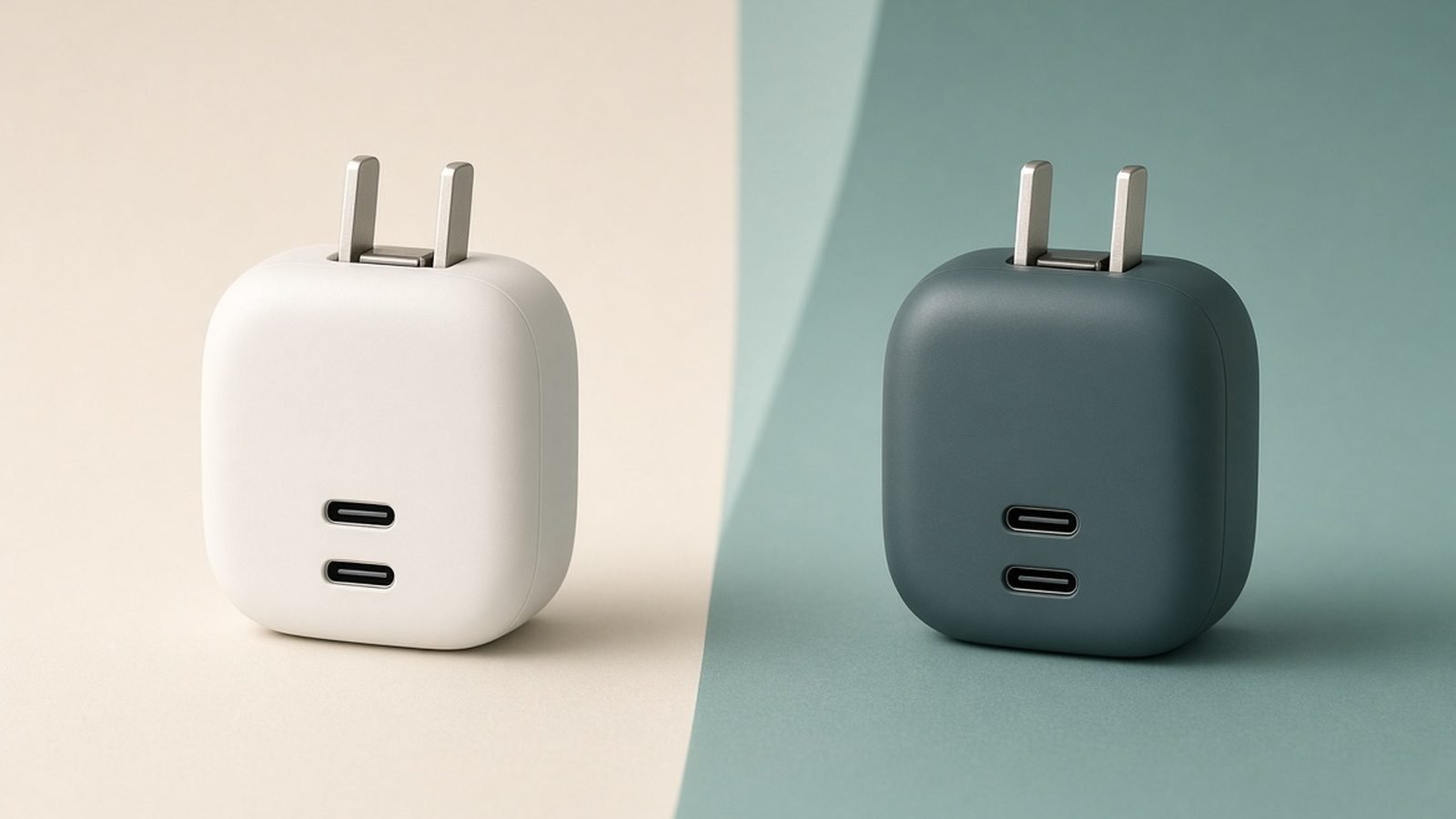
When your charger shortlist comes down to Anker vs UGREEN, you’re choosing between the two best GaN charging brands in the world — so there’s no bad answer, only the right one for how you charge. This comparison narrows the focus to chargers specifically (wall bricks and desktop stations, not power banks or hubs) and puts the flagship lines head to head: Anker Prime vs UGREEN Nexode.
The short answer up front: UGREEN Nexode wins on value and size, Anker Prime wins on features and support. If you want the smallest, cheapest brick that hits the wattage you need, buy UGREEN. If you want a smart display, app control and the most frictionless warranty service in the business, buy Anker. Most people should pick per product, not per logo — and this guide shows exactly where each brand pulls ahead.
Anker vs UGREEN chargers at a glance
| Factor | Anker Prime | UGREEN Nexode | Winner |
|---|---|---|---|
| Single-port power | Up to 140W (PD 3.1) | Up to 140W (PD 3.1) | Tie |
| Size for wattage | Compact | Slightly smaller | UGREEN |
| List price | Higher | 10–20% lower | UGREEN |
| Displays / app | Yes (on many models) | Rare / none | Anker |
| Desktop stations | Prime 250W with screen | Nexode 100–300W, screenless | Anker (features) |
| Warranty | 18–24 months | 24 months | UGREEN (on paper) |
| Support speed | Fast, low-friction | Improving, slower | Anker |
| Sale-event discounts | Deeper cuts | Constant coupons | Split |
- Buy Anker if: you want live wattage readouts, app control, ecosystem accessories, and the fastest warranty replacements.
- Buy UGREEN if: you want the same charging speed in a smaller, cheaper package and don’t need a screen.
- Split the difference if: you’re kitting out a desk — a UGREEN travel brick plus an Anker desktop station is a very rational 2026 loadout.
For the full brand rivalry across power banks and hubs too, see our broader Anker vs UGREEN in 2026: Which Charging Brand Wins? breakdown. This guide stays on chargers.
Power and charging speed
At the single-port ceiling, this is a genuine tie. Both brands’ flagship chargers deliver a full 140W over USB-C Power Delivery 3.1, which is the fast-charge rating for a 16-inch MacBook Pro and enough for essentially any USB-C laptop. Charge one laptop from either brand’s 140W brick and you won’t measure a meaningful difference — our Ugreen Nexode 140W Review 2026: Specs, Value & Verdict confirms UGREEN hits the full 140W, and Anker’s Prime bricks match it.
The nuance is in multi-port allocation. Both split their total wattage across connected devices, and both do it sensibly. Based on aggregated owner reports, Anker’s Prime power logic is marginally more graceful — it tends to renegotiate splits more smoothly when you hot-plug a third device, where some UGREEN units briefly disconnect and re-handshake. It’s a small, occasional difference, not a dealbreaker, and it only matters if you frequently add and remove devices from a shared charger.
Both brands support PPS, so Samsung Super Fast Charging 2.0 (up to 45W), Pixel fast charging, iPhone full-speed PD and USB-C laptops are all covered. Whichever you pick, pair it with a properly rated cable from our Best USB-C Cables 2026: Fast Charging & Data Ranked guide — 140W charging needs a 140W-rated cable, and neither brand always includes one.
Verdict: tie on speed, narrow edge to Anker on multi-port grace.
Size and design
GaN internals keep both brands’ chargers far smaller than legacy supplies, but UGREEN consistently wins the size-to-wattage race by a hair. Across comparable wattages, the Nexode brick is usually a touch smaller and lighter than the equivalent Prime — noticeable if it’s living in a bag. UGREEN’s US models fold their prongs flat; Anker’s do too on most Prime bricks, so travel-friendliness is close.
Where Anker pulls ahead is the premium feel and the display. Prime bricks feel marginally more substantial and better-finished, and many carry a small readout that UGREEN’s screenless Nexode bricks don’t. On finish specifically, some UGREEN colourways use glossy accents that pick up scuffs over time, where Anker’s matte surfaces hide wear better. Neither affects charging; it’s about how the thing feels after a year in a bag.
Verdict: UGREEN for smallest size, Anker for premium feel and readouts.
Desktop charging stations
This is the category where the brands’ philosophies diverge most. Anker’s Prime 250W Charging Station is a six-port desktop unit with a colour display showing live per-port wattage and an app for power history and port control — the most feature-rich desk charger on the market, at around $170 / £150. We cover it in full in our Anker Prime 250W Charger Review 2026: Desktop Power Hub.
UGREEN’s Nexode desktop chargers (from 100W up to 300W) counter with more watts per pound and simpler, screenless designs. If you just want reliable wattage for a family charging drawer or a multi-device desk and don’t care about a display, UGREEN’s desktop units at sale price are hard to argue with. If you want to see what six devices are drawing and prioritise a port from an app, Anker’s Prime station justifies its premium.
Verdict: Anker wins on desktop features, UGREEN wins on desktop value.
Features and ecosystem
Anker’s Prime line isn’t just chargers — it’s a system. Displays, app connectivity, a Prime charging base, and consistent design across bricks, stations and power banks mean the pieces work together and look coherent on a desk. If you value that kind of ecosystem, Anker is the clear pick.
UGREEN’s Nexode line is deliberately simpler: excellent chargers with fewer frills and lower prices. There’s no meaningful app play, no display on most bricks, and no ecosystem to buy into — which many buyers see as a feature, not a gap. You’re paying for the charging, not the software.
Verdict: Anker for features and ecosystem, UGREEN for do-one-thing-well simplicity.
Price, warranty and support
On list price, UGREEN is consistently cheaper — typically 10–20% under Anker’s equivalent — and it runs near-permanent clip coupons on Amazon US and UK. On sale events, Anker’s flagship Prime gear sees deeper percentage cuts during Prime Day, Black Friday and Anker’s own anniversary sales, briefly making Anker the cheaper buy. The practical rule: buying today at full price, UGREEN usually wins; waiting for a big sale, the gap often closes.
On warranty, UGREEN offers 24 months as standard on most chargers, while Anker typically offers 18 months extended to 24 with registration — so UGREEN edges it on paper. But on support quality, Anker pulls clearly ahead: based on hundreds of owner reports across Reddit, Trustpilot and Amazon, Anker’s service is famously fast and low-friction, with replacements often shipping after minimal back-and-forth. UGREEN’s support has improved markedly since 2023 and resolves issues, but owners report more friction and slower turnaround. For ugreen vs anker uk buyers specifically, both honour warranties properly; Anker’s UK operation is simply the smoother of the two.
Verdict: UGREEN on price and paper warranty, Anker on support experience.
Which should you buy?
There’s no wrong answer here — both brands make chargers we’d happily recommend — but the decision splits cleanly:
Buy UGREEN Nexode if you want the best value and the smallest brick for the wattage. Its 140W three-port charger matches Anker’s charging speed for less money in a slightly smaller body, and its desktop units give you more watts per pound. It’s the right pick for travellers, value-focused buyers, and anyone who doesn’t care about a display. Our full Ugreen Nexode 140W Review 2026: Specs, Value & Verdict makes the case.
Buy Anker Prime if you want features and support. The Prime 250W desktop station’s colour display and app are genuinely useful on a busy multi-device desk, its power allocation is marginally smoother, and Anker’s warranty service is the most frictionless in the accessory business. It’s the right pick for feature-lovers, ecosystem buyers and anyone who values fast support over saving a few pounds.
Buy both if you’re building a full setup: a UGREEN Nexode 140W in the bag for travel and an Anker Prime station on the desk is a very well-equipped 2026 loadout. For the complete shortlist of GaN bricks across both brands and others, our Best GaN Chargers 2026: 30W to 160W Compared & Ranked roundup ranks them all.
FAQ
Is Anker or UGREEN better for chargers?
Neither is universally better — it depends on priorities. On charging speed they’re tied, since both hit a full 140W. UGREEN wins on price and size; Anker wins on features (displays, app) and support speed. Buy UGREEN for the best value brick, Anker for the most feature-rich desktop station and the fastest warranty service.
Do Anker and UGREEN chargers charge at the same speed?
At the single-port level, effectively yes. Both brands’ flagship chargers deliver a full 140W over USB-C PD 3.1 and support PPS for Samsung and Pixel fast charging. You won’t measure a meaningful difference charging one laptop. Anker’s multi-port power allocation is marginally smoother when hot-plugging extra devices, but that’s a small, occasional edge, not a speed advantage.
Is UGREEN cheaper than Anker in the UK?
Usually, yes. UGREEN’s UK list prices run roughly 10–20% below Anker’s equivalents, and Amazon UK clip coupons are near-constant. Anker narrows the gap during Prime Day and Black Friday, when its flagship Prime gear sees deeper percentage cuts. Time-flexible buyers can get either brand at a similar price during big sale events.
Which brand has better warranty and support?
UGREEN offers a longer standard warranty on paper — 24 months versus Anker’s typical 18 (extended to 24 with registration). But Anker’s support is faster and lower-friction in aggregated owner reports, often shipping replacements with minimal back-and-forth. UGREEN’s support has improved but tends to involve more waiting. Longer warranty goes to UGREEN; better service experience goes to Anker.
Anker Prime vs UGREEN Nexode: what’s the real difference?
Prime and Nexode are the brands’ flagship GaN charger lines, and charging performance is comparable at each wattage. The difference is philosophy: Anker Prime adds displays, app connectivity and ecosystem accessories at a higher price, while UGREEN Nexode focuses on smaller sizes and lower prices with fewer frills. Buy Prime for the experience and features, Nexode for the value — you won’t notice a charging-speed difference.
Are both brands safe to use with an expensive laptop?
Yes. Both Anker and UGREEN certify their chargers properly for US and UK sale (UL/ETL where relevant, FCC, CE/UKCA) and include over-voltage, over-current and thermal protections across their GaN lines. Both negotiate power safely with your laptop via USB Power Delivery. On present evidence we’d use either brand’s current chargers with any laptop without hesitation.
Zen Tech Hub may earn a commission from links on this page, at no extra cost to you.