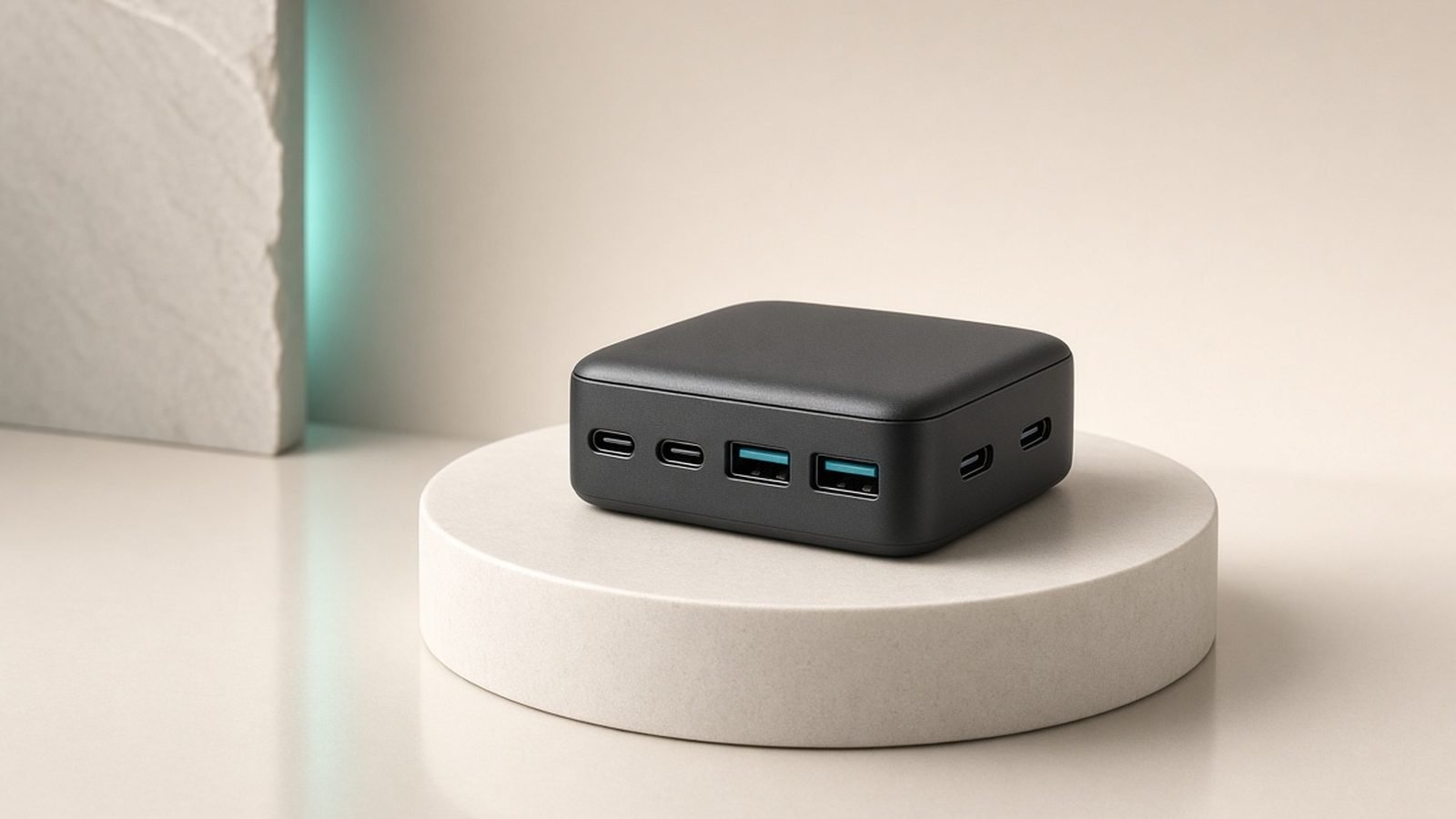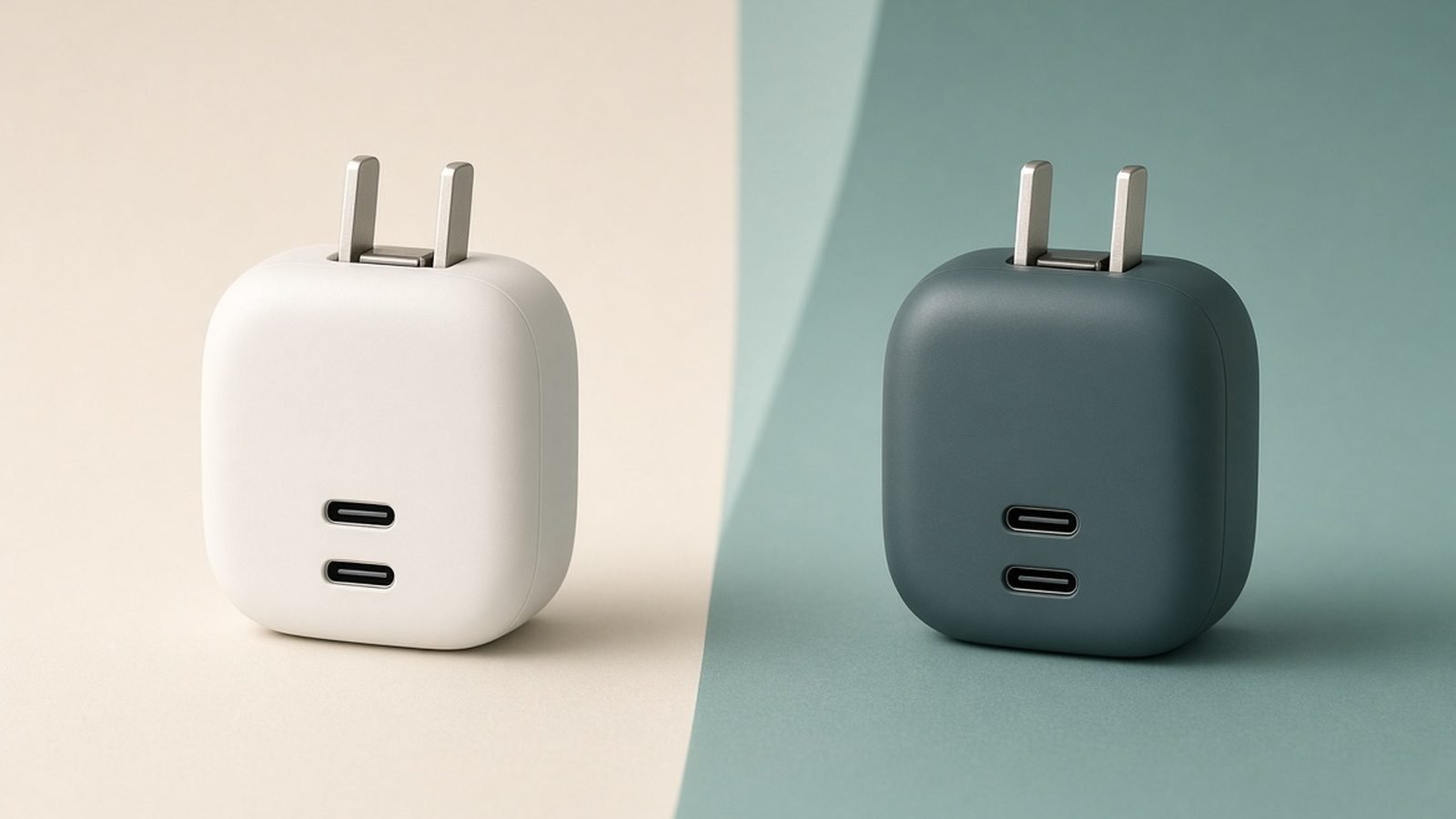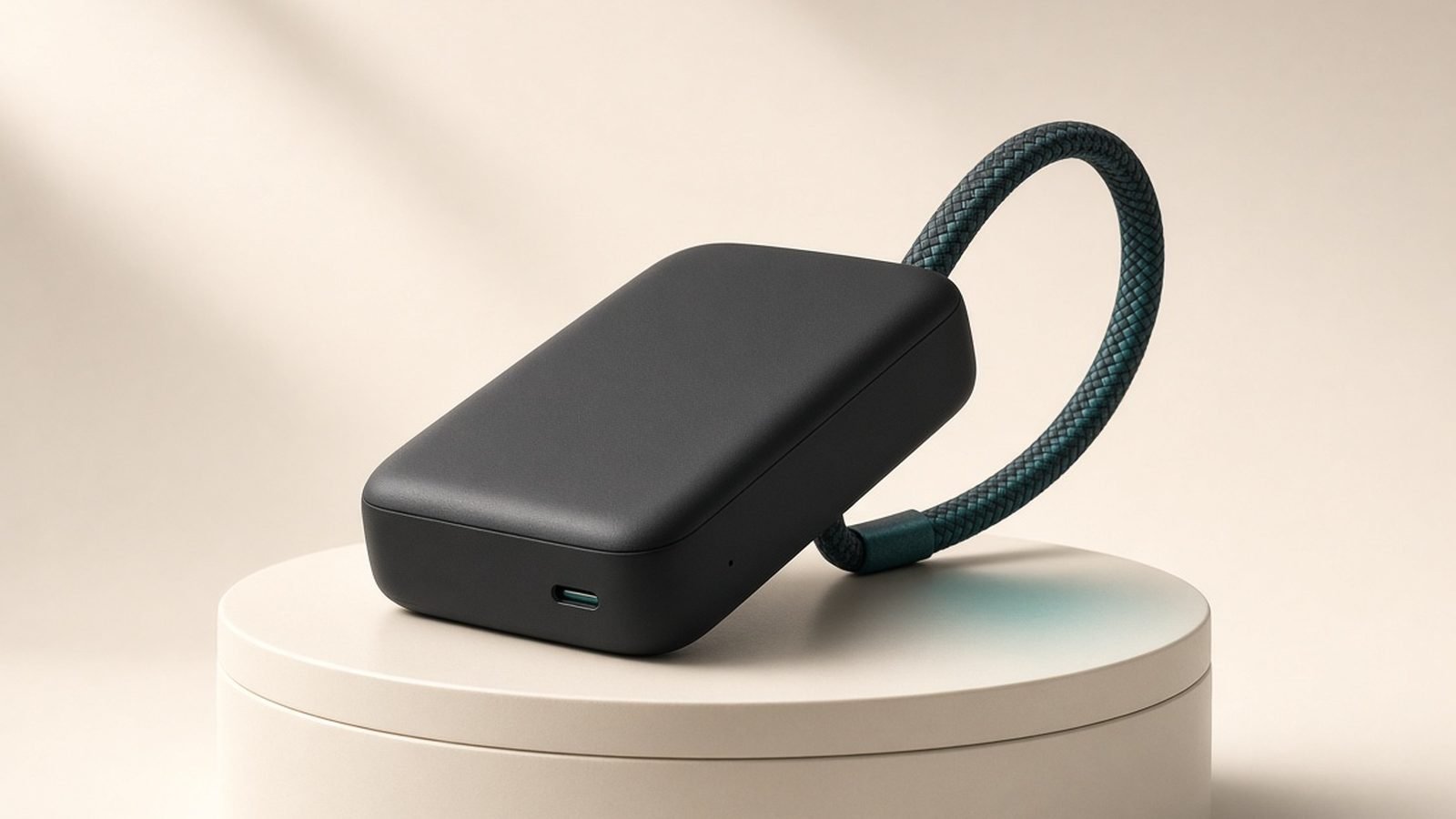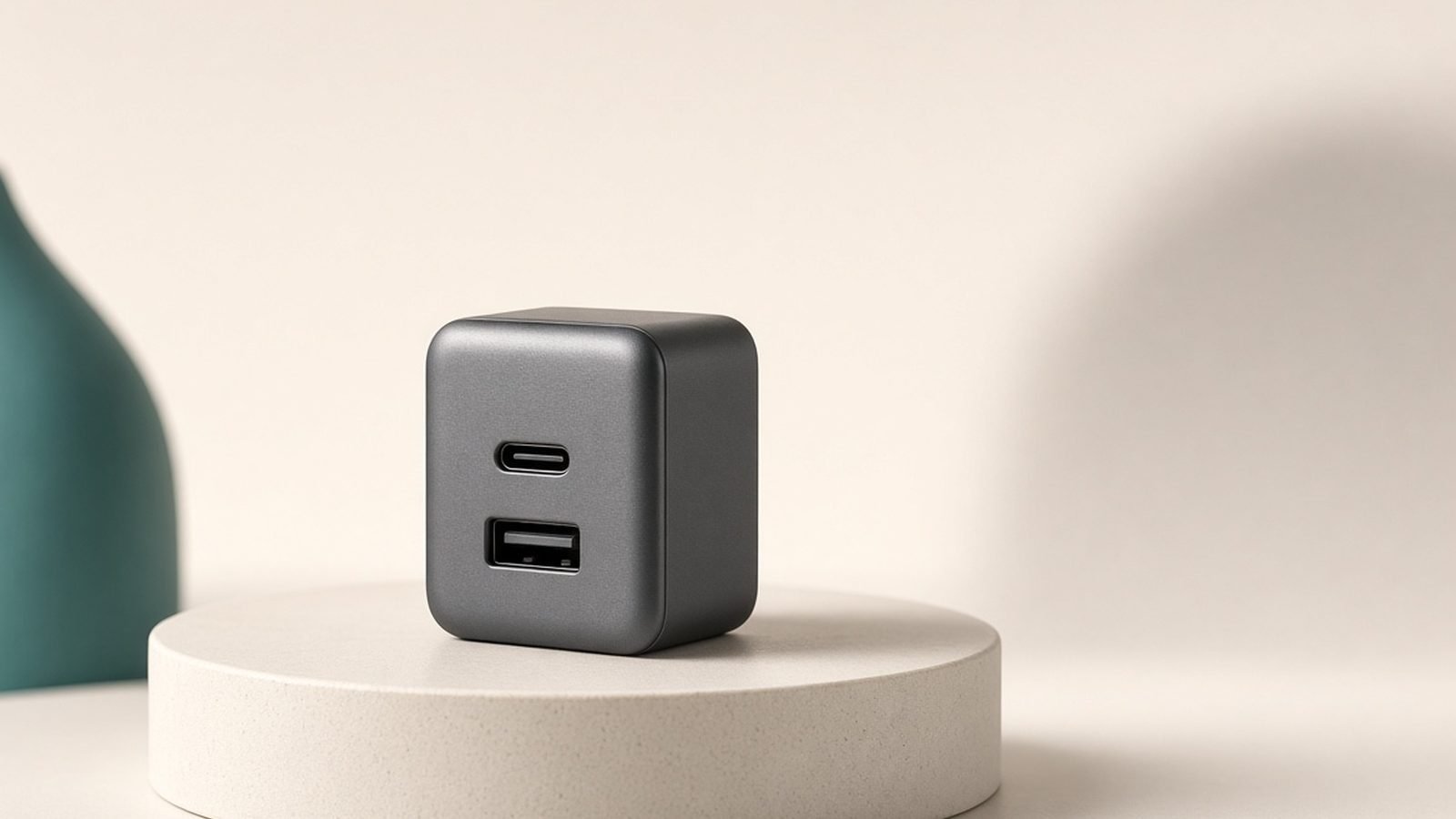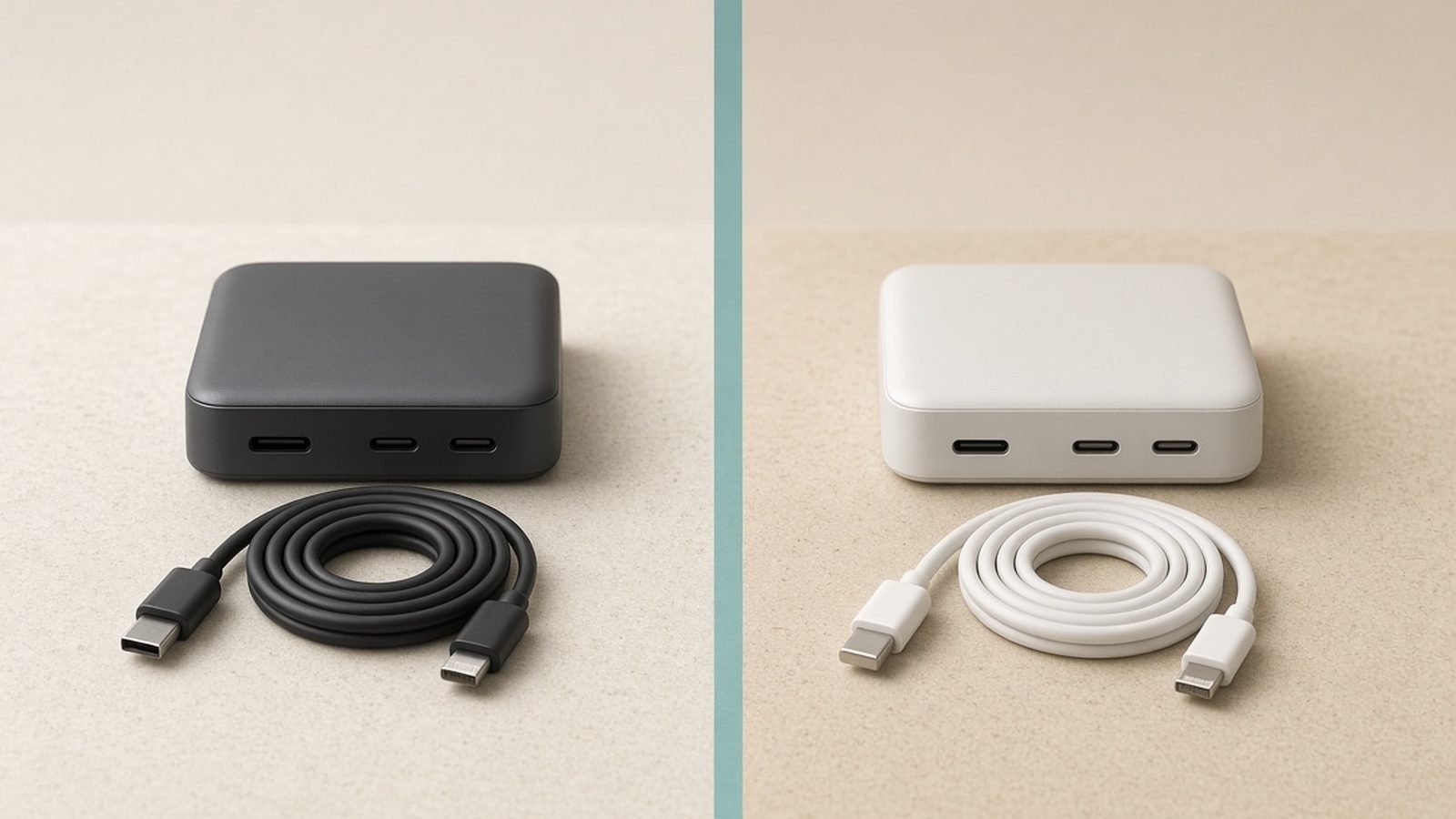
If you’ve shortlisted a new charger, power bank or USB-C hub, the final round almost always comes down to Anker vs UGREEN. Both are Shenzhen-born accessory giants, both build genuinely excellent GaN chargers, and both discount aggressively on Amazon in the US and UK. But they are not interchangeable: in our research across dozens of current products and hundreds of owner reports, clear patterns emerge in pricing, design philosophy, warranty handling and — after Anker’s high-profile power bank recalls — safety track record.
This comparison pits the two brands against each other category by category, with a direct head-to-head in each one, so you can buy the right product rather than just the right logo.
Quick Answer: Which Brand for Which Buyer
Short version: Anker wins on polish, ecosystem and warranty support; UGREEN wins on price-per-watt and desk-friendly hubs and docks. Most people should pick per product, not per brand.
| Category | Anker Pick | UGREEN Pick | Our Winner |
|---|---|---|---|
| 100W wall charger | Prime Charger (100W, 3 Ports) — around $85 / £65, street ~$55 | Nexode Pro 100W — around $75 / £60, street ~$56 | UGREEN (value), Anker for display/ecosystem fans |
| Laptop power bank | Laptop Power Bank (25K, 165W) — around $120 / £100 | Nexode 25,000mAh 200W — around $100 / £90 | Anker (usability), UGREEN for raw watts per pound |
| USB-C hub | Anker 555 8-in-1 — around $50 / £46 | Revodok Pro 210 — around $60 / £55 | UGREEN |
| Charging stations | Prime / 735 family | Nexode desktop family | Anker (narrowly) |
| Warranty & support | 18–24 months, responsive | 24 months, slower but improving | Anker |
| Typical street pricing | Frequent deep coupons | Consistently lower list + coupons | UGREEN |
- Buy Anker if: you want the slickest hardware, retractable cables, real-time display readouts, an app-connected ecosystem, and the most consistently rated customer support in the accessory business.
- Buy UGREEN if: you want 90% of that experience for 10–25% less money, especially on chargers, hubs and docking gear.
- Split your basket if: you’re kitting out a whole desk — an Anker power bank plus a UGREEN charger and hub is a very rational 2026 loadout.
For the broader landscape beyond these two brands, our category hub rounds up everything we recommend: Accessories & Charging
Brand Backgrounds, Warranties and Support Compared
Anker was founded in 2011 by ex-Googler Steven Yang and grew from replacement laptop batteries into the world’s best-known charging brand, now publicly listed with sub-brands like Soundcore and Eufy. UGREEN started in 2012 as a cable specialist and spent a decade as the value brand before its Nexode GaN line made it a genuine flagship competitor around 2021–2022.
So, is UGREEN a good brand? Yes — unambiguously. It listed on the Shenzhen stock exchange in 2024, ships tens of millions of units a year, and its Nexode chargers routinely earn the same editorial recommendations as Anker’s. The “cheap Anker clone” reputation is years out of date.
Warranty: UGREEN offers 24 months as standard on most products in both the US and UK, with registration sometimes extending it further. Anker typically offers 18 months, extended to 24 with registration on many lines, plus lifetime warranties on some cables. On paper, UGREEN edges it.
Support quality is where Anker pulls ahead. Based on hundreds of owner reports across Reddit, Trustpilot and Amazon reviews, Anker’s support is famously fast — replacements often ship with minimal interrogation. UGREEN support has improved markedly since 2023 and generally resolves issues, but owners report more back-and-forth and slower turnaround. For ugreen vs anker uk buyers specifically: both honour warranties properly, but Anker’s UK operation is the more frictionless of the two.
Wall Chargers Head-to-Head: Anker Prime 100W vs UGREEN Nexode Pro 100W
This is the classic ugreen vs anker charger matchup, and the ugreen nexode vs anker prime rivalry is where the two brands’ philosophies show most clearly.
Anker Prime Charger (100W, 3 Ports)
Anker’s flagship compact brick: two USB-C ports, one USB-A, GaN internals, and the Prime line’s excellent power allocation logic. A single USB-C device gets the full 100W; split across two USB-C ports you typically get 60W + 40W-class output — enough for a MacBook Pro 14 and an iPad simultaneously. Build quality is superb, and it pairs with Anker’s Prime charging base and app ecosystem if you go deeper into the range.
List price is around $85 / £65, but street pricing regularly drops to roughly $55 during Anker’s frequent coupon cycles.
Pros
- Class-leading build and finish; compact for 100W
- Smart, predictable multi-port power allocation
- Slots into the wider Anker Prime ecosystem
- Anker’s best-in-class support behind it
Cons
- Highest list price in its class
- Foldable-prong US version only; UK plug is bulkier
- You’re partly paying for the badge
Check price: Anker Prime Charger (100W, 3 Ports)
UGREEN Nexode Pro 100W
UGREEN’s answer is smaller than you’d expect for 100W, with the same 2× USB-C + 1× USB-A layout. The Nexode Pro range uses UGREEN’s newer-generation GaN designs and runs impressively cool under sustained load, according to aggregated owner feedback. Multi-port splits are similar to Anker’s — 65W + 30W-class across two USB-C devices — and single-port output is a full 100W with PD 3.0/PPS support for Samsung Super Fast Charging 2.0.
At around $75 / £60 list and roughly $56 street, it’s usually the cheaper buy at RRP and about level with Anker when both are discounted — but UGREEN discounts more often.
Pros
- Excellent size-to-wattage ratio; genuinely pocketable
- Cheaper list price, frequent coupons in US and UK
- Full PPS support for Samsung and Pixel fast charging
- 24-month warranty as standard
Cons
- Port-split behaviour occasionally renegotiates (brief disconnect) when hot-plugging a third device
- No ecosystem play — it’s just a very good charger
- Glossy accents on some finishes pick up scuffs
Check price: UGREEN Nexode Pro 100W
Head-to-head verdict: Performance is effectively a tie, so the anker vs ugreen quality question here comes down to details: Anker feels marginally more premium and allocates power slightly more gracefully; UGREEN is smaller and usually cheaper. For most buyers, the Nexode Pro 100W is the smarter spend. If you’re building an Anker Prime desk setup, stay in-house. Our full ranking of GaN bricks lives here: Best GaN Chargers 2026: 30W to 160W Compared & Ranked
Power Banks Head-to-Head: Anker Laptop Power Bank vs UGREEN Nexode 200W
The anker vs ugreen power bank battle at the 25,000mAh laptop tier is the most interesting matchup of 2026, because the two brands optimised for completely different things.
Anker Laptop Power Bank (25K, 165W)
Anker’s retractable-cable flagship is the most usable power bank we’ve researched: a built-in retractable USB-C cable rated for thousands of pulls, a second strap-style cable, extra ports for 165W total output, and a smart display showing per-port wattage. Owners consistently praise never having to remember a cable. Single-port output hits 100W, enough for any USB-C laptop, and 25,000mAh is the maximum you can carry on flights in the US and UK.
Price is around $120 / £100, and it discounts less often than UGREEN’s rival.
Pros
- Retractable built-in cable is a genuine daily-use advantage
- Clear display with per-port power readouts
- 100W single-port output; airline-max 25K capacity
- Strong owner-reported reliability since its 2025 launch
Cons
- Around $20 / £10 more than the UGREEN
- 165W total is lower than UGREEN’s 200W when charging multiple devices
- Chunky in a jacket pocket at ~595g
Check price: Anker Laptop Power Bank (25K, 165W)
We’ve covered this bank in depth, including recharge times and airline rules, in our standalone review: Anker Laptop Power Bank Review (25K, 165W): Worth It?
UGREEN Nexode 25,000mAh 200W
UGREEN’s counterpunch is raw output: 200W total across its ports, with up to 140W PD 3.1 from the primary USB-C port — enough to fast-charge a 16-inch MacBook Pro at a rate Anker’s bank can’t match. You also get a display, 25,000mAh capacity, and a 65W self-recharge that refills the bank quickly. There’s no built-in cable, though; you bring your own, and it needs to be a 140W-rated one to hit full speed.
At around $100 / £90 — and frequently couponed below that — it undercuts Anker meaningfully.
Pros
- 140W single-port and 200W total output — class-leading power
- Around 20% cheaper than Anker’s equivalent
- Fast 65W self-recharging
- Display shows real-time output
Cons
- No built-in or retractable cables
- Slightly heavier and boxier than the Anker
- Full 140W requires a PD 3.1 laptop and a 140W cable most people don’t own
Check price: UGREEN Nexode 25,000mAh 200W
Head-to-head verdict: UGREEN wins the spec sheet; Anker wins real life. Unless you specifically own a 140W-capable laptop, the retractable cable will improve your day more than the extra 35W ever will. Anker takes this category — but the UGREEN is the better buy for 16-inch MacBook Pro owners and anyone charging a laptop plus two phones at once. More options at every price in our laptop power bank guide: Best Power Banks for Laptops in 2026: 100W+ Picks Compared
USB-C Hubs and Docks Compared
The anker vs ugreen usb c hub contest is the one category where UGREEN has quietly become the default recommendation.
Anker 555 8-in-1 Hub
A long-running favourite at around $50 / £46: 100W pass-through USB-C, 4K@60Hz HDMI, two USB-A, one USB-C data, Ethernet, and SD/microSD slots. It’s compact, reliable, and backed by Anker support. The catch is age — the 555 predates the current wave of hubs, its 4K60 support is finicky with some laptops (many owners report 4K30 in practice), and Anker’s hub lineup has seen less investment than its charging lines.
Pros
- Proven, widely reviewed design with strong reliability record
- Gigabit Ethernet plus SD/microSD in a small body
- 100W pass-through charging
- Usually the cheaper of the two
Cons
- 4K@60Hz support inconsistent across host laptops
- Older design; runs warm under sustained SSD transfers
- Anker’s hub range feels like an afterthought next to its chargers
Check price: Anker 555 8-in-1 Hub
UGREEN Revodok Pro 210
UGREEN’s Revodok Pro 210 is the newer design: 10 ports including 4K@60Hz HDMI, 10Gbps USB data ports, Gigabit Ethernet, SD/microSD, and 100W pass-through. In aggregated owner feedback it holds 4K60 more reliably on MacBooks and USB4 Windows laptops than the Anker 555, and the 10Gbps ports matter for external SSDs. At around $60 / £55 it costs a little more, but it’s the more current product.
Pros
- Dependable 4K@60Hz HDMI on modern laptops
- 10Gbps data ports — double-digit real-world SSD gains over the 555
- 10 ports without becoming a brick
- Regularly discounted below the Anker’s street price
Cons
- Slightly higher list price
- Gets warm (though not alarmingly) with display + SSD + charging simultaneously
- No DisplayPort — HDMI only
Check price: UGREEN Revodok Pro 210
Head-to-head verdict: UGREEN wins hubs. The Revodok Pro line is simply where more engineering attention has gone, and it shows in display handling and data speeds. MacBook owners weighing more options should read: Best USB-C Hubs for MacBook Pro & Air in 2026
Charging Stations Compared
For desktop charging stations — multi-port bricks that live on a desk — Anker’s Prime line (like the 6-port 250W station) offers per-port readouts, app control and premium build, while its older 735/747 GaNPrime units remain great value. UGREEN’s Nexode desktop chargers (100W to 300W) counter with more watts per pound and simpler, screenless designs.
The pattern repeats: Anker sells the experience, UGREEN sells the output. Want visibility into what six devices are drawing? Anker’s stations justify their premium. Just need reliable wattage for a family charging drawer? UGREEN’s 200W Nexode desktop unit at sale price is hard to argue with. Narrow win for Anker on the Prime stations’ displays and port density.
Price and Deal Patterns: Who Discounts Deeper
Watch both brands for a few months, as we do, and the pattern is consistent:
- UGREEN’s list prices are lower — typically 10–20% under Anker’s equivalent — and it runs near-permanent clip coupons of 15–30% on Amazon US and UK.
- Anker’s list prices are higher but its event discounts cut deeper. Prime Day, Black Friday and Anker’s own anniversary sales regularly bring 30–43% off flagship Prime gear, briefly making Anker the cheaper buy.
- UK pricing tracks US pricing closely for both brands; UGREEN leans on Amazon UK coupons while Anker runs its own storefront promotions more often.
Practical rule: buying today at full price, UGREEN is usually cheaper. Waiting for a sale event, the anker vs ugreen price gap frequently collapses to nothing — at which point Anker’s support advantage tips the scales.
Safety, Certifications and Recall History
This section matters more in 2026 than it used to. In 2024–2025, Anker issued recalls covering several power bank models — most prominently the PowerCore 10000 (A1263), with over a million units recalled in the US in June 2025 — due to a lithium-ion cell defect from a battery supplier that posed a fire risk. The affected cells came from an upstream supplier whose batches triggered recalls and airline scrutiny industry-wide.
Two fair conclusions. First, it’s a genuine blemish — Anker built its brand on safety, and a million-unit recall dents that. Second, the response was what you’d want: proactive notification, replacements or gift cards, and a publicised shift toward stricter cell sourcing and in-house quality auditing. Notably, none of Anker’s current 2026 flagship banks, including the Laptop Power Bank above, were part of those recalls.
UGREEN has had no comparable large-scale recall to date. That’s a real point in its favour, with the caveat that Anker ships far more battery products, so exposure isn’t equal. Both brands certify properly for US and UK sale (UL/ETL where relevant, FCC, CE/UKCA) and include standard over-voltage, over-current and thermal protections across their GaN lines. On present evidence, we’d carry either brand’s current-generation products without hesitation; whichever you buy, register it so recall notices reach you.
Category-by-Category Winners Table
| Category | Winner | Margin | Why |
|---|---|---|---|
| Wall chargers | UGREEN | Narrow | Equal performance, smaller, cheaper at street price |
| Power banks | Anker | Narrow | Retractable cable beats extra wattage for most people |
| USB-C hubs | UGREEN | Clear | Newer designs, better 4K60 and 10Gbps data |
| Charging stations | Anker | Narrow | Prime displays and port density |
| Warranty & support | Anker | Clear | Faster, lower-friction replacements |
| Pricing & deals | UGREEN | Clear | Lower list prices, constant coupons |
| Safety record | UGREEN | Narrow | No major recalls, but Anker’s response was solid |
Overall: 4–3 to UGREEN on categories, but Anker holds the two that involve trusting a battery in your bag. That’s the honest shape of this rivalry in 2026.
FAQ
Is UGREEN as good as Anker?
On chargers and hubs, yes — UGREEN’s Nexode and Revodok Pro lines match Anker’s performance in our research and often beat it on price and size. Anker still leads on power bank usability, ecosystem features like displays and apps, and customer support speed. Treat them as equals and pick per product rather than assuming Anker is automatically the safer choice.
Is UGREEN a Chinese company like Anker?
Yes. Both are headquartered in Shenzhen, China. Anker was founded in 2011 and UGREEN in 2012, and both are publicly listed companies with formal US and UK operations, local warranty support, and full FCC, CE and UKCA certification. Country of origin is identical, so it shouldn’t be a deciding factor between the two brands.
Which is cheaper in the UK, UGREEN or Anker?
UGREEN, most of the time. Its UK list prices run roughly 10–20% below Anker’s equivalents — £59.99 vs £64.99 for the 100W chargers compared here — and Amazon UK clip coupons are near-constant. Anker closes the gap during Prime Day and Black Friday, when its flagship gear sees deeper percentage cuts, so time-flexible UK buyers can get either brand at a similar price.
Are Anker power banks safe after the recall?
Current models, yes. The 2024–2025 recalls covered specific older models — most notably the PowerCore 10000 (A1263) — due to defective cells from an external supplier. Anker replaced affected units and tightened cell sourcing and quality auditing afterwards. Its 2026 lineup, including the Laptop Power Bank (25K, 165W), was not involved. Check Anker’s recall page with your serial number if you own an older bank.
UGREEN Nexode vs Anker Prime: what’s the actual difference?
Nexode and Prime are the brands’ flagship GaN charging lines. Performance is comparable at each wattage; the differences are philosophy. Anker Prime adds displays, app connectivity and ecosystem accessories at a higher price. UGREEN Nexode focuses on smaller sizes and lower prices with fewer frills. Buy Prime for the experience, Nexode for the value — you won’t notice a charging-speed difference.
Do Anker and UGREEN chargers work with iPhone and Samsung fast charging?
Yes, both. Every product in this comparison supports USB Power Delivery for full-speed iPhone charging, and both brands’ current chargers include PPS support for Samsung Super Fast Charging 2.0 (45W on Galaxy S and Ultra models). Pixels, iPads and USB-C laptops are covered too. Just use a decent USB-C cable — 100W+ charging needs an appropriately rated one.
Final Verdict
There’s no wrong answer in anker vs ugreen — that’s precisely why this comparison is worth making carefully. UGREEN is the value verdict: its Nexode Pro 100W and Revodok Pro 210 are our outright category picks, and its 200W power bank is the spec-per-pound champion. Anker is the experience verdict: the Laptop Power Bank’s retractable cable, the Prime line’s displays, and support that resolves problems in days rather than weeks.
Our money, spent today: the UGREEN Nexode Pro 100W in the bag, the Anker Laptop Power Bank beside it, and a Revodok Pro 210 on the desk. Two brands, one very well-equipped setup.
Check price: UGREEN Nexode Pro 100W Check price: Anker Laptop Power Bank (25K, 165W)
Zen Tech Hub may earn a commission from links on this page, at no extra cost to you.