The best screen protector for most people in 2026 is the Spigen GLAS.tR EZ Fit — tough tempered glass, excellent clarity, and a foolproof install tray that lands it bubble-free the first time. If you want the same easy-install experience for less, ESR Armorite and amFilm two-packs deliver most of the quality at a lower price. For the strongest warranty-backed durability, Zagg InvisibleShield leads; and Belkin (often the protector stores fit for you) is the reliable premium choice. Expect to pay around $10 / £10 for a good two-pack up to $40+ / £40+ for a single premium Zagg.
This guide is based on published hardness ratings (like 9H), oleophobic and clarity specs, install-kit design, warranty terms, and aggregated owner feedback across US and UK buyers — not our own scratch tests. The most useful thing to understand up front: the install tray matters as much as the glass, because a perfectly hard protector applied with bubbles or dust is a failure.
Best screen protector 2026 at a glance
| Pick | Brand / Line | Best for | Price (US / UK) |
|---|---|---|---|
| Best overall | Spigen GLAS.tR EZ Fit | Foolproof install + quality | around $20 (2-pack) / £18 |
| Best value | ESR Armorite / amFilm | Cheap multi-packs that work | around $10–13 / £10–12 |
| Best premium durability | Zagg InvisibleShield Glass Elite | Warranty-backed toughness | around $40 / £40 |
| Best fitted-in-store | Belkin ScreenForce | Guaranteed clean application | around $30 / £30 |
| Best privacy | Spigen / ESR Privacy Glass | Blocking side-angle snooping | around $22–28 / £20–26 |
| Best budget multi-pack | amFilm Tempered Glass | Most protectors per dollar | around $8–10 / £8–10 |
Short version: buy the Spigen EZ Fit if you want the best all-round experience. Choose ESR or amFilm to spend less, Zagg for maximum durability and warranty, Belkin if a store fits it for you, and a privacy version if you work with sensitive information in public.
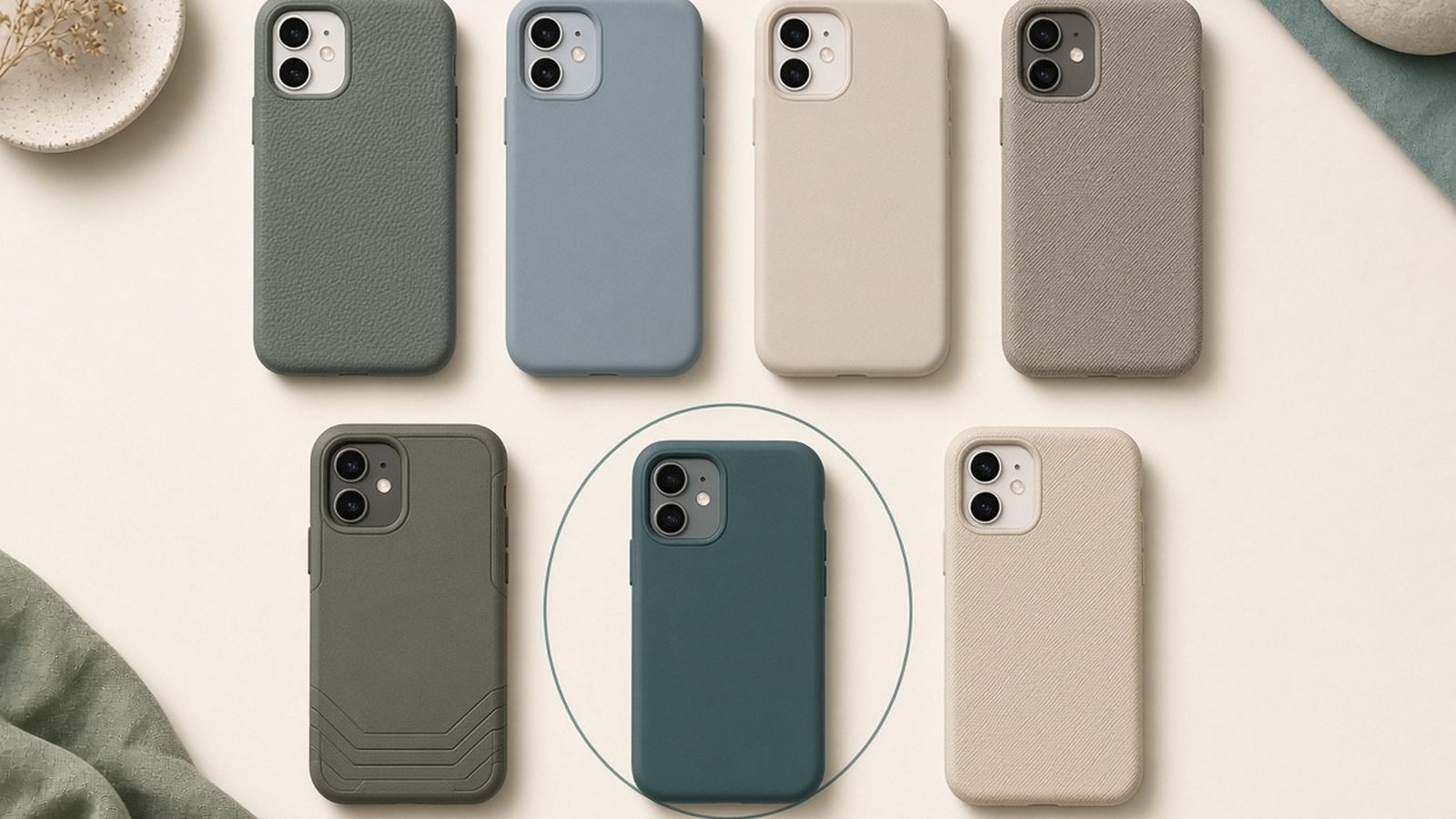
Pair a protector with the right case and you’ve covered your phone’s two most vulnerable surfaces — see our Best Phone Cases 2026: Protection for iPhone & Android guide, and the Best MagSafe & Qi2 Power Banks 2026: Which One Wins? roundup for keeping it charged. Everything in this category lives at Accessories & Charging.
How we picked
Four factors decide whether a screen protector is worth applying.
Install experience. This is the make-or-break factor most rankings underrate. A protector with a good alignment tray or frame goes on bubble-free and centered in seconds; one without turns into a dust-and-bubble ordeal. We weighted install-kit quality heavily because it determines the result you actually live with.
Protection and durability. Tempered glass is rated for hardness (9H is the common marketing figure) and edge strength. We favored protectors with credible drop and scratch resistance, good edge coverage, and — where offered — real warranty backing that replaces cracked units.
Clarity, touch, and oleophobic coating. A protector sits between you and the screen every second, so it must stay optically clear, preserve touch sensitivity (including under-display fingerprint sensors), and resist fingerprints via an oleophobic coating that doesn’t wear off in weeks.
Value and fit. Multi-packs change the value equation, and coverage for your exact phone (including camera and sensor cutouts on iPhone 17, recent Galaxy, and Pixel models) matters. We favored brands with wide, current model support and honest pricing.
Best overall: Spigen GLAS.tR EZ Fit
9H tempered glass with alignment tray, around $20 for a 2-pack / £18
The Spigen GLAS.tR EZ Fit wins because it solves the hardest part of using a screen protector: applying it. The included EZ Fit tray clamps over your phone and drops the glass into perfect alignment, so it goes on centered and bubble-free even if you’ve botched every protector you’ve ever installed. That reliability, combined with genuinely good glass, is why it’s the default recommendation.
The glass itself is strong 9H-rated tempered glass with excellent clarity, a smooth oleophobic coating that keeps fingerprints manageable, and precise cutouts that clear the camera, speaker, and Face ID sensors. It’s typically sold as a two-pack, so you get a spare or one for a partner, and Spigen keeps model coverage current across new iPhone, Galaxy, and Pixel releases. Owner feedback is consistently positive about how easy it is to get right the first time.
The trade-offs are minor. Spigen’s oleophobic coating, like all of them, fades over months of use, and the standard version doesn’t carry the lifetime-replacement warranty that Zagg trades on. It’s also glass, so a hard enough impact will crack it (which is the point — it sacrifices itself to save your screen). For nearly everyone, the EZ Fit is the smart pick.
Pros:
- Foolproof alignment tray — bubble-free first time
- Strong 9H glass with excellent clarity
- Usually a two-pack for the price
- Wide, up-to-date model coverage
Cons:
- Oleophobic coating fades over time
- No lifetime replacement warranty
- Cracks on hard impact (by design)
Who it’s for: almost everyone — anyone who wants quality glass that installs perfectly without stress.
Best value: ESR Armorite & amFilm
9H glass with install frames, around $10–13 for multi-packs / £10–12
If the Spigen’s quality appeals but you’d rather spend less, ESR and amFilm are the value answer. Both offer tempered-glass protectors with alignment frames that make installation nearly as easy as the EZ Fit, sold in two- or three-packs that drop the per-protector cost dramatically. ESR’s Armorite line in particular gets strong marks for clarity and edge durability, while amFilm has a long reputation for cheap, reliable glass.
The value story is simple: you get 9H glass, a workable install frame, and a spare or two, for roughly half the price of premium single protectors. For most phones and most people, the difference in daily experience versus a Spigen is small, and having extras means a cracked protector is a shrug, not a new purchase.
The trade-offs are consistency and coating longevity. Across large volumes, owner feedback notes slightly more variance in fit and oleophobic durability than the top brands, and the install frames, while good, aren’t quite as slick as Spigen’s tray. For the price, those are easy compromises — this is the category’s best-value tier.
Pros:
- Excellent price, especially in multi-packs
- Alignment frames make install easy
- Good 9H clarity and durability
- Spares included for peace of mind
Cons:
- Slightly more fit/coating variance
- Frames not quite as slick as Spigen’s tray
- No premium warranty
Who it’s for: value buyers who want easy-install glass and spares without paying premium prices.
Best premium durability: Zagg InvisibleShield Glass Elite
Reinforced glass with warranty, around $40 / £40
Zagg’s InvisibleShield Glass Elite is the pick when you want maximum durability and a warranty to back it. Zagg uses ion-strengthened, reinforced glass that it markets as significantly more break- and scratch-resistant than standard tempered glass, and — the real differentiator — many InvisibleShield products carry a limited lifetime warranty: crack it, and Zagg replaces it for a small fee. For people who break protectors regularly, that changes the economics.
The premium extends to the details: an included install tray for clean application, strong oleophobic and antimicrobial coatings on higher tiers, and options with extra edge protection or eyesafe blue-light filtering. Owner feedback rates the durability highly, and the warranty gives genuine peace of mind that the cheaper brands don’t offer.
The trade-offs are price and value math. A single Zagg costs as much as several ESR or amFilm protectors, so unless you’ll actually use the warranty or specifically want the extra durability, the value is debatable. Some owners also find the coating collects fingerprints more than they’d like on certain models. For hard users and warranty-minded buyers, though, it’s the premium standard.
Pros:
- Reinforced, ion-strengthened glass
- Limited lifetime replacement warranty on many models
- Install tray plus antimicrobial/eyesafe options
- Strong durability record
Cons:
- Expensive versus multi-pack rivals
- Warranty replacement carries a small fee
- Coating fingerprints on some models
Who it’s for: buyers who crack protectors often, or who want the most durable, warranty-backed option and will pay for it.
Best fitted-in-store: Belkin ScreenForce
Premium glass with pro application kits, around $30 / £30
Belkin’s ScreenForce protectors are the reliable premium middle ground, and they have a unique advantage: Belkin is the brand many phone retailers and carrier stores use to professionally fit a protector for you, often with a machine that guarantees perfect, dust-free alignment. If you’ve ever paid a store to apply a protector, there’s a good chance it was a Belkin.
Bought as a kit, ScreenForce protectors include Belkin’s well-designed EasyAlign tray for a clean DIY install, use strong tempered glass with good clarity and oleophobic coating, and cover the major iPhone, Galaxy, and Pixel models. The quality is consistently solid, and the brand’s reputation for accessories that just work carries over. Some tiers add antimicrobial treatment or privacy filtering.
The trade-offs are price versus the budget brands and the fact that its standout perk — in-store fitting — depends on a retailer near you offering it. As a DIY protector it’s very good but priced above ESR and amFilm for broadly similar glass. If guaranteed clean application (whether by you or a store) is your priority, Belkin is the safe premium pick.
Pros:
- Widely available for in-store professional fitting
- Well-designed EasyAlign install tray
- Strong, clear glass with good coating
- Reliable brand quality and coverage
Cons:
- Pricier than budget multi-packs
- In-store fitting depends on local retailers
- Usually single protectors, not multi-packs
Who it’s for: buyers who want a store to apply it perfectly, or who value premium, consistent glass with a great install kit.
Best privacy: Spigen & ESR Privacy Glass
Side-angle blocking tempered glass, around $22–28 / £20–26
If you handle sensitive information in public — commuting, open-plan offices, travel — a privacy screen protector is the specialist tool. These use a micro-louver filter that narrows the viewing angle, so your screen looks clear head-on but appears dark to anyone glancing from the side. Spigen and ESR both make privacy versions of their tempered glass with the same easy-install trays and 9H protection, so you get the privacy benefit without giving up durability or clean application.
The value is straightforward for the right person: genuine shoulder-surfing protection baked into a protector you were going to apply anyway. Owner feedback confirms the side-angle blocking works well, and modern versions are much better than early privacy filters at staying usable head-on.
The trade-offs are inherent to the technology. Privacy filters slightly dim the screen and can reduce clarity or add a faint tint compared with a standard clear protector, and they’re less useful if you often share your screen with someone beside you (watching a video together, showing photos). If privacy is a real concern, that dimming is a fair price; if not, a standard clear protector is brighter and cheaper.
Pros:
- Blocks side-angle snooping effectively
- Same 9H protection and easy install
- Available for major iPhone and Android models
- Good peace of mind for public use
Cons:
- Dims the screen and can add a faint tint
- Slightly reduced clarity versus clear glass
- Awkward when sharing your screen
Who it’s for: commuters and professionals who view sensitive information in public and want built-in privacy.
Best budget multi-pack: amFilm Tempered Glass
Most protectors per dollar, around $8–10 for a 2–3 pack / £8–10
When you simply want cheap, reliable glass and lots of it, amFilm’s standard tempered-glass multi-packs are the floor we’re comfortable recommending. You get 9H-rated glass, a basic install frame or guides, and two or three protectors for the price of a single premium unit. For older phones, kids’ devices, or anyone who cracks protectors and just wants a drawer full of spares, it’s the sensible choice.
amFilm’s long track record means the quality is dependable for the price — clarity is good, touch response is fine, and the glass does its job of taking scratches and minor drops so your screen doesn’t. Buying in bulk means a cracked protector is a two-minute swap, not an expense.
The trade-offs are the expected budget ones: the oleophobic coating wears faster, the install aids are more basic than Spigen’s tray, and edge coverage and long-term consistency aren’t premium-grade. But as the maximum-protectors-per-dollar pick, amFilm earns its place — sometimes cheap and plentiful is exactly what you need.
Pros:
- Lowest cost per protector
- Multiple spares in every pack
- Reliable 9H protection for the basics
- Long, trusted track record
Cons:
- Coating and edges are budget-grade
- Basic install aids
- More variance than premium brands
Who it’s for: bargain hunters, older or kids’ phones, and anyone who wants a stack of cheap spares.
How to choose a screen protector
Four factors get you the right one.
Prioritize the install kit. The best glass in the world is useless if it goes on with bubbles and dust. For a stress-free result, buy a protector with an alignment tray or frame (Spigen EZ Fit, ESR, Belkin) — it matters more day to day than small differences in hardness ratings. If you’re not confident, choose Belkin and let a store fit it.
Match durability to how you treat your phone. If you crack protectors often, a warranty-backed premium option (Zagg) pays off. If you’re careful, a good mid-range or value protector is plenty — you’re mostly guarding against scratches, which any 9H glass handles.
Buy multi-packs for value. Protectors are consumables; they crack, scratch, and get replaced. A two- or three-pack (ESR, amFilm) means a cracked protector is a quick, cheap swap rather than a new purchase. Single premium protectors only make sense for their specific perks (warranty, privacy, in-store fitting).
Confirm exact model fit and features. Get the version made for your precise phone so cutouts line up and, on Android, the under-display fingerprint sensor still works through it (some cheap glass interferes). Decide too if you want a special feature — privacy filtering, blue-light reduction, or antimicrobial coating — before buying, since those are model- and version-specific.
FAQ
Is tempered glass or a film screen protector better?
For most phones, tempered glass. It feels like the real screen, resists scratches and minor drops far better than plastic film, and installs more cleanly with a tray. Plastic (TPU/PET) film is thinner and can wrap curved edges, so it’s occasionally preferred for heavily curved displays or foldables where glass won’t sit flat, but it scratches more easily and feels less premium. If your phone has a flat screen, choose glass.
What does the “9H hardness” rating actually mean?
9H refers to a pencil-hardness scale used to market scratch resistance — it means the glass resists scratching by objects up to roughly that hardness. In practice, nearly every tempered-glass protector claims 9H, so it’s not a strong differentiator between quality brands. Real-world durability depends more on the glass thickness, edge strength, and coating quality than the 9H number, which is why we weight install and warranty over marketing hardness.
How do I install a screen protector without bubbles?
Clean the screen thoroughly with the included alcohol wipe, remove dust with the sticky dust-absorber, and — most importantly — use a protector with an alignment tray or frame (like the Spigen EZ Fit). The tray drops the glass into perfect position so you just press it on; any small bubbles usually push out to the edge on their own or with a light swipe. Doing it in a steamy, low-dust bathroom also helps.
Will a screen protector affect my under-display fingerprint sensor?
A quality protector designed for your phone won’t — good tempered glass is thin and calibrated to let the optical or ultrasonic sensor read through it. Cheap or ill-fitting protectors occasionally cause fingerprint reading to slow or fail, especially on Samsung’s ultrasonic sensors. If you have an in-display sensor, buy a protector explicitly listed as compatible with it, which all the brands here offer for supported models.
How often should I replace my screen protector?
Replace it when it cracks, when scratches become distracting, or when the oleophobic coating wears off and fingerprints become impossible to wipe clean — typically every several months to a year with regular use. That consumable nature is exactly why multi-packs are good value: you can swap in a fresh protector the moment the old one degrades, keeping your view clear and your actual screen protected.
Do I still need a screen protector if I have a case?
For most people, yes — they protect different things. A case guards the corners, back, and frame; a screen protector guards the front glass, which is the most expensive part to repair and the most exposed when you set the phone face-down or drop it flat. Modern phone glass is tougher than it used to be, but a scratched or cracked screen is costly, so a protector remains cheap insurance. Pair it with a good case from our Best Phone Cases 2026: Protection for iPhone & Android guide.
Zen Tech Hub may earn a commission from links on this page, at no extra cost to you.