GL.iNet has become the cult-favorite brand for travel routers, VPN gateways, and pocket-sized networking, and in 2026 it’s the first name enthusiasts reach for when they want OpenWrt flexibility without building it themselves. Its devices punch far above their price on features — built-in VPN clients/servers, ad-blocking, tethering, and open firmware — but this is a smaller, more technical brand than the household names. Verdict: buy GL.iNet if you’re a traveler, privacy-minded tinkerer, or homelabber who wants a flexible, VPN-ready router running open firmware at a great price — but look elsewhere if you want polished mainstream support, big-box availability, or a plug-and-play mesh you’ll never think about again.
GL.iNet’s appeal is packing genuinely useful, hackable networking into tiny, affordable boxes. This profile covers where that value shines and where the rough edges and niche support show.
Company overview
GL Technologies (GL.iNet) was founded in 2013 and is based in Hong Kong, with development and manufacturing tied to the Shenzhen region of China. It’s a privately held company that built its reputation on compact routers running OpenWrt — the open-source router operating system — wrapped in a friendly, GL-designed web and app interface that makes advanced features approachable.
Its reputation among enthusiasts, travelers, and the privacy community is strong and loyal. GL.iNet is praised for delivering VPN-ready, open, feature-rich hardware at prices well below what mainstream brands charge for comparable flexibility. It’s not a mass-market consumer brand — you’re more likely to find it recommended on Reddit, homelab forums, and travel blogs than on a big-box shelf — and it deliberately targets people who value control and openness. That focus is both its charm and its main limitation: it’s a specialist brand, not a one-size-fits-all Wi-Fi vendor.
What GL.iNet makes
GL.iNet’s lineup is focused on flexible, portable, and privacy-oriented networking:
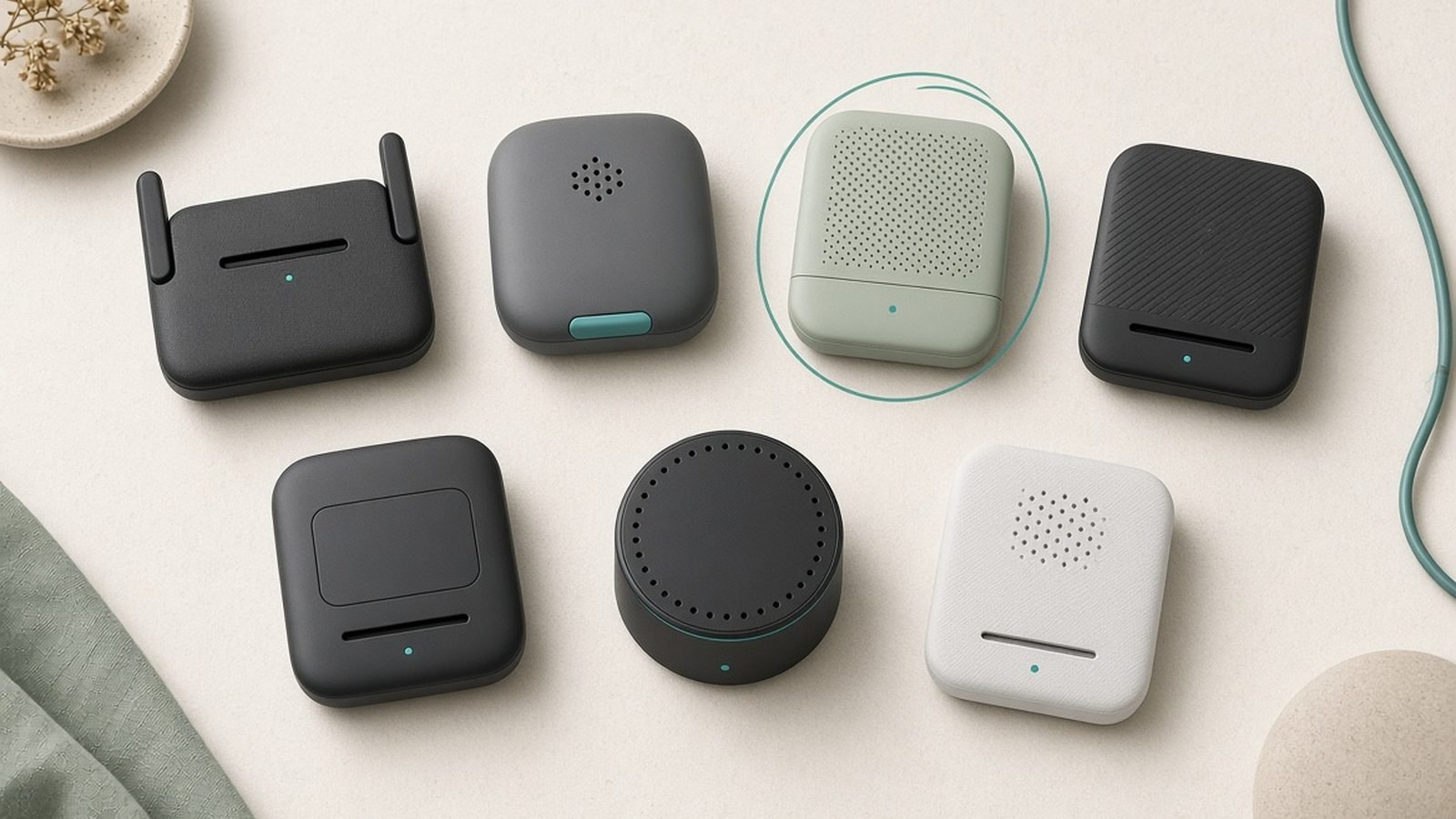
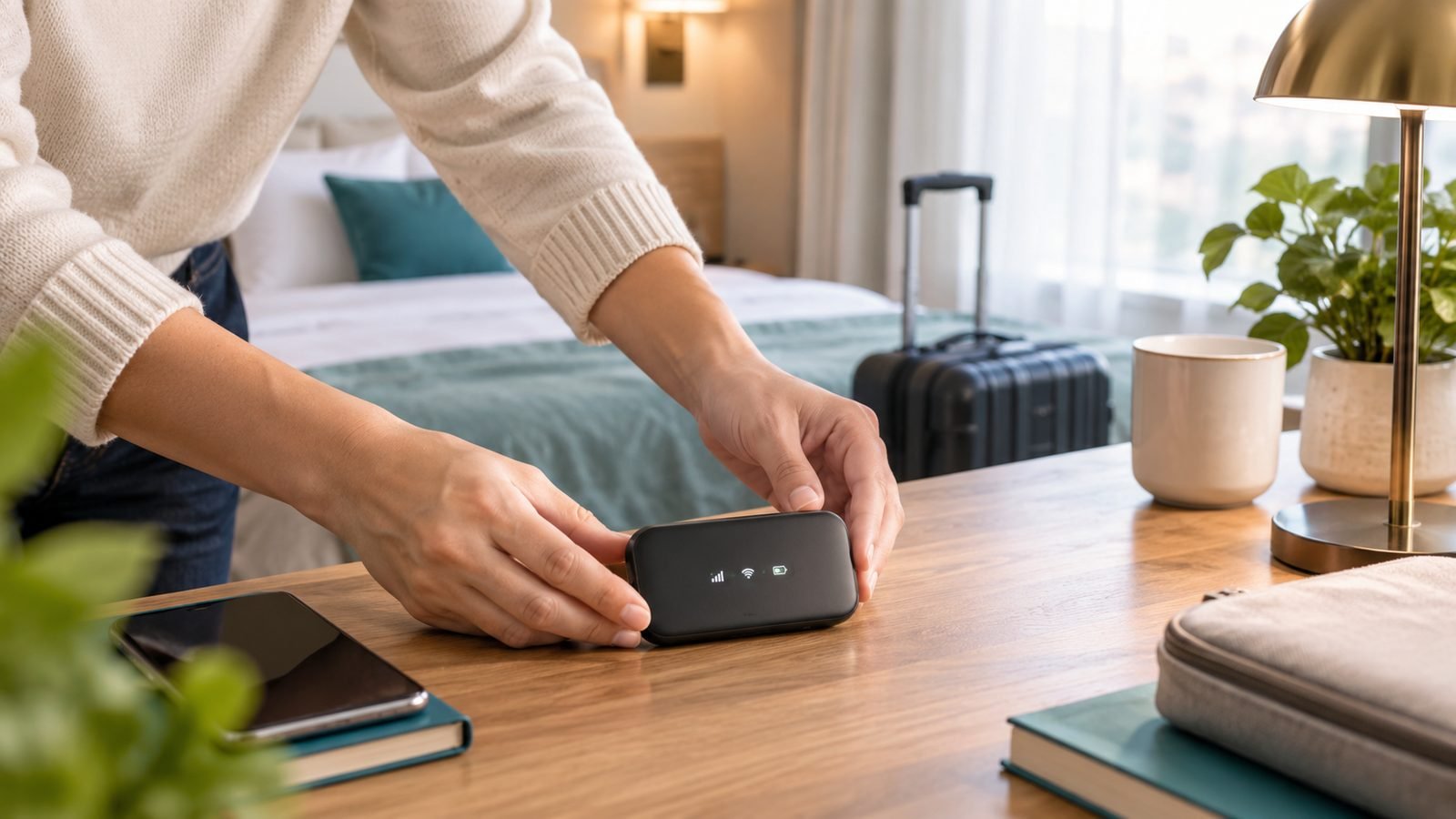
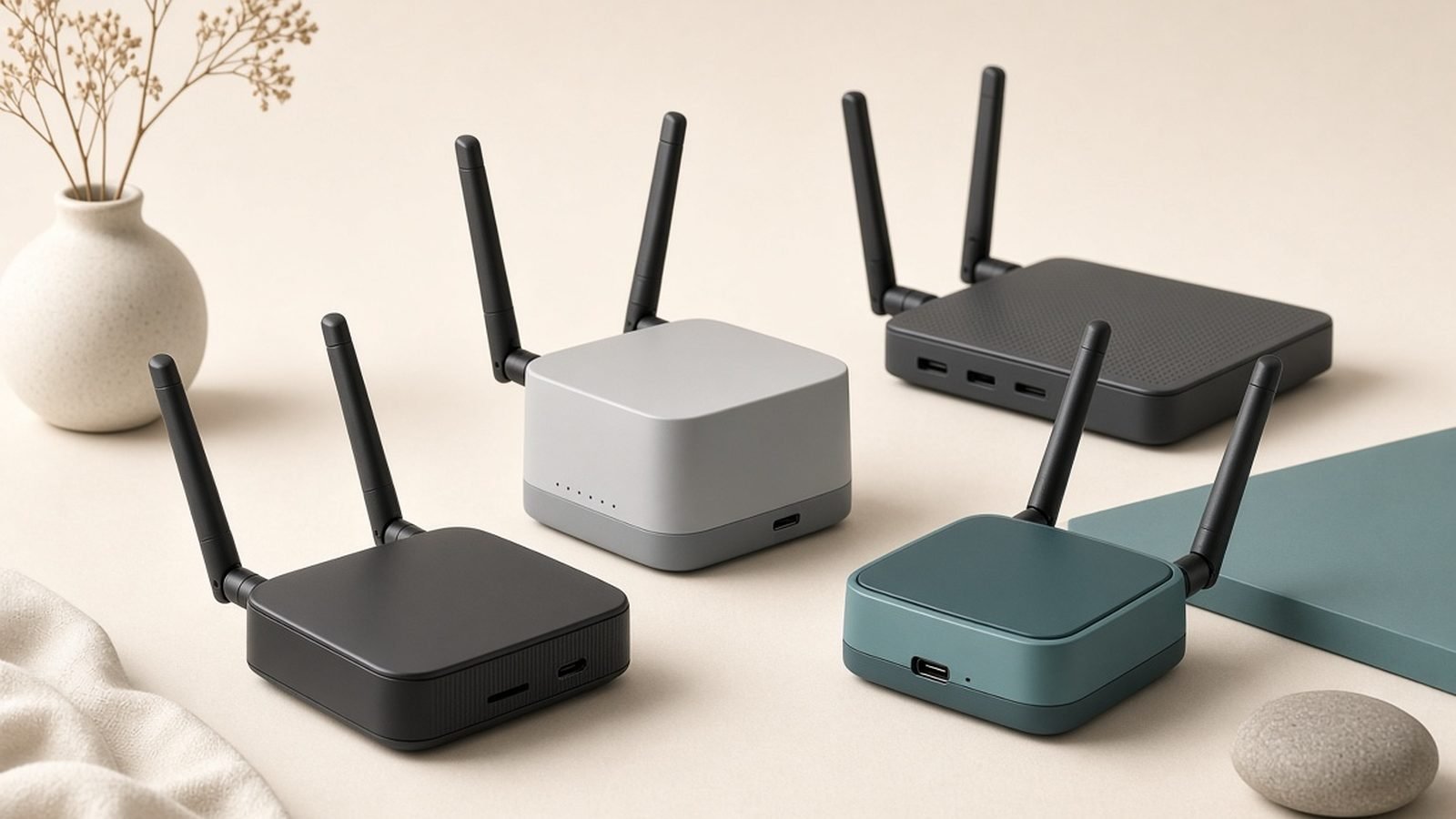
- Travel routers: Pocket and palm-sized routers (the Beryl, Slate, Puli, and Opal families) with VPN clients, tethering, and captive-portal handling for hotels and cafes.
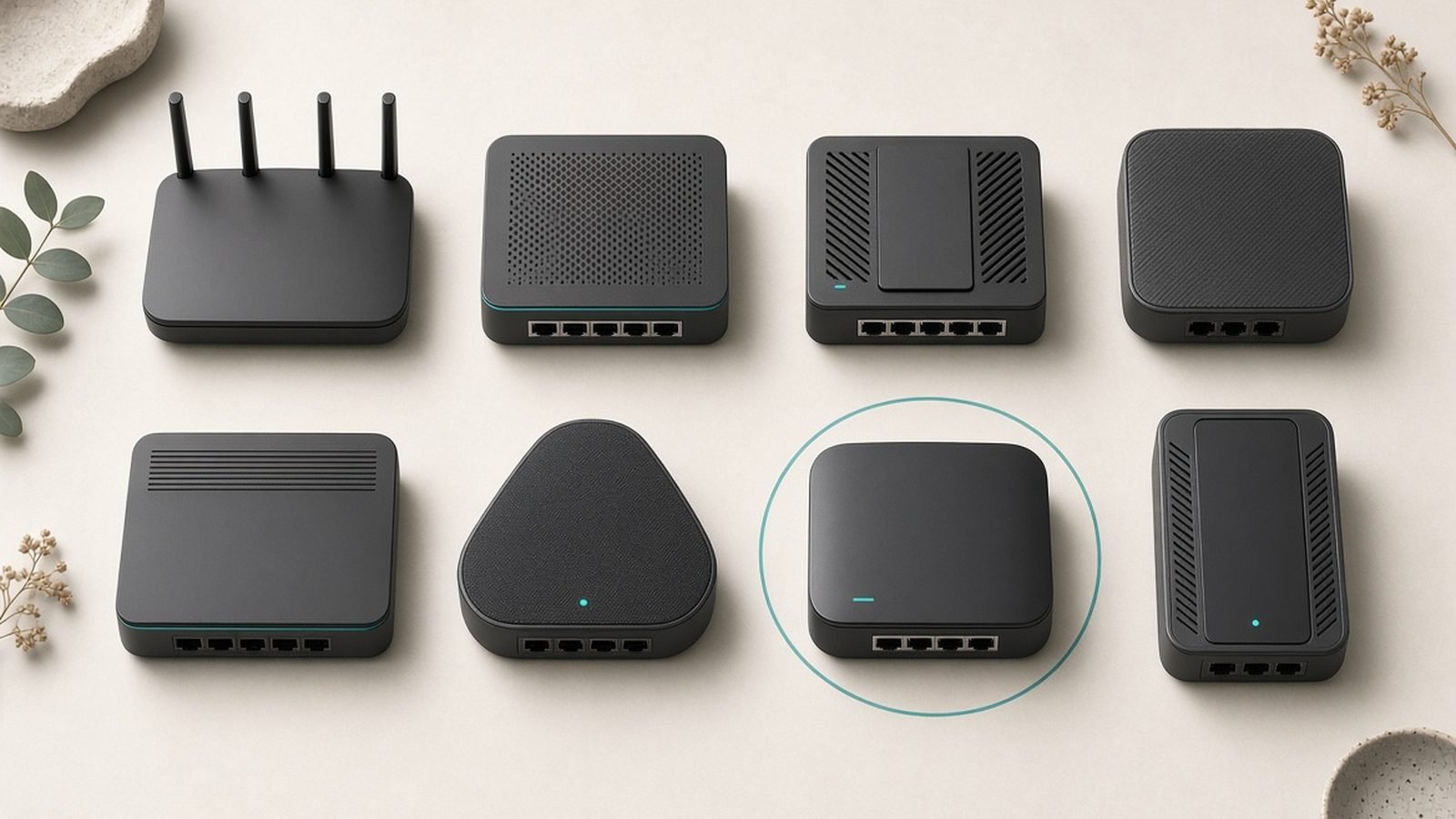
- Home/prosumer routers: Larger routers like the Flint line (including Wi-Fi 6 and Wi-Fi 7 models) for whole-home use with strong VPN throughput.
- Cellular/5G gateways: Routers with modems or 4G/5G support for mobile, RV, and backup connectivity.
- Mini PCs and edge devices: Compact x86 and networking devices (such as the Brume security gateway) for VPN, self-hosting, and homelab tasks.
- Industrial and IoT gear: OpenWrt-based modules and routers for embedded and commercial deployment.
Standout GL.iNet products in 2026
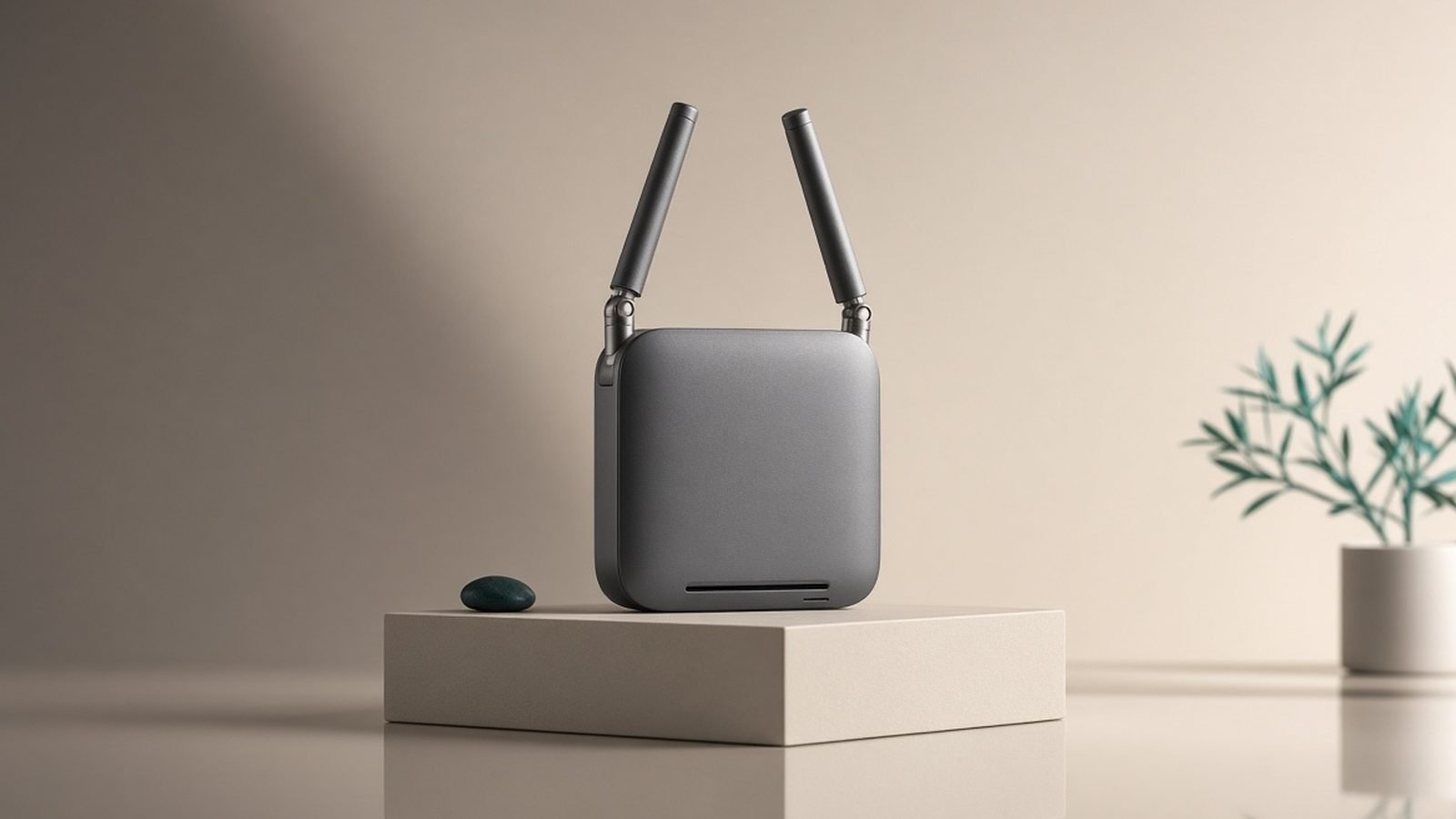
GL.iNet Flint 2 (and Flint 3 / Wi-Fi 7 models). The flagship home routers deliver strong Wi-Fi, high VPN throughput, and full OpenWrt flexibility at prices that undercut mainstream flagships — a compelling alternative to the mesh and router picks in our Best Wi-Fi 7 Routers 2026: Top Picks for Every Budget guide for users who want VPN and open firmware baked in.
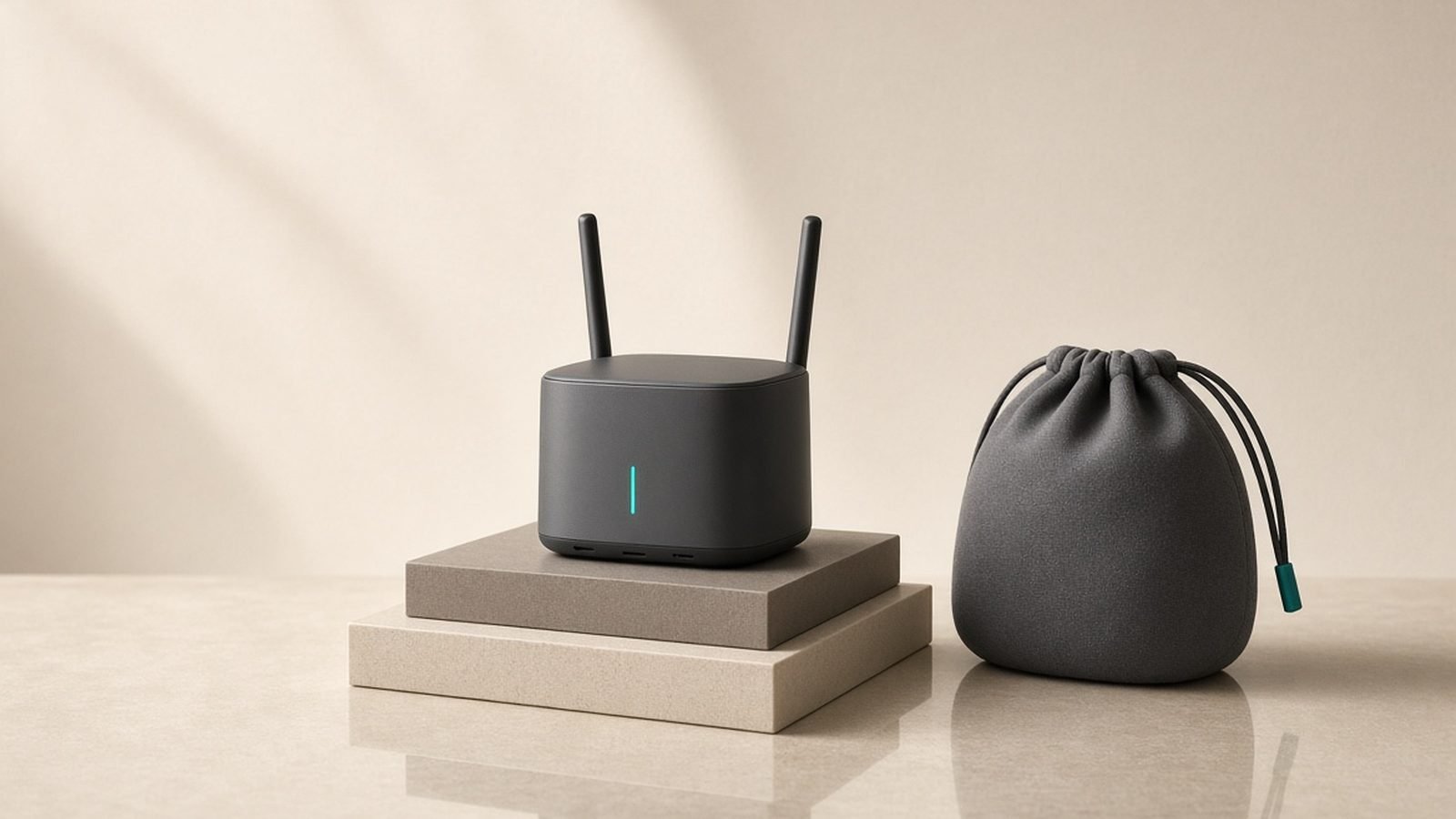
GL.iNet Beryl AX / Slate AX travel routers. Pocket-sized Wi-Fi 6 travel routers with built-in VPN clients and servers, tethering, and hotel-network handling — the products that made GL.iNet famous with frequent travelers.
GL.iNet Brume 2 security gateway. A small VPN/edge gateway popular for self-hosting, WireGuard/OpenVPN, and adding a privacy layer to a home network — a favorite in homelab setups that also lean on gear from our Best Network Switches 2026: Gigabit & 2.5G/10G guide.
GL.iNet Puli / 5G cellular routers. Models with cellular modems for mobile internet, RVs, backup WAN, and remote sites.
For most buyers, the choice is a travel router (Beryl/Slate) for the road or a Flint for the home — both give you VPN and OpenWrt out of the box.
Strengths
Exceptional value. GL.iNet routinely offers VPN-ready, feature-rich hardware for far less than mainstream brands charge for similar flexibility.
OpenWrt flexibility. Devices run OpenWrt with a friendly GL interface, so you get advanced control (custom packages, scripting, deep configuration) without building a router from scratch.
Best-in-class VPN support. Built-in WireGuard and OpenVPN clients and servers, plus easy provider integration, make GL.iNet a go-to for privacy and travel.
Genuinely portable. The travel routers are tiny, USB-powered, and handle awkward hotel/captive-portal networks that trip up phones and laptops.
Active development and community. Frequent firmware updates and an engaged enthusiast community mean features and fixes arrive regularly.
Weaknesses & criticisms
Niche, technical support. Support is smaller-scale than mainstream brands — largely documentation, forums, and email/ticket-based help rather than deep phone support, and answers can assume technical knowledge.
Not truly plug-and-play at the deep end. The basics are easy, but unlocking OpenWrt’s full power (and troubleshooting it) expects comfort with networking concepts.
Limited retail presence. Sold mainly online (its own store and marketplaces), so hands-on availability and easy local returns are weaker than for big-box brands.
Wi-Fi range/coverage. Compact travel units prioritize portability over coverage; they’re not whole-home mesh replacements, and larger homes may need the Flint line or additional nodes.
Occasional firmware quirks. Frequent updates and open firmware can introduce edge-case bugs; cautious users wait for stable releases before updating critical devices.
Reliability & support
GL.iNet hardware is generally reliable for its class and price, and its routers hold up well for continuous home and travel use. Because devices run OpenWrt, they benefit from an actively maintained open-source base plus GL’s own firmware layer, and updates are frequent — which brings steady improvements but also the occasional need to wait out an early release. Enthusiasts often value that they can reflash, tweak, or even run stock OpenWrt if they prefer.
Support is the defining caveat, much as it is for other enthusiast-focused brands. GL.iNet provides solid documentation, an active forum, and email/ticket support, but it doesn’t offer the large, phone-first support organization of a mainstream vendor, and responses can assume you’re technically comfortable. Warranty terms exist (commonly around one year, varying by region and retailer), but RMA is a more hands-on, mail-in process than big-box exchange. For self-sufficient, tinkering-friendly buyers this is entirely manageable and even part of the appeal; for anyone who wants a hotline and guided troubleshooting, it’s a real trade-off to weigh.
Who should buy GL.iNet
Buy GL.iNet if you’re a frequent traveler, privacy-conscious user, homelabber, or tinkerer who wants a flexible, VPN-ready router running open firmware at an excellent price. It’s ideal for anyone who wants built-in WireGuard/OpenVPN, easy tethering, and the ability to dig into OpenWrt — whether that’s a pocket travel router for hotels or a Flint as a capable, hackable home router that complements a wider homelab built with gear from our Best Network Switches 2026: Gigabit & 2.5G/10G guide.
Look elsewhere if you want the simplicity, coverage, and hands-on support of a mainstream mesh system, or easy local returns and shelf availability. Buyers who just want reliable whole-home Wi-Fi they never have to think about are usually better served by a system from our Best Wi-Fi 7 Routers 2026: Top Picks for Every Budget guide, and those wanting a polished prosumer platform with a unified dashboard should compare our Ubiquiti UniFi Review 2026: Prosumer Networking Verdict.
FAQ
Is GL.iNet a good brand?
Yes — for the right buyer. GL.iNet offers flexible, VPN-ready OpenWrt routers at excellent prices, and it’s a favorite among travelers, privacy enthusiasts, and tinkerers. The trade-offs are niche support, limited retail presence, and a learning curve if you want to use its full power.
Is GL.iNet reliable?
Generally yes. Its routers are reliable for home and travel use and benefit from frequent firmware updates on an actively maintained OpenWrt base. The main caveat is support scale, which is smaller and more technical than mainstream brands, and cautious users wait for stable firmware before updating.
Where is GL.iNet from / who owns it?
GL Technologies (GL.iNet) was founded in 2013 and is based in Hong Kong, with development and manufacturing tied to Shenzhen, China. It’s a privately held company specializing in OpenWrt-based routers.
Is GL.iNet good for VPN and travel?
It’s one of the best options for both. GL.iNet routers include built-in WireGuard and OpenVPN clients and servers, easy provider setup, tethering, and captive-portal handling for hotel and cafe networks — exactly the use cases the travel-router lineup was designed for.
GL.iNet vs Asus — which should I choose?
Asus offers stronger whole-home coverage, mainstream support, and retail availability, with capable built-in VPN on many models. GL.iNet offers deeper openness (OpenWrt), better travel-router options, and more VPN flexibility per dollar. Choose Asus for a polished home network, GL.iNet for portability, openness, and VPN-centric use.
Can beginners use GL.iNet routers?
The basics are beginner-friendly thanks to GL’s simplified interface and app. But getting the most from OpenWrt — and troubleshooting it — expects some networking comfort. Complete beginners who want set-and-forget Wi-Fi may prefer a mainstream mesh from Best Wi-Fi 7 Routers 2026: Top Picks for Every Budget.
Zen Tech Hub may earn a commission from links on this page, at no extra cost to you.