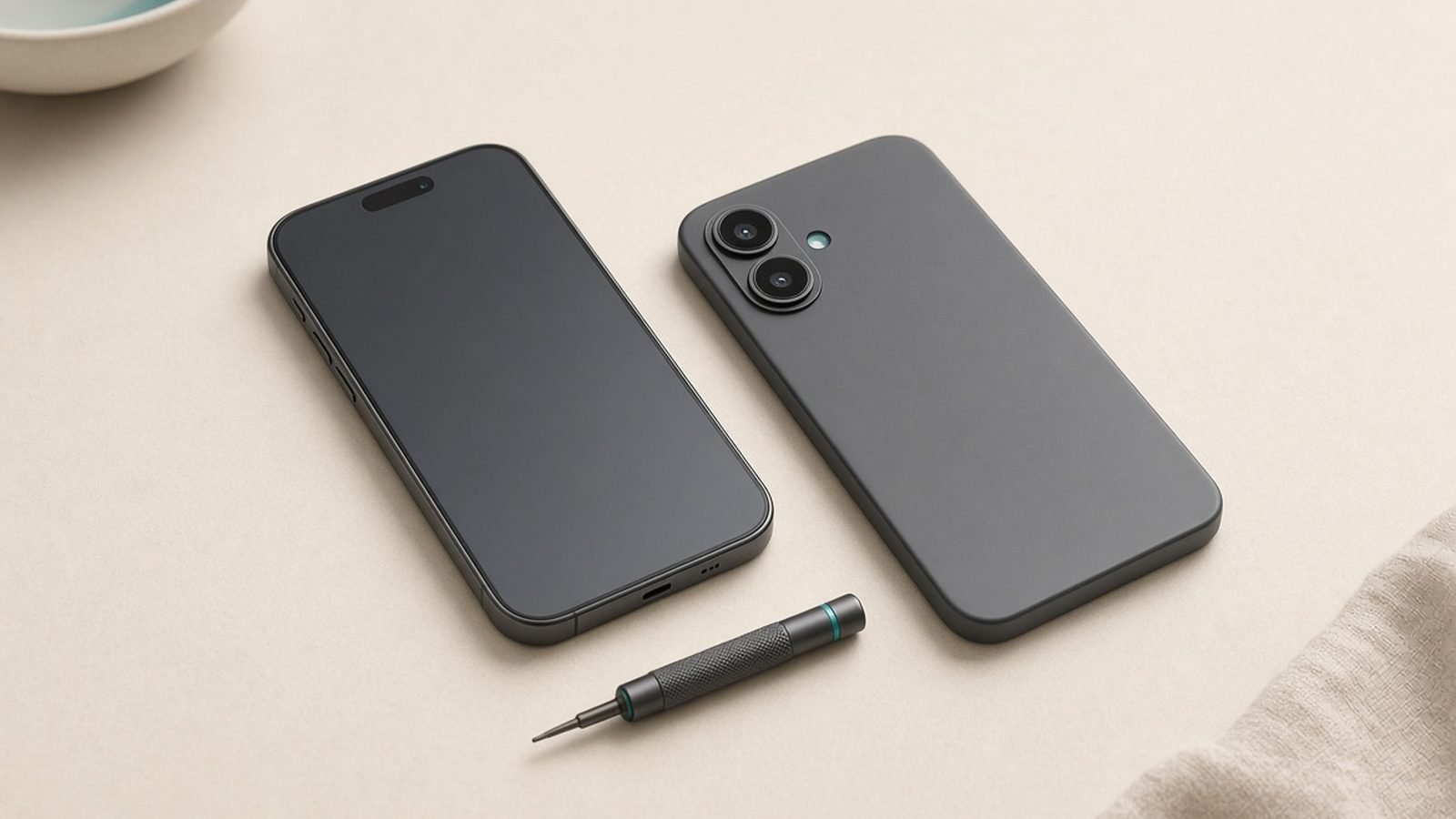
Nubia is the enthusiast-minded phone brand within ZTE’s world, and it punches well above its price in two areas most rivals treat as luxuries: raw performance and camera hardware. In 2026 Nubia’s identity runs on two tracks — the imaging-focused Z-series flagships that offer big sensors and manual controls for a fraction of Samsung or Apple money, and the RedMagic gaming line, which builds some of the most aggressive, fan-cooled, high-refresh gaming phones you can buy. For the right buyer — a mobile gamer or a photography tinkerer on a budget — Nubia is a genuinely exciting alternative to the safe mainstream. But it is a niche, cult brand for a reason: software polish, update longevity, camera consistency and after-sales support all trail the giants.
Verdict: A cult favorite for enthusiasts who want flagship performance or serious camera hardware for less. Best for mobile gamers and hands-on photographers; weaker on software polish, updates, cameras’ day-to-day consistency, and support.
Company overview
Nubia (officially Nubia Technology) is a Chinese smartphone brand founded in 2012 and headquartered in Shenzhen, China. It began as a premium sub-brand of ZTE Corporation and, while it has operated with varying degrees of independence over the years, it remains part of the ZTE ecosystem — see our ZTE Review 2026: Is It a Good Brand? profile for the parent. Its best-known offshoot is RedMagic, the gaming-phone brand that has become far more famous in the West than the Nubia name itself.
In plain terms, Nubia’s reputation is “enthusiast hardware, rough edges.” It has a devoted following among mobile gamers (through RedMagic) and camera hobbyists (through the Z-series and its unusual imaging experiments), and reviewers routinely praise the sheer amount of performance or sensor for the money. The flip side is a small-brand experience: limited global distribution, software that can feel unpolished or lightly localized, short update commitments and patchy support outside a few key markets.
What Nubia makes
Nubia’s lineup is smaller and more focused than the mainstream brands:
- Nubia Z series — imaging-led flagships with large sensors, manual “camera-first” controls and, in some models, under-display selfie cameras.
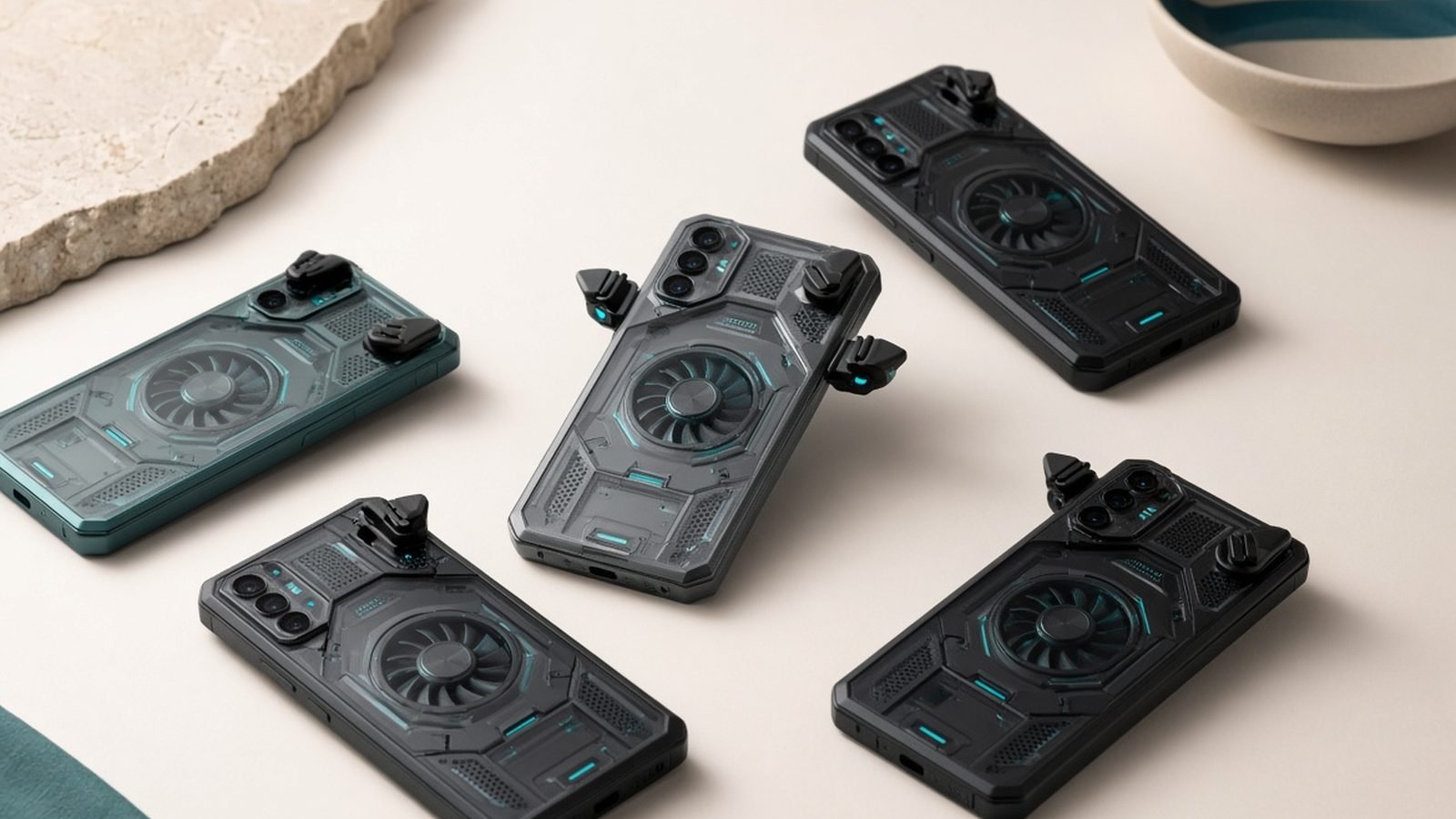
- RedMagic phones — the gaming line: top-tier chips, active cooling fans, ultra-high-refresh screens, shoulder triggers and huge batteries. Featured in our Best Gaming Phones 2026: Top Performance Picks guide.
- Nubia Flip and foldables — more affordable takes on the clamshell foldable form factor, undercutting Samsung and Motorola on price.
- Nubia mid-range and Neo phones — value-oriented handsets, some pitched at gamers on a budget.
- Accessories — gaming cooling fans, cases, earbuds and smartwatches that extend the RedMagic ecosystem.
Standout Nubia products in 2026
The device that best defines the brand’s ambition is a current RedMagic gaming flagship — a phone that regularly appears in enthusiast performance conversations and our Best Gaming Phones 2026: Top Performance Picks roundup. Based on published specs, a modern RedMagic pairs a top Snapdragon chip, a built-in cooling fan, a flat ultra-high-refresh AMOLED (often with an under-display camera for an unbroken screen), shoulder triggers and one of the largest batteries in any flagship — all at a price well below conventional premium phones.
The lineup worth knowing in 2026:
- RedMagic flagship — arguably the best raw gaming-phone value, a standout in our Best Gaming Phones 2026: Top Performance Picks picks.
- Nubia Z series — a camera-and-performance flagship for hands-on photographers cross-shopping our Best Camera Phones 2026: For Photos & Video guide.
- Nubia Flip — an unusually affordable clamshell foldable, worth a look next to pricier rivals in Best Foldable Phones 2026: Fold & Flip Compared & Ranked.
- Nubia Neo / mid-range — budget gaming-flavored phones for buyers browsing Best Budget Smartphones 2026: Under $400 / £400.
Strengths
Performance for the price. RedMagic phones offer flagship-tier chips, active cooling and the highest sustained performance in their price class, making them a favorite among serious mobile gamers.
Gaming-first design. Physical shoulder triggers, built-in fans, flat high-refresh screens and enormous batteries are genuinely tailored to gaming in a way mainstream flagships aren’t.
Camera hardware and controls. Nubia’s Z-series leans into large sensors and manual/pro controls, appealing to photography enthusiasts who want to actually work the camera rather than point and shoot.
Clean, near-stock look on RedMagic. Compared with many Chinese skins, RedMagic’s software is relatively light and gaming-focused, with a dedicated game space.
Aggressive value. Whether it’s a foldable, a gaming flagship or a big-sensor camera phone, Nubia consistently undercuts the established premium brands on price.
Weaknesses & criticisms
Software polish and localization. Nubia and RedMagic software can feel unpolished, with occasional bugs, awkward translations and less refined day-to-day behavior than Samsung, Google or Apple.
Update longevity. Guaranteed OS-upgrade and security-update windows are typically shorter than the mainstream leaders, which matters for a phone you plan to keep for years.
Camera consistency. The hardware is ambitious, but auto-mode processing and consistency — especially in low light and video — often trail similarly priced or even cheaper phones from better-tuned rivals.
Limited distribution and support. Nubia/RedMagic sell in a limited set of markets, frequently online-only, and after-sales service, RMA and parts can be slow or inconvenient outside a few regions.
Divisive design and ergonomics. Gaming aesthetics, RGB lighting, thickness and weight suit enthusiasts but put off buyers who want a discreet, everyday phone.
Reliability & support
Based on aggregated user feedback, Nubia and RedMagic hardware is generally solid for the price, and the gaming phones in particular are built to handle sustained heavy load thanks to their cooling systems. That said, build quality and quality control vary more than with premium brands, and the cooling fan is a moving part that some owners worry about long-term (though failures aren’t widely reported). Most complaints center on software — bugs, updates and localization — rather than hardware breaking.
Warranty is the standard one-year manufacturer coverage in most regions. Because the brand often sells online-only and through a limited network, after-sales support is one of its real weak points: RMA turnaround, local service centers and parts availability can be frustrating compared with the big names. Update track record is middling — enough to be usable, but not a reason to buy.
For buyers outside the brand’s core markets, always confirm local warranty and repair options before purchase, since support can be effectively self-managed.
Who should buy Nubia
Buy Nubia (or RedMagic) if you want: the most gaming performance and cooling for your money, a flat high-refresh screen with shoulder triggers, a big-sensor camera phone with manual controls, or a cheap foldable — and you’re comfortable with an enthusiast brand and online-first support. It suits mobile gamers and hands-on photographers who value hardware over polish.
Look elsewhere if you want: the most refined software, the longest update guarantees, the most consistent point-and-shoot cameras, or easy local support. Mainstream buyers should compare the picks in our Best Android Phones 2026: Flagship to Budget and Best Smartphones 2026: Top Picks for Every Budget guides instead.
FAQ
Is Nubia a good brand in 2026?
For enthusiasts, yes. Through RedMagic it offers some of the best gaming-phone value anywhere, and its Z-series brings serious camera hardware and manual controls for less than the mainstream flagships. The trade-offs are unpolished software, shorter update support, less consistent auto cameras and limited after-sales service, so it’s best for gamers and photography hobbyists rather than mainstream buyers.
Is Nubia reliable?
Reasonably, for the price. The gaming phones are built for sustained load and generally hold up well, though build quality varies more than premium brands and support can be slow. Most long-term complaints are about software and after-sales service rather than hardware failure.
Where is Nubia from and who owns it?
Nubia is a Chinese company founded in 2012 and headquartered in Shenzhen. It started as a premium sub-brand of ZTE Corporation and remains part of the ZTE ecosystem. Its gaming line, RedMagic, is the brand’s most recognizable presence in Western markets.
What is the difference between Nubia and RedMagic?
They come from the same company. Nubia is the broader brand, best known for imaging-focused Z-series flagships, foldables and mid-range phones. RedMagic is Nubia’s dedicated gaming sub-brand — the phones with built-in cooling fans, shoulder triggers, ultra-high-refresh screens and huge batteries aimed squarely at mobile gamers.
Are RedMagic gaming phones worth it?
For dedicated mobile gamers, they offer arguably the best performance-per-dollar of any phone: flagship chips, active cooling for sustained frame rates, flat high-refresh screens and shoulder triggers, all cheaper than mainstream flagships. The compromises are software polish, camera consistency, thickness/weight and online-first support — acceptable trade-offs if gaming is your priority, less so if you want an all-rounder.
Does Nubia get software updates?
Yes, but modestly. Nubia and RedMagic phones receive updates, though guaranteed OS-upgrade and security-patch windows are generally shorter than Samsung, Google or Apple, and timing can lag. If long-term software support is a priority, check the specific model’s commitment and set expectations accordingly.
Zen Tech Hub may earn a commission from links on this page, at no extra cost to you.