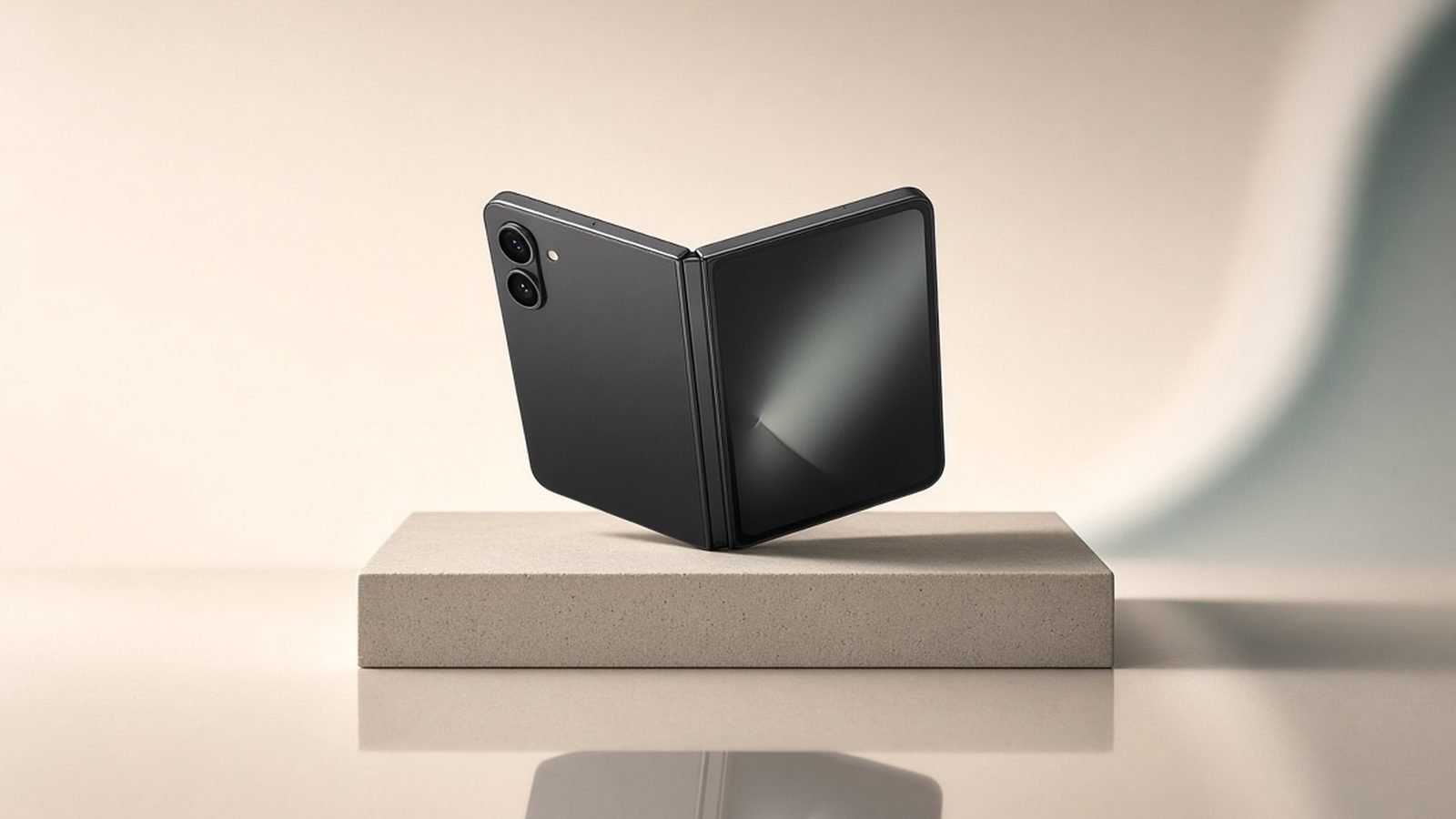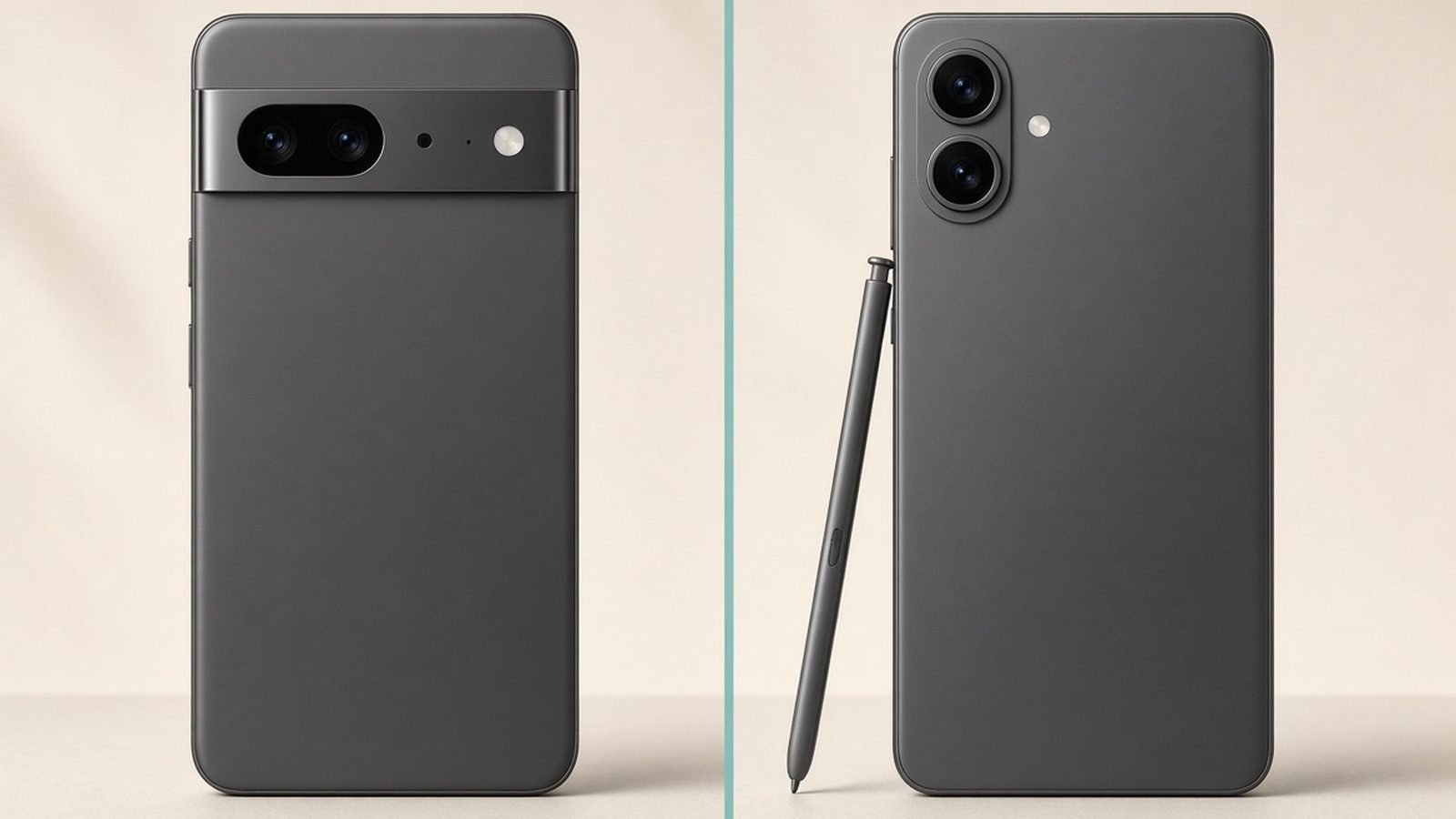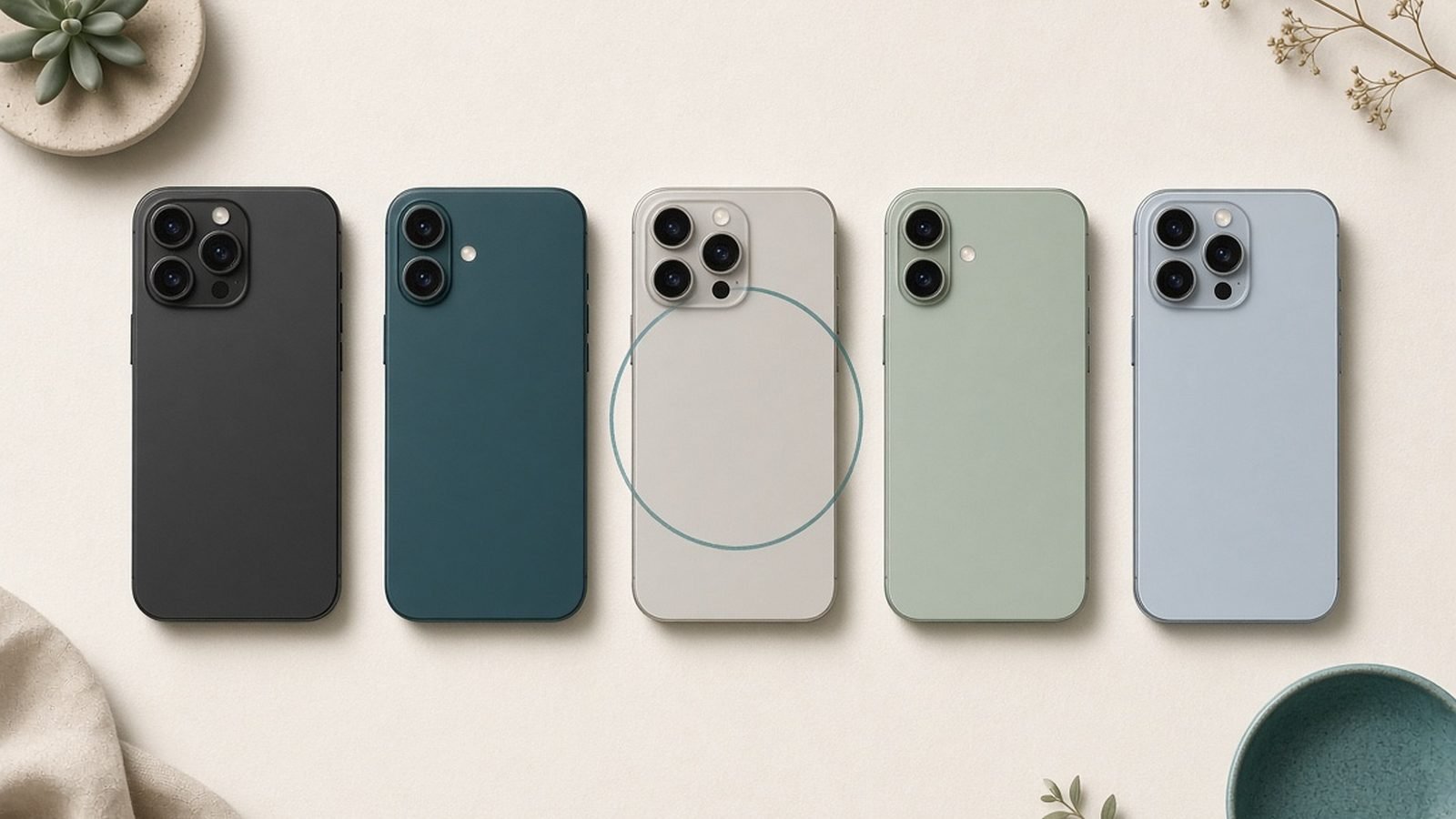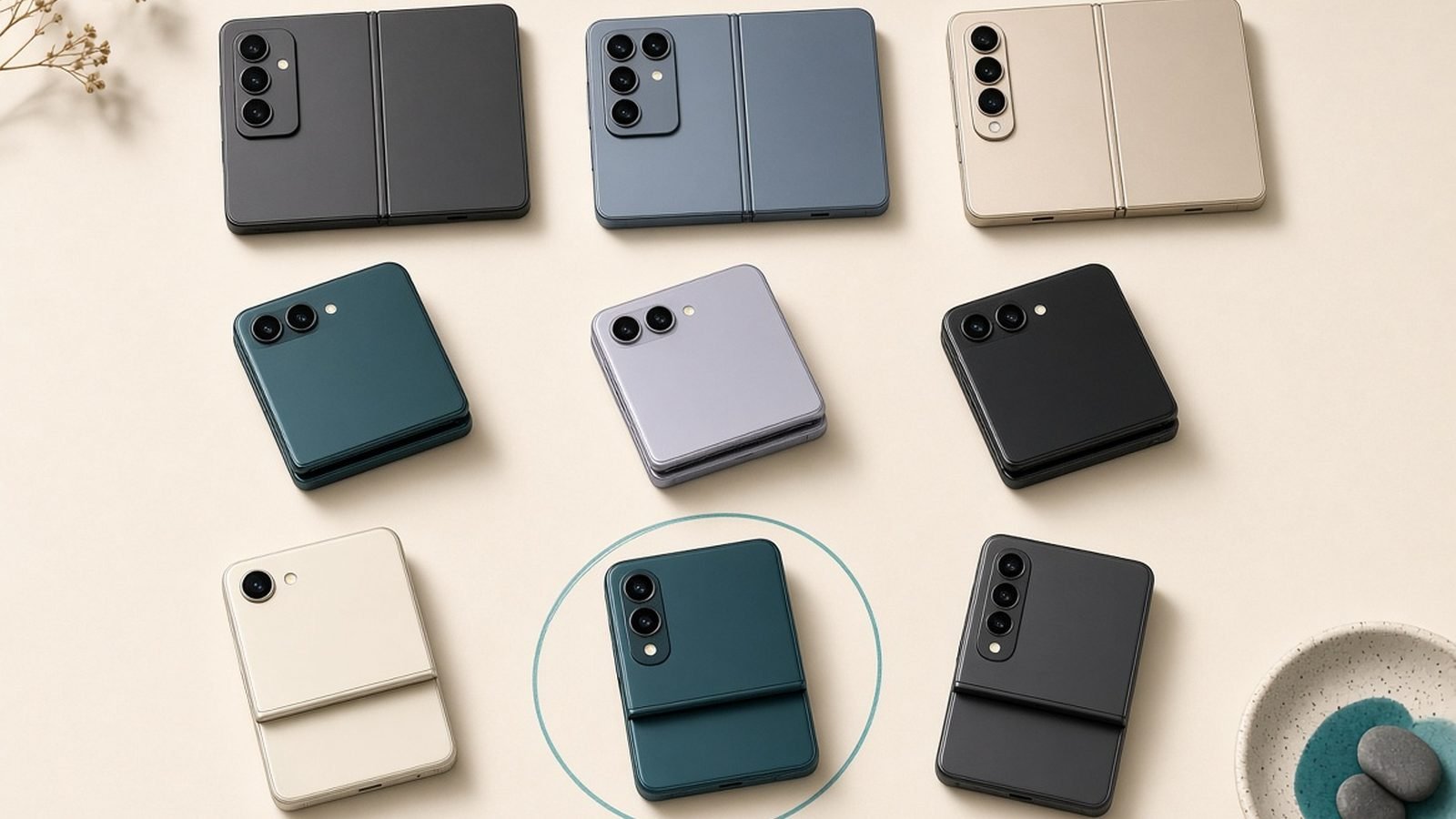
Foldables have finally matured, and in 2026 the best one for most people is the Samsung Galaxy Z Fold 7 — it’s thinner, lighter and more durable than any book-style foldable before it, with a big-screen experience that no longer feels like a compromise. If you want a compact phone that folds down small, the Galaxy Z Flip 7 is the pick; for the best value in a big foldable, look at the OnePlus Open 2.
This guide compares the four foldables worth buying right now across the two main form factors: book-style folds that open into a tablet, and clamshell flips that shrink a normal phone in half. Foldables still cost more and demand a little more care than slab phones, but the 2026 crop is the first generation we’d recommend to mainstream buyers, not just enthusiasts.
Best foldable phone 2026 at a glance
| Pick | Product | Best for | Price (US / UK) |
|---|---|---|---|
| Best overall | Samsung Galaxy Z Fold 7 | The best all-round book-style foldable | around $1,999 / £1,799 |
| Best flip | Samsung Galaxy Z Flip 7 | Compact size and cover-screen usability | around $1,099 / £1,099 |
| Best for photos | Google Pixel Fold | Cameras and clean software | around $1,799 / £1,749 |
| Best value fold | OnePlus Open 2 | Battery life and price-to-spec | around $1,699 / £1,599 |
Book-style folds (Z Fold 7, Pixel Fold, OnePlus Open 2) open into a small tablet for multitasking and media. Flips (Z Flip 7) fold a regular phone in half for pocketability and a fun, compact form. Pick the form factor first, then the phone. For non-folding flagships, see our Best Smartphones 2026: Top Picks for Every Budget roundup.
How we picked
We base these recommendations on published specifications, manufacturer documentation, official pricing and aggregated user feedback from owners and long-term reviews — not on lab benchmarks we didn’t run or hands-on testing we didn’t do. Foldables are judged on the things that actually matter over years of ownership: hinge durability, crease visibility, weight and thickness, battery life, camera quality, software multitasking and update commitments.
We weighted durability and everyday usability heavily, because a foldable that’s too thick, too fragile or too awkward to use closed won’t get used. Where a phone has a known weakness — a visible crease, a slower charging speed, weaker cameras — we say so. Every pick below includes who it’s for and the trade-off you’re accepting.
Best overall: Samsung Galaxy Z Fold 7
Book-style foldable · ~8-inch inner display · Snapdragon 8 Elite · around $1,999 / £1,799
The Galaxy Z Fold 7 is the foldable that finally answers the biggest complaint about the format: it’s genuinely thin and light when closed, so it feels close to a normal phone in the pocket and the hand. Samsung has refined the hinge, slimmed the chassis and reduced the crease, and the result is the most polished big foldable you can buy. Opened, the roughly 8-inch inner screen is superb for multitasking, reading and video.
Performance is flagship-grade thanks to the Snapdragon 8 Elite, and One UI’s multitasking — split-screen, floating windows, drag-and-drop — is the best in the category, making real use of the extra canvas. The cameras are strong across the board, finally close to Samsung’s slab flagships rather than a step behind. Battery life is solid for a foldable, comfortably lasting a day of mixed use.
The trade-offs are price and the usual foldable caveats: it’s expensive, the inner screen still has a faint crease and a plastic-topped protective layer, and it needs a little more care than a slab. But as an everyday phone that becomes a tablet on demand, nothing else is this complete.
Pros:
- Thinnest, lightest big foldable yet — feels like a normal phone closed
- Best-in-class multitasking on the large inner display
- Flagship performance and much-improved cameras
- Seven-year software support commitment
Cons:
- Very expensive
- Faint crease and plastic-topped inner screen remain
- Needs more care than a standard phone
Who it’s for: anyone who wants the best book-style foldable and will use the big screen for multitasking and media. The trade-off is the high price.
For a deeper look, see our full Samsung Galaxy Z Fold 7 Review 2026: Best Foldable?.
Best flip: Samsung Galaxy Z Flip 7
Clamshell foldable · large cover screen · Snapdragon 8 Elite · around $1,099 / £1,099
The Z Flip 7 is the foldable for people who want their phone to take up less space, not more. It’s a full-size phone that folds in half to fit tiny pockets and bags, and its enlarged cover screen now does far more without opening — replies, widgets, payments, navigation and camera previews all work on the outside. It’s the most genuinely useful clamshell yet.
Opened, it’s a normal-feeling flagship with a bright 120Hz display and solid Snapdragon performance. The cover screen makes selfies and quick tasks easy, and the folding form is simply fun and distinctive. For the money, it’s also the cheapest way into a modern foldable and priced near a conventional flagship.
The compromises are battery life and cameras: the small clamshell body limits battery capacity, so heavy users may need a top-up, and the dual-camera system is good rather than class-leading. The crease is also more noticeable on a flip than on the best folds. But for pocketability and personality, nothing else compares.
Pros:
- Folds down remarkably small and pocketable
- Genuinely useful large cover screen
- Priced near a normal flagship — the affordable foldable
- Fun, distinctive design
Cons:
- Shorter battery life than slab phones
- Cameras are good, not class-leading
- More visible crease
Who it’s for: people who want a compact, stylish phone that shrinks to fit anywhere. The trade-off is battery life and camera ceiling.
Best for photos: Google Pixel Fold
Book-style foldable · wide inner display · Google Tensor · around $1,799 / £1,749
Google’s Pixel Fold brings the Pixel line’s photography strengths and clean software to a book-style foldable. If you want the most reliable point-and-shoot cameras in a folding phone — with Google’s excellent computational photography, Night Sight and AI editing tools — this is the pick. The wide inner display suits side-by-side apps and reading, and stock Android feels fast and uncluttered.
Google’s software integration is a highlight: multitasking is well judged, Gemini AI features are baked in, and Feature Drops keep adding capabilities. For photographers who want a foldable without giving up camera quality, the Pixel Fold is the natural choice, and its images are among the best in the category.
The trade-offs are thickness and value. The Pixel Fold is chunkier and heavier closed than the Z Fold 7, and its charging speeds are conservative. It’s also priced right up with the best. But for cameras and clean software in a fold, it’s the one to beat.
Pros:
- Best cameras of any book-style foldable
- Clean, fast software with deep Gemini AI features
- Wide, comfortable inner display for apps and reading
- Seven-year update commitment
Cons:
- Thicker and heavier closed than the Z Fold 7
- Conservative charging speeds
- Premium price
Who it’s for: photographers and Pixel fans who want a foldable without compromising camera quality. The trade-off is extra thickness and weight.
Prefer a non-folding Pixel? Our Google Pixel 10 Pro Review 2026: Smartest Camera Phone covers the standard flagship.
Best value fold: OnePlus Open 2
Book-style foldable · large inner display · Snapdragon 8 Elite · around $1,699 / £1,599
The OnePlus Open 2 undercuts Samsung and Google while delivering the strongest battery life of any book-style foldable, thanks to a large-capacity silicon-carbon cell and very fast wired charging. If foldable battery anxiety has put you off, this is the phone that answers it — and it charges back up far quicker than its rivals when it does run low.
The Open 2 pairs that endurance with a bright, large inner display, flagship Snapdragon performance and a capable camera system co-engineered with Hasselblad. Its multitasking software is slick, and the overall package feels premium for meaningfully less than the Z Fold 7. It’s the value champion of big foldables.
The trade-offs are a shorter software-support window than Samsung and Google, and cameras that, while good, don’t quite match the Pixel Fold’s consistency. Availability can also be patchier depending on region. But pound for pound, it delivers more foldable for the money than anything else.
Pros:
- Best battery life and fastest charging among big foldables
- Large, bright inner display and flagship performance
- Notably cheaper than the Z Fold 7 and Pixel Fold
- Capable Hasselblad-tuned cameras
Cons:
- Shorter update commitment than Samsung or Google
- Cameras trail the Pixel Fold slightly
- Regional availability can vary
Who it’s for: value seekers who want a big foldable with all-day-plus battery and fast charging. The trade-off is a shorter update window.
How to choose a foldable phone
Pick your form factor first. A book-style fold (Z Fold 7, Pixel Fold, OnePlus Open 2) opens into a small tablet — best for multitasking, media and productivity, but bigger and pricier. A flip (Z Flip 7) shrinks a normal phone to fit tiny pockets — best for portability and style, with battery and camera compromises. Decide whether you want a bigger screen or a smaller footprint.
Weigh durability and everyday use. Modern foldables are far tougher than early models, with water resistance and refined hinges, but they still need slightly more care than slabs and their inner screens have plastic-topped protective layers with a faint crease. If that bothers you, a slab flagship from our Best Smartphones 2026: Top Picks for Every Budget guide may suit you better.
Consider battery and charging. Foldables pack a lot into thin bodies, so battery life varies. The OnePlus Open 2 leads on endurance and charging speed; flips have the least capacity. If you’re a heavy user, prioritise this.
Then look at cameras, software and price. The Pixel Fold leads on cameras, the Z Fold 7 on multitasking polish, the Open 2 on value. Check the update commitment too — Samsung and Google offer around seven years, others less.
FAQ
Are foldable phones worth buying in 2026?
For many people, yes. The 2026 generation is thinner, more durable and more refined than earlier foldables, and the compromises — weight, crease, price — have shrunk considerably. If you want a big screen that fits in a pocket, or a compact flip, they’re genuinely worth it. If you want maximum value or the very best cameras, a traditional slab flagship still offers more per dollar.
Which is the best foldable phone right now?
The Samsung Galaxy Z Fold 7 is the best all-round book-style foldable, thanks to its thin, light design and excellent multitasking. For a compact flip, the Galaxy Z Flip 7 wins. The Pixel Fold is best for cameras, and the OnePlus Open 2 offers the best value and battery life. The right one depends on whether you want a big screen or a small footprint.
Are foldable phones durable enough for daily use?
Modern foldables are much tougher than early models, with improved hinges, water resistance and stronger materials, and most owners use them daily without issue. That said, the inner display has a plastic-topped protective layer that’s softer than glass and shows a faint crease, so they need slightly more care. Use a case and avoid pressing hard objects on the inner screen.
Book-style fold or flip — which should I get?
Choose a book-style fold (Z Fold 7, Pixel Fold, OnePlus Open 2) if you want a big inner screen for multitasking, reading and media, and don’t mind a larger, pricier phone. Choose a flip (Z Flip 7) if you want a normal-size phone that folds down small for pocketability and style, and can accept shorter battery life and simpler cameras.
Do foldables have good cameras?
The best ones do. The Pixel Fold leads with Google’s excellent computational photography, and the Z Fold 7 has closed much of the gap to Samsung’s slab flagships. Flips like the Z Flip 7 have capable but more limited dual-camera systems. In general, foldable cameras are very good in 2026, though the top slab flagships still hold a slight edge for pure photography.
How long will a foldable phone last?
On software, Samsung and Google now offer around seven years of updates on their foldables, matching their slab flagships, while OnePlus offers less. On hardware, the hinges are now rated for hundreds of thousands of folds — years of normal use. With a case and reasonable care, a 2026 foldable should comfortably serve as a daily phone for several years.
Zen Tech Hub may earn a commission from links on this page, at no extra cost to you.