ZTE is one of China’s oldest and largest telecom-equipment makers, and its consumer arm quietly puts affordable phones, 5G hotspots and home routers into millions of hands worldwide. In 2026 the ZTE-branded phone lineup — led by the long-running Blade series — is squarely about getting a big screen, a big battery and 5G for very little money, while its more exciting hardware lives under the sub-brands it owns, nubia and RedMagic. For a shopper who just wants a cheap, functional 5G phone or a reliable mobile hotspot, ZTE delivers. The caveats are real: ZTE is a company weighed down by a serious US sanctions history and ongoing security scrutiny, its software support is short, and its cameras and polish trail the value leaders.
Verdict: A dependable maker of cheap 5G phones, hotspots and routers, and the parent of the more interesting nubia/RedMagic brands. Best for budget and connectivity buyers; weaker on updates, cameras, and — for security-sensitive users — its geopolitical baggage.
Company overview
ZTE Corporation is a Chinese multinational founded in 1985 and headquartered in Shenzhen, China. It is a giant of the telecom-infrastructure world — network gear, base stations and carrier equipment — and it is publicly traded on the Hong Kong and Shenzhen exchanges, with roots tied to Chinese state-linked shareholders. Consumer devices (phones, tablets, mobile hotspots, home routers) are only one slice of a much larger business.
In plain terms, ZTE’s reputation is split. As a hardware maker it is competent and enormous, and its budget phones and connectivity gear are widely regarded as decent value. But the ZTE name also carries baggage in the West: in 2018 the company was hit with US sanctions for violating trade rules involving Iran and North Korea, nearly went out of business, and later paid heavy penalties and accepted a compliance monitor. US authorities have also flagged ZTE (alongside Huawei) as a national-security concern in telecom networks. None of that means a Blade phone is spying on you, but it shapes how the brand is perceived and where it can sell.
What ZTE makes
ZTE’s consumer and prosumer hardware spans several categories:
- ZTE Blade series — the mainstream budget phone line, big on screen size, battery and 5G-for-cheap.
- ZTE Axon series — its higher-end phones, historically including early under-display-camera and foldable experiments.
- nubia and RedMagic — ZTE-owned sub-brands that build camera-focused (nubia) and gaming (RedMagic) phones; covered in our Nubia Review 2026: Is It a Good Brand? profile.
- Mobile hotspots and 5G MiFi — a genuine ZTE strength, widely sold through carriers for portable internet.
- Home routers, 5G/fiber gateways and mesh — consumer networking gear, often carrier-branded.
- Tablets and accessories — a rotating budget selection in select markets.
Standout ZTE products in 2026
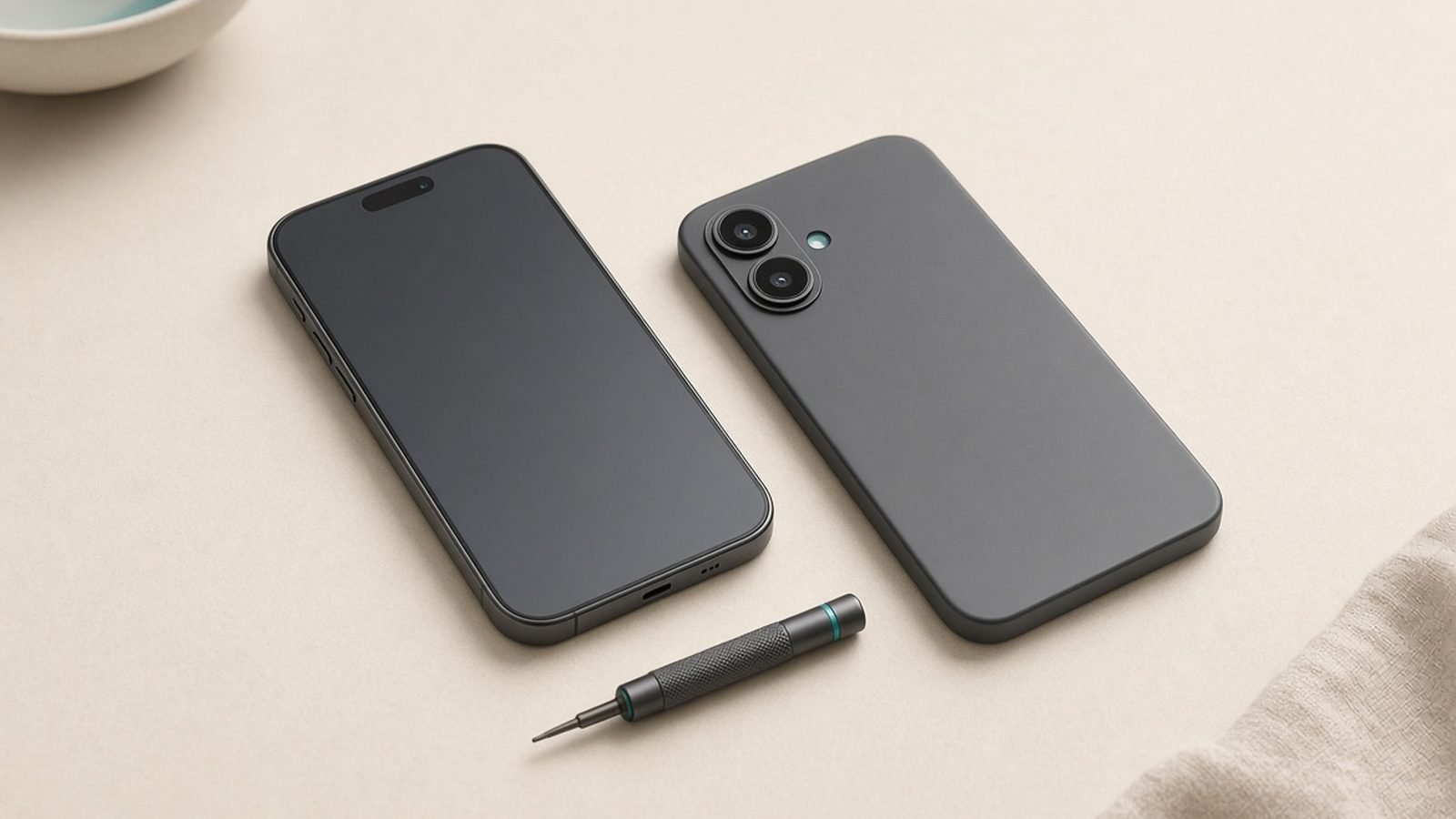
The device that best represents the ZTE brand itself is a current ZTE Blade phone — a large-screen, big-battery 5G handset that regularly turns up in budget conversations and our Best Budget Smartphones 2026: Under $400 / £400 roundups. Based on published specs, a modern Blade pairs a roomy display, a large battery, an entry-level chipset and 5G at a price that undercuts most name brands.
Beyond phones, ZTE’s connectivity hardware is arguably its strongest consumer story. The lineup worth knowing in 2026:
- ZTE Blade — the volume budget phone; a fit for our Best Budget Smartphones 2026: Under $400 / £400 and Best Phones for Battery Life 2026: All-Day (and More) picks thanks to big batteries.
- ZTE Axon — the step-up line for buyers who want more than entry-level specs.
- ZTE 5G mobile hotspots (MU/MC series) — well-regarded portable 5G internet devices, often the reason people know the brand.
- ZTE home 5G/fiber gateways and Wi-Fi routers — solid, unglamorous carrier networking gear.
- nubia / RedMagic phones — where ZTE keeps its enthusiast ambitions; see our Best Gaming Phones 2026: Top Performance Picks guide.
Strengths
Value 5G phones. The Blade line reliably delivers a big screen, big battery and 5G for less than most competitors, making it a genuine budget option where it’s sold.
Connectivity expertise. ZTE’s telecom DNA shows in its mobile hotspots and routers, which are among its most respected consumer products and are widely deployed by carriers.
Battery life. ZTE tends to prioritize large batteries in its budget phones, which suits buyers who want all-day (or two-day) endurance over premium extras.
Scale and availability. As one of the world’s largest telecom-equipment firms, ZTE has the manufacturing muscle and carrier relationships to distribute cheap hardware globally.
It owns the fun brands. RedMagic gaming phones and nubia’s imaging-focused devices come out of ZTE’s ecosystem, giving the group real enthusiast credibility even if the ZTE-branded phones are conservative.
Weaknesses & criticisms
Geopolitical and security baggage. ZTE’s 2018 US sanctions episode — for violating trade controls — and its designation as a network-security concern by US authorities are the brand’s defining reputational problem. Consumer phones aren’t the same as network gear, but the association lingers and limits Western availability.
Short software support. ZTE-branded phones typically get minimal guaranteed OS upgrades and short security-update windows, well behind Samsung, Google or even some budget rivals — a real issue for multi-year ownership.
Camera and polish. ZTE’s own-brand phones usually have mediocre cameras and less refined software than the value leaders; the imaging ambition lives in nubia, not the Blade line.
Thin, inconsistent Western presence. In markets like the US, ZTE phones come and go, often via prepaid carriers, and official support, updates and accessories can be hard to find.
Bloatware and dated software. Carrier-sold ZTE phones can ship with preinstalled apps and older Android versions, and the interface rarely feels as current as newer rivals.
Reliability & support
Based on aggregated user feedback, ZTE’s budget phones are about what you’d expect for the price: functional and generally dependable for basic use, but with more build-quality and quality-control variation than premium brands, and occasional complaints about slow performance as the software ages. The connectivity hardware — hotspots and routers — tends to earn better reliability marks, reflecting ZTE’s core engineering strength.
Warranty is the standard one-year manufacturer coverage in most regions, sometimes handled through the selling carrier rather than ZTE directly, which can make service uneven. Support quality varies a lot by market: it’s reasonable where ZTE has an official presence and much weaker where devices are sold semi-officially through prepaid channels. Software-update track record is the clear soft spot — set expectations low on long-term OS upgrades for ZTE-branded phones.
Who should buy ZTE
Buy ZTE if you want: the cheapest practical way to get a big-screen 5G phone or a dependable mobile hotspot/home router, and you don’t need long software support, a great camera or a premium feel. Its budget phones and connectivity gear suit price-first, no-frills buyers.
Look elsewhere if you want: long update commitments, strong cameras, premium build, or a brand free of geopolitical and security controversy. Security-sensitive users, and anyone keeping a phone for many years, should look at the picks in our Best Smartphones 2026: Top Picks for Every Budget and Best Android Phones 2026: Flagship to Budget guides — or at ZTE’s own nubia/RedMagic sub-brands for enthusiast hardware.
FAQ
Is ZTE a good brand in 2026?
For budget phones and connectivity hardware, it’s a reasonable value brand. ZTE Blade phones give you a big screen, big battery and 5G cheaply, and its hotspots and routers are genuinely well-regarded. The downsides are short software support, weak cameras on its own-brand phones, and the reputational weight of its US sanctions history — so it suits price-first buyers more than anyone chasing polish or longevity.
Is ZTE reliable?
Its connectivity gear (hotspots, routers) is reliable and reflects ZTE’s telecom engineering strength. Its budget phones are dependable for basic use but show more quality-control variation than premium brands and can slow down as the software ages. Overall reliability is acceptable for the price rather than a standout.
Where is ZTE from and who owns it?
ZTE Corporation is a Chinese company founded in 1985 and headquartered in Shenzhen. It’s publicly traded in Hong Kong and Shenzhen, with state-linked shareholders in its ownership structure, and it’s one of the world’s largest telecom-equipment makers. It also owns the nubia and RedMagic phone brands.
Is ZTE safe to use?
For everyday consumer use, a ZTE phone functions like any other Android device. The security concerns raised by US authorities have centered on ZTE’s telecom network equipment, not specifically on individual handsets. Still, buyers who are especially privacy- or security-sensitive, or who need to meet strict organizational policies, often prefer to avoid the brand given its sanctions history and government scrutiny.
Why was ZTE banned in the US?
In 2018 the US penalized ZTE for violating trade sanctions by dealing with Iran and North Korea, briefly cutting off its access to American components and nearly shutting the company down. ZTE later paid large fines and accepted a US compliance monitor. Separately, US regulators have flagged ZTE network equipment as a national-security risk, restricting its use in American telecom infrastructure.
Does ZTE own RedMagic and nubia?
Yes. Both nubia and its gaming-phone line RedMagic are sub-brands within ZTE’s ecosystem. That’s where the group puts its more ambitious phones — imaging-focused devices under nubia and high-performance gaming phones under RedMagic — while ZTE-branded handsets stay budget-focused.
Zen Tech Hub may earn a commission from links on this page, at no extra cost to you.