Reolink is the brand privacy-minded and value-focused buyers reach for when they want high-resolution cameras that record locally and never nag them for a monthly fee. In 2026 it offers some of the best resolution-per-dollar in the category, from wire-free battery cameras to full wired PoE systems with a network video recorder. Verdict: buy Reolink if you want subscription-free, locally stored security and don’t mind a slightly less polished app — it’s the value pick for people who’d rather own their footage than rent access to it, though its software and support trail the premium brands.
Reolink trades gloss for control and price. This profile explains where that trade pays off and where it costs you.
Company overview
Reolink is a consumer and prosumer security-camera brand founded in 2009, with roots in Shenzhen, China, and an international operation that serves customers worldwide directly and through Amazon. Its whole identity is built around a promise rival brands resist: local storage and no mandatory subscription. Reolink cameras record to microSD cards, a network video recorder (NVR), or your own FTP/NAS, so footage stays in your hands.
Reolink’s reputation is that of a value and self-reliance brand. Among enthusiasts, DIY installers, and people burned by subscription fees, it is highly regarded for giving you high resolution and local control at fair prices. The flip side is that its app polish, AI accuracy, and customer support are generally rated a notch below premium names. It competes with Arlo, Eufy, Ring, and traditional security-system brands, but almost always wins the “no subscription” argument.
What Reolink makes
Reolink spans from simple single cameras to whole wired systems:
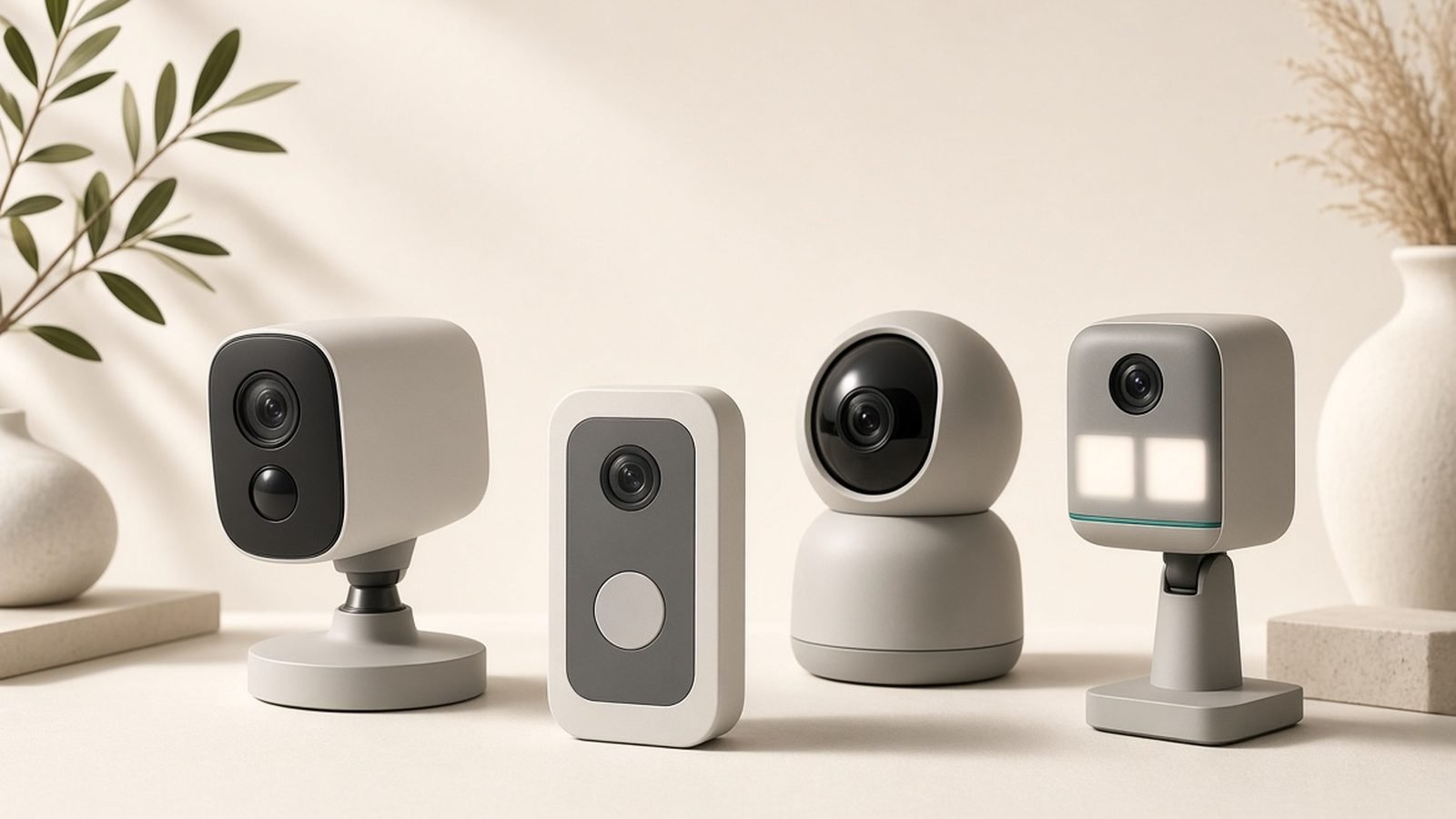
- Wire-free battery cameras: The Argus and Go lines, including 4G/LTE cellular models for places with no Wi‑Fi, and solar-panel options.
- Wired Wi‑Fi cameras: Plug-in cameras with high resolution and pan-tilt-zoom options for detailed coverage.
- PoE cameras and NVR systems: Power-over-Ethernet cameras that connect to a Reolink NVR for reliable, always-on wired recording — the backbone of serious DIY setups.
- Video doorbells: Wired and battery/PoE doorbells with local storage.
- High-resolution flagships: Cameras shooting up to 4K/8MP and beyond, plus dual-lens and colour-night-vision models.
Standout Reolink products in 2026
Reolink Argus 4 Pro. A wire-free battery camera with a wide 4K view, color night vision, and solar-charging support — a favorite for subscription-free outdoor coverage and a regular in Best Home Security Cameras With No Subscription in 2026.
Reolink PoE NVR kits. Bundles of PoE cameras with an 8–16 channel NVR give you always-on, locally recorded coverage with no cloud dependency — the closest thing to a professional system at a DIY price, and a highlight of Best Home Security Cameras 2026: Indoor & Outdoor Picks.
Reolink Video Doorbell (PoE / WiFi). A doorbell with true local storage and no forced subscription, earning it a spot in Best Video Doorbells With No Subscription (2026).
Reolink Duo series. Dual-lens cameras that stitch a very wide field of view, useful for covering driveways and corners with one unit.
For most buyers new to the brand, a battery Argus camera or a small PoE NVR kit best shows what Reolink is about.
Strengths
True no-subscription, local storage. This is the headline. Record to microSD, NVR, or NAS with no monthly fee — you own the footage, and there is an optional cloud plan only if you want one.
High resolution for the money. Reolink routinely offers 4K/8MP and higher at prices well below premium rivals, so detail-per-dollar is excellent.
Serious wired PoE and NVR options. Few consumer brands offer proper power-over-Ethernet systems this accessibly, appealing to people who want reliable, always-on wired recording.
Flexible connectivity. Wi‑Fi, PoE, and 4G/LTE cellular models plus solar charging mean Reolink covers scenarios other brands don’t, including properties with no internet.
Privacy-friendly by design. Because footage can stay entirely local, Reolink suits buyers who don’t want their video in someone else’s cloud.
Weaknesses & criticisms
Less polished app and software. The Reolink app works but feels clunkier than Ring’s or Arlo’s, with occasional connectivity quirks and a steeper learning curve, especially for NVR setups.
AI detection trails the leaders. Person/vehicle detection has improved but is still generally less accurate and slower than Arlo’s or Nest’s best, producing more false alerts.
Support is hit or miss. Customer service is largely email-based and reviews are mixed; getting help with firmware or NVR issues can be slow, and DIY setups assume some technical comfort.
Setup can be involved. PoE and NVR systems reward tinkerers but can intimidate non-technical buyers, and running Ethernet is real work compared with a battery camera you stick on a wall.
Ecosystem and smart-home integration are thinner. Alexa and Google support exist but are more limited than the mainstream brands, and there’s no deep, seamless smart-home story.
Reliability & support
On hardware, Reolink is dependable and often over-delivers: cameras are well built for the price, PoE/NVR systems are genuinely robust and run continuously, and image quality holds up. Because footage can live entirely on local storage, you aren’t at the mercy of a cloud service or a lapsed subscription — a real reliability advantage for people who value continuity. Warranties are typically one to two years depending on product and region.
Software and support are where Reolink shows its value pricing. The app is functional but less refined, firmware updates arrive but can occasionally introduce quirks, and customer support is primarily email-based with uneven response times. None of this is unusual for the segment, but it means Reolink rewards buyers who are comfortable troubleshooting and reading a setup guide. For a hands-on owner, it is highly reliable; for someone who wants a concierge experience, the premium brands feel smoother.
Who should buy Reolink
Buy Reolink if you want to own your footage, skip subscriptions, and get high resolution for a fair price — especially if you’re building a wired PoE/NVR system or need cellular/solar cameras for a location without Wi‑Fi. It’s the natural pick for privacy-minded buyers, DIY installers, small businesses, and anyone tired of paying monthly just to see their own recordings. Comfort with a slightly technical setup is the main prerequisite.
Look elsewhere if you want the most polished app, the smartest AI detection, and hand-holding support — Arlo or Ring will feel more refined, at the cost of subscriptions and cloud dependence. Our Best Home Security Cameras With No Subscription in 2026 guide pits Reolink against Eufy and Wyze for the no-fee crown, and Best Home Security Cameras 2026: Indoor & Outdoor Picks places it against the premium field.
FAQ
Is Reolink a good brand?
Yes, especially for value and privacy. Reolink offers high-resolution cameras and PoE/NVR systems that record locally with no mandatory subscription. The trade-offs are a less polished app, weaker AI detection, and more email-based support than premium rivals.
Is Reolink reliable?
The hardware is reliable, and wired PoE/NVR systems are genuinely robust for continuous recording. Because footage can stay local, you aren’t dependent on a cloud service. The main caveats are occasional app/firmware quirks and support that can be slow.
Where is Reolink from and who owns it?
Reolink is a security-camera brand founded in 2009 with roots in Shenzhen, China, operating internationally as an independent company. It is not part of a larger consumer-tech conglomerate.
Does Reolink work without a subscription?
Yes — that’s a core selling point. Reolink cameras record to microSD, an NVR, or NAS/FTP with no monthly fee, and cloud plans are optional. See Best Home Security Cameras With No Subscription in 2026.
Reolink vs Arlo — which should I buy?
Reolink wins on price, resolution-per-dollar, local storage, and no subscription; Arlo wins on app polish, AI detection accuracy, and support. Choose Reolink to own your footage and avoid fees, Arlo for the most refined premium experience.
Do I need an NVR for Reolink?
No. Many Reolink cameras record to a microSD card on their own, and Wi‑Fi/battery models work without one. An NVR is for people who want a wired, always-on, multi-camera system with centralized local recording — powerful, but optional.
Zen Tech Hub may earn a commission from links on this page, at no extra cost to you.