RingConn is one of the standout value brands in the fast-growing smart-ring category, and its pitch is simple: excellent sleep, activity and recovery tracking with no subscription and unusually long battery life. If you like the idea of an Oura-style ring but resent Oura’s monthly fee, RingConn is the obvious alternative — a lightweight, comfortable ring that tracks the core health metrics and, in the Gen 2 Air, undercuts most rivals on price.
The caveat is that RingConn is a young, smaller company. Its app and insights, while much improved, don’t yet match Oura’s depth or Samsung’s ecosystem integration, third-party app connections are limited, and long-term support and resale value are less certain than the established players. So is RingConn a good brand? Yes — one of the best-value smart-ring makers, as long as you weigh the smaller ecosystem. Here’s the full picture.
Company overview
RingConn is a smart-ring startup founded around 2020 and based in China, focused specifically on the smart-ring form factor rather than a broad wearables catalog. It rose to prominence by successful crowdfunding campaigns and by attacking the biggest complaint about the category leader, Oura: the mandatory subscription. RingConn’s models track sleep, heart rate, blood oxygen and activity, and it has pushed hard on battery life and comfort.
As a specialist newcomer, RingConn doesn’t have the brand recognition, funding or ecosystem of Samsung (Galaxy Ring) or the software maturity of Oura, but it has earned a strong reputation among value-focused buyers and reviewers. Its “no subscription” stance is a genuine differentiator in a category increasingly built on recurring fees. Reputation-wise, RingConn is seen as a credible, well-reviewed value pick rather than the outright best-in-class. In plain terms: a focused Chinese smart-ring startup delivering strong core tracking and long battery life at a keen price, with a smaller ecosystem than the leaders.
What RingConn makes
RingConn’s range is narrow by design — it makes smart rings and their supporting software:
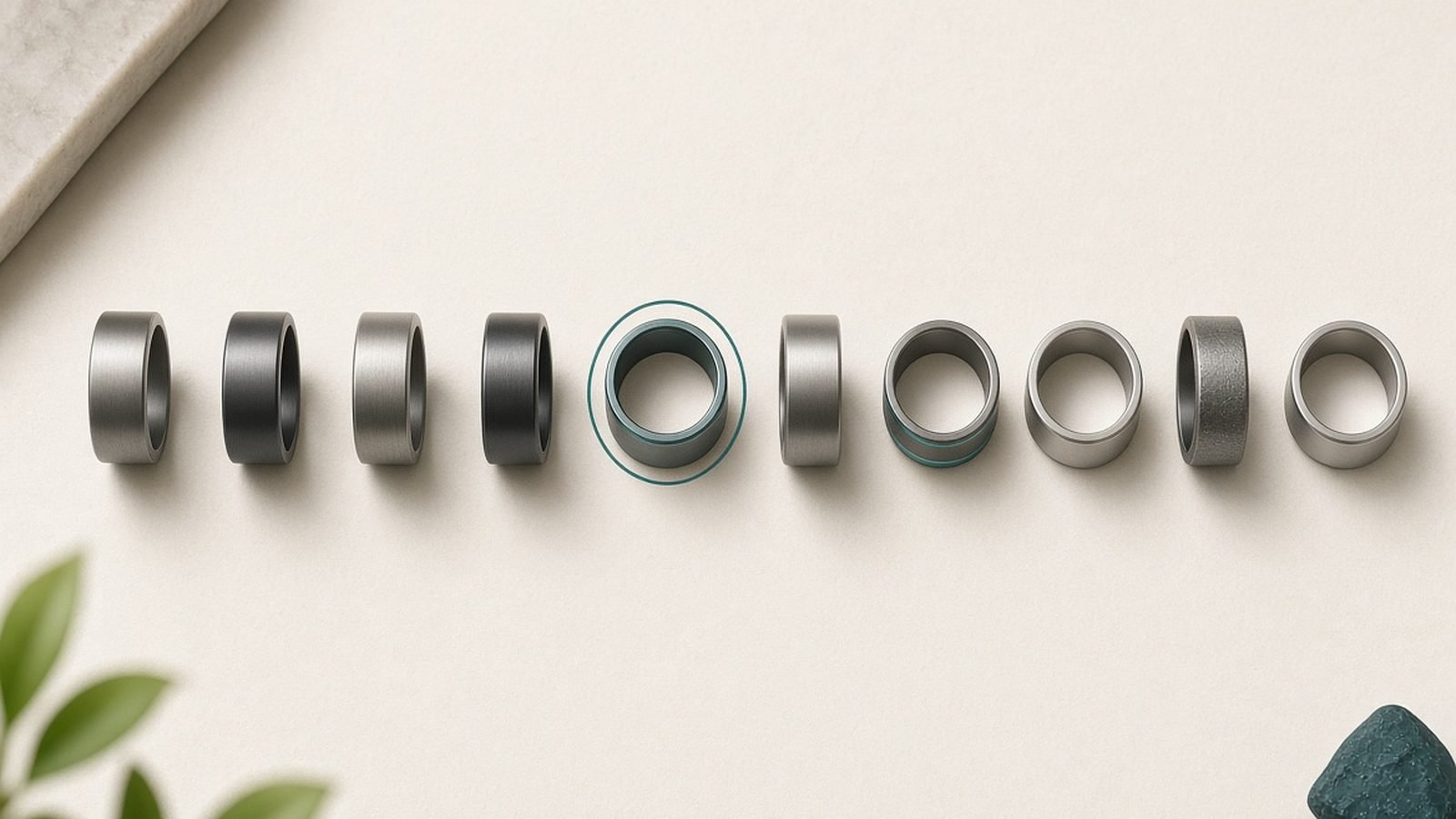
- Smart rings — lightweight titanium-finish rings that track sleep, heart rate, HRV, blood oxygen (SpO2), temperature trends and activity.
- Sleep and recovery tracking — sleep staging, sleep apnea/breathing monitoring on newer models, and a daily readiness-style score.
- Activity tracking — steps, calories and general movement, complementing rather than replacing a sports watch.
- Companion app — free health app with the metrics and trends; no subscription required to see your data.
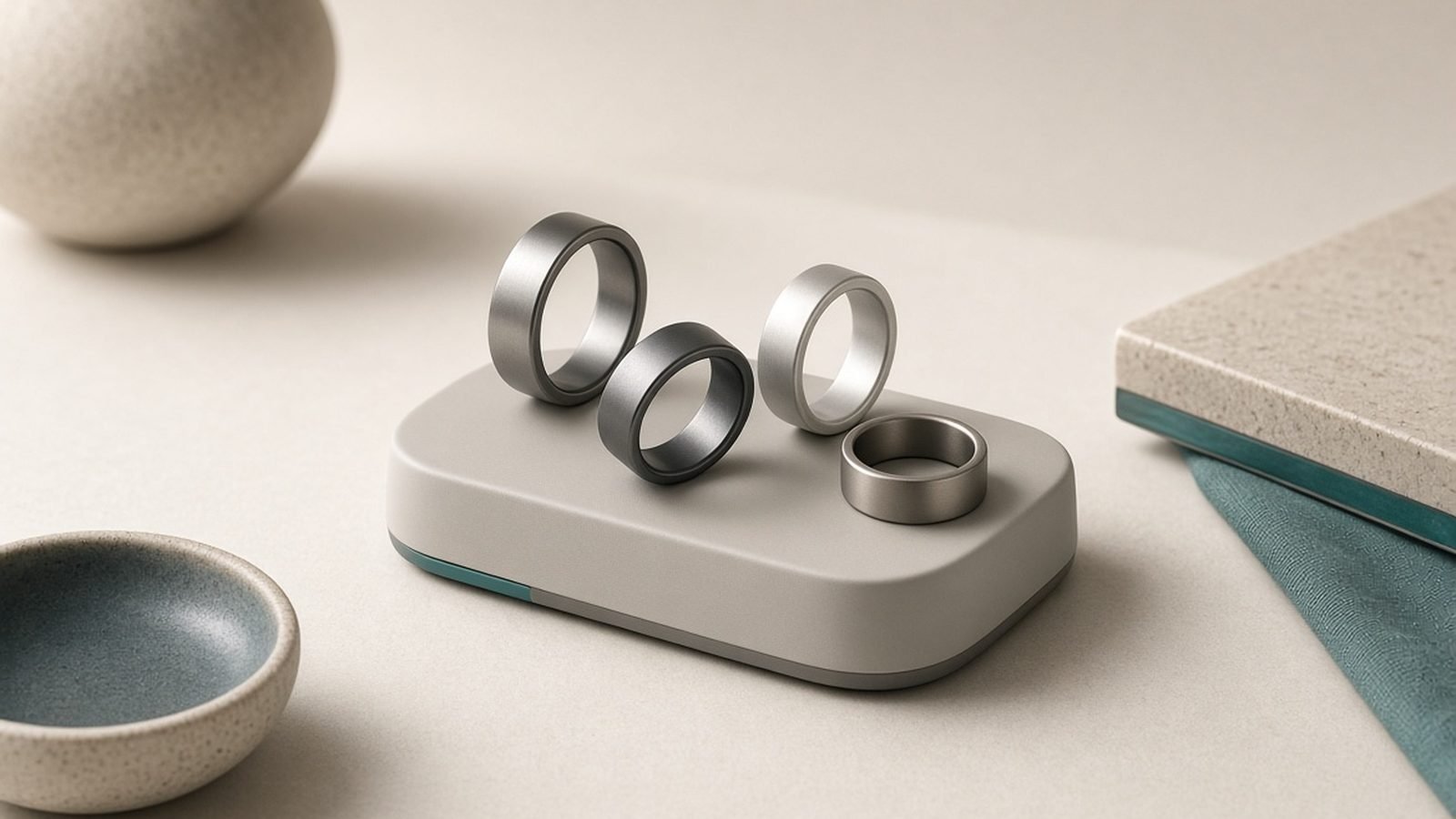
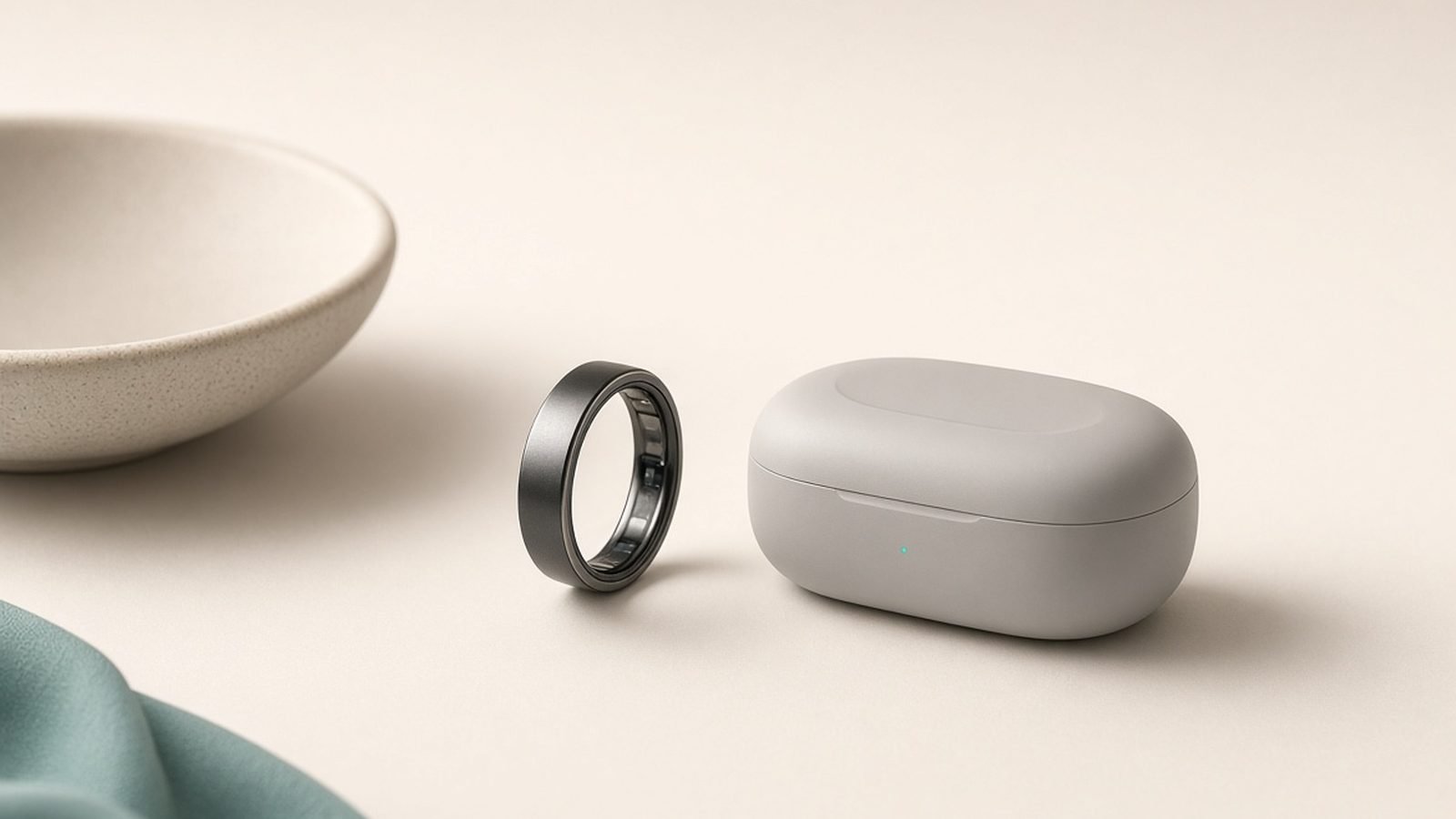
- Charging accessories — a compact charging case on the newer model that extends total battery to weeks between wall charges.
Standout RingConn products in 2026
- RingConn Gen 2 — the flagship: adds features like sleep-apnea/breathing monitoring, long battery life and a charging case, competing directly with the picks in our Best Smart Rings 2026: Oura, Galaxy Ring & Cheaper Rivals guide. Around $299 / £279, with no subscription.
- RingConn Gen 2 Air — a lighter, lower-cost version that strips a few features to hit a more aggressive price, making the smart-ring category more accessible.
- RingConn Gen 1 — the original, still circulating at lower prices; a solid budget entry if you want subscription-free tracking cheaply.
- RingConn app + charging case — the combination of free software and a case that pushes total runtime into weeks is a core part of the appeal for people who hate frequent charging, and a useful complement to devices in our Best Fitness Trackers 2026: Bands That Beat Smartwatches roundup.
Strengths
- No subscription. All your metrics and insights are available for the one-time hardware cost — a major saving versus Oura’s ongoing fee.
- Excellent battery life. RingConn rings last several days per charge, and the Gen 2 charging case extends total runtime to weeks — among the best in the category.
- Comfortable, light hardware. Slim titanium-finish rings that are easy to wear 24/7, including for sleep, with solid water resistance.
- Strong core tracking. Reliable sleep staging, heart rate, HRV, SpO2 and temperature trends cover what most people want from a recovery-focused wearable.
- Great value. The Gen 2 and especially the Gen 2 Air deliver a premium smart-ring experience for less than the established leaders.
Weaknesses & criticisms
- Smaller, less mature ecosystem. The app and insights, while improved, don’t match Oura’s depth, coaching or polish, and third-party integrations are limited compared with Samsung or Oura.
- Younger company risk. As a startup, RingConn has a shorter track record on long-term software support, warranty follow-through and company longevity than Samsung or Oura.
- Accuracy is good, not elite. Sleep and heart-rate tracking are solid for the category, but rings in general are less accurate for active workouts than a chest strap or wrist device, and RingConn is no exception.
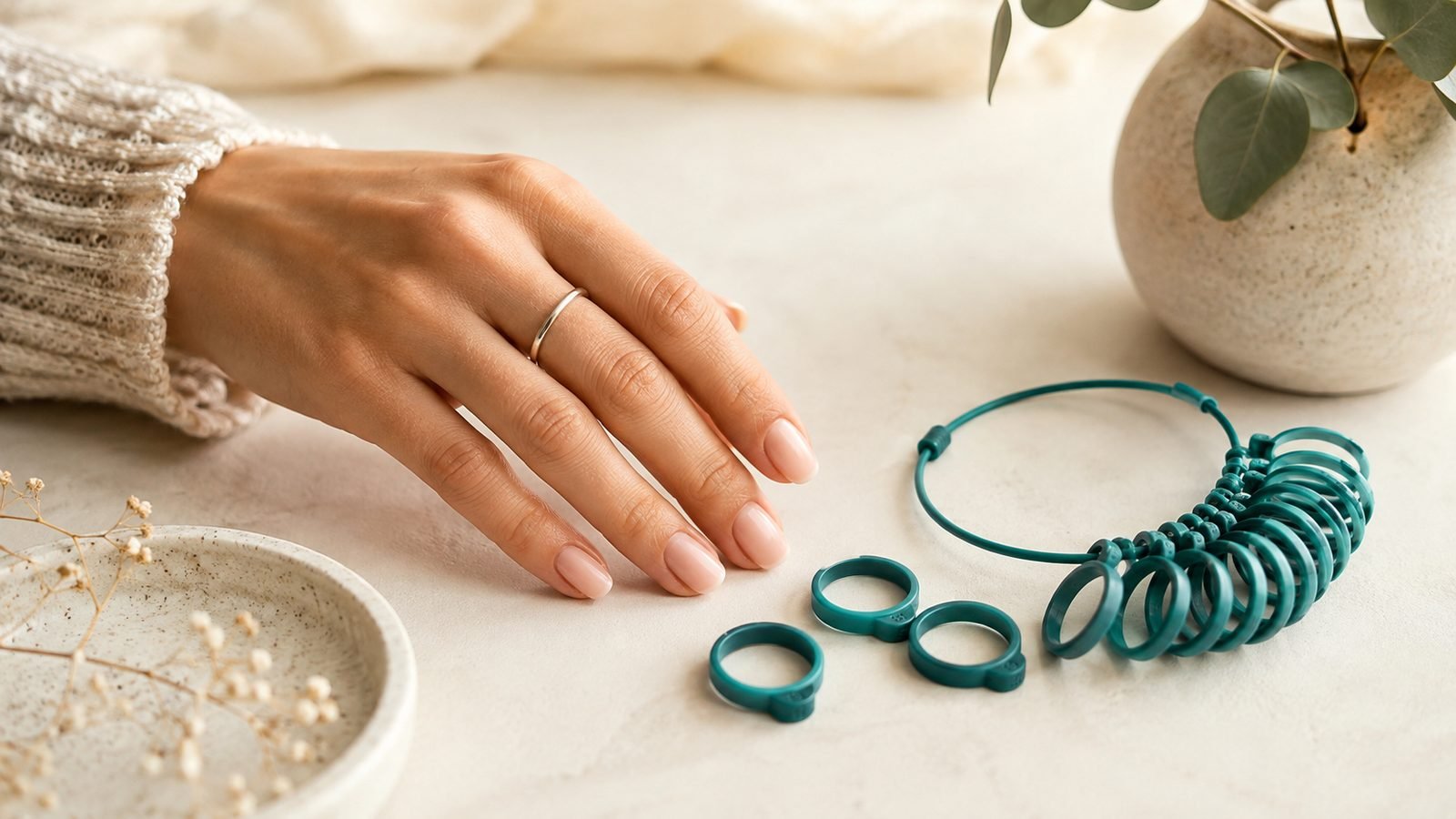
- Fixed sizing. Like all smart rings, you must get the size right (via a sizing kit) and can’t easily adjust it; weight changes can affect fit.
- Limited smart features. No display, notifications or payments — a ring is a tracker, not a smartwatch replacement.
- Resale and repair are weak. There’s little repair path for a sealed ring, and resale value and brand recognition trail the bigger names.
Reliability & support
RingConn’s hardware has generally reviewed well for build quality and comfort, with a durable titanium-finish shell and solid water resistance for everyday wear and showering. The main day-to-day reliability factors are common to all smart rings: battery longevity over years of charge cycles, the sealed, non-repairable construction, and getting the sizing right at purchase. Reported issues tend to involve occasional sync hiccups or firmware quirks rather than widespread hardware failure, and firmware updates have added meaningful features over time.
Warranty is typically one year, and because RingConn is a younger, direct-to-consumer company, support and RMA experiences are more variable and less battle-tested than the established players — something to weigh if long-term backing matters to you. There’s effectively no repair route for a failed ring; replacement is the path. The software-support trajectory has been positive so far, with the company actively pushing updates, but its longevity is inherently less certain than a larger firm’s. Overall: comfortable, well-built hardware with strong value, backed by support that’s promising but less proven than Oura or Samsung.
Who should buy RingConn
Buy RingConn if you want Oura-style sleep and recovery tracking without a subscription, with excellent battery life and a comfortable, discreet design, at a lower total cost of ownership. It’s ideal for people focused on sleep, HRV and recovery who don’t need a screen or notifications, who dislike charging wearables constantly, and who specifically want to avoid recurring fees. The Gen 2 and Gen 2 Air are among the best value smart rings available.
Look elsewhere if you want the deepest insights, coaching and most polished app (Oura), the tightest ecosystem integration on a Samsung phone (Galaxy Ring), or precise workout tracking (a dedicated fitness watch or chest strap from our Best Fitness Trackers 2026: Bands That Beat Smartwatches list). Buyers who prioritize a long, proven support track record and strong resale value may also prefer an established brand.
FAQ
Is RingConn a good brand?
Yes — RingConn is one of the best-value smart-ring brands, offering subscription-free sleep and recovery tracking with excellent battery life and comfortable hardware. The trade-offs are a smaller ecosystem and less mature app than Oura, and the usual risks of a younger company.
Is RingConn reliable?
The hardware is well-built and comfortable with solid water resistance, and firmware updates have added features over time. As a startup, its long-term support and warranty track record are less proven than Oura or Samsung, and the ring is sealed and non-repairable, so replacement is the only path if one fails.
Where is RingConn from and who owns it?
RingConn is a smart-ring startup founded around 2020 and based in China. It’s an independent, specialist company focused solely on smart rings, and rose to prominence through crowdfunding and its no-subscription positioning.
RingConn vs Oura — which is better?
Oura wins on app depth, coaching, ecosystem and polish, but charges a monthly subscription. RingConn wins on price and battery life and requires no subscription. Choose Oura for the most refined experience, RingConn for the best value and lower total cost.
Does RingConn require a subscription?
No — this is a core selling point. All of RingConn’s metrics and insights are available for the one-time hardware cost, with no recurring fee, unlike Oura, which paywalls most insights behind a subscription.
Is RingConn accurate?
For sleep, resting heart rate, HRV and SpO2 trends it’s solid and competitive within the smart-ring category. Like all rings, it’s less accurate for active workout heart rate than a chest strap or wrist device, so treat it as a recovery and sleep tool rather than a training monitor.
Zen Tech Hub may earn a commission from links on this page, at no extra cost to you.