What a Ring device does for you depends heavily on whether you pay for Ring Home. Without the subscription, a Ring doorbell or camera shows live video and sends motion alerts but saves no recordings, so you cannot go back and review what happened — and because mainstream models have no local storage, there is no microSD card or hub to fall back on. With it, Ring is the simplest smart-security system to expand: doorbells, cameras, alarm sensors and lights share one app and one account, with live view on Echo Show displays and Fire TVs. Verdict: buy Ring for its ease of use, reliability, and ecosystem, but go in knowing that almost every useful feature — including saved video history — sits behind a Ring Home subscription, and that the brand carries real privacy baggage.
Ring’s convenience is genuine, but so is the recurring cost and the trade-offs that come with an Amazon-owned camera in your home. This profile covers both sides.
Company overview
Ring was founded in 2013 as “Doorbot” and rose to fame after a memorable pitch on Shark Tank (which it did not close). It was acquired by Amazon in 2018 and now operates as an Amazon company, headquartered in the United States. That ownership is central to understanding the brand: Ring is tightly woven into Amazon’s Alexa and Echo ecosystem, sold heavily through Amazon, and shares the reach — and the scrutiny — of its parent.
Ring’s reputation is a study in contrasts. Among everyday users it is beloved for simplicity and reliability; among privacy advocates it has been repeatedly criticized over data handling, its Neighbors app, and past partnerships with police departments. Both reputations are earned. Ring is the market leader in video doorbells and a top-three player in consumer security cameras, and it competes most directly with Google Nest, Arlo, and Wyze.
What Ring makes
Ring’s lineup centers on home security hardware and the services around it:
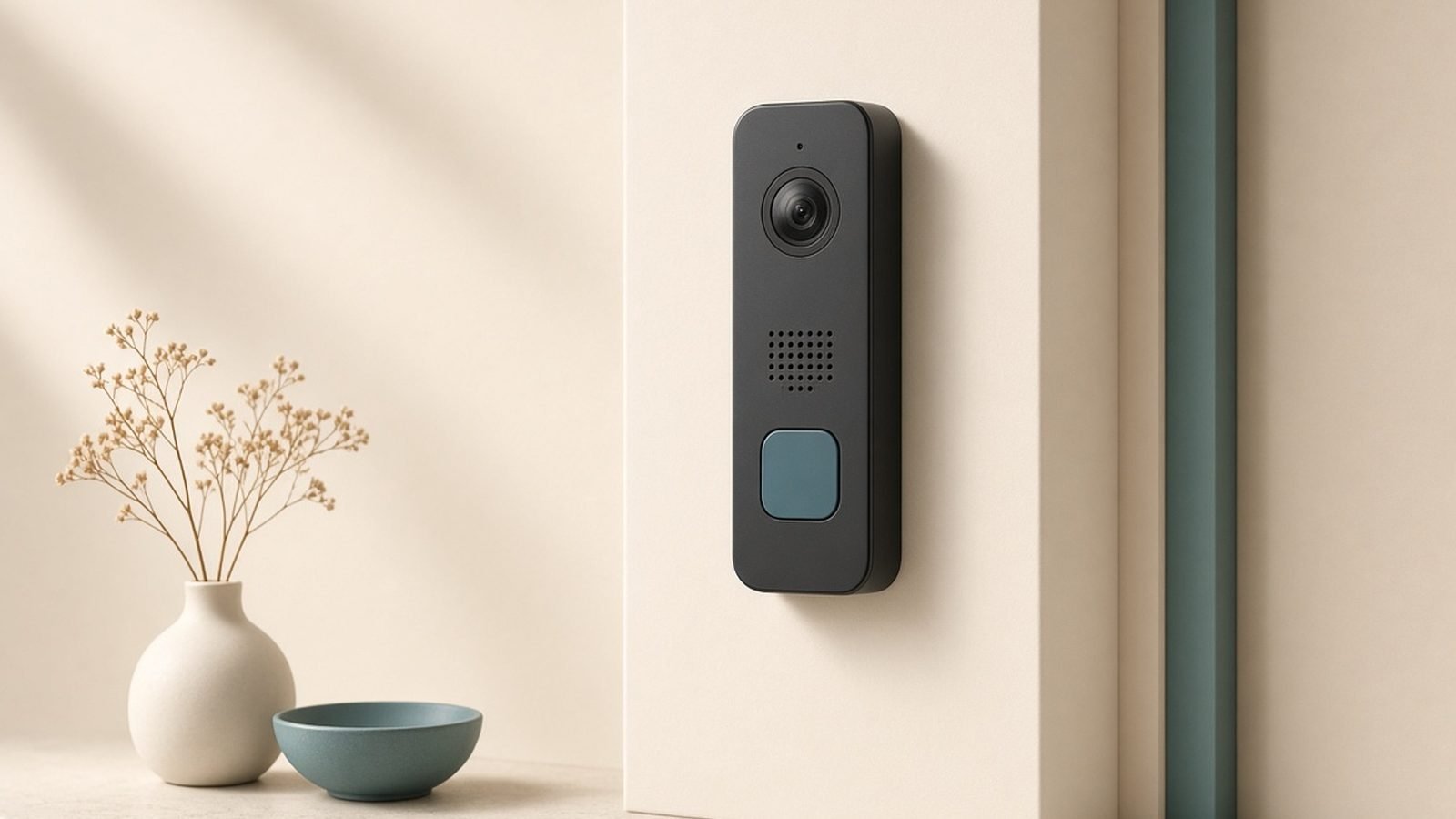
- Video doorbells: The category Ring defined, from the entry Battery Doorbell to the wired, higher-resolution Pro and Elite models.
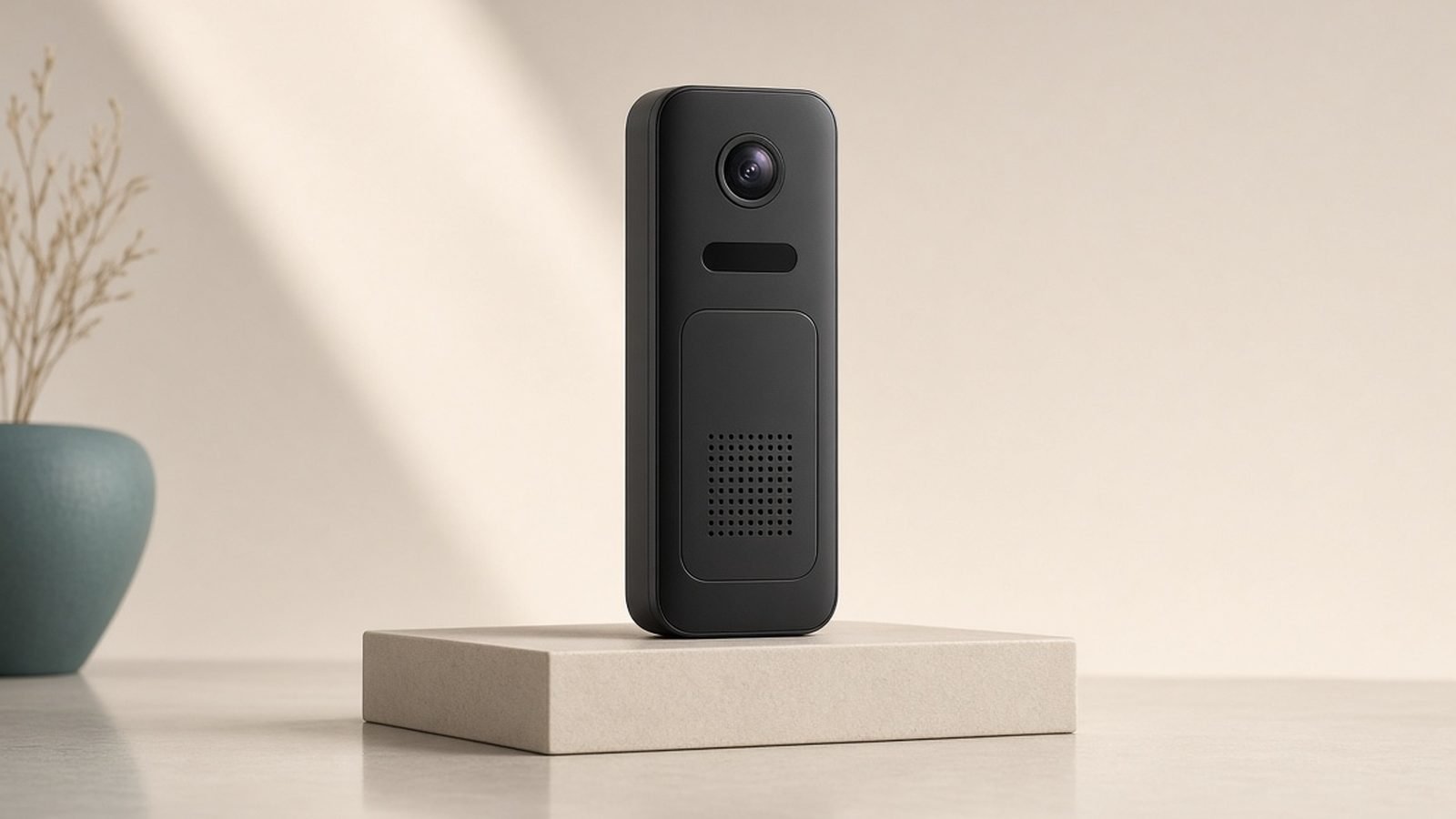
- Security cameras: The Stick Up Cam, Spotlight Cam, and Floodlight Cam families, in battery, plug-in, and wired versions for indoor and outdoor use.
- Alarm systems: Ring Alarm, a DIY home-security kit with contact sensors, motion detectors, keypads, and optional professional monitoring.
- Smart lighting: Ring Smart Lighting pathlights, steplights, and floodlights that integrate with cameras.
- Services: Ring Home (formerly Ring Protect), the subscription that unlocks recorded video, snapshots, and smart alerts.
Standout Ring products in 2026
Ring Battery Doorbell Plus / Pro. The doorbells remain Ring’s signature product, with head-to-toe (1:1 aspect ratio) video that shows packages on the ground and visitors head to foot. They feature prominently in our Best Video Doorbells With No Subscription (2026) guide — with the important caveat below about what you lose without a plan.
Ring Stick Up Cam. A flexible indoor/outdoor camera in battery, plug-in, and solar variants, and one of the easiest cameras to place anywhere. It appears throughout Best Home Security Cameras 2026: Indoor & Outdoor Picks.
Ring Floodlight Cam Wired Pro. A powerful outdoor camera combining bright floodlights, a siren, and radar-based motion detection — a strong deterrent for driveways and back gardens.
Ring Alarm. A well-reviewed, affordable DIY alarm system with optional professional monitoring, and one of the better values in its category if you want sensors and cameras under one app.
For most buyers, a Ring doorbell is the natural entry point, and the Battery Doorbell Plus hits the sweet spot of price and features.
Strengths
The easiest setup and app experience in the category. Ring’s onboarding, notifications, and shared-user features are best-in-class. Non-technical households genuinely find it simple.
Deep Alexa and Amazon integration. Live view and announcements on Echo Show displays and Fire TVs work seamlessly, which is a real advantage if you already own Amazon devices.
Broad, coherent ecosystem. Doorbells, cameras, alarm sensors, and lights all live in one app with one account, so expanding your system is painless.
Reliable hardware and strong availability. Ring devices are widely stocked, frequently discounted, and dependable day to day, with fast, stable notifications.
Optional professional monitoring. Ring Alarm’s affordable 24/7 monitoring plan is a genuine draw for people who want a hands-off safety net.
Weaknesses & criticisms
Almost everything useful needs a subscription. Without Ring Home, your cameras and doorbell show live video and send motion alerts but save no recordings at all — you cannot review what happened. This is the single biggest knock against the brand, and the reason many buyers cross-shop options in our Best Video Doorbells With No Subscription (2026) roundup.
A serious privacy track record. Ring has faced an FTC settlement over employees and contractors accessing customer videos and over lax security that allowed account hijacking, plus sustained criticism of the Neighbors app and its history of police data-sharing partnerships. The company has since ended the controversial one-tap police request feature and tightened access, but the reputation lingers for good reason.
No local storage on most models. Unlike several rivals, mainstream Ring cameras route recorded footage through the cloud rather than to a local microSD card or hub, so you are dependent on Ring’s servers and your plan.
Rising and repackaged subscription costs. Ring has increased plan prices and reorganized tiers over the years, and features have occasionally moved behind higher tiers.
No support for a truly local, offline setup. Privacy-minded buyers who want cameras that never touch the cloud will find Ring a poor fit by design.
Reliability & support
On hardware and uptime, Ring is dependable: cameras and doorbells are well built for their price, notifications are fast, and the app is stable. Warranties are standard (typically one year), and returns through Amazon are painless. Software updates are frequent, and Ring has generally been responsive in patching security issues after they were exposed.
The support experience is solid for a mass-market brand, with phone and chat channels and a large help center. The real “reliability” concern with Ring is not whether the camera works — it usually does — but the ongoing dependence on a paid cloud service and on Amazon’s data practices. If the subscription lapses, your saved-footage feature effectively switches off. Buyers should treat the plan cost as part of the true price of ownership, not an optional add-on.
Who should buy Ring
Buy Ring if you value simplicity above all, already use Alexa and Echo devices, and are comfortable paying a monthly subscription for recorded video. It is an excellent choice for renters, first-time smart-home buyers, and anyone who wants a doorbell and camera system that a non-technical household can manage without fuss. Ring Alarm with monitoring is also a strong, affordable DIY security option.
Look elsewhere if you specifically want to avoid recurring fees or keep footage local and private. In that case, compare brands built around subscription-free, local storage in our Best Home Security Cameras With No Subscription in 2026 guide — Reolink, Eufy, and Wyze (with a card) are the usual alternatives, and our Best Home Security Cameras 2026: Indoor & Outdoor Picks roundup places Ring against all of them.
FAQ
Is Ring a good brand?
Yes, for the right buyer. Ring makes reliable, easy-to-use doorbells and cameras with the best ecosystem and Alexa integration in the category. The big caveats are its heavy reliance on a paid subscription for recorded video and its notable privacy history.
Is Ring reliable?
In day-to-day use, yes — the hardware is dependable, notifications are fast, and the app is stable. The main dependency is Ring’s cloud service: recorded footage and smart alerts require an active Ring Home subscription, so ongoing reliability is tied to keeping a plan.
Where is Ring from and who owns it?
Ring is a US company founded in 2013 and has been owned by Amazon since 2018. It operates as an Amazon company and is tightly integrated with Alexa and Echo devices.
Does Ring work without a subscription?
Only partly. Without a Ring Home plan you get live video and real-time motion notifications, but no saved recordings to review later. If subscription-free recording matters to you, see Best Video Doorbells With No Subscription (2026) and Best Home Security Cameras With No Subscription in 2026.
Ring or Arlo — which is better?
Ring wins on ecosystem simplicity, Alexa integration, and price; Arlo tends to win on camera image quality and offers some smart features free. Both rely on subscriptions for full functionality. It comes down to whether you prioritize Amazon integration (Ring) or image quality and camera hardware (Arlo).
Is Ring safe to use given its privacy history?
Ring has settled with the FTC and tightened access controls and security since its worst episodes, and ended its one-tap police request tool. It can be used safely with strong two-factor authentication and a clear understanding that footage lives in Amazon’s cloud. Privacy-first buyers who want local-only storage should consider alternatives instead.
Zen Tech Hub may earn a commission from links on this page, at no extra cost to you.