Withings occupies a distinctive corner of the wearable world: connected health devices that look like they belong in a nice home, not a gym. The short verdict: if you want clinically minded health tracking — ECG, blood oxygen, blood pressure, weight and body composition, sleep — wrapped in genuinely beautiful hardware with weeks-long battery, Withings is one of the best brands going. The trade-offs are that it’s a health company more than a fitness or smartwatch company, some features and insights sit behind a subscription, and its hybrid watches deliberately skip the app-rich smartwatch experience.
Buy Withings if you care about long-term health metrics and elegant design. Look elsewhere if you want a full-featured sports watch or a do-everything smartwatch.
Company overview
Withings is a French consumer health-technology company founded in 2008 and headquartered in Issy-les-Moulineaux, near Paris. It built its name on connected health devices — smart scales, blood-pressure monitors, and hybrid analog smartwatches with hidden health sensors.
Its ownership story is unusual. Nokia acquired Withings in 2016 and folded it into its digital-health efforts, a period widely seen as a poor fit. In 2018 Withings co-founder Éric Carreel bought the company back from Nokia, restoring it to independent French ownership, and it has operated independently since. That reset is often credited with returning the brand to its design-and-health roots. Withings is respected for medically oriented features and has pursued regulatory clearances (such as ECG and, in some regions, sleep-apnea detection) that many lifestyle brands avoid.
What Withings makes
Withings’ 2026 catalog spans connected health hardware:
- Hybrid smartwatches — analog-look watches with hidden displays and health sensors, including the ScanWatch line (ECG, SpO2) and the sportier lineup, all with multi-week battery.
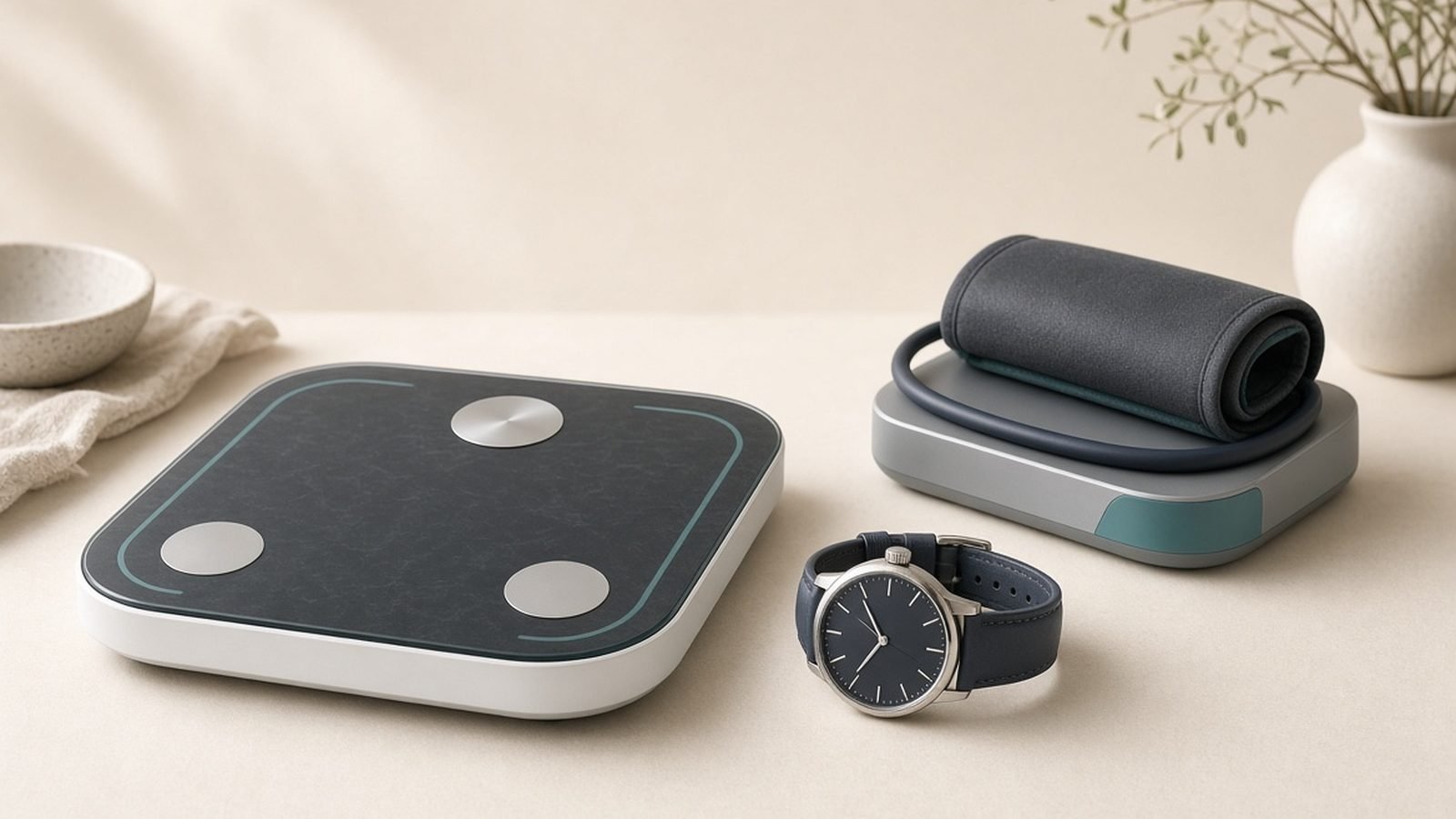
- Smart scales — the Body series, measuring weight, body composition, and in some models heart rate and vascular-age estimates.
- Blood-pressure monitors — the BPM range, FDA-cleared cuffs that sync to the app.
- Sleep tracking — the Sleep mat that slides under a mattress to track sleep and, in some regions, breathing disturbances, plus sleep tracking on the watches.
- Home health devices — including U-Scan, a home urine-analysis device, reflecting Withings’ push into deeper at-home diagnostics.
Everything syncs to the Withings app (Health Mate), the hub for trends and insights.
Standout Withings products in 2026
Withings ScanWatch Nova / ScanWatch 2 — around $349–$599 / £319–£549. The flagship hybrid smartwatch: a genuine analog watch face with a small hidden display, ECG, SpO2, temperature, and up to roughly 30 days of battery. It’s the standout pick for health tracking without smartwatch fuss and features on our Best Fitness Trackers 2026: Bands That Beat Smartwatches and Best Smartwatches 2026: 7 Top Picks for Every Budget guides for design-led health buyers.
Withings Body Scan — around $399 / £349. A premium smart scale measuring weight, segmental body composition, and offering ECG and vascular-age features via handles, positioning it as a whole-body health station.
Withings Body Smart — around $99 / £89. The value smart scale for weight and body composition, a common entry point to the ecosystem and a fit for anyone building a health-tracking routine.
Withings BPM Connect — around $99 / £99. An FDA-cleared connected blood-pressure monitor that syncs readings automatically, popular with people managing hypertension.
Withings Sleep — around $129 / £119. An under-mattress sleep sensor tracking sleep cycles, heart rate, and breathing disturbances without wearing anything to bed.
Strengths
Health depth and credibility. Withings pursues real medical features — ECG, SpO2, blood pressure, and regulatory clearances — that go beyond typical fitness tracking. For long-term health monitoring, it’s among the most serious consumer brands.
Design. Withings hardware is consistently elegant. The hybrid watches look like traditional timepieces, and the scales and monitors suit a home rather than shouting “gadget.” This is a real differentiator.
Battery life. Hybrid watches run for weeks (the ScanWatch line up to around a month), a huge advantage over the daily charging of full smartwatches.
Cohesive ecosystem. Scales, watches, BP monitors, and sleep sensors all feed one app, giving a genuinely joined-up picture of long-term health trends.
Weaknesses & criticisms
Subscription for deeper insights. Withings offers a Health+ subscription that gates some advanced programs, insights, and coaching. Core measurements work without it, but users have criticized the push toward a paid tier for a company selling premium hardware.
Not a fitness or sports watch. Withings watches lack built-in GPS on most models, deep training analytics, and sports features. Runners and cyclists will find them thin compared with Garmin, Polar, or an Best Running Watches 2026: Top Picks Compared & Ranked pick.
Limited smartwatch functionality. By design, the hybrids skip apps, a large touchscreen, payments, and rich notifications. That’s the point, but it means they’re not a smartwatch replacement.
Regional feature and clearance gaps. Some medical features (like sleep-apnea detection) roll out unevenly by country due to regulatory timing, so what you get depends on where you live.
Reliability & support
Withings has a generally good reliability reputation, with well-made hardware and long-lived devices — the scales and hybrid watches in particular tend to last. Warranties are typically two years in the EU and around one year in some other markets; check your region. The health-device focus means accuracy and consistency are core to the brand’s credibility, and independent reviews of features like ECG and blood pressure have generally been positive.
The most common criticisms in aggregated feedback concern app and sync reliability (occasional syncing or Bluetooth hiccups), the friction of the Health+ upsell, and the fact that some purchased features depend on ongoing software and cloud support — a general risk with connected-health hardware. The turbulent Nokia era also left some longtime users cautious, though independence since 2018 has stabilized the brand. Customer support is generally regarded as reasonable. Overall, Withings is a low-to-moderate-risk brand for reliability, strongest when judged as connected health hardware rather than as sports or smartwatch gear.
Who should buy Withings
Buy Withings if you want elegant, medically minded health tracking — weight and body composition, ECG, blood pressure, SpO2, sleep — with weeks of battery and hardware you’re happy to have on display. The ScanWatch line suits people who want health data without smartwatch clutter, and the scales and BP monitors suit anyone building a long-term home health picture, including those managing specific conditions.
Look elsewhere if you’re primarily a runner, cyclist, or athlete who needs GPS and deep training analytics, or if you want a full smartwatch with apps and payments. In those cases a Garmin, Polar, or Apple Watch fits better — see our Best Smartwatches 2026: 7 Top Picks for Every Budget guide.
FAQ
Is Withings a good brand?
Yes — for connected health tracking and design, Withings is one of the best consumer brands, with serious medical features and elegant hardware. It’s a weaker choice if you want a sports watch or a full-featured smartwatch.
Is Withings reliable?
Generally yes. The hardware is well made and long-lived, warranties are competitive (often two years in the EU), and the medical features are well regarded. The main gripes are occasional app/sync hiccups and reliance on ongoing software support for some features.
Where is Withings from and who owns it?
Withings is a French company founded in 2008 and based near Paris. Nokia owned it from 2016 to 2018, after which co-founder Éric Carreel bought it back. It has been independently French-owned since.
Does Withings require a subscription?
No mandatory subscription for core measurements, but Withings offers a paid Health+ tier that unlocks advanced insights, programs, and coaching. Buyers should factor in that some deeper features sit behind that paywall.
Is Withings good for running or the gym?
Not primarily. Most Withings watches lack built-in GPS and deep training analytics, so dedicated athletes are better served by a Garmin or Polar. Withings shines at everyday health and wellness rather than sports performance — see our Best Running Watches 2026: Top Picks Compared & Ranked guide.
How long does Withings watch battery last?
The hybrid watches last weeks, with the ScanWatch line rated up to around 30 days per charge, far longer than full smartwatches that need daily charging.
Zen Tech Hub may earn a commission from links on this page, at no extra cost to you.