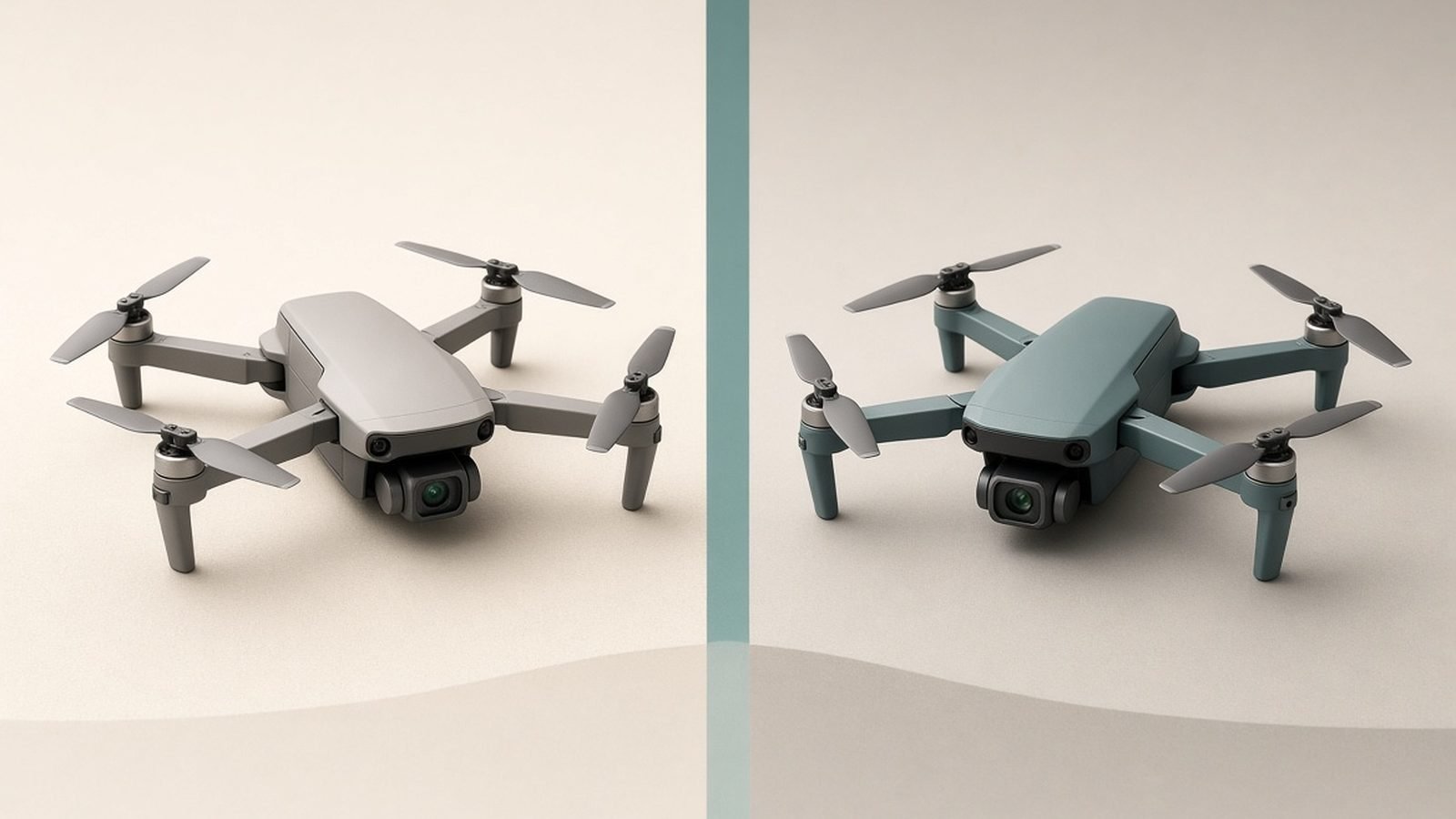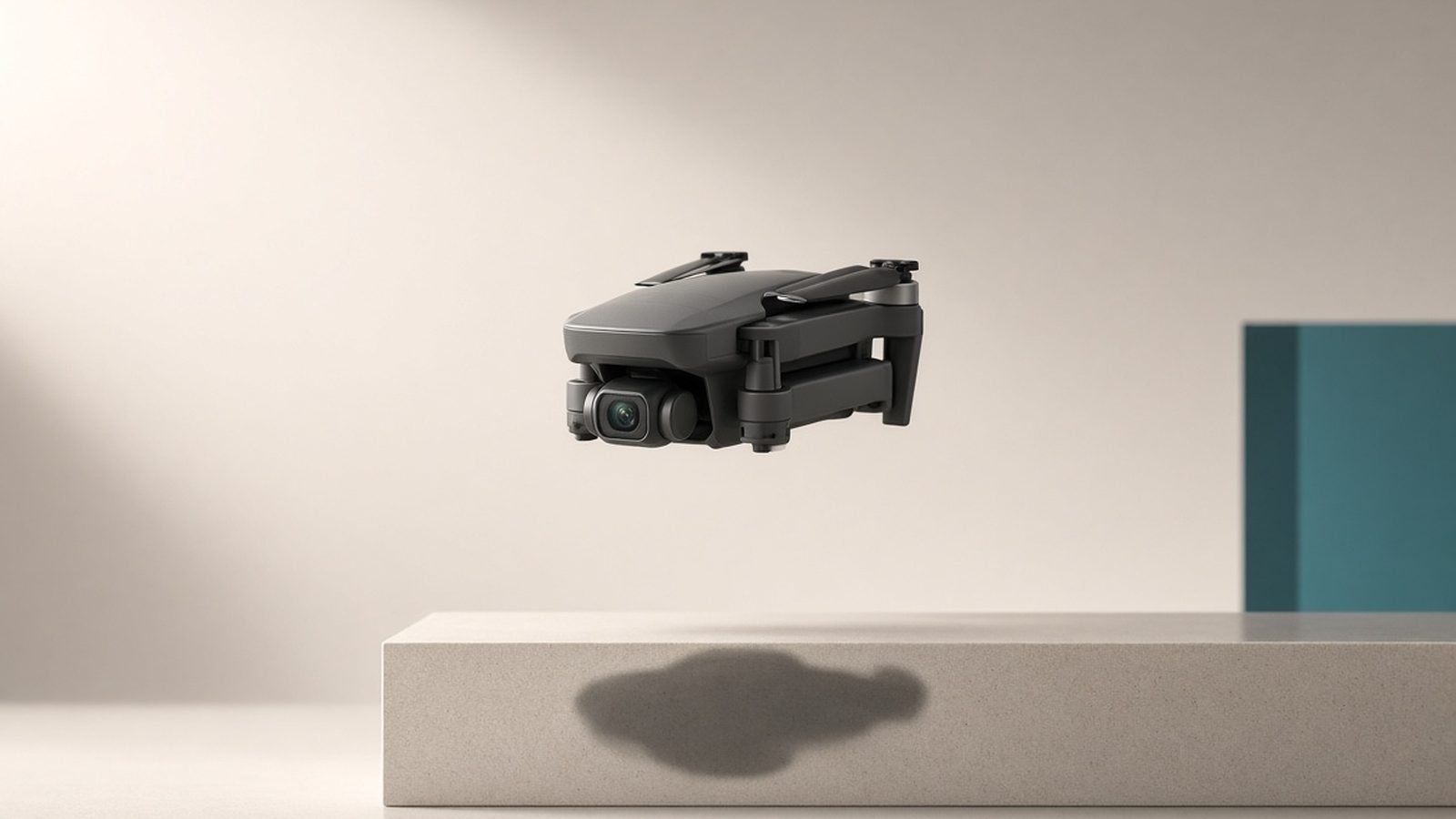
If you want one takeaway from this DJI Mini 5 Pro review, here it is: DJI put a 1-inch camera sensor, omnidirectional obstacle sensing and a genuinely long battery into a drone that still weighs under 250g. That last number matters, though for less than it is often given credit for. In the US, staying under 250g means a recreational flyer does not have to register the drone with the FAA. In the UK it does not spare you the test: the CAA requires a Flyer ID from 100g. For a first-time flyer, a pro-grade camera in a body this small is still close to unbeatable.
So is the Mini 5 Pro the beginner drone to beat in 2026? Based on our spec research and aggregated owner feedback, yes — with a couple of caveats about real-world pricing we will get to.
Mini 5 Pro at a Glance
| Spec | DJI Mini 5 Pro |
|---|---|
| Weight | Under 250g |
| Camera sensor | 1-inch CMOS |
| Video | 4K up to 60fps (slow-mo modes higher) |
| Gimbal | 3-axis, 225-degree rotation (true vertical) |
| Obstacle sensing | Omnidirectional |
| Battery life (rated) | Around 36 min per standard battery |
| Base price | £689 at DJI’s UK store, 2 October 2026 (with RC-N3 controller); around $799 at our July 2026 US check |
| Subject tracking | ActiveTrack 360 |
The headline upgrades over the previous generation are the bigger 1-inch sensor, the extended flight time and the 225-degree gimbal that swings past straight-down into true overhead and vertical framing. If you shoot for Reels, TikTok or Shorts, that vertical mode alone is a real reason to look here.
Design and the Sub-250g Advantage
The Mini 5 Pro follows the familiar folding-arm design DJI has refined over five generations. Folded, it is roughly the size of a chunky smartphone and slips into a jacket pocket or the corner of a daypack. Unfolded, it feels reassuringly solid rather than toy-like, and the props snap out fast once you learn the sequence.
But the design point that matters most is invisible: the weight. Coming in under 250g is not a marketing rounding trick — it is a legal threshold.
In the US, a drone under 250g flown recreationally does not need FAA registration, though the FAA requires every recreational flyer to take the free TRUST test whatever the drone weighs (FAA recreational flyers page, last updated 18 March 2026). In the UK, the CAA requires a Flyer ID for any drone of 100g or more and an Operator ID as well if it has a camera, so the Mini 5 Pro needs both: the Flyer ID test is free and online, and the Operator ID costs £12.34 a year (CAA registration pages, read 2 October 2026). You still follow the basic safety rules everywhere — keep it in sight, respect no-fly zones.
That is why we lead with it. A beginner can unbox this drone and be flying legally the same afternoon. For the full rundown, see our guide on whether Do You Need a License to Fly a Drone? (US & UK 2026).
DJI Mini 5 Pro Camera and Image Quality
This is where the Mini 5 Pro earns the “Pro” in its name. The step up to a 1-inch CMOS sensor is the single biggest reason to choose it over cheaper mini drones. A larger sensor gathers more light, which in practice means cleaner footage as the sun drops, better dynamic range in high-contrast scenes like sunsets over water, and more latitude if you grade your footage afterward.
The DJI Mini 5 Pro camera shoots 4K at up to 60fps, with higher frame rates available for slow-motion, and captures 10-bit color in D-Log M for those who want to color-grade. Based on owner reports, the footage punches well above what people expect from a drone this size, and the jump in low-light usability over previous minis is the most commonly praised improvement.
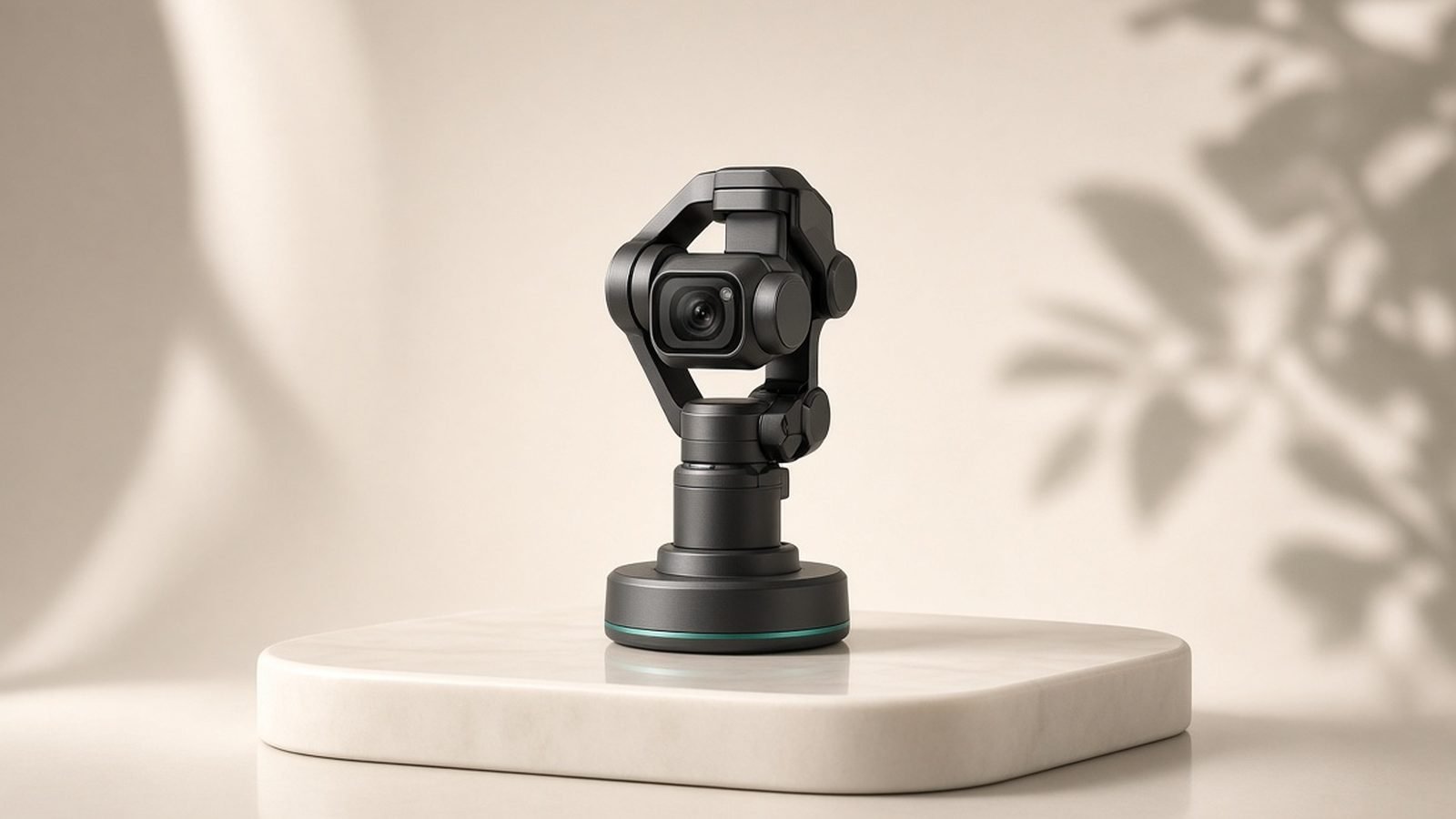
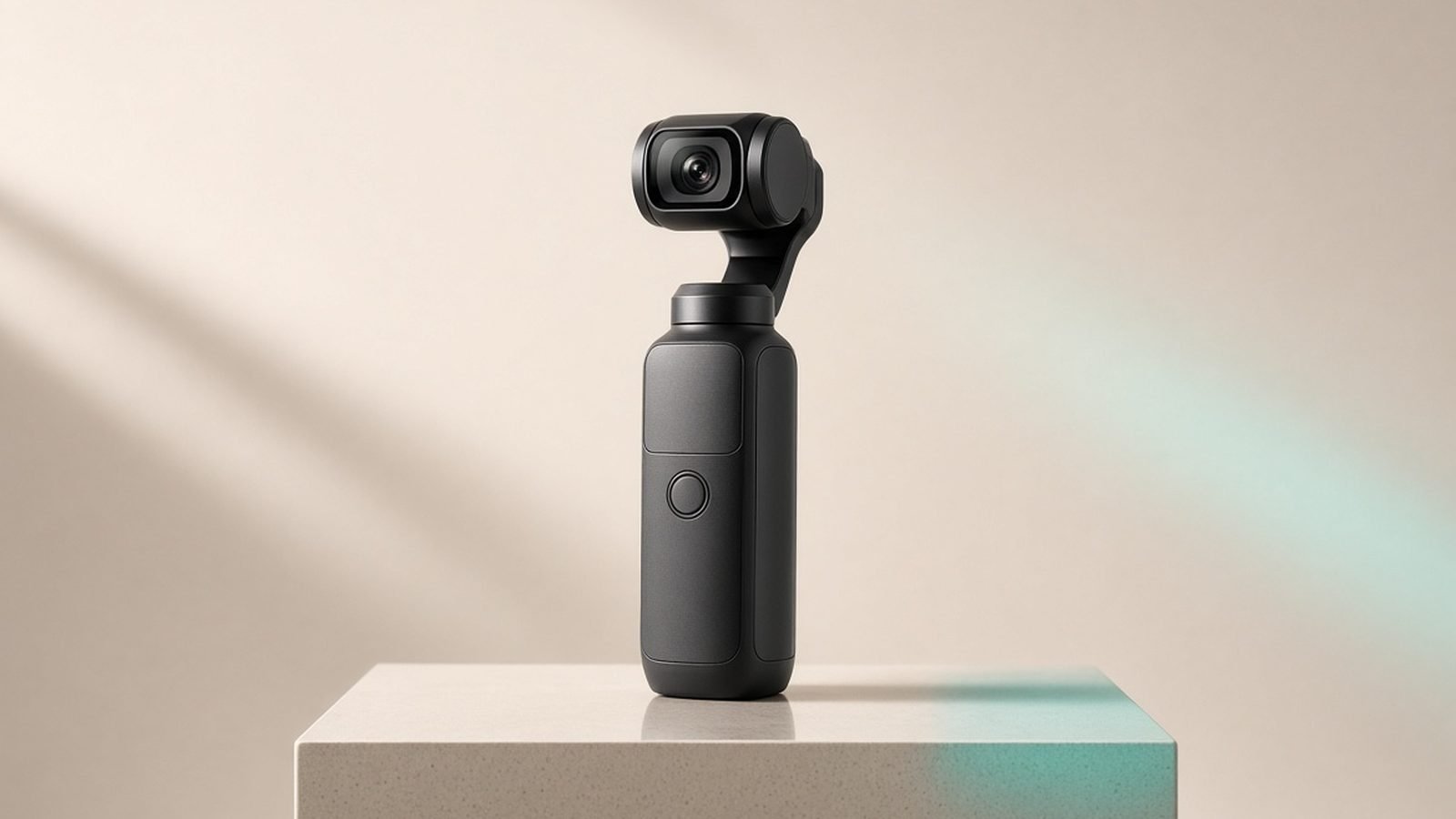
The 225-degree gimbal rotation is the other standout. It rotates far enough to shoot true vertical video natively — not a cropped-down fake — which is a genuine advantage for creators publishing to phone-first platforms. It also enables clean overhead top-down shots without awkward workarounds.
Stills land in the same territory: high-resolution photos with usable detail and the option to shoot RAW. It will not replace a full-frame camera on the ground, but for aerial work at this weight, the results are excellent.
Flight, Range and Obstacle Sensing
For nervous first-timers, omnidirectional obstacle sensing is the feature that turns a stressful hobby into a relaxed one. The Mini 5 Pro watches in every direction and will brake or route around trees, branches and buildings rather than flying into them. It is not a licence to fly carelessly, but it dramatically lowers the odds of a beginner writing off their drone in week one.
Range is strong for the class thanks to DJI’s O4 transmission system, giving a stable, long-distance HD feed well beyond what you should legally or sensibly fly. In real use you are limited by line-of-sight rules long before you run out of signal, which is exactly how it should be.
ActiveTrack 360 handles subject tracking — lock onto a runner, cyclist or car and the drone follows and frames automatically. Combined with the standard QuickShots (Dronie, Helix, Boomerang), it means a solo creator can produce cinematic clips without touching the sticks. New to all of this? Start with our walkthrough on How to Fly a Drone for Beginners: Step-by-Step.
Battery and Fly More Combos
The rated flight time of around 36 minutes per standard battery is a meaningful upgrade, and it is arguably the most underrated one. More air time means fewer battery swaps, less range anxiety and more usable shots per outing. Real-world time will be lower in wind or cold, as always — plan for roughly 25-30 useful minutes.
Here is the honest money talk. The base price gets you one battery. Any serious flyer will want the Fly More Combo, which bundles extra batteries, a charging hub and a carry bag, and often upgrades you to a screen-equipped controller (the DJI RC 2) so you do not need to attach your phone. The combos are where the real-world cost climbs — budget meaningfully above the base price if you go this route. In our view the combo is worth it for anyone who plans to fly regularly; a single battery fills up fast.
Who Should Buy It — Is the DJI Mini 5 Pro Worth It?
Buy it if you are:
A first-time flyer who wants pro-quality footage from a drone under the 250g FAA registration line
A content creator who needs native vertical video for social platforms
A traveler who values pocketable weight and legal simplicity abroad
Anyone upgrading from an older sub-250g mini who wants that 1-inch sensor leap
Look elsewhere if you are:
On a tight budget and happy with 1080p or a smaller sensor — a cheaper mini will do
A professional needing a larger sensor and longer range for paid work — step up to something like the Air line
On the DJI Mini 5 Pro vs Mini 4 Pro question: if you already own the Mini 4 Pro and shoot mostly in good light, the upgrade is nice-to-have, not essential. If you are buying fresh, the newer sensor, longer battery and 225-degree gimbal make the Mini 5 Pro the clear pick. Weighing it against a bigger drone instead? Read our DJI Mini 5 Pro vs Air 3S: Which Drone Should You Buy? comparison, and see where it lands in our roundup of the Best DJI Drone for Beginners in 2026.
Pros and Cons
Pros - 1-inch sensor is a real image-quality leap for the class - Under 250g — no FAA registration for recreational flying in the US - Omnidirectional sensing builds beginner confidence - 225-degree gimbal for true vertical and overhead shots - Long rated battery life; strong O4 range
Cons - Base price includes only one battery - Fly More combos push the real cost up significantly - Overkill for casual flyers who only want simple photos - Windy, cold conditions cut battery time noticeably
Verdict: The Sub-250g Drone to Beat
The DJI Mini 5 Pro’s biggest selling point is not a single spec — it is how much camera fits under 250g. It hands beginners a pro-grade 1-inch camera, omnidirectional safety net and long battery while staying under the weight at which the FAA requires registration in the US; in the UK it needs the same Flyer ID and Operator ID as any camera drone of 100g or more. Add native vertical video and confident obstacle avoidance, and it is the drone we would point almost any newcomer toward in 2026.
Is the DJI Mini 5 Pro worth it? For new and intermediate flyers, comfortably yes. Just buy the Fly More Combo from the start and budget for it — a single battery will leave you wanting more, fast.
Price and Where to Buy
DJI’s UK store lists the DJI Mini 5 Pro at £689 for the base kit with the RC-N3 controller on 2 October 2026, with Fly More Combos at £869 (RC-N3), £979 (RC 2) and £1,039 (Fly More Combo Plus, RC 2). Our July 2026 check put the US price at around $799, but DroneDJ reported on 17 September 2025 that DJI would not sell the Mini 5 Pro through its own US online store, which leaves American buyers with third-party sellers; we could not re-verify a US price for this update. That makes the DJI Mini 5 Pro UK price the only one on this page checked against DJI itself.
Prices shift with bundles and seasonal promotions, so check current stock before ordering. Buying direct from DJI or an authorized retailer like B&H protects your warranty.
Want more gear picks and how-tos? Visit our Cameras & Creator Gear.
FAQ
Do you need a license to fly the DJI Mini 5 Pro?
Not a licence, but there is a free online test in both countries. In the US every recreational flyer takes TRUST, and at under 250g the Mini 5 Pro does not need FAA registration. In the UK the CAA requires a Flyer ID for any drone of 100g or more, plus an Operator ID (£12.34 a year) because it has a camera. Always check your local regulations before flying.
What are the key DJI Mini 5 Pro specs?
The headline specs are a 1-inch CMOS sensor, 4K video up to 60fps, a 3-axis gimbal with 225-degree rotation for true vertical shots, omnidirectional obstacle sensing, ActiveTrack 360 subject tracking, DJI O4 transmission and roughly 36 minutes of rated flight time per standard battery — all in a folding body that weighs under 250g.
DJI Mini 5 Pro vs Mini 4 Pro: what changed?
The biggest changes are the larger 1-inch sensor for better low-light image quality, longer rated battery life and the 225-degree gimbal. If you already own a Mini 4 Pro and shoot in good light, the upgrade is optional. For new buyers, the Mini 5 Pro is the stronger choice and worth the small premium.
Is the DJI Mini 5 Pro good for beginners?
Yes. The under-250g weight lowers the legal barrier to flying, omnidirectional sensing helps prevent crashes, and automated modes like QuickShots and ActiveTrack let newcomers capture cinematic footage without advanced stick skills. It is one of the most beginner-friendly drones with a genuinely pro camera.
How long does the DJI Mini 5 Pro battery last?
Each standard battery is rated at around 36 minutes, though real-world flight is closer to 25-30 minutes in wind or cold. The Fly More Combo adds extra batteries and a charging hub, which most owners consider essential for a full afternoon of flying.
Zen Tech Hub may earn a commission from links on this page, at no extra cost to you.