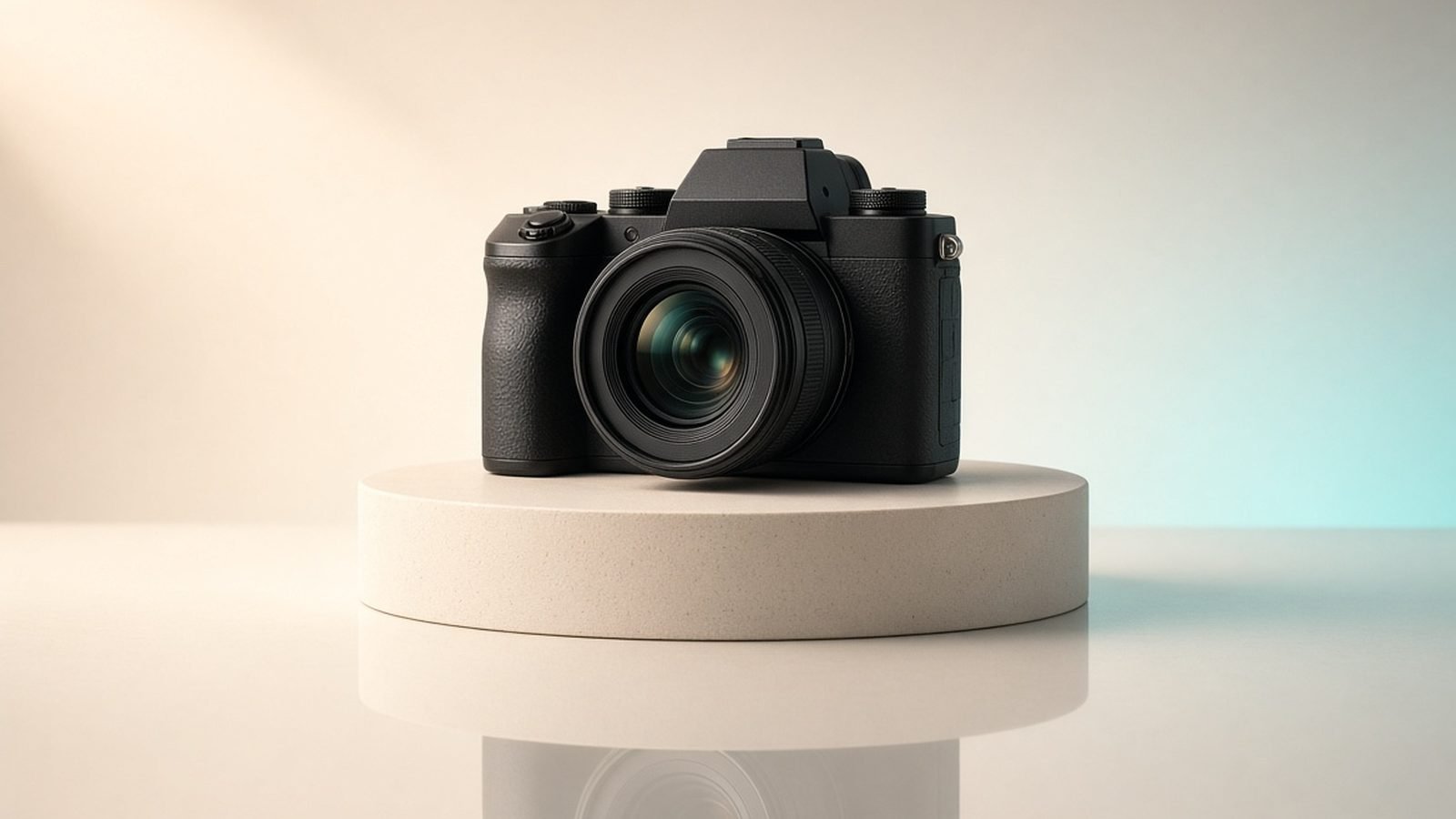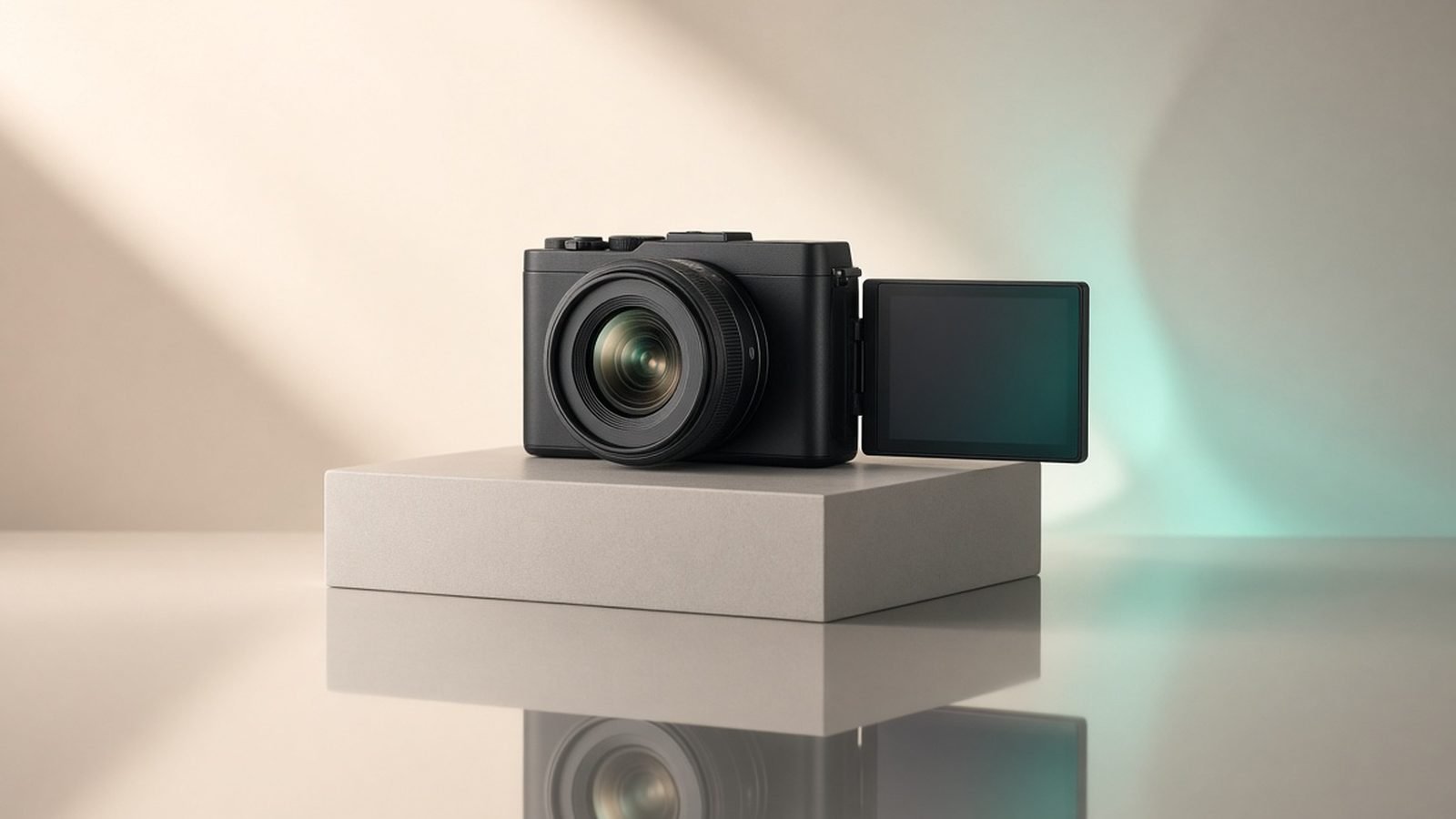
Sony practically invented the modern creator camera, and this Sony ZV-E10 II review exists to answer one question: is this the APS-C vlogging body most people should actually buy? On paper it fixes the biggest complaints about the original — a bigger battery, a proper 26MP sensor and a real 3.5mm mic input — while keeping the flip-out screen and one-touch background blur that made the line famous.
But it is not flawless. There is still no in-body stabilisation, and rolling shutter shows up on fast pans. So who is it for, and where does it fall short? Here is our full breakdown, built from spec research and aggregated owner feedback.
ZV-E10 II Overview
The ZV-E10 II is Sony’s mid-tier APS-C camera aimed squarely at vloggers, talking-head YouTubers and hybrid shooters who want stills too. It sits below the full-frame ZV-E1 and above the pocketable ZV-1 II compact.
Here is how the key Sony ZV-E10 II specs stack up against the camera it replaces.
| Spec | Sony ZV-E10 II | Sony ZV-E10 (original) |
|---|---|---|
| Sensor | 26MP APS-C Exmor R | 24MP APS-C |
| Processor | BIONZ XR | BIONZ X |
| 4K video | 4K up to 60p (Super35) | 4K up to 30p |
| Battery | NP-FZ100 (large) | NP-FW50 (small) |
| Mic input | 3.5mm jack | 3.5mm jack |
| USB | USB-C 3.2 | USB-C 2.0 |
| IBIS | No | No |
| Price (USD) | around $999 body | discontinued |
The headline story of the ZV-E10 II vs ZV-E10 matchup is the battery. Moving to the larger NP-FZ100 roughly doubles real-world runtime, which alone justifies the upgrade for anyone who films all day.
Design and Vlogging Features
Physically, the ZV-E10 II is a compact, lightweight body with a deep-ish grip and a fully articulating side-flip screen — ideal for filming yourself and monitoring the frame at arm’s length. The layout is deliberately simple, with the dedicated vlogging buttons Sony has refined across the ZV range.
The signature features remain. A one-press Background Defocus button jumps the lens to its widest aperture for instant blur, and Product Showcase mode racks focus from your face to any object you hold up — essential for review and unboxing content. The built-in directional 3-capsule mic with its bundled windscreen is genuinely usable, which matters for creators who do not want to carry extra gear.
For ZV-E10 II for vlogging specifically, the combination of the flip screen, face-priority autofocus and touch tracking makes it about as beginner-friendly as interchangeable-lens cameras get.
Image and 4K Video Quality
The new 26MP sensor is the same generation found in Sony’s higher-end APS-C bodies, and it is a clear step up. Based on owner reports, stills look crisp with pleasing colour straight out of camera, and the extra resolution gives more cropping room than the original.
Video is where buyers focus. The ZV-E10 II records oversampled 4K up to 30p using the full sensor width, and 4K up to 60p with a Super35 crop. There are 10-bit colour options and S-Log3 / S-Cinetone profiles for those who want to grade or match footage to other Sony cameras.
The catch, and it is a real one: there is no in-body stabilisation. Sony offers electronic and cropped “Active” stabilisation modes, but these tighten the frame and lean on lens OSS. Handheld walking footage still benefits from a gimbal or a stabilised wide lens. Rolling shutter is also visible on quick whip-pans and fast horizontal motion, an inherent trait of this sensor readout rather than a bug.
Autofocus and Subject Tracking
This is the ZV-E10 II’s trump card. It inherits Sony’s AI-processing-unit autofocus, delivering class-leading real-time recognition and tracking of humans, animals and objects. In our research across creator and owner feedback, this is consistently cited as the standout — eye-detection locks on and holds even as you move around the frame.
For solo creators, that reliability is the whole point: set it, step into the shot, and trust the focus to stay on your eye. It is the single biggest reason to pick this over cheaper rivals, and it comfortably outperforms most cameras near this price.
Battery, Ports and Connectivity
The upgrade to the NP-FZ100 battery is the quiet hero of this generation. Owners report dramatically longer shooting sessions versus the original ZV-E10, removing the “carry five spare batteries” tax that plagued the first model.
Ports are well-judged for creators: a 3.5mm microphone input, a headphone-capable arrangement via USB-C, micro-HDMI out, and a faster USB-C 3.2 port for high-speed transfers and clean webcam use. Wi-Fi and Bluetooth handle phone transfers and remote control. The single UHS-II SD slot is fine for this tier, though pros used to dual slots should note the lack of backup.
If you plan to record clean audio for interviews or run-and-gun pieces, pair it with a dedicated wireless mic — see our guide to the Best Wireless Microphone for Video in 2026.
Best Lenses to Pair With It
The kit 16-50mm f/3.5-5.6 OSS II is a convenient starting point, but it is not why you buy into E-mount. Choosing the best lens for ZV-E10 II depends on whether you shoot handheld vlogs or seated content.
Sony E 10-20mm f/4 PZ G — for handheld vlogging
An ultra-wide power-zoom that stays sharp corner to corner and, crucially, is very light. The wide field of view compensates for the missing IBIS when you are walking and talking. It is our top pick for run-and-gun creators.
Check price: Sony E 10-20mm f/4 PZ G
Sigma 16mm f/1.4 DC DN — for cinematic, seated content
A fast, affordable prime that delivers genuine background blur and excellent low-light performance. Perfect for desk-based talking-head videos and B-roll where you are not moving the camera. A superb value upgrade over the kit lens.
Check price: Sigma 16mm f/1.4 DC DN
Verdict
Is the ZV-E10 II worth it? For most creators, yes. It bundles the best autofocus in its class, a genuinely good 26MP sensor, flexible 4K and — finally — a battery that lasts. The vlogging tools are mature, and the E-mount lens ecosystem gives you room to grow.
The honest trade-offs are the lack of IBIS and the visible rolling shutter. If your content is fast-moving handheld action without a gimbal or a stabilised wide lens, a rival with IBIS may serve you better. For seated content, product reviews and controlled shoots, those weaknesses barely register.
Who it’s for: solo YouTubers, tutorial makers, streamers and hybrid shooters who want reliable autofocus and long battery life over gimbal-free stabilisation.
Who should skip it: heavy handheld walk-and-talk vloggers who won’t carry a gimbal, and anyone who needs dual card slots.
Pros - Class-leading autofocus and subject tracking - Sharp 26MP sensor with flexible 4K (up to 60p in Super35) - Big NP-FZ100 battery — a huge jump over the original - Proper mic input plus a capable built-in directional mic - Deep, affordable E-mount lens ecosystem
Cons - No in-body stabilisation (IBIS) - Visible rolling shutter on fast pans - Single SD card slot - Kit lens is the weakest part of the package
For alternatives across brands, see our Best Mirrorless Camera for Vlogging in 2026 roundup, or read the head-to-head Sony ZV-E10 II vs Canon EOS R50 V: Vlogger Showdown if you’re weighing Canon. More creator gear lives on the Cameras & Creator Gear.
Price and Where to Buy
At publication, the Sony ZV-E10 II sells for around $999 body / $1,099 with the 16-50mm kit in the US, and the ZV-E10 II UK price lands at around £909 body / £999 kit. Availability is strong at major retailers, and the kit is usually the better value only if you don’t already own a wide lens — otherwise put that money toward the Sigma 16mm or E 10-20mm above.
FAQ
Is the Sony ZV-E10 II worth it in 2026?
Yes, for most creators. Its autofocus is class-leading, the 26MP sensor is excellent, and the big battery fixes the original’s worst flaw. Just accept the two trade-offs — no IBIS and some rolling shutter — and it is one of the best-value APS-C creator cameras you can buy right now.
Does the ZV-E10 II have in-body stabilisation?
No. It relies on electronic (Active) stabilisation and lens-based OSS instead. For smooth handheld walking footage you’ll want a stabilised wide lens like the E 10-20mm PZ G or a small gimbal. Seated and tripod-based content is unaffected.
What’s the difference between the ZV-E10 II and ZV-E10?
The ZV-E10 II vs ZV-E10 upgrades that matter most are the much larger NP-FZ100 battery, a newer 26MP sensor, 4K up to 60p, the faster BIONZ XR processor and improved AI autofocus. The core vlogging features and body concept carry over, but battery life is transformed.
What is the best lens for the ZV-E10 II?
For handheld vlogging, the Sony E 10-20mm f/4 PZ G — it’s ultra-wide and light, which helps counter the missing IBIS. For cinematic seated content and low light, the Sigma 16mm f/1.4 DC DN gives real background blur at a great price. Both beat the kit lens.
Does the ZV-E10 II overheat when recording 4K?
Based on owner reports, it handles typical vlogging and interview clip lengths well, especially with the auto power-off temperature set to High. Very long continuous 4K/60p takes in hot conditions can still trigger warnings, so plan longer shoots with airflow and breaks between clips.
Zen Tech Hub may earn a commission from links on this page, at no extra cost to you.