The short version of this Samsung Galaxy Ring review is that Samsung built the one thing the smart-ring category was missing: a genuinely good tracker with no monthly fee. You pay once, you own it, and your sleep and recovery data never disappear behind a paywall. That single decision is why so many people are asking whether the Galaxy Ring is worth it in 2026.
But there’s a catch you need to hear before you read another word: it only fully works with an Android phone, and it works best with a Samsung one. If you’re on iPhone, stop here — this isn’t the ring for you, and we’ll explain exactly why below.
For everyone else, this is one of the most sensible wearables Samsung has ever shipped. Here’s who should buy it, who shouldn’t, and how it stacks up against the subscription-based Oura Ring 4.
Verdict and score
Score: 4 out of 5.
The Galaxy Ring is a lightweight, comfortable, all-day sleep and recovery tracker that skips the subscription tax entirely. If you already live in Samsung’s world — a Galaxy phone, maybe a Galaxy Watch — it’s close to a no-brainer. The tracking is accurate where it matters, the battery lasts about a week, and the charging case is a delight. It loses a point because the coaching is thinner than Oura’s and the iPhone lock-out is a hard wall, not a soft limitation.
Buy it if: you own an Android phone (ideally Samsung), you hate subscriptions, and you want passive sleep and health tracking without a screen on your wrist.
Skip it if: you use an iPhone, you want deep, hand-held coaching, or you already wear a smartwatch you love.
Check price: Samsung Galaxy Ring
Price, sizes and what’s in the box (US/UK)
The Galaxy Ring costs around $399 / £399, and that price is the whole story — there is no subscription, ever. Every metric, trend and score is included for the life of the device.
Compare that to the Oura Ring 4, which starts at around $349 / £349 but then adds roughly $5.99 / £5.99 per month. Over three years, Oura’s membership alone adds well over £200 to the bill. That’s the core of the “no subscription” argument, and it’s a strong one.
| Samsung Galaxy Ring | Oura Ring 4 | |
|---|---|---|
| Price | ~$399 / £399 | ~$349 / £349 |
| Subscription | None | ~$5.99 / £5.99 per month |
| Battery life | Up to ~7 days | Up to ~8 days |
| Phone support | Android only | Android + iPhone |
| Charging case | Yes (with battery) | No |
| Best for | Samsung/Android owners | Anyone wanting deep insights |
On the Galaxy Ring price UK front, £399 has held steady, though we regularly see it discounted during Samsung’s sales events and Black Friday. In the box you get the ring, the charging case and a USB-C cable, with sizes 5 to 13.
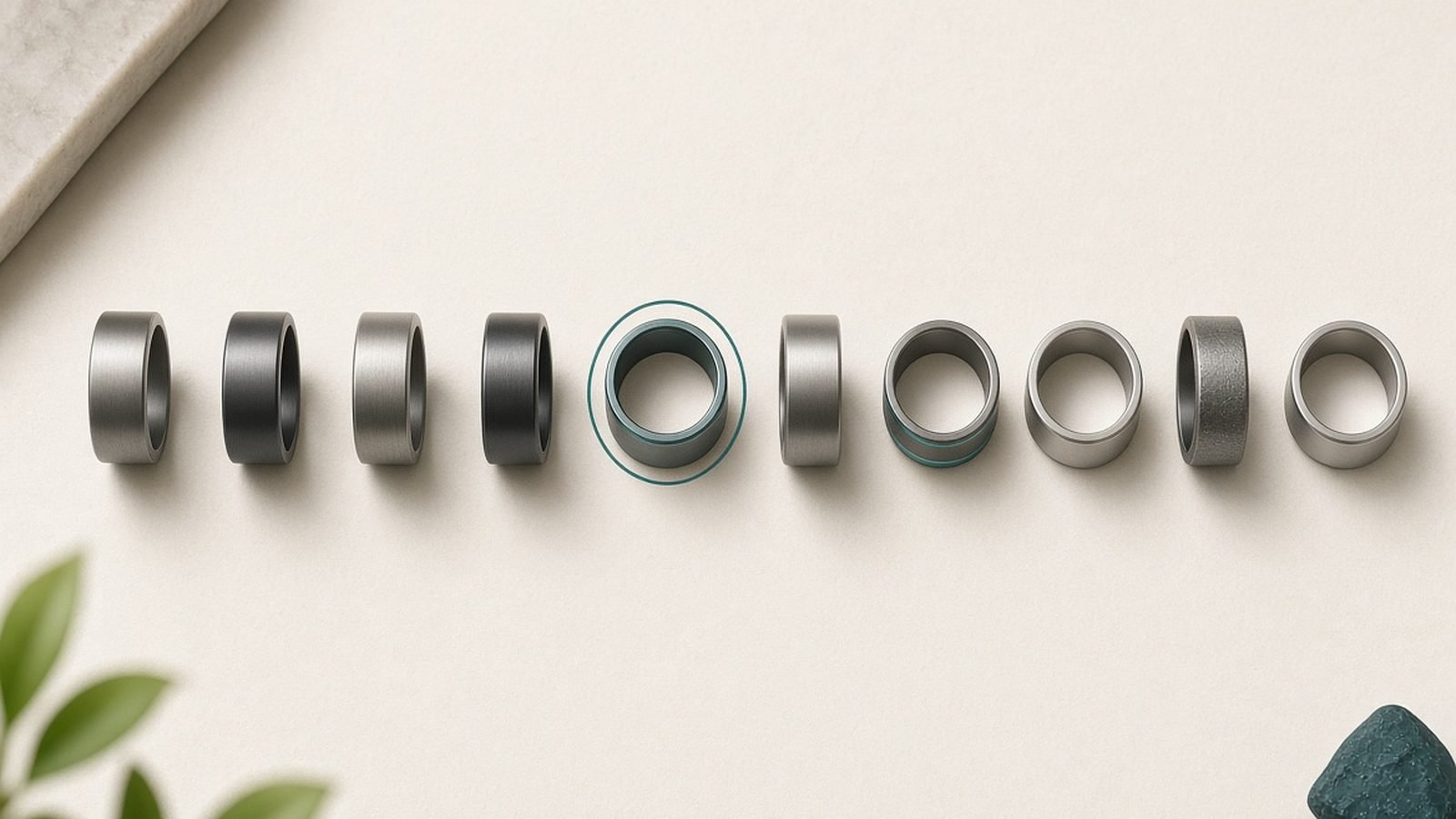
A quick word on galaxy ring sizing: order the free sizing kit first, or pick one up in a Samsung store. The dummy rings let you wear your size for 24 hours before committing — worth doing, because fingers swell during the day and a ring you can’t easily remove is a ring you’ll stop wearing.
Design, comfort and the charging-case party trick
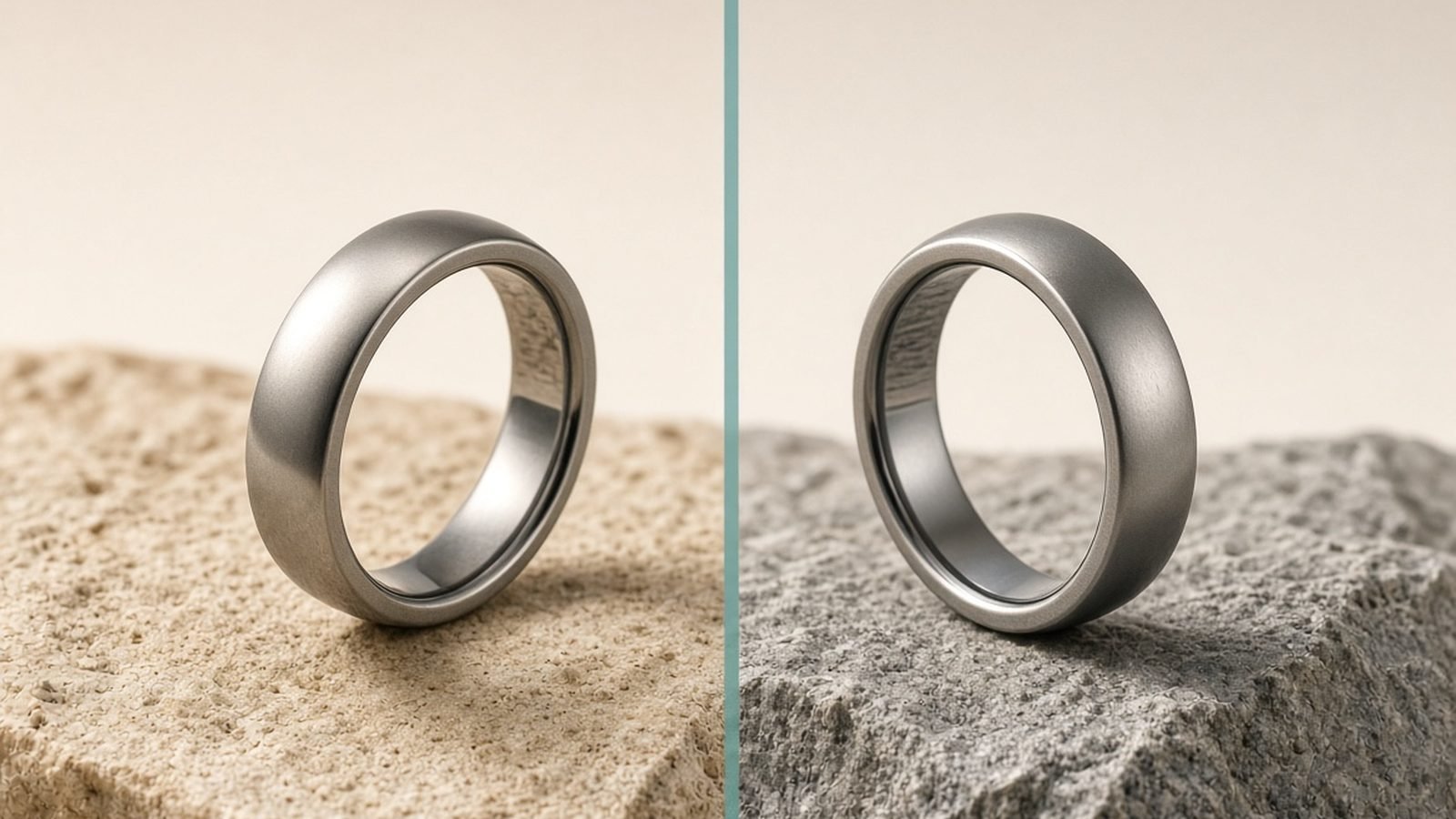
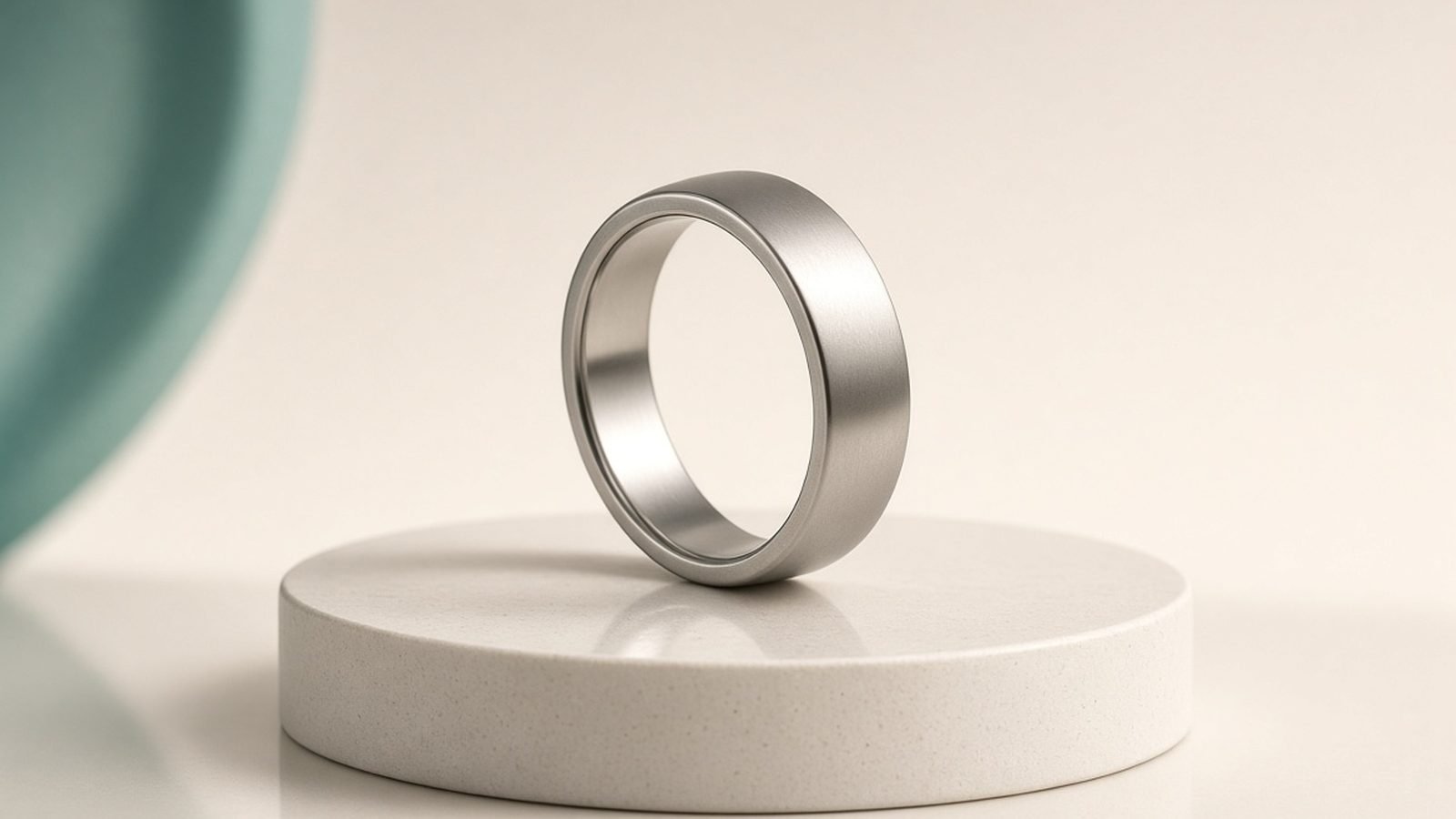
At roughly 2.3 to 3 grams depending on size, the Galaxy Ring is light enough that most owners report forgetting they’re wearing it within a day. The titanium finish comes in black, silver and gold, and the concave outer edge resists scuffs better than a flat band.
The real showpiece is the charging case: a clear, pebble-shaped puck with its own internal battery, so it tops the ring up several times before it needs a wall socket. It glows to show charge status and it’s the kind of accessory you leave out on a desk on purpose. Oura still ships a bare puck by comparison.
Pros
Genuinely comfortable for 24/7 wear, including sleep
Titanium build with a scratch-resistant profile
Charging case with its own battery is best in class
Water resistant to 10ATM — fine for swimming and showers
Cons
No display, so it leans entirely on your phone
Can spin on the finger if sized even slightly loose
Gesture controls only work with recent Samsung phones
Sleep and health tracking accuracy: what the evidence shows
Sleep is where a ring earns its keep, and in our research the Galaxy Ring is one of the stronger performers. Based on aggregated owner reports and third-party comparisons, its sleep-stage detection and resting-heart-rate readings track closely with pricier references — not perfect, but reliably in the right ballpark night after night.
It measures heart rate, HRV, skin temperature, blood oxygen and movement. From that it builds a nightly sleep score and a daily galaxy ring energy score, Samsung’s headline recovery metric that tells you, in a single number, how ready your body is — its answer to Oura’s Readiness score.
Where the Galaxy Ring is quietly excellent is passive tracking. With no screen tempting you to check notifications, it fades into the background and just logs. For anyone who found a smartwatch too distracting at night, that’s the whole appeal. The weakness is interpretation: the numbers are solid, but the guidance on what to do with them is where Samsung still trails Oura.
Living without a subscription: what you get free vs Oura
This is the section most people came for, so let’s be precise about what “free forever” actually buys you.
With the Galaxy Ring and Samsung Health, at no extra cost you get full sleep tracking and stages, the daily Energy Score, heart rate and HRV trends, blood oxygen, cycle tracking, and activity and step tracking. Nothing is time-limited or gated.
What Oura’s monthly fee adds that Samsung doesn’t match: more personalised daily coaching, richer long-term trend analysis, illness and cycle prediction owners rate as sharper, and a more polished, explanatory app overall.
So the honest trade is this. Samsung gives you excellent data for free; Oura charges you for excellent interpretation of it. If you read your own numbers and act on them, the Galaxy Ring wins on value handily. If you want a coach in your pocket that nudges and explains, Oura’s subscription starts to justify itself.
For a full side-by-side, see our dedicated Oura Ring 4 vs Samsung Galaxy Ring: Which Wins in 2026? comparison.
Phone compatibility: Samsung vs other Android vs iPhone
Compatibility is where you need to read carefully, because it’s tiered.
Samsung Galaxy phones (best experience): everything works, including the double-pinch gesture to dismiss alarms and fire the camera shutter, plus the tightest integration with Samsung Health and the Galaxy Watch ecosystem.
Other Android phones (good, not full): the core tracking, scores and app all work through Samsung Health. You lose some of the gesture features and a little of the seamlessness, but the ring does its main job.
iPhone (not supported): on galaxy ring iphone compatibility, the answer is blunt — there’s no iOS app, so the Galaxy Ring simply doesn’t work with an iPhone. If you’re an Apple user, look at the Oura Ring 4, which supports both platforms.
If you’re weighing your wider setup, our Best Android Smartwatch 2026: Samsung, Pixel & More Compared guide pairs well with this ring.
Galaxy Ring vs Galaxy Watch: which do you actually need?
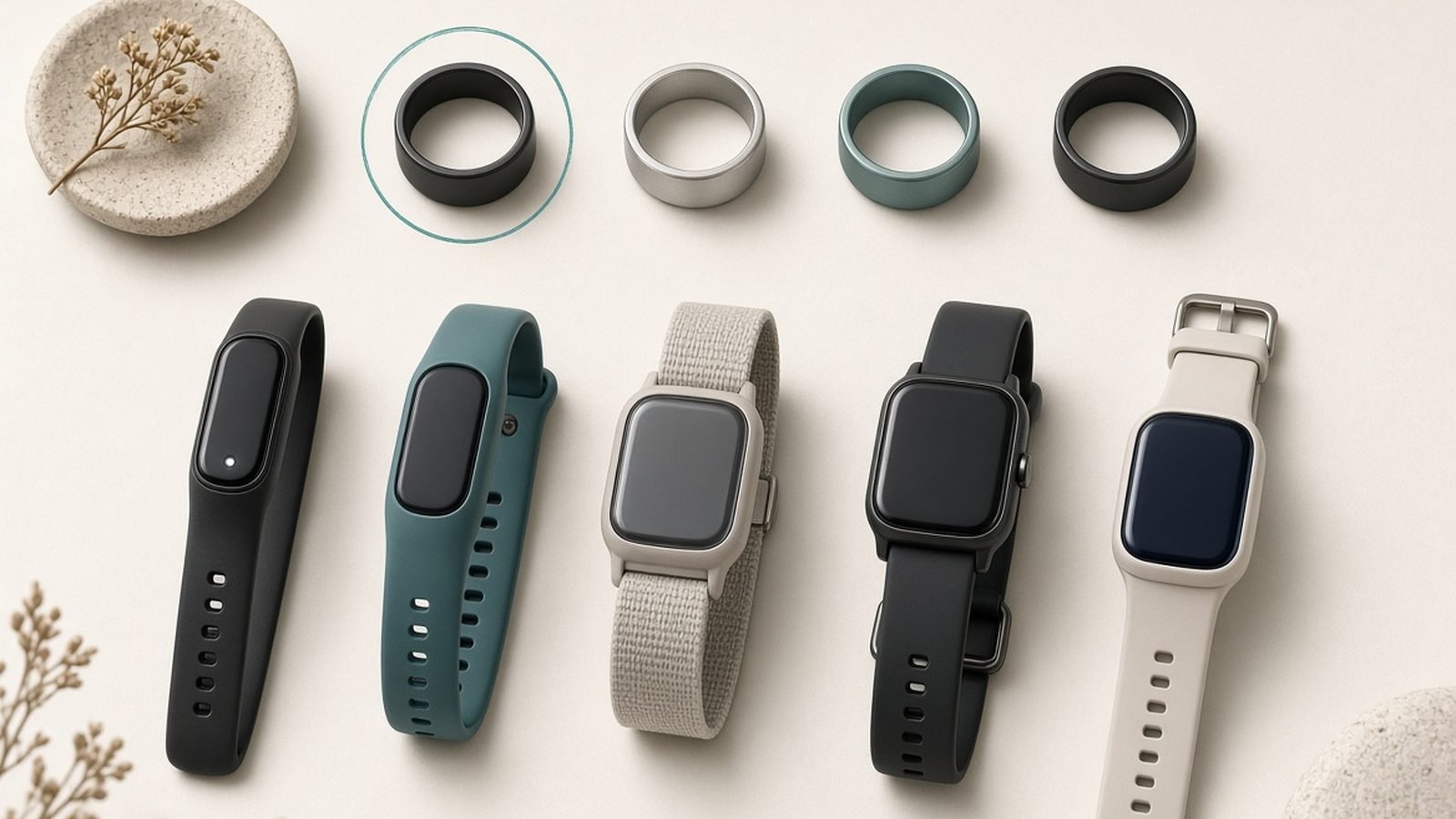
On galaxy ring vs galaxy watch — they’re complementary, not rivals. The Watch does workouts, GPS, notifications and a screen on your wrist; the Ring does passive sleep and recovery with a week of battery and nothing to charge nightly. Many owners wear the Ring at night and the Watch by day. If you can only pick one and mainly care about sleep, the Ring is the more comfortable, lower-maintenance choice — more in Smart Ring vs Smartwatch: Which Should You Buy in 2026?.
Battery life over months of wear
On galaxy ring battery life, Samsung quotes up to seven days, and based on owner reports, real-world figures land around five to seven days depending on ring size — larger sizes house bigger cells and last longer. That’s competitive with Oura and miles beyond any smartwatch. The charging case, with its own reserve, means you drop the ring in for a top-up while you shower and rarely think about a wall charger.
The honest caveat, common to all lithium wearables, is long-term battery health. Owner feedback across the first year is broadly positive, but expect some capacity fade over a couple of years of daily charging. There’s no user-replaceable battery, so this is a device with a finite lifespan — factor that into the £399.
Should you buy the Galaxy Ring in 2026?
So, is the Galaxy Ring worth it? For the right person, absolutely.
If you own an Android phone, dislike subscriptions, and want accurate, invisible sleep and recovery tracking, the Galaxy Ring is one of the easiest wearables to recommend in 2026. The no-subscription model alone can save you more than the price difference versus Oura over a few years, and the hardware — the case especially — is a pleasure to live with.
It’s not the pick if you’re on iPhone (a genuine dealbreaker), if you want hand-held coaching over raw data, or if you’re happy wearing a smartwatch to bed. In those cases, look at Oura or a Galaxy Watch instead.
For most Android users, our answer is yes — with clear eyes about the trade-offs. Compare it against the wider field in our Best Smart Rings 2026: Oura, Galaxy Ring & Cheaper Rivals roundup, and browse everything wearable at the Wearables.
Check price: Samsung Galaxy Ring Check price: Samsung Galaxy Ring
FAQ
Does the Samsung Galaxy Ring need a subscription? No. This is its biggest selling point. Everything — sleep tracking, the Energy Score, heart rate, HRV, blood oxygen and all trends — is included free for the life of the device through Samsung Health. Unlike Oura, there’s no monthly membership fee to unlock your data or insights, which makes the upfront price the total cost.
Does the Galaxy Ring work with an iPhone? No. There is no iOS app, so the Galaxy Ring will not pair with or track anything on an iPhone. It requires an Android phone, and works best with a Samsung Galaxy handset for the full gesture and integration features. iPhone owners who want a smart ring should look at the Oura Ring 4, which supports both Android and iOS.
How long does the Galaxy Ring battery last? Samsung rates it at up to seven days, and owner reports suggest roughly five to seven days in normal use, with larger ring sizes lasting longest thanks to bigger internal cells. The included charging case carries its own reserve battery, topping the ring up several times before it needs to be plugged into the wall.
Do I need the sizing kit before buying? Yes, we’d strongly recommend it. Samsung offers a free sizing kit with dummy rings so you can wear your chosen size for 24 hours before ordering. Fingers change size through the day and during exercise, and a ring that’s slightly too tight or loose gets uncomfortable or spins, so getting the fit right first matters.
Is the Galaxy Ring or Oura Ring 4 better? It depends on you. The Galaxy Ring wins on value with no subscription and works best in Samsung’s ecosystem. The Oura Ring 4 works on iPhone and Android and offers deeper, more personalised coaching, but charges a monthly fee. Android users who read their own data should pick Samsung; iPhone users or those wanting coaching should pick Oura.
Zen Tech Hub may earn a commission from links on this page, at no extra cost to you.