The Oura Ring 4 vs Samsung Galaxy Ring question has a shorter answer than most buying guides admit: it usually comes down to the phone in your pocket. Both are excellent, near-invisible health trackers you wear 24/7. But one charges a monthly fee and works everywhere, while the other is a one-time buy that only truly shines inside Samsung’s ecosystem.
Below we break down price, the all-important 3-year cost of ownership, sleep accuracy, battery and compatibility, based on published specs and aggregated owner feedback. If you want the one-line verdict: iPhone users should get the Oura Ring 4; Samsung Galaxy phone owners should get the Galaxy Ring. Here’s why.
Quick verdict: it depends on your phone
You use an iPhone: Buy the Oura Ring 4. The Galaxy Ring’s best tricks are locked to Samsung phones, so an iPhone owner gets a watered-down experience.
You use a Samsung Galaxy phone: Buy the Galaxy Ring. No subscription, tighter integration, and gesture controls make it the natural pick.
You use a non-Samsung Android phone (Pixel, OnePlus, etc.): Toss-up. Oura works fully; the Galaxy Ring works but loses gestures and some polish. Oura wins on data depth, Galaxy Ring wins on total cost.
| Oura Ring 4 | Samsung Galaxy Ring | |
|---|---|---|
| Price | Around $349 / £349 | Around $399 / £399 |
| Subscription | $5.99 / £5.99 per month | None |
| 3-year cost | ~$565 / £565 | ~$399 / £399 |
| Works with iPhone | Yes, fully | Limited |
| Works with Android | Yes, fully | Yes (best on Samsung) |
| Battery life | Up to 8 days | Up to 7 days |
| Charging | Puck dock | Charging case |
| Sizes | 4–15 (broadest range) | 5–13 |
| Standout feature | Deep AI insights, Readiness | Gestures, no fees, case |
Price and total 3-year cost (subscription math)
This is the section that decides most purchases, so let’s be blunt about the oura ring subscription vs galaxy ring trade-off.
The Oura Ring 4 costs around $349 / £349 up front, but the insights that make it special sit behind a $5.99 / £5.99 per month membership. Over three years that’s roughly $216 / £216 in fees on top of the hardware — a real total of about $565 / £565.
The Galaxy Ring costs more on day one at around $399 / £399, but there is no subscription, ever. Three years in, you’ve still paid $399 / £399.
So the Galaxy Ring is roughly $165 / £165 cheaper over three years, and the gap widens every month you keep wearing it. If you plan to use a smart ring for years, that math is hard to ignore.
The counterpoint: Oura’s subscription funds the deeper analysis, AI coaching and steady feature updates. You’re renting an evolving product, not just buying a sensor. Whether that’s worth ~$6 a month is the core judgment call in this comparison.
Check price: Oura Ring 4 Check price: Galaxy Ring
Design, comfort and durability
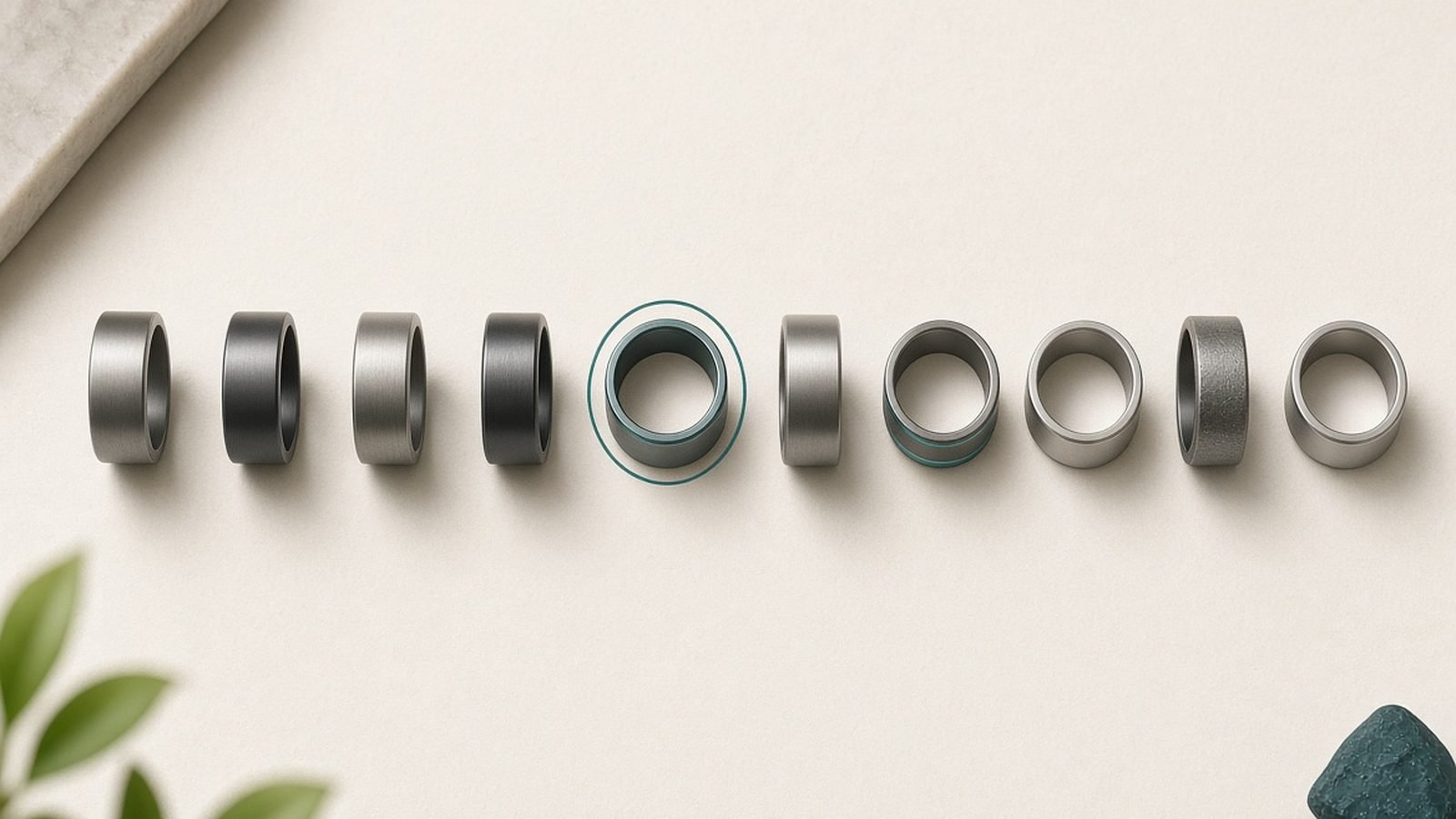
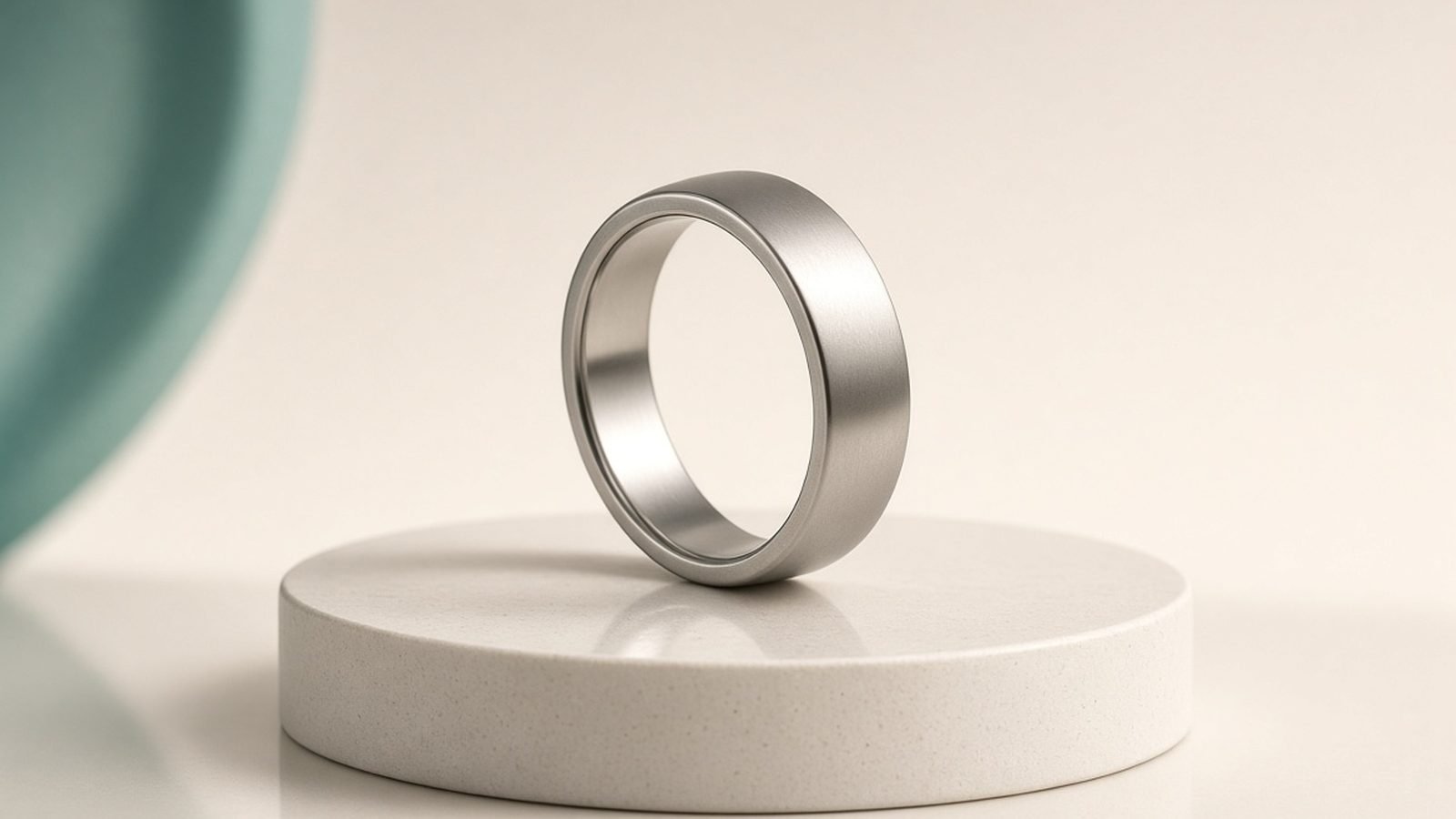
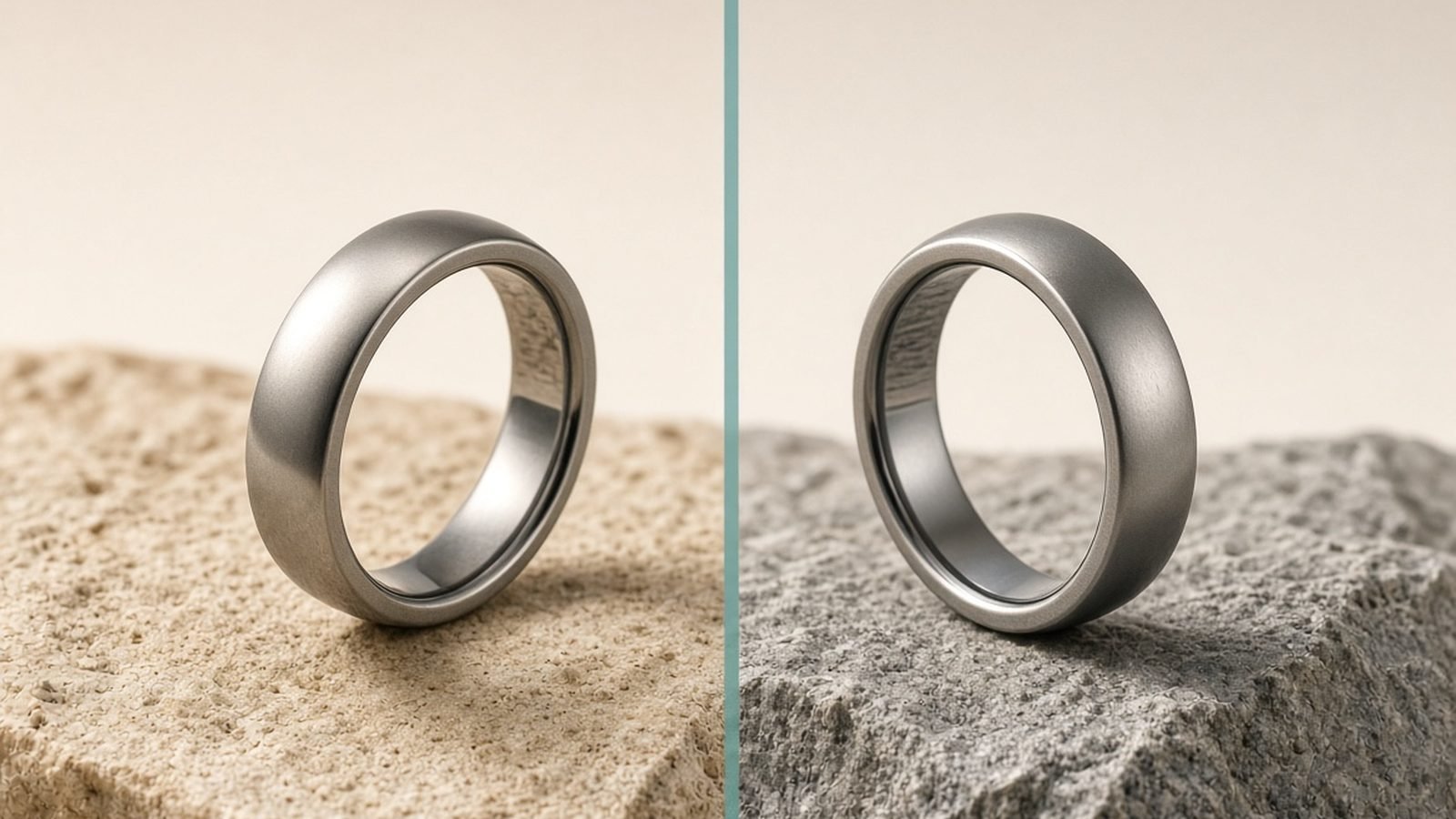
Both rings are titanium, lightweight and genuinely comfortable enough to forget you’re wearing. In owner reports, neither stands out as bulky, though both pick up micro-scratches on the finish over months of daily wear — normal for the category.
Oura offers the wider net here: sizes 4 to 15 and several finishes, so more hands get a good fit. Its recessed sensors sit flush, which owners say helps day-to-day comfort. The Galaxy Ring runs sizes 5 to 13 with a subtle concave profile that photographs well and hides scuffs a little better.
One practical note echoed across owner feedback for both brands: order the sizing kit and wear the trial band for a full day before committing. Ring sizing is unforgiving, and swaps are a hassle. See our Oura Ring Sizing Guide: Get the Right Fit First Time for how to get it right the first time.
Sleep tracking accuracy head-to-head
Sleep is why most people buy a ring, so the oura vs galaxy ring sleep tracking comparison matters most.
Oura built its reputation on sleep, and it shows. Based on aggregated owner feedback and published reviews, Oura’s sleep staging (light, deep, REM) and its overnight heart-rate and temperature trends are the most trusted in the category. The Readiness score that ties it together is the feature people rave about.
The Galaxy Ring tracks the same core metrics — sleep stages, heart rate, blood oxygen, movement and a sleep score — and its night-to-night accuracy is close. Where it trails is interpretation: the data is solid, but the guidance is thinner. Samsung’s Energy Score is capable but less nuanced than Oura’s Readiness.
Bottom line: both capture reliable raw sleep data. Oura pulls ahead on turning that data into clear, personalized advice.
Activity, readiness and AI insights compared
For everyday activity — steps, workouts, active calories, heart rate — the two are broadly comparable, and neither replaces a proper sports watch for GPS-tracked running or cycling.
The gap is in coaching. Oura’s Readiness score and AI Advisor synthesize sleep, recovery, temperature and activity into plain-language nudges (“your resting heart rate is elevated, consider an easy day”). Owners consistently cite this as the reason they stick with the subscription.
Samsung’s approach is leaner. The Galaxy Ring feeds into Samsung Health with an Energy Score and useful trends, and it adds a genuinely fun trick: gesture controls to snap a photo or dismiss an alarm with a pinch — but only on Samsung Galaxy phones. It’s practical rather than deeply analytical.
If you want a data companion that tells you what to do, Oura wins. If you want clean metrics without a monthly bill, the Galaxy Ring delivers.
Battery life and charging (case vs dock)
Battery life is close: Oura Ring 4 lasts up to 8 days, the Galaxy Ring up to 7, with real-world figures landing a couple of days lower for both depending on features used.
The meaningful difference is how you charge. Oura uses a small puck-style dock you set the ring on. The Galaxy Ring ships with a charging case, like wireless earbuds — top it up on the go and the case holds extra charges. For travelers, the case is the more convenient design and a quiet advantage in the galaxy ring vs oura ring matchup.
Compatibility: iPhone and Android differences
This is the deciding factor for most buyers.
Galaxy ring or oura ring for iPhone? Oura, without hesitation. It’s fully native on iOS. The Galaxy Ring technically pairs with an iPhone but loses gestures and key integrations — you’re buying a Samsung product to use it half-crippled.
Best smart ring for Android? It depends which Android. On a Samsung Galaxy phone, the Galaxy Ring is the natural, fully-featured choice. On a Pixel, OnePlus or other Android, Oura is the safer full-experience pick, though the Galaxy Ring still functions.
Oura’s platform-agnostic design is its quiet superpower: switch phones, keep your ring and history. The Galaxy Ring rewards loyalty to one ecosystem.
Which ring should you buy?
Oura Ring 4
Best for iPhone users and anyone who wants the deepest, most actionable health insights — and doesn’t mind paying monthly for them.
Pros - Best-in-class sleep and Readiness analysis - Works fully on iPhone and Android - Widest size range and up to 8-day battery - Constantly improving via updates
Cons - $5.99 / £5.99 monthly subscription - Highest 3-year cost - Charges on a puck, not a case
Verdict: The most capable smart ring in 2026 — if you’ll actually use (and pay for) the insights.
Samsung Galaxy Ring
Best for Samsung Galaxy phone owners who want solid tracking, zero fees and a convenient charging case.
Pros - No subscription, ever - Cheaper over three years - Charging case for easy top-ups - Gesture controls on Samsung phones
Cons - Best experience is Samsung-only - Limited on iPhone - Lighter on coaching and AI insight
Verdict: The smart, no-strings pick for the Samsung faithful.
Still weighing options? Compare the field in our Best Smart Rings 2026: Oura, Galaxy Ring & Cheaper Rivals roundup, read the full Samsung Galaxy Ring Review: Worth It Without a Subscription?, or if recovery training is your focus see Whoop vs Oura in 2026: Which Recovery Wearable Wins?. More at the Wearables.
FAQ
Is the Galaxy Ring better than the Oura Ring 4? Neither is universally better. The Galaxy Ring is cheaper over time and integrates beautifully with Samsung phones. The Oura Ring 4 offers deeper sleep analysis and AI coaching, works on any phone, but charges a monthly fee. Your phone and your appetite for a subscription decide the winner.
Does the Oura Ring 4 really need a subscription? The hardware still records data without membership, but the features people buy Oura for — Readiness, detailed sleep insights, AI Advisor and trends — sit behind the $5.99 / £5.99 monthly plan. Without it, you’re paying premium hardware prices for a fraction of the value, which most owners consider a false economy.
Which smart ring is best for iPhone users? The Oura Ring 4. It’s fully native on iOS, while the Galaxy Ring pairs with an iPhone but loses gestures and much of its Samsung integration. For a complete, well-supported experience on Apple hardware, Oura is the clear choice in 2026.
How much does each cost over three years? The Galaxy Ring stays at roughly $399 / £399 with no fees. The Oura Ring 4 starts around $349 / £349 but adds about $216 / £216 in subscription over three years, reaching roughly $565 / £565 — around $165 / £165 more than the Galaxy Ring.
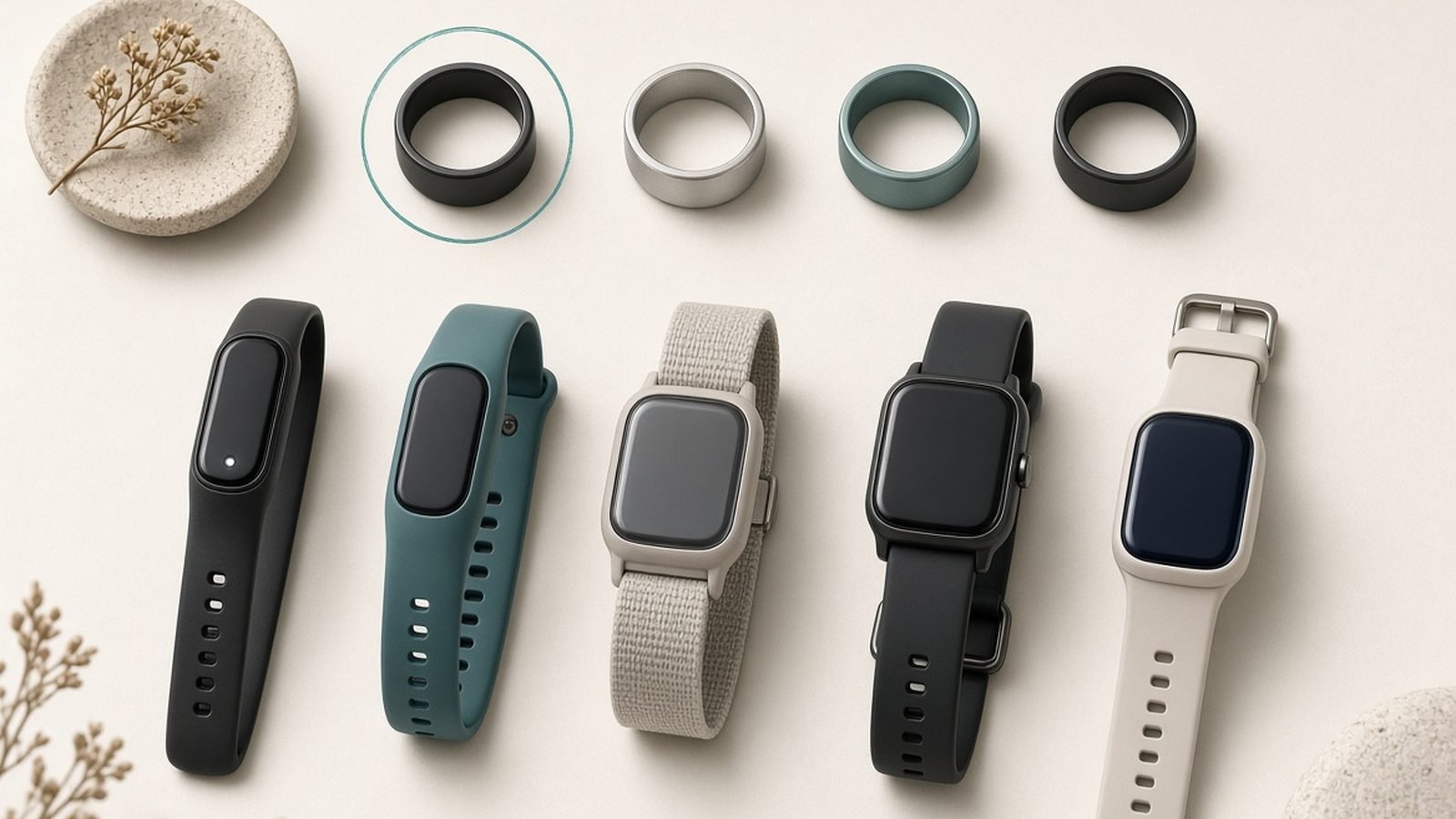
Do smart rings replace a smartwatch? No. Rings excel at 24/7 sleep, recovery and passive heart-rate tracking in a form you’ll actually wear to bed. They lack a screen, GPS and precise workout tracking. Serious runners and cyclists should pair a ring with a sports watch rather than choose one over the other.
Zen Tech Hub may earn a commission from links on this page, at no extra cost to you.