SanDisk is the name most people picture when they think of a memory card, and for good reason — for cameras, drones, Nintendo Switch consoles and phones, its SD and microSD cards are among the most trusted flash storage you can buy. It’s built on real memory manufacturing and decades of flash expertise. The verdict: SanDisk is a genuinely good brand for memory cards and, mostly, for portable SSDs — but with one serious asterisk. A generation of its Extreme and Extreme Pro portable SSDs suffered a well-documented data-loss failure problem, and that saga is essential context before you buy a portable drive from the brand today.
For cards and flash drives, SanDisk remains a default recommendation. For portable SSDs, it’s a “buy the current, fixed generation and back up anyway” story. Here’s the full picture.
Company overview
SanDisk is an American company, founded in 1988, with roots in Milpitas, California. Its corporate history is unusually eventful. It pioneered much of consumer flash storage, then in 2016 was acquired by Western Digital, becoming WD’s flash-memory arm and the source of its SSD technology. Then, in the 2025–2026 period, Western Digital spun SanDisk back out as a separate, publicly traded company, splitting the group into a hard-drive-focused Western Digital and a flash-focused SanDisk. So as of 2026, SanDisk is once again its own independent company, carrying the flash-manufacturing partnership (historically with Kioxia/Toshiba’s fabs) that underpins its products.
That means SanDisk is a genuine flash manufacturer, not just a brand assembling bought-in parts — an important credibility point. Its reputation with photographers, videographers and everyday users is strong on memory cards; the portable-SSD reputation took a real hit from the failure episode described below, which the company has worked to move past with newer designs and firmware.
What SanDisk makes
SanDisk’s lineup is entirely flash-based storage:
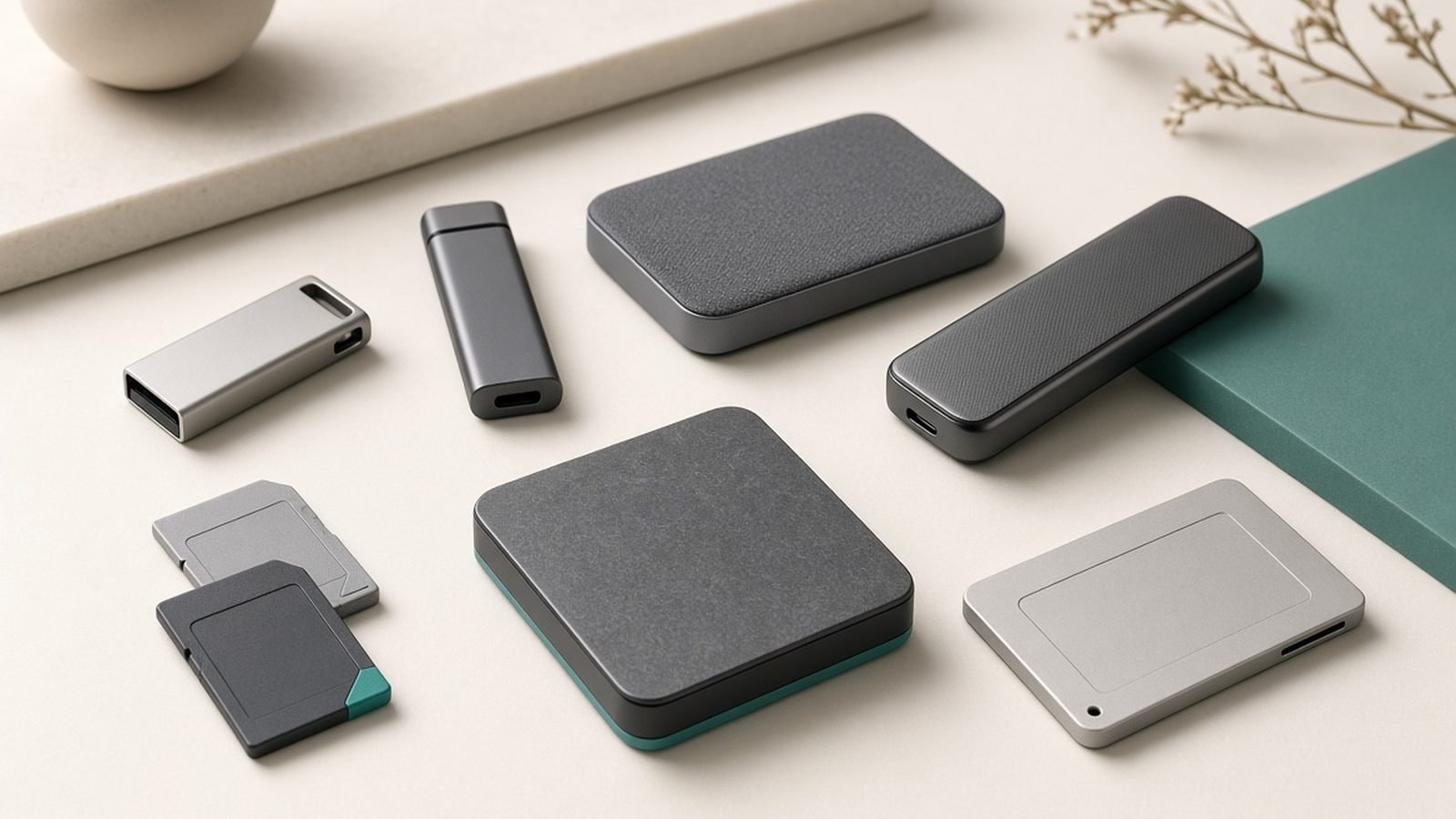
- Memory cards — SD and microSD cards across the Ultra, Extreme, Extreme Pro and Extreme Plus tiers, plus high-endurance cards for dashcams and CFexpress cards for pro cameras.
- Portable SSDs — the Extreme, Extreme Pro and Desk Drive external solid-state drives.
- USB flash drives — the Ultra and Extreme Cruzer/USB lines, including dual USB-C/USB-A sticks.
- Internal SSDs — SanDisk-branded NVMe and SATA drives, closely related to WD’s SSD engineering.
- Professional and creator storage — the PRO-BLADE and pro-grade CFexpress ecosystem aimed at high-end video workflows.
Standout SanDisk products in 2026
- SanDisk Extreme Pro SD / microSD (V30/V60/V90) — the reference-standard cards for cameras, drones and the Nintendo Switch, trusted for sustained write speeds and reliability.
- SanDisk Extreme Pro CFexpress Type B — high-end cards for professional mirrorless and cinema cameras shooting high-bitrate video.
- SanDisk Extreme / Extreme Pro portable SSD (current generation) — pocketable external drives; genuinely useful, but buy the latest revised model and read our Best SSDs 2026: NVMe & SATA Drives Compared & Ranked guide, given the line’s history below.
- SanDisk Ultra Dual Drive USB-C — a ubiquitous, dependable flash drive for quick file transfers between phones, tablets and laptops.
- SanDisk high-endurance microSD — purpose-built for dashcams and security cameras that write continuously.
- SanDisk internal NVMe SSDs — WD-adjacent drives for PC builds; for a broader look at the best drives, see our Best SSDs 2026: NVMe & SATA Drives Compared & Ranked roundup, and if you’re planning bulk storage, see Best NAS Drives for Home 2026: Backup & Media Picks Ranked.
Strengths
- The benchmark for memory cards. SanDisk’s Extreme and Extreme Pro SD/microSD cards are among the most reliable and widely trusted in photography, video and gaming — a genuine category leader.
- Real flash manufacturing. Backed by first-party NAND (via its long Kioxia/Toshiba fab partnership), SanDisk products are built on proven memory rather than mystery components.
- Broad, well-segmented range. From cheap Ultra cards to pro CFexpress and PRO-BLADE creator storage, there’s a right-tier SanDisk product for most needs.
- Strong real-world speeds and endurance. Its higher-tier cards deliver the sustained write performance that pro cameras and continuous-recording devices actually need.
- Ubiquity and support. SanDisk products are everywhere, competitively priced, and cards typically carry long or limited-lifetime warranties.
Weaknesses & criticisms
- The Extreme / Extreme Pro portable-SSD failure saga. A generation of SanDisk’s portable SSDs became notorious for abruptly failing and losing data, prompting lawsuits, a firmware update and widespread press coverage. Newer designs address it, but this is the single most important thing to know about the brand — and a reason to always keep a separate backup of anything on a portable SSD.
- Counterfeits are rampant. Because SanDisk cards are so popular, fake and mislabeled cards circulate widely, especially through third-party marketplace sellers. Buying from reputable sources matters more here than with almost any brand.
- Portable-SSD trust dent. Even with fixes, the failure episode has left lasting caution among photographers and videographers about relying on SanDisk portable SSDs for primary storage.
- Post-split brand confusion. With SanDisk spun out from Western Digital, buyers can be unsure how SanDisk and WD portable SSDs and internal drives differ, since they share engineering heritage.
- Portable pricing. Premium SanDisk portable SSDs aren’t always the cheapest per gigabyte versus rivals like Crucial or Samsung.
Reliability & support
On memory cards, SanDisk’s reliability is excellent and time-tested — its Extreme Pro cards are a default choice precisely because they hold up under real camera and console use, and the brand backs many cards with limited-lifetime warranties. On portable SSDs, the story is more complicated: the Extreme/Extreme Pro failure episode was a real, serious reliability failure, and while newer revisions and firmware have improved matters, it’s the reason we recommend treating any portable SSD (from any brand) as a working drive, not a sole backup.
Warranty support is generally solid, with long or lifetime-limited coverage on many cards and multi-year warranties on SSDs. RMA experiences are about average for the industry. Because SanDisk now shares heritage with WD’s SSD engineering, its internal drives benefit from that firmware maturity. The biggest practical “support” issue isn’t warranty at all — it’s counterfeits, so verifying authenticity at purchase (and running a card-check tool on a new card) is the smartest reliability step you can take.
Who should buy SanDisk
Buy SanDisk if you need trusted memory cards or flash drives — for a camera, drone, dashcam, Nintendo Switch, or phone-to-laptop transfers, its Extreme and Extreme Pro cards are a top-tier, safe choice. It’s also a reasonable pick for a portable SSD if you buy the current revised generation and keep a separate backup.
Approach with a little more caution if you want a portable SSD as your only copy of important data — given the brand’s history, choose the latest model, and never rely on a single portable drive regardless of maker. And wherever you buy, get SanDisk cards from a reputable seller to avoid counterfeits.
FAQ
Is SanDisk a good brand?
Yes, especially for memory cards and USB flash drives, where its Extreme and Extreme Pro lines are industry benchmarks trusted by photographers and gamers. The one major caveat is a past portable-SSD failure episode, so buy the current portable-SSD generation and always keep a backup.
Is SanDisk reliable?
Its memory cards are very reliable and time-tested. Its portable SSDs had a serious, well-documented failure problem in one generation, since addressed by newer designs and firmware — so cards are a confident yes, while portable SSDs warrant buying the latest model and backing up.
Who owns SanDisk and where is it from?
SanDisk is an American company founded in 1988 in California. It was owned by Western Digital from 2016 until Western Digital spun it back out as a separate, publicly traded company in the 2025–2026 period. As of 2026 it is once again independent, with its own flash-manufacturing heritage.
What happened with the SanDisk Extreme Pro SSD problems?
A generation of SanDisk Extreme and Extreme Pro portable SSDs suffered abrupt failures and data loss, leading to lawsuits, a firmware fix and significant press coverage. Newer models address the issue, but it’s why we advise treating any portable SSD as a working drive with a separate backup.
Are SanDisk SD cards good?
Yes — SanDisk Extreme and Extreme Pro SD and microSD cards are among the most trusted in the industry for cameras, drones, dashcams and the Nintendo Switch, with strong sustained speeds and long warranties. The main risk is counterfeits, so buy from reputable sellers.
SanDisk vs Samsung — which is better for memory cards and SSDs?
Both are excellent, first-party flash brands. SanDisk has the edge in camera memory cards and pro CFexpress; Samsung is often preferred for portable and internal SSDs, partly due to SanDisk’s portable-SSD history. For cards, SanDisk; for portable SSDs, many buyers now lean Samsung or Crucial.
Zen Tech Hub may earn a commission from links on this page, at no extra cost to you.