Sonos makes the most polished whole-home wireless audio system you can buy, and in 2026 it still sets the benchmark for multiroom sound and premium soundbars. The short verdict: if you want speakers in several rooms that play together seamlessly, or a soundbar that’s genuinely easy to live with, Sonos is the default choice. But the brand spent much of 2024 and 2025 rebuilding trust after a disastrous app rewrite, and its ecosystem lock-in and pricing remain real drawbacks.
Buy Sonos if you value ecosystem, ease of use, and expansion over time. Approach with open eyes if you were burned by the app saga, want the cheapest option, or prefer hardware that isn’t tied to a single company’s cloud and software.
Company overview
Sonos was founded in 2002 and is headquartered in Santa Barbara, California. It effectively invented the modern multiroom wireless speaker category, launching its first networked players in 2005 — years before wireless streaming was mainstream. The company went public in 2018 (Nasdaq: SONO).
Sonos’s whole pitch is the system: buy one speaker, then add more over the years, and the app ties them together so any speaker can play anything, grouped or independently, in sync across the house. That software-plus-hardware model has been its greatest strength and, in 2024, the source of its biggest crisis.
In May 2024 Sonos launched a ground-up rewrite of its mobile app that removed features, broke core functionality, and frustrated a large share of its loyal base. The fallout was severe: the company issued repeated public apologies, delayed hardware launches to focus engineering on fixes, took a financial and reputational hit, and the episode contributed to a leadership change, with CEO Patrick Spence departing in early 2025. By 2026 the app has been substantially repaired, but the episode is a permanent cautionary tale about the risk of a hardware brand that lives or dies by its software.
What Sonos makes
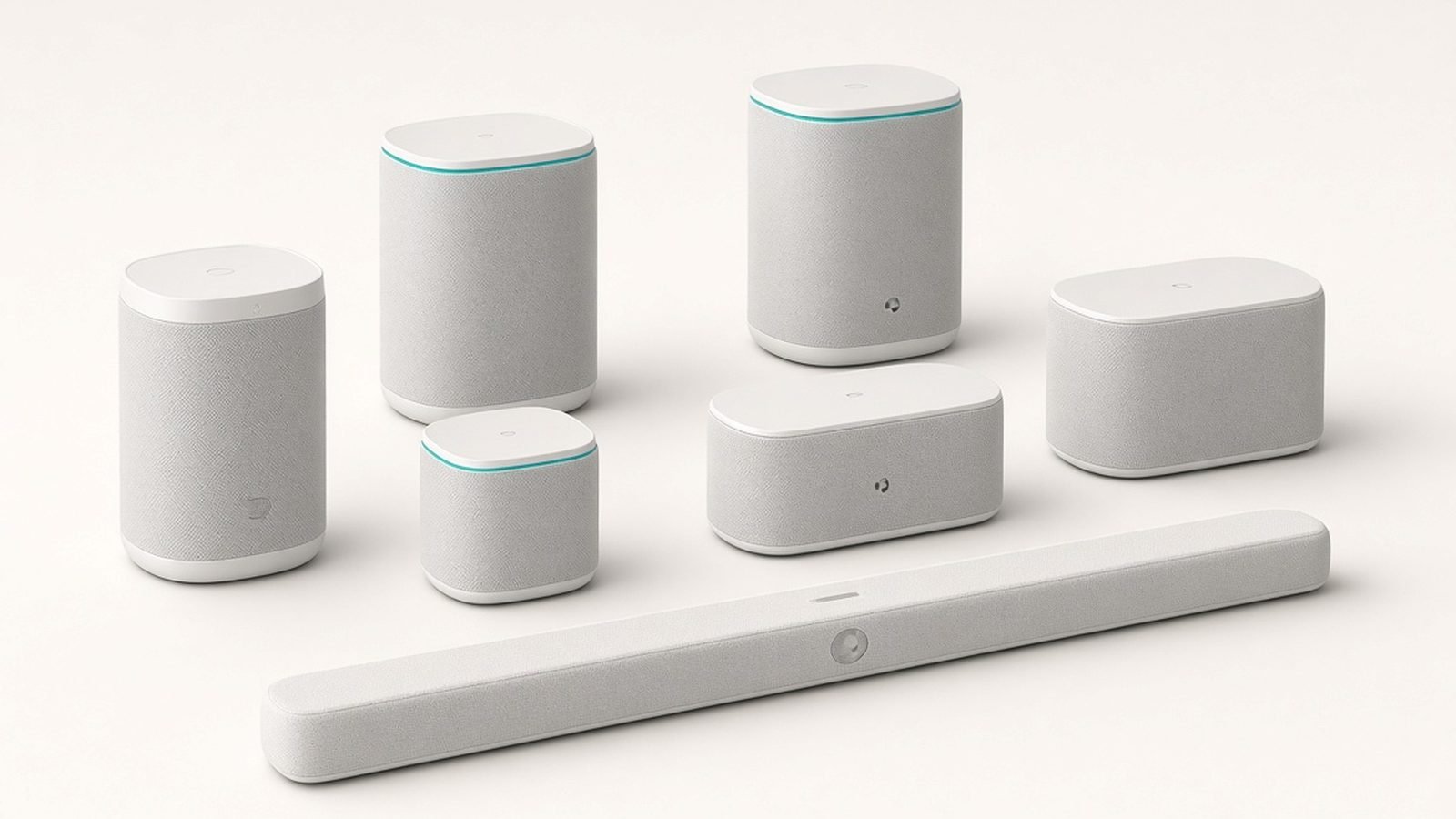
Sonos focuses on networked home audio, with a lineup that in 2026 includes:
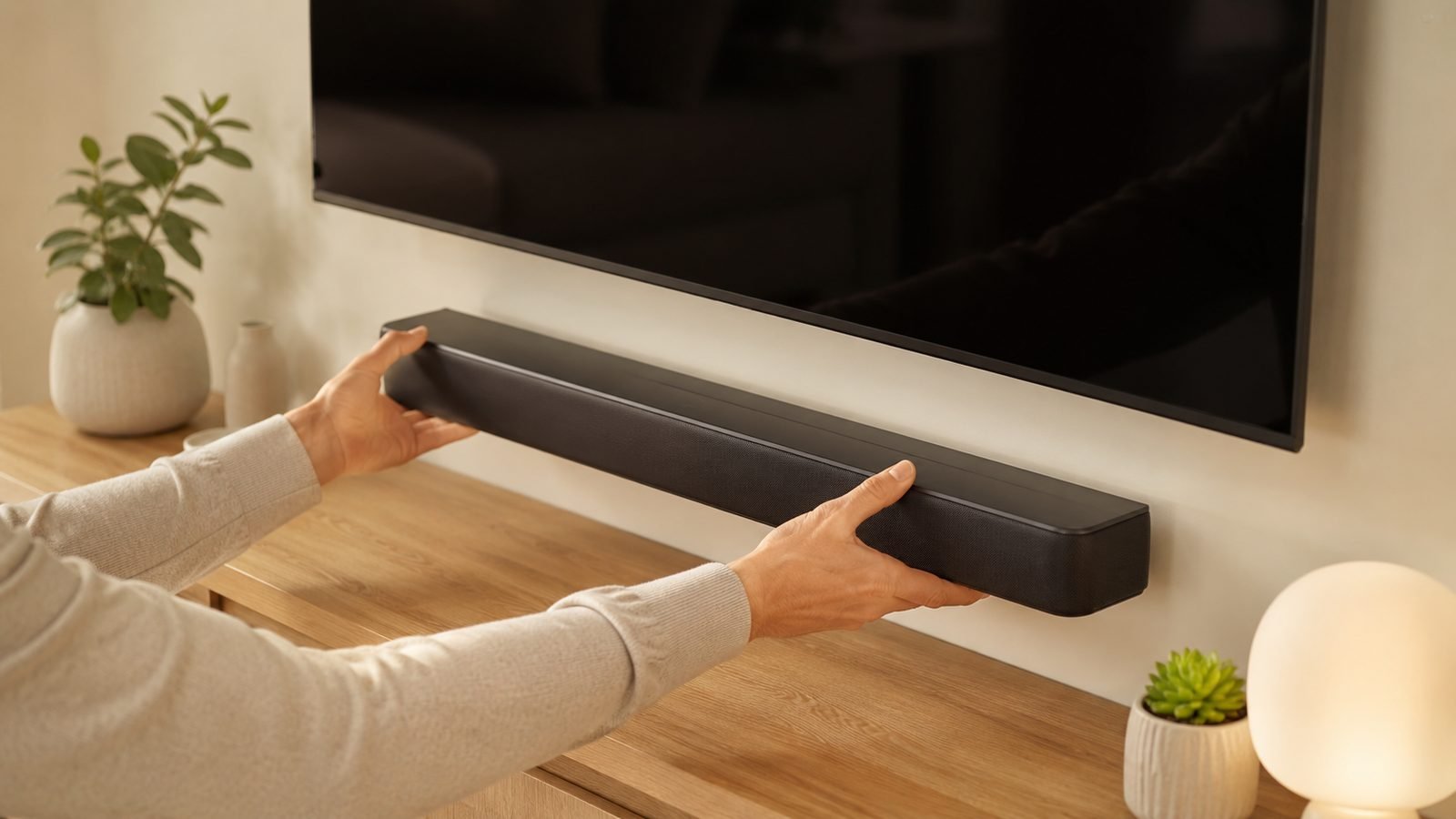
- Soundbars — the flagship Arc Ultra, the mid-range Beam (Gen 2), and the compact Ray, for TV and home-cinema sound.
- Multiroom speakers — the Era 100 and larger Era 300 (with spatial audio support), plus the long-running Five for stereo listening.
- Portable speakers — the battery-powered Move 2 and the smaller Roam 2 for indoor-outdoor use.
- Home-theater components — the Sub and Sub Mini wireless subwoofers, and the ability to pair two speakers as wireless surrounds with a soundbar.
- Headphones — the Sonos Ace over-ear headphones, the company’s first move into personal audio, which extend the system to on-the-go listening.
- Amps and connectivity — the Amp and Port for integrating Sonos with wired speakers and existing hi-fi gear.
Everything is designed to be controlled from the single Sonos app and to work with a long list of streaming services directly.
Standout products in 2026
Sonos Arc Ultra — around $999 / £999. The flagship soundbar and Sonos’s showcase product. It uses the company’s Sound Motion driver technology for genuinely convincing bass from a single bar, plus Dolby Atmos height effects. It’s a fixture on our Best Soundbars Under $300 (£300) in 2026: Big TV Sound, Small Price and Dolby Atmos Soundbars Explained: Do You Need One? guides. Expensive, and you’ll want the Sub to get the most out of it, but it’s one of the best-sounding one-box options available.
Sonos Era 300 — around $449 / £449. A spatial-audio multiroom speaker with an unusual driver array that fires sound in multiple directions. A pair makes an excellent Atmos rear-surround setup, and it anchors our Best Bookshelf Speakers 2026: Hi-Fi for Any Room recommendations.
Sonos Era 100 — around $249 / £249. The everyday multiroom workhorse: compact, stereo-capable, with line-in and Bluetooth. For most people building a first Sonos system, this is where to start.
Sonos Beam (Gen 2) — around $499 / £499. The mid-size soundbar sweet spot — Atmos support, compact footprint, and a common recommendation for smaller living rooms that don’t need the Arc Ultra.
Sonos Move 2 and Roam 2 — around $449 / £449 and $179 / £179. The portable speakers, bridging home Wi‑Fi playback and on-the-go Bluetooth. The Move 2 in particular offers big sound and long battery life for a portable.
Sonos Ace — around $449 / £449. The over-ear headphones, notable for TV Audio Swap that hands soundbar audio to the headphones. They compete on our Best Headphones 2026: Over-Ear Picks for Every Budget list but face stiff competition from Bose and Sony on pure noise cancellation.
Strengths
The best multiroom experience. Nobody does whole-home sync better. Grouping rooms, moving music around the house, and adding speakers over years is genuinely seamless when the software is behaving.
Sound quality and design. Sonos speakers sound good out of the box, look understated, and Trueplay room tuning helps them adapt to their surroundings. The Arc Ultra and Era 300 are legitimately impressive.
Broad service support. The app aggregates a huge range of streaming services in one place, and Sonos supports AirPlay 2 across most current products.
Longevity and expandability. Sonos hardware tends to stay supported for years, and the system is designed to grow. That long-term thinking is part of what made the 2024 app breakage feel like such a betrayal to loyal owners.
Weaknesses & criticisms
The 2024 app fiasco. This is the defining criticism. The rushed app rewrite removed features, broke setups, and damaged trust for a large part of the user base. Sonos has spent since apologizing and rebuilding, and by 2026 the app is far better — but the episode exposed how dependent the hardware is on software that the company can break overnight.
Ecosystem lock-in. Sonos speakers work best, and often only fully, within the Sonos system and app. You’re buying into one company’s cloud and roadmap, which the app saga showed can be a liability.
Price. Sonos is premium across the board. Building a multiroom system adds up quickly, and cheaper alternatives exist if you don’t need the seamless syncing.
Feature dependence on the cloud and app. Because so much runs through the app and Sonos’s services, outages or bad updates hit harder than they would on a simpler, self-contained speaker.
Reliability & support
Sonos hardware itself has a strong long-term reliability reputation — units commonly run for many years, and the company has historically supported older products well beyond the industry norm. The warranty is a standard limited one-year term in most markets.
The reliability caveat with Sonos is software, not hardware. The 2024 app rollout is the clearest example: the physical speakers were fine, but a bad software release made them frustrating to use. Since then Sonos has restored missing features, improved stability, and rebuilt its update process, and owner sentiment in 2026 has largely recovered. Customer support is generally rated as helpful. The honest takeaway: Sonos boxes last, but you are trusting the company to keep its software and cloud services healthy — a bet that looked shakier after 2024 than before.
Who should buy
Buy Sonos if you want a premium, expandable whole-home audio system and value ease of use, seamless multiroom syncing, and good design over rock-bottom price. It’s ideal for people who plan to add speakers room by room over time and want everything controlled from one app. The Arc Ultra also makes sense as a standalone premium soundbar even if you never expand.
Think twice if you were personally burned by the app saga and don’t trust the ecosystem, if you want the cheapest possible speaker or soundbar, or if you’d rather own hardware that isn’t tied to one company’s software roadmap. For a soundbar-only decision, compare against Bose and Samsung on our Best Soundbars Under $300 (£300) in 2026: Big TV Sound, Small Price guide before committing.
FAQ
Is Sonos still worth buying after the 2024 app problems?
For most people, yes — the app has been substantially repaired by 2026 and the hardware was never the issue. The multiroom experience remains the best available. But it’s fair to be more cautious than before, since the episode showed how dependent Sonos is on its own software staying reliable.
What actually happened with the Sonos app in 2024?
Sonos released a ground-up app rewrite in May 2024 that removed features and broke core functionality for many users. The backlash led to public apologies, delayed product launches, a financial hit, and ultimately the departure of CEO Patrick Spence in early 2025. Sonos has since restored features and stabilized the app.
Is Sonos better than Bose for soundbars?
Sonos generally wins on ecosystem and multiroom expansion, while Bose competes on simplicity and its own tuning. For a pure single-soundbar experience they’re close; the Sonos advantage grows if you plan to build a wider system. Our Best Soundbars Under $300 (£300) in 2026: Big TV Sound, Small Price guide compares them directly.
Do I need multiple Sonos speakers to make it worth it?
No. A single Arc Ultra or Beam is a great standalone soundbar, and one Era 100 is a fine standalone speaker. But the system’s biggest advantage — seamless multiroom audio — only appears once you have speakers in more than one room.
Does Sonos work with AirPlay and streaming services?
Yes. Most current Sonos products support AirPlay 2, and the app aggregates a large range of music and streaming services in one place, which is one of the system’s long-standing strengths.
How long do Sonos speakers last?
Sonos hardware is known for longevity, often running well for many years, and the company has historically supported older products longer than most rivals. The bigger long-term variable is software support and app stability rather than the speakers themselves failing.
Zen Tech Hub may earn a commission from links on this page, at no extra cost to you.