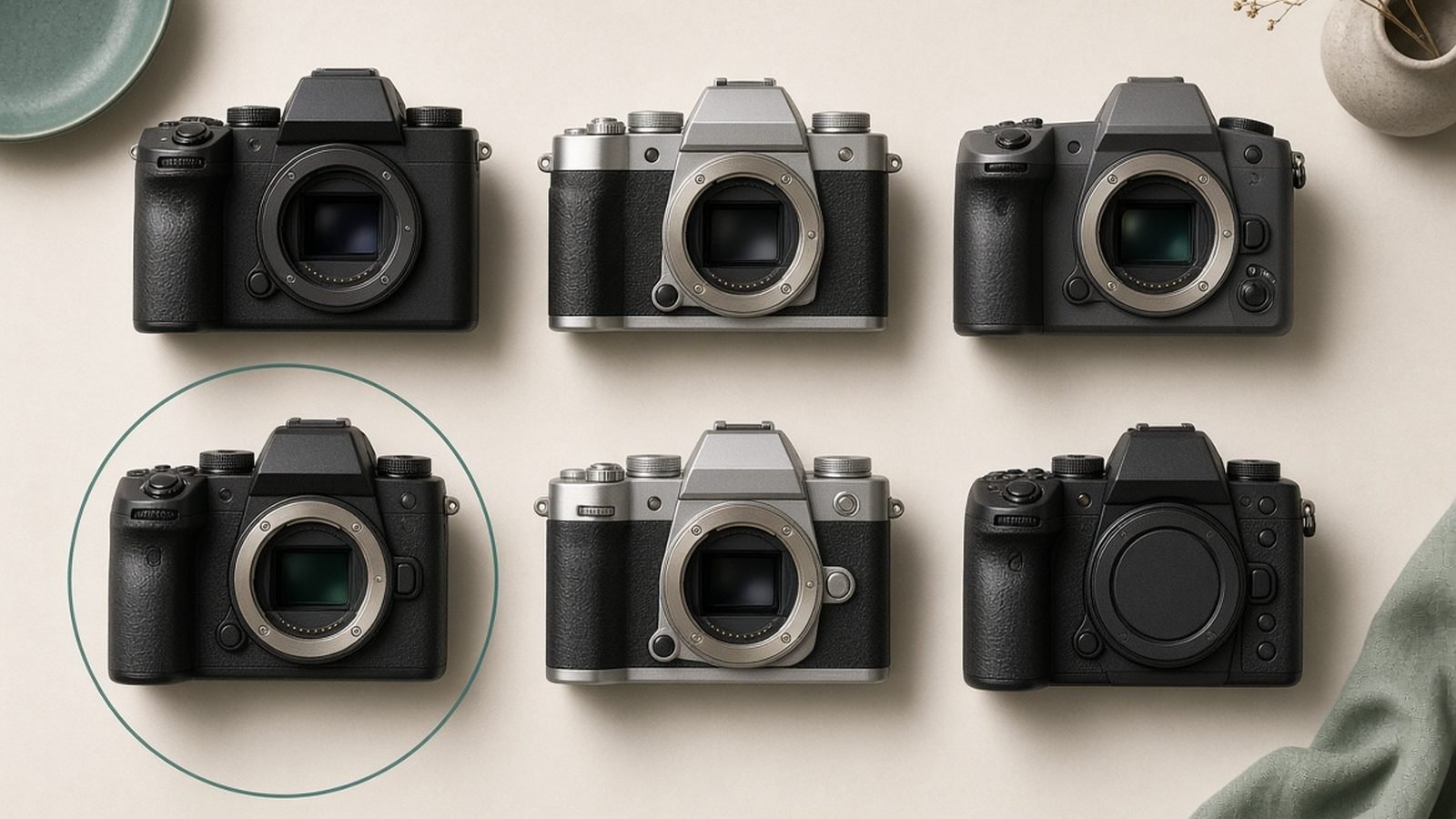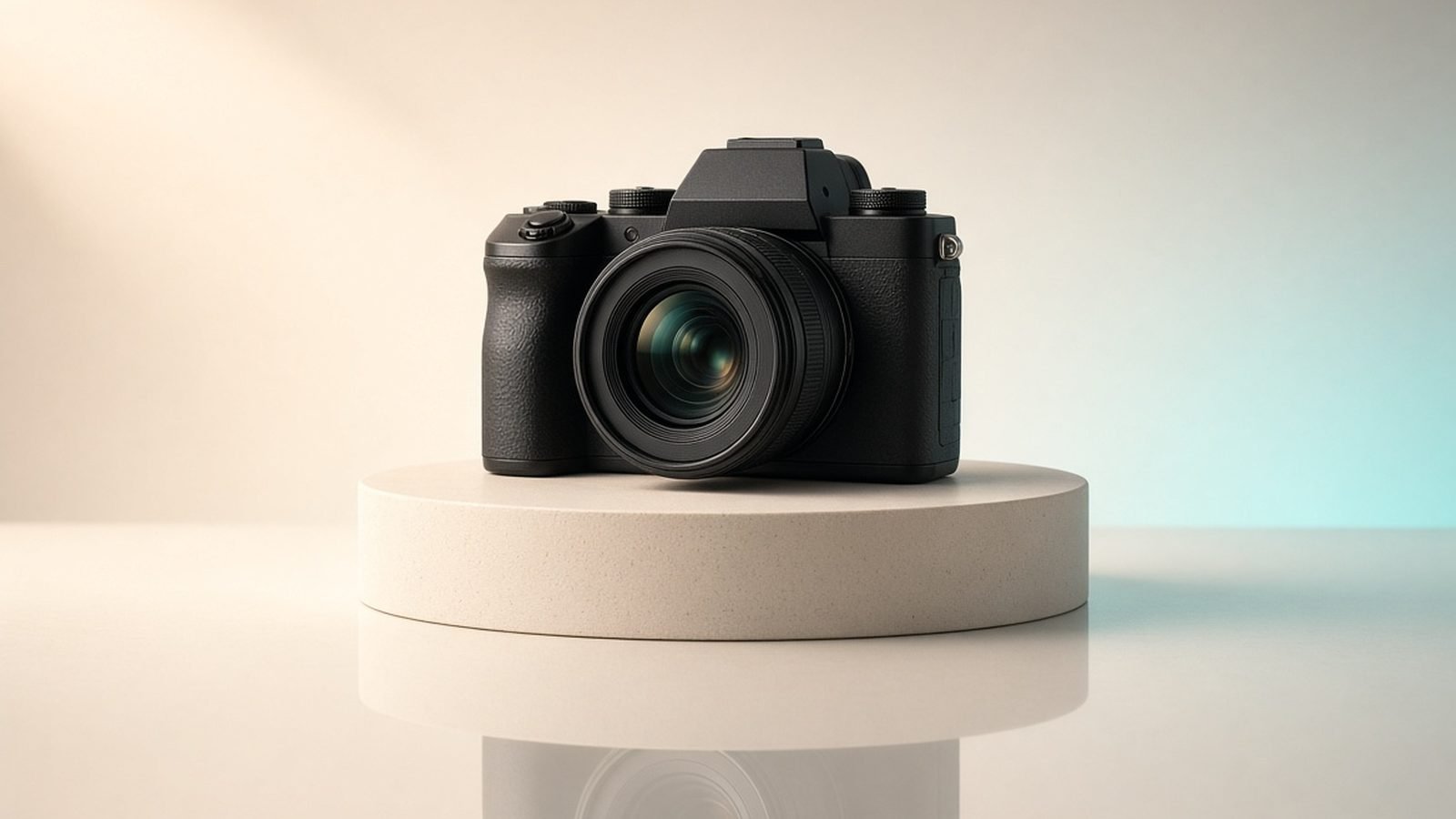
The Sony A7 V sits in the middle of Sony’s full-frame Alpha line — below the high-resolution A7R series and the speed-focused A9/A1 flagships, above the entry-level A7C — and its job is to do everything competently rather than one thing best. This Sony A7 V review asks how well the new generation fills that role, and the short version is that the gains are in the processing, not the sensor: resolution holds at 33MP, while subject-recognition autofocus and the video ceiling take a clear step forward over the A7 IV. Body-only, it costs around $2,499 / £2,399.
It is not the right pick for everyone, though. It is expensive once you add lenses, and Sony’s dense menus can overwhelm newcomers. If you only shoot stills, or only shoot video, a more specialized rival may serve you better. Here is our full breakdown, built from published specs, documentation and aggregated owner feedback.
Sony A7 V at a glance
The A7 V sits in the middle of Sony’s full-frame Alpha line: below the high-resolution A7R series and the speed-focused A9/A1 flagships, and above the entry-level A7C. It is the “do everything competently” body, and this generation sharpens that role.
| Spec | Sony A7 V | Sony A7 IV (previous) |
|---|---|---|
| Sensor | 33MP full-frame BSI | 33MP full-frame BSI |
| Processor | Latest-gen BIONZ XR + AI unit | BIONZ XR |
| Autofocus | AI processing unit, updated tracking | Real-time tracking |
| Video | Up to 8K, oversampled 4K | 4K up to 60p (Super35 crop) |
| Stabilization | In-body 5-axis (improved) | In-body 5-axis |
| Card slots | Dual (CFexpress Type A / SD) | Dual (CFexpress Type A / SD) |
| Viewfinder | Higher-resolution EVF | 3.68M-dot EVF |
| Price (USD) | around $2,499 body | discontinued / clearance |
The headline of the Sony A7 V vs A7 IV comparison is the leap in autofocus intelligence and video ceiling. The sensor resolution holds steady, but the processing around it takes a clear step forward.
Design and build
Physically, the A7 V follows the familiar Alpha template: a compact but substantial full-frame body with a deeper, more comfortable grip than earlier models and comprehensive weather sealing. It feels reassuringly solid without being heavy, and the control layout has matured, with a dedicated stills/video/slow-and-quick switch that lets you keep separate settings for each mode.
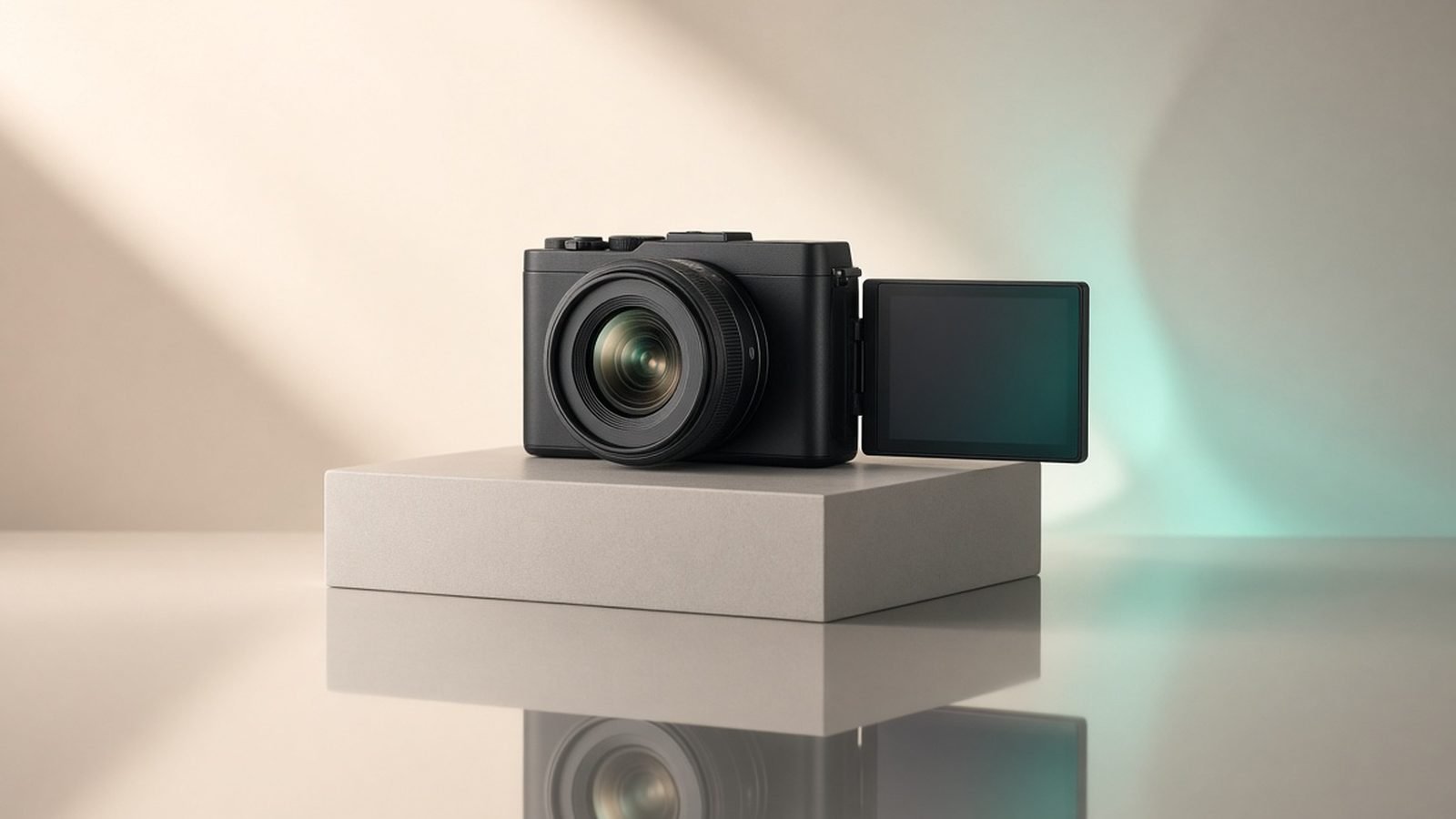
The fully articulating touchscreen flips out and rotates, which suits both self-recording and awkward-angle stills. The electronic viewfinder is bright and high-resolution, a noticeable upgrade for eye-level shooters. Dual card slots — with one supporting fast CFexpress Type A — give the backup and speed that professionals expect at this level.
Handling is a strength overall, but the flip side is complexity. Sony packs an enormous number of options into deep menus, and while the interface is more logical than it once was, a first-time full-frame buyer will spend real time learning it.
Image quality and stills performance
The 33MP full-frame sensor is a proven performer, and in aggregated owner reports it delivers exactly what you would hope: detailed files with wide dynamic range and pleasing, natural color straight out of camera. The resolution hits a sweet spot — enough detail for large prints and moderate cropping, without the enormous file sizes and lens demands of a 60MP body.
Low-light performance is a genuine full-frame advantage. High-ISO files stay clean well past where APS-C cameras start to struggle, which matters for events, weddings and indoor work. Paired with in-body stabilization, handheld shooting in dim conditions is comfortable.
For portrait, landscape, wedding and general enthusiast photography, the A7 V’s stills quality is not the limiting factor — your lenses and technique are. It is a camera you can grow into rather than out of.
Autofocus and subject tracking
This is the A7 V’s signature strength. It uses Sony’s dedicated AI processing unit for subject recognition, and across creator and owner feedback it is consistently described as the standout feature. Eye detection for humans and animals locks on and holds tenaciously, and recognition extends to birds, vehicles, insects and more.
For a solo creator or a wedding shooter working fast, that reliability changes how you work: you compose and trust the camera to keep focus where it belongs, even as subjects move unpredictably through the frame. In video mode the same intelligence keeps faces sharp during focus pulls. It is the single most compelling reason to choose this camera over cheaper full-frame rivals, and it comfortably matches or beats most competitors near the price.
Video features and quality
Video is where the A7 V clearly separates itself from its predecessor. It records oversampled 4K that looks crisp and detailed, adds a high-resolution capture mode up to 8K for those who need extreme detail or reframing headroom, and offers 10-bit color with S-Log3 and S-Cinetone profiles for grading or matching other Sony cameras.
For Sony A7 V for video use, the combination of that spec, reliable autofocus and in-body stabilization makes it a serious hybrid tool rather than a stills camera with video bolted on. Focus breathing compensation and clean HDMI output round out the package for more advanced shooters.
The honest caveats: the highest-resolution modes generate heat and large files, so plan for cooling and fast storage on long takes, and rolling shutter is present, if well-controlled, on fast motion. Dedicated cinema cameras still go further, but few hybrids this size match the flexibility. If your work is video-first and handheld, also weigh creator bodies in our Best Vlogging Cameras 2026: Creators' Picks guide.
Value and who should buy
At around $2,499 / £2,399 body-only, the A7 V is a significant investment, and quality full-frame lenses push the real cost higher. What you get for it is versatility: a camera that competently covers professional stills and high-end video without forcing a compromise. For anyone whose work spans both, that flexibility is worth the premium.
Where the value case weakens is specialization. If you only shoot stills, the Nikon Z6 III or a high-resolution body may suit you better for less complexity. If you only shoot video, a dedicated cinema or creator camera may deliver more for the money. The A7 V earns its keep when you genuinely need both. See where it sits against rivals in our Best Mirrorless Cameras 2026: Full-Frame & APS-C roundup, and compare Canon’s hybrid in our Canon EOS R6 Mark III Review 2026: Hybrid Powerhouse.
Verdict
Is the Sony A7 V worth it? For hybrid enthusiasts and professionals, yes. It delivers excellent 33MP stills, a high-end video spec topped by 8K capture, the best autofocus in its class, and the reassurance of dual card slots and weather sealing. Add the deepest full-frame lens ecosystem on the market and you have a body that will serve you for years.
The trade-offs are real: it is expensive, its menus are dense, and it is more camera than a casual shooter or a single-discipline specialist needs. If those describe you, look elsewhere. If you want one full-frame body that does almost everything well, this is the one to beat.
Who it’s for: hybrid shooters, wedding and event photographers, and serious content creators who need pro-grade stills and video in a single camera.
Who should skip it: stills-only photographers who want simplicity, video-only creators who could spend the same money more effectively, and anyone on a tighter budget who should look at APS-C.
Pros:
- Class-leading AI autofocus and subject tracking
- Excellent 33MP stills with strong low-light performance
- High-end video, including 8K capture and 10-bit color
- Dual card slots, weather sealing and in-body stabilization
- Deepest full-frame lens ecosystem available
Cons:
- Expensive body, and lenses add up quickly
- Dense, complex menus with a learning curve
- Highest-resolution video modes generate heat and large files
- Overkill for single-discipline shooters
Price and where to buy
At publication, the Sony A7 V sells for around $2,499 body in the US, with the Sony A7 V UK price landing near £2,399 body. Kit options with a 28-70mm zoom exist but, as ever with Sony, you are better off putting that money toward a stronger lens such as a fast prime or a 24-70mm G Master. Availability at major retailers is solid.
FAQ
Is the Sony A7 V worth it in 2026?
For hybrid shooters, yes. It combines class-leading autofocus, excellent 33MP stills and a genuinely high-end video spec including 8K capture, all in one weather-sealed body at around $2,499 / £2,399. If you only shoot stills or only shoot video, a more specialized camera may give you better value, but as an all-rounder it is hard to beat.
What’s the difference between the A7 V and A7 IV?
The Sony A7 V vs A7 IV upgrades that matter most are the smarter AI-driven autofocus, a much higher video ceiling (up to 8K versus the A7 IV’s cropped 4K/60p), a higher-resolution viewfinder and refined handling. The 33MP sensor resolution carries over, so the improvements are concentrated in processing, autofocus and video rather than raw megapixels.
Is the Sony A7 V good for video?
Yes. It records oversampled 4K, offers an 8K capture mode, and includes 10-bit color with S-Log3 and S-Cinetone for grading. Combined with reliable autofocus and in-body stabilization, it is a strong hybrid for video. Just plan for heat and large files in the highest-resolution modes, and use fast storage for long takes.
Does the Sony A7 V have in-body stabilization?
Yes, it has improved 5-axis in-body stabilization. That helps handheld stills in low light and smooths handheld video, though for walking-and-talking footage a stabilized lens or gimbal still improves results. For tripod and static work the stabilization is a bonus rather than a necessity.
Sony A7 V or Canon EOS R6 Mark III?
Both are excellent hybrids. The A7 V leads on resolution, video ceiling and lens ecosystem breadth, while the Canon R6 Mark III counters with friendlier handling, superb autofocus and strong low-light performance at a lower resolution. Choose Sony for detail and flexibility, Canon for ergonomics and speed. Our Canon EOS R6 Mark III Review 2026: Hybrid Powerhouse covers Canon’s case in full.
Is the Sony A7 V too complicated for beginners?
It can be. The menus are deep and the feature set is vast, which rewards experienced shooters but overwhelms first-timers. A beginner would be better served by a simpler body from our Best Cameras for Beginners 2026: Easy & Affordable guide, then stepping up to the A7 V once they know what they need from a full-frame camera.
Zen Tech Hub may earn a commission from links on this page, at no extra cost to you.