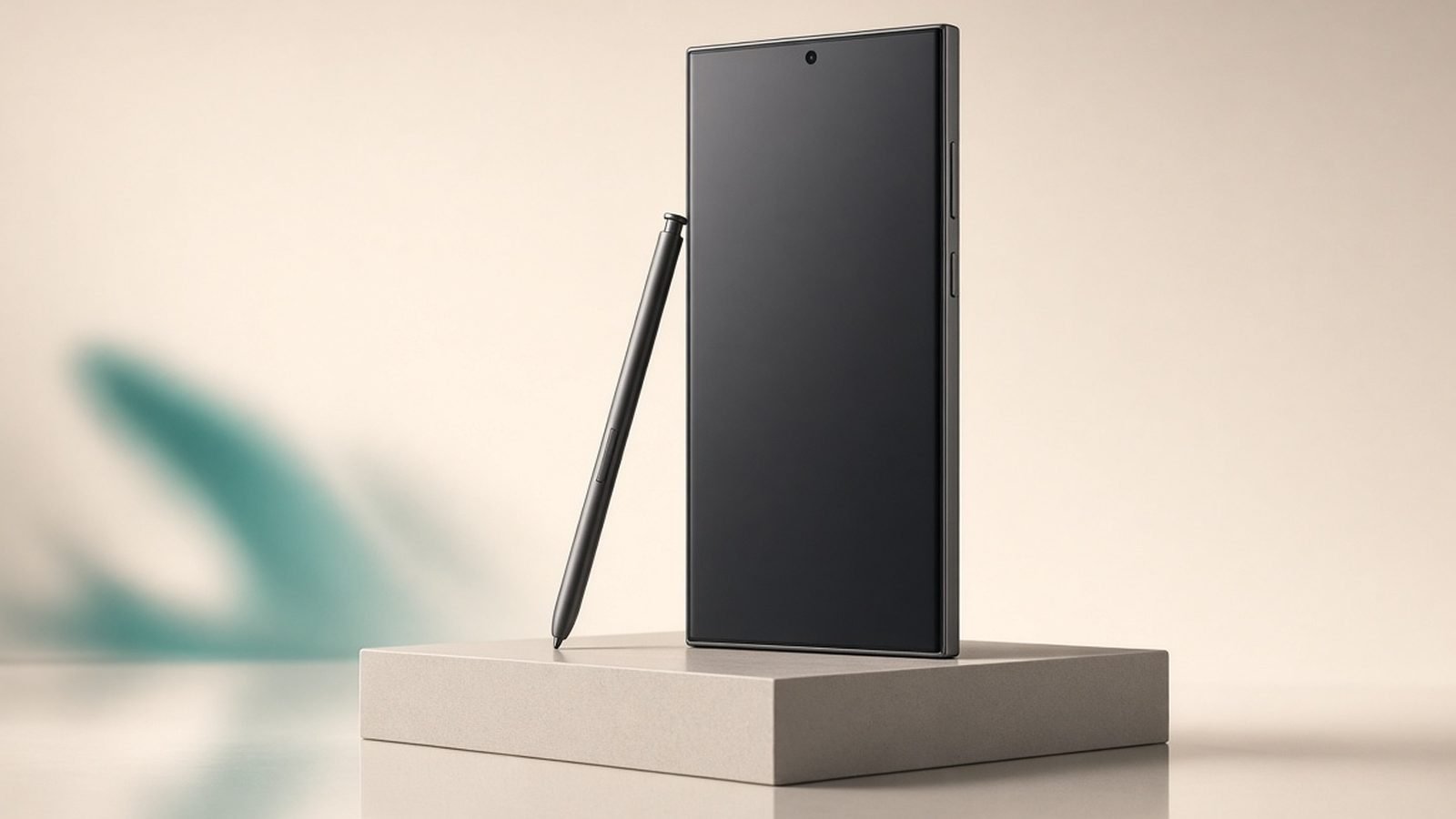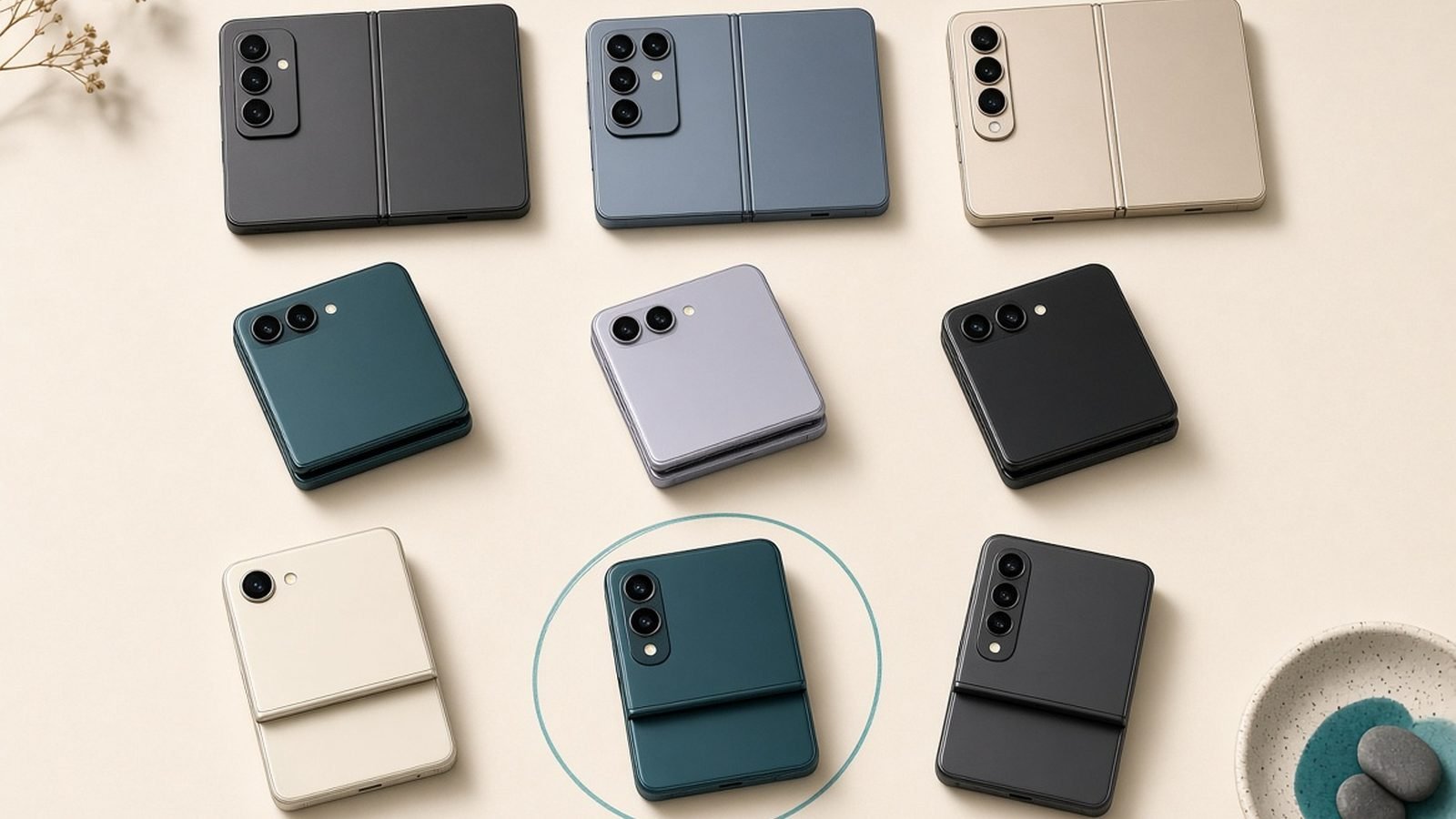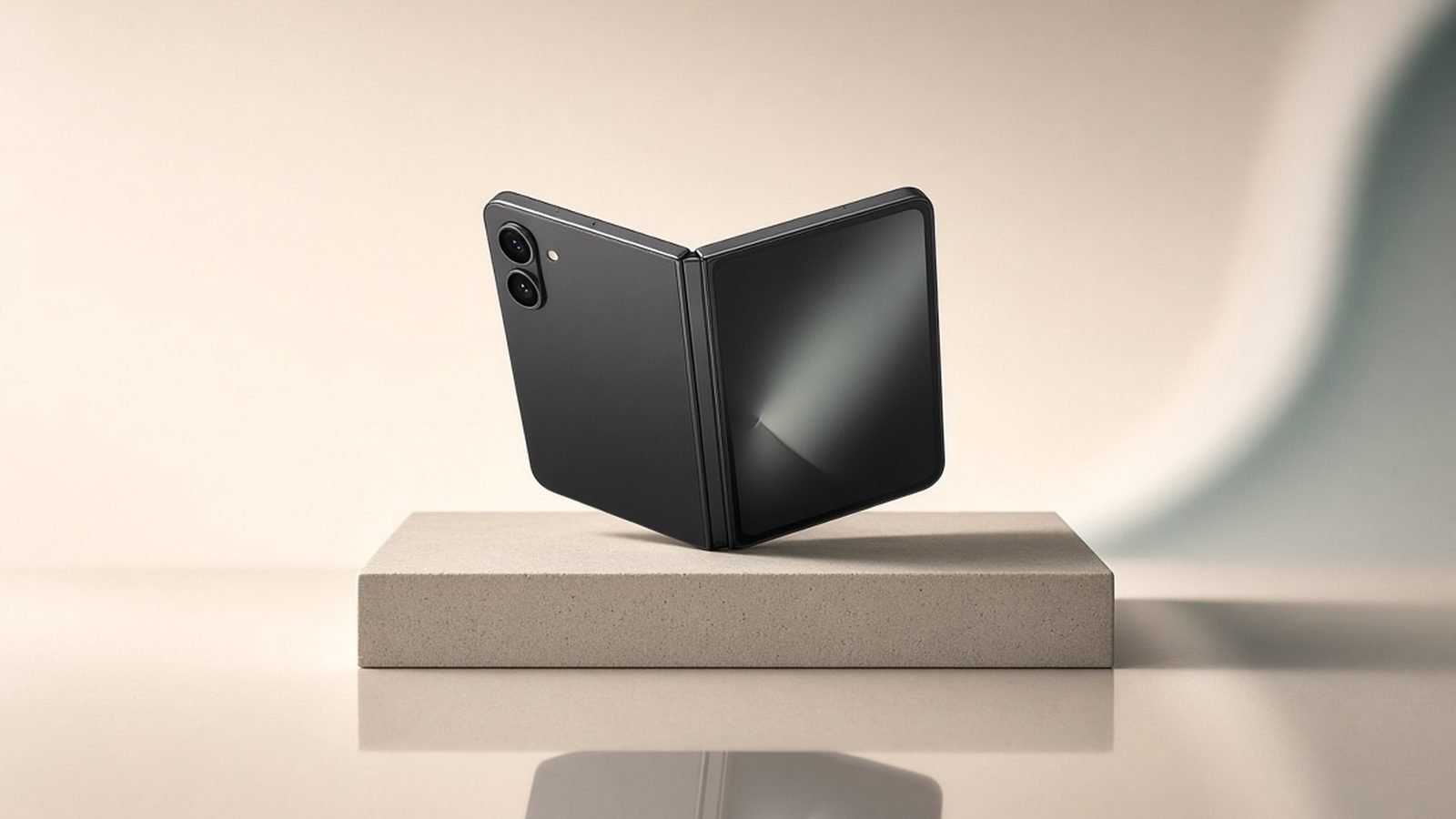
The Samsung Galaxy Z Fold 7 is the best book-style foldable you can buy in 2026, and the first we’d recommend without hesitation to mainstream buyers rather than just enthusiasts. Buy it if you want a phone that becomes a small tablet on demand, with the best multitasking on any phone and, finally, a closed-up profile that feels close to a normal slab. The catch is the price — around $1,999 / £1,799 — which keeps it firmly in premium-only territory.
What makes this generation different is how thin and light it is folded. Previous Folds were bulky bricks in the pocket; the Z Fold 7 slims down enough that you stop noticing you’re carrying a foldable. Pair that with the Snapdragon 8 Elite, much-improved cameras, a refined hinge and a seven-year update promise, and this is the most complete foldable to date. This review covers who it’s for, where it shines and where the compromises still bite.
Galaxy Z Fold 7 at a glance
Inner display: ~8-inch AMOLED, 120Hz · Cover display: ~6.5-inch AMOLED · Chip: Snapdragon 8 Elite · Water resistance: IP48 · Price: around $1,999 / £1,799
Pros:
- Thinnest, lightest big foldable yet — feels like a normal phone closed
- Best-in-class multitasking on the large inner screen
- Flagship Snapdragon performance with strong sustained speed
- Much-improved cameras, close to Samsung’s slab flagships
- Seven years of OS and security updates
Cons:
- Very expensive
- Faint inner-screen crease and plastic-topped protective layer remain
- Battery life is good, not exceptional, and charging is only moderately fast
- Dust resistance (IP48) still trails the full IP68 of slab phones
If you’re weighing it against other folds and flips, our Best Foldable Phones 2026: Fold & Flip Compared & Ranked roundup ranks the whole category, and our Best Smartphones 2026: Top Picks for Every Budget guide covers non-folding flagships too.
Design and build
This is where the Z Fold 7 earns its reputation. Samsung has meaningfully reduced the thickness and weight, so folded it’s genuinely comfortable to hold and pocket — the single biggest quality-of-life improvement over past Folds. It no longer feels like you’re carrying two phones stacked together. The hinge is refined and closes almost flat, minimising the gap, and the build quality feels premium throughout with a sturdy frame and toughened cover glass.
The cover screen is a usable ~6.5-inch panel with standard proportions, so you can comfortably use the phone closed for messaging, calls and quick tasks without unfolding — no awkward narrow front display. Open it and the roughly 8-inch inner AMOLED is bright, smooth at 120Hz and excellent for reading, video and split-screen work.
Two caveats remain. The inner screen still has a plastic-topped protective layer that’s softer than glass and shows a faint crease down the fold — less noticeable than before, but present. And water resistance is IP48: protected against water and larger particles, but not the full dust-sealing of a slab phone’s IP68. Treat the inner display with a little care and it holds up well.
Performance and software
The Snapdragon 8 Elite makes the Z Fold 7 as fast as any phone on the market. Everyday tasks are instant, and the larger foldable chassis gives it thermal headroom to sustain performance during gaming and heavy multitasking. This is a genuine productivity device, and it has the horsepower to back that up.
Software is the Fold’s other standout. One UI’s multitasking is the best on any phone: run two or three apps side by side, drag and drop content between them, use floating windows, and take advantage of the taskbar for quick app switching. On the big inner screen it genuinely replaces a small tablet for email, documents, browsing and note-taking. Samsung’s DeX mode extends that to a desktop-style layout on an external display.
Galaxy AI features are baked throughout — live translation, generative photo editing, summarisation and writing tools, powered partly by Google Gemini. Combined with the seven-year update commitment, the Z Fold 7 is set up to stay capable and current for years. For how Samsung’s AI compares platform-wide, see our iPhone vs Android 2026: Which Should You Choose? explainer.
Cameras
Historically, Folds asked you to accept weaker cameras than Samsung’s slab flagships. The Z Fold 7 largely closes that gap. Its main sensor is high-resolution and detailed, the ultrawide is capable, and the telephoto delivers useful optical zoom — the overall system is now close to what you’d get from a conventional Galaxy flagship, which is a big step for a foldable.
Photo quality is strong across lighting conditions, with Samsung’s characteristically punchy, vibrant colour science that looks great on social media, if occasionally a touch over-processed for purists. The folding form also unlocks tricks a normal phone can’t: use the main cameras for high-quality selfies with the cover screen as a preview, or prop the phone half-open for hands-free shots and video calls.
It’s not quite a match for the very best dedicated camera flagships at the extremes — the Galaxy S26 Ultra still reaches further on zoom, and the Pixel line edges it on point-and-shoot consistency — but for a foldable, this is excellent, and no longer a reason to avoid the form factor. For the Ultra’s camera strengths, see our Samsung Galaxy S26 Ultra Review 2026: Android's Best.
Battery and value
Battery life is a solid all-day proposition for most users, with the efficient Snapdragon chip and LTPO display helping the Fold last a full day of mixed use. Heavy users who lean on the big inner screen for gaming or video may want a midday top-up. Charging is moderately fast — adequate rather than class-leading, and slower than the OnePlus Open 2, which remains the endurance-and-charging champion among big folds.
On value, there’s no getting around the price. At around $1,999 / £1,799 the Z Fold 7 is one of the most expensive phones you can buy, and you pay a clear premium for the folding form. Samsung’s trade-in and carrier deals soften that meaningfully at purchase, and the seven-year update commitment spreads the cost over a long ownership window. But this is a phone you buy because you want the folding experience, not because it’s the rational-value choice — a slab flagship gives you more raw specification per dollar.
Alternatives
If you want a foldable but not this one, there are strong options. The Google Pixel Fold is the pick for cameras and clean software, trading some thinness for photographic consistency. The OnePlus Open 2 undercuts the Z Fold 7 on price while offering the best battery life and fastest charging of any big fold. And if you’d rather a compact foldable, the Galaxy Z Flip 7 shrinks a normal phone into a pocketable clamshell for roughly half the price. All are covered in our Best Foldable Phones 2026: Fold & Flip Compared & Ranked guide.
If you don’t need a foldable at all, a conventional flagship offers more value and, in some cases, better cameras. The Samsung Galaxy S26 Ultra Review 2026: Android's Best covers Samsung’s do-everything slab, and the iPhone 17 Pro Review 2026: Apple's Best Yet? and Google Pixel 10 Pro Review 2026: Smartest Camera Phone cover the leading iOS and Android alternatives.
Verdict
The Galaxy Z Fold 7 is the foldable that finally delivers on the format’s promise. It’s thin and light enough to use as your only phone, fast enough for anything, backed by the best multitasking software on mobile, and its cameras are no longer a compromise. The remaining downsides — high price, a faint crease, IP48 dust resistance and merely good battery life — are real but modest against how much the experience has improved.
Buy it if you want the best book-style foldable and will genuinely use the big inner screen for multitasking, reading and media. It’s ideal for productivity-focused users, gadget enthusiasts and anyone who wants a phone-tablet hybrid in one pocketable device. Skip it if you’re value-focused or want the absolute best cameras or battery life for the money — a slab flagship or the OnePlus Open 2 will serve you better there.
FAQ
Is the Samsung Galaxy Z Fold 7 worth it in 2026?
If you want a book-style foldable, yes — it’s the most refined one available, thin and light enough to use daily with the best multitasking on any phone. The catch is the price, around $1,999 / £1,799. It’s worth it for people who’ll use the big inner screen for productivity and media, but a slab flagship offers more raw value if you don’t need the folding form.
How is the Galaxy Z Fold 7’s battery life?
It’s a solid all-day battery for most users, helped by the efficient Snapdragon 8 Elite and LTPO display. Heavy users who game or watch a lot of video on the inner screen may need a midday top-up. Charging is moderately fast — fine, but not the quickest in the category. The OnePlus Open 2 leads big foldables on both endurance and charging speed.
Does the Z Fold 7 still have a screen crease?
Yes, there’s a faint crease down the middle of the inner display, though it’s less noticeable than on earlier Folds. The inner screen also uses a plastic-topped protective layer that’s softer than glass, so it needs slightly more care than a slab phone. In normal use the crease is easy to ignore, especially when viewing content straight on.
How do the Z Fold 7’s cameras compare to a normal Galaxy?
Much closer than before. The Z Fold 7’s camera system is now near Samsung’s slab flagships for everyday photography, with a detailed main sensor, capable ultrawide and useful telephoto zoom. It’s not quite a match for the Galaxy S26 Ultra’s long-range zoom or the Pixel’s point-and-shoot consistency, but for a foldable it’s excellent and no longer a reason to avoid the form factor.
Is the Galaxy Z Fold 7 durable and water resistant?
It’s the most durable Fold yet, with a refined hinge rated for years of folding and an IP48 rating — protected against water immersion and larger dust particles, though not fully dust-sealed like a slab phone’s IP68. The inner screen’s plastic-topped layer needs a little care. With a case and reasonable handling, it holds up well as a daily phone.
How long will the Galaxy Z Fold 7 receive updates?
Samsung commits to around seven years of OS and security updates for the Z Fold 7, matching its slab flagships and Google’s Pixel line. That’s a long support window that will keep the phone secure and current well beyond a typical upgrade cycle, which helps justify the high upfront price by spreading it over many years of use.
Zen Tech Hub may earn a commission from links on this page, at no extra cost to you.