If you want a flagship that looks and feels like nothing else on the shelf — genuinely distinctive design, a clean software experience and a fair price — the Nothing Phone 3 is the one to buy in 2026. This Nothing Phone 3 review asks the real question hanging over the brand: now that Nothing charges near-flagship money, does the substance finally match the style?
The short verdict: the Nothing Phone 3 is the most stylish flagship of 2026 at around $799 / £799, backed by the clever Glyph Matrix rear display, one of the cleanest Android skins around, and solid all-round performance. It isn’t the fastest or the best-shooting phone at the price, and the Glyph is as much fun as it is function — so whether it’s for you comes down to how much you value character.
Who should buy it: anyone who wants a phone with a genuine identity, clean software and good-enough flagship specs. Who shouldn’t: spec-chasers and camera-first buyers who’ll get more raw value elsewhere.
Around $799 / £799 · 6.7-inch 120Hz OLED · Snapdragon 8-series chip · triple 50MP camera · Glyph Matrix rear display · Nothing OS on Android 16
Nothing Phone 3 at a glance
| Detail | |
|---|---|
| Display | 6.7-inch flexible OLED, 120Hz, very bright peak |
| Chip | Snapdragon 8-series (flagship-class) |
| Rear cameras | 50MP main, 50MP ultrawide, 50MP periscope telephoto |
| Signature | Glyph Matrix — dot-matrix rear light display |
| Battery | ~5,000mAh-class, fast wired + wireless charging |
| Build | Aluminum frame, transparent glass back, IP68 |
| Software | Nothing OS on Android 16, multi-year updates |
| Price | around $799 / £799 |
Pros
- Genuinely distinctive design — nothing else looks like it
- Glyph Matrix is clever, glanceable and occasionally very handy
- Beautifully clean, fast, bloat-free Nothing OS
- Strong flagship-class performance and a bright display
- A real step up in cameras over previous Nothing phones
Cons
- Not the fastest or best-shooting phone at this price
- Glyph appeal is subjective — some will find it a gimmick
- Software support window trails Google, Samsung and Apple
- Value-per-spec is beaten by the OnePlus 15
- Nothing OS’s minimalism won’t suit heavy customizers
Design and build — the whole point
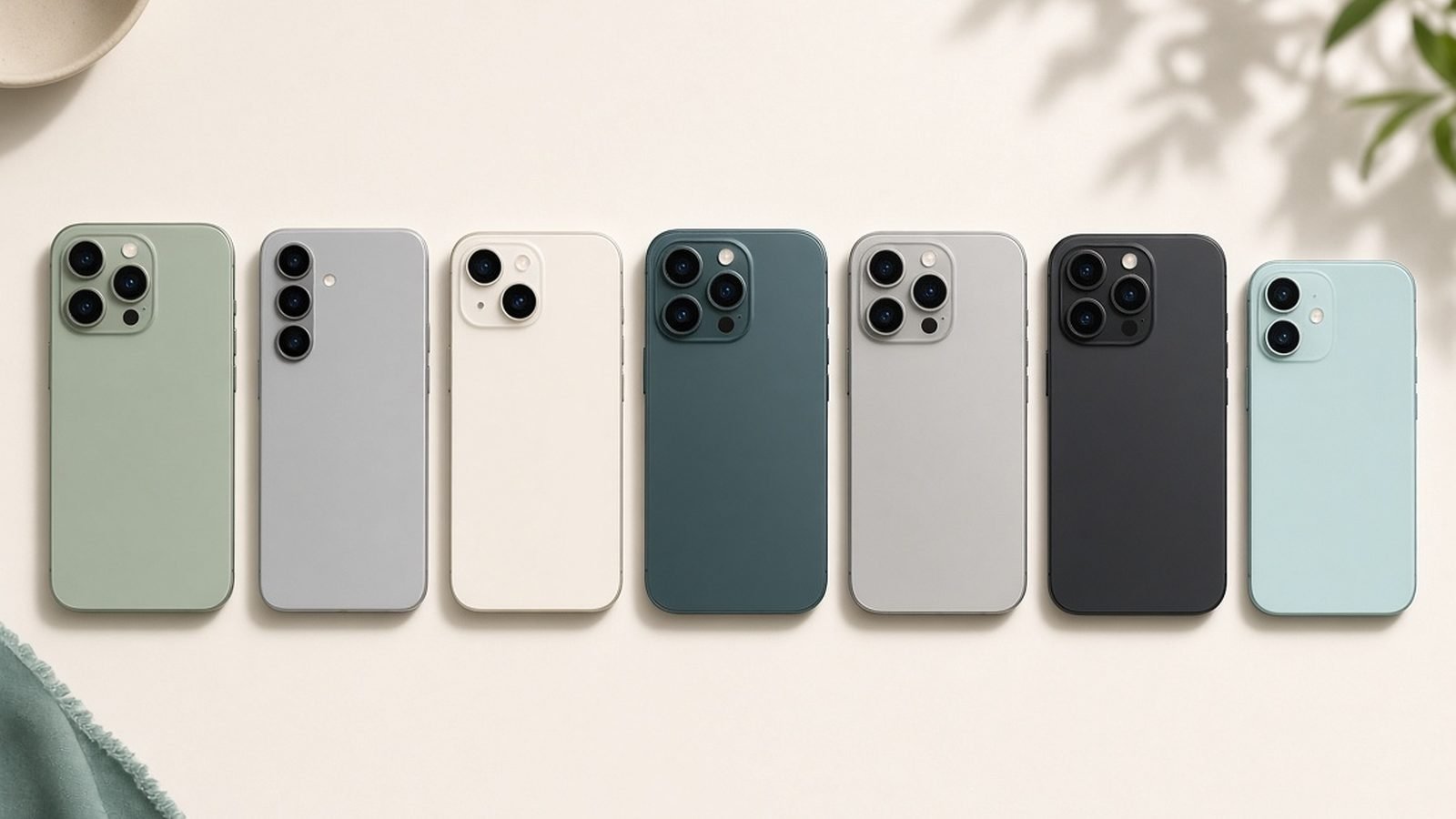
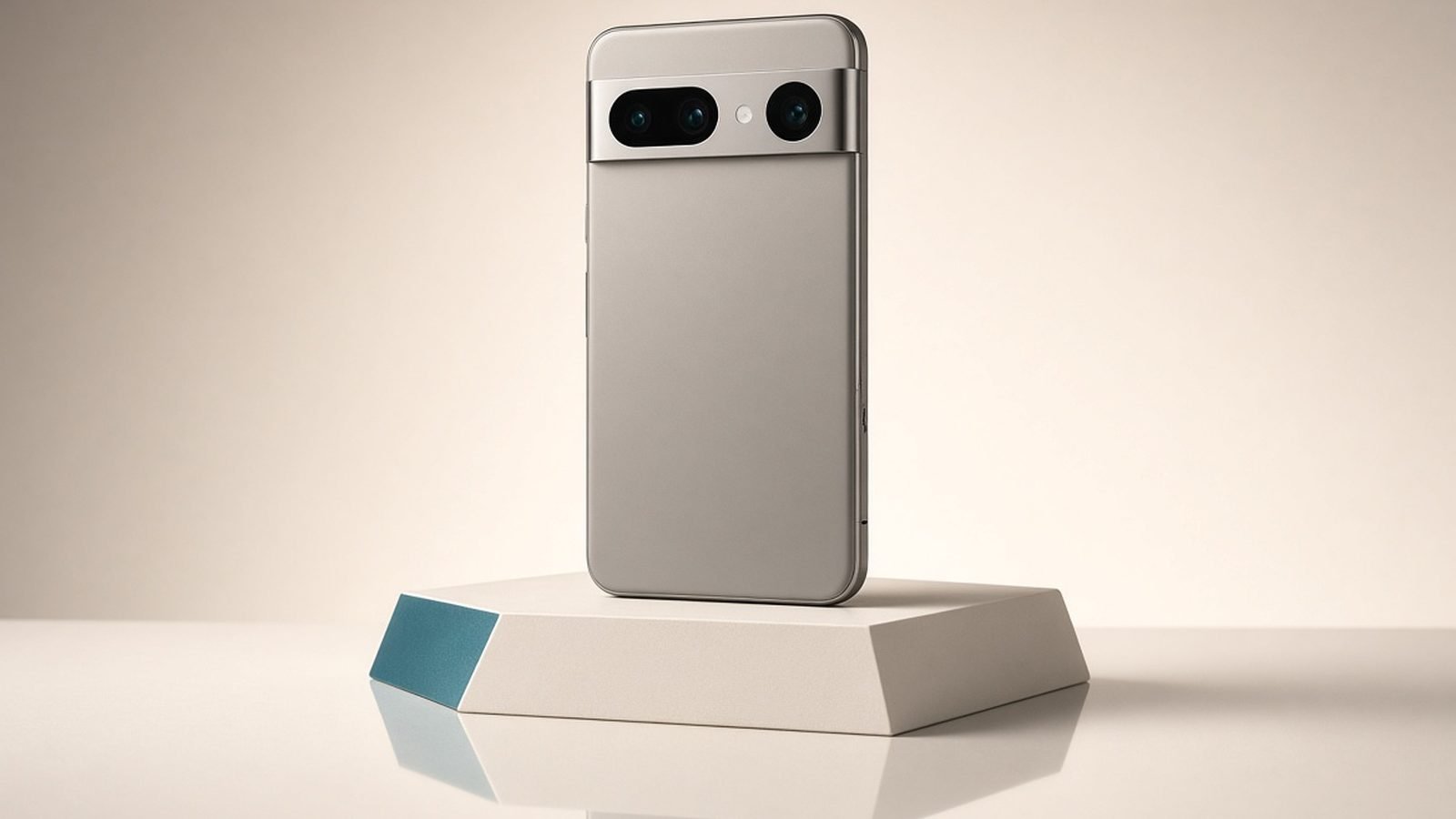
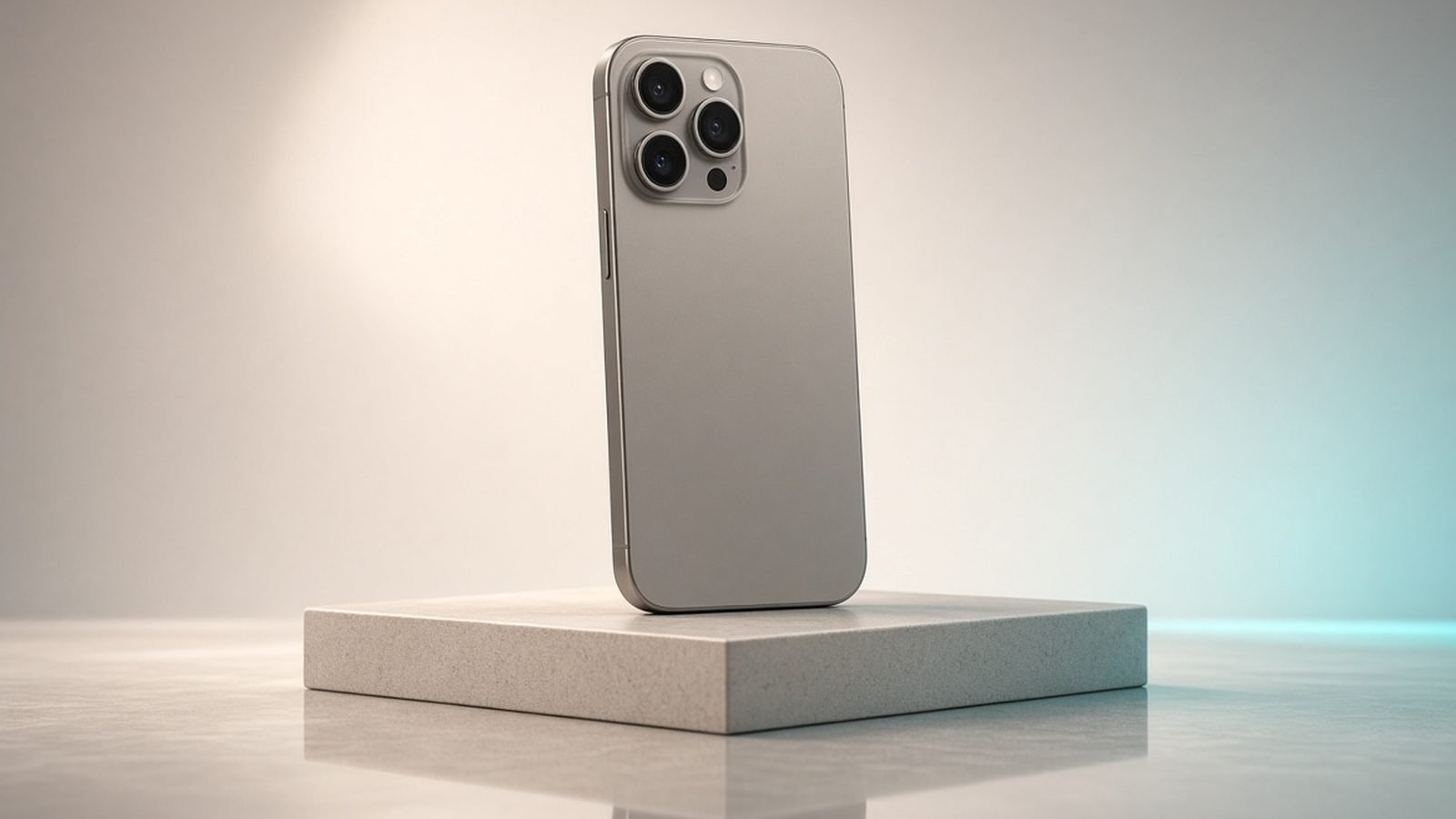
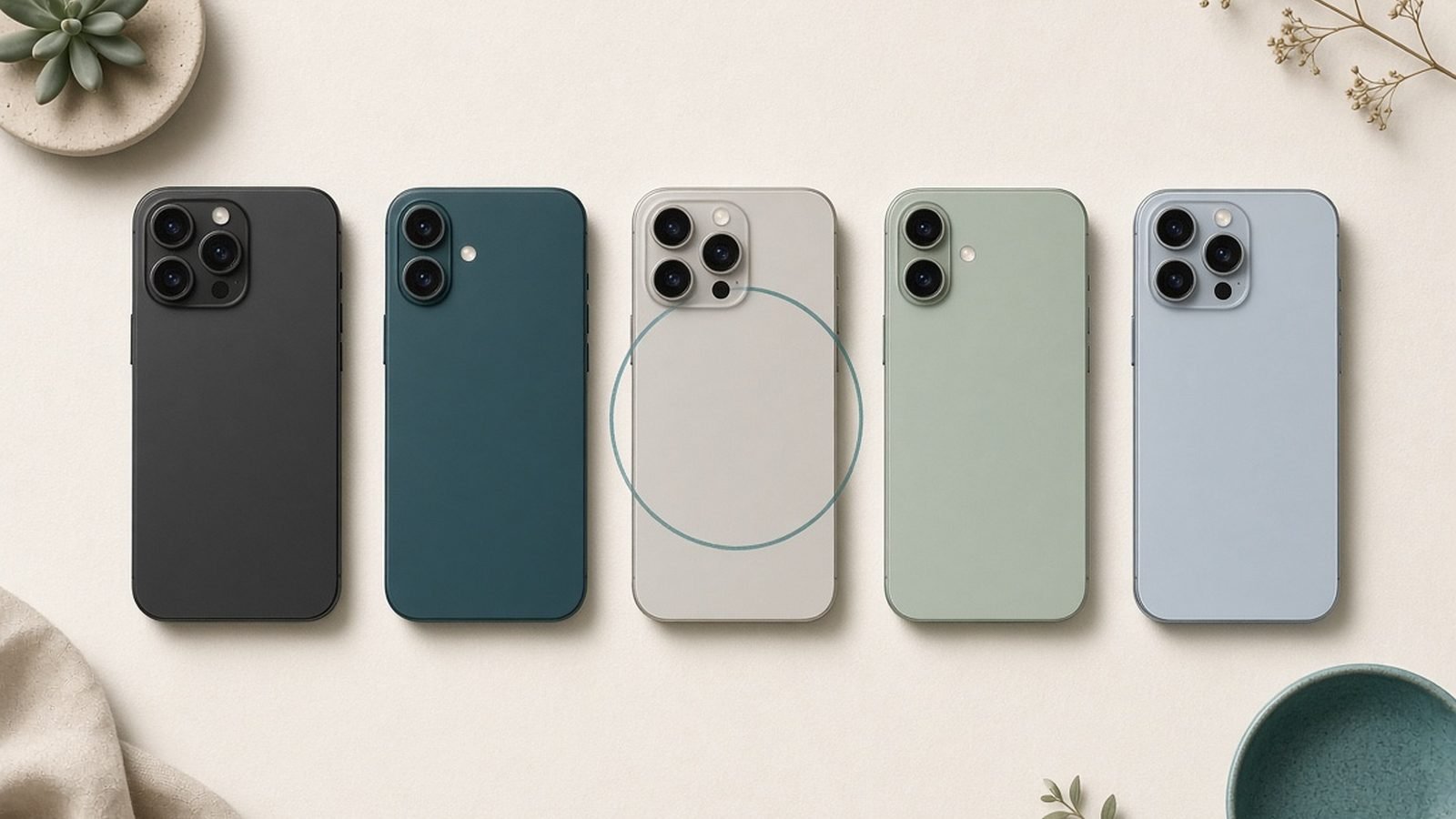
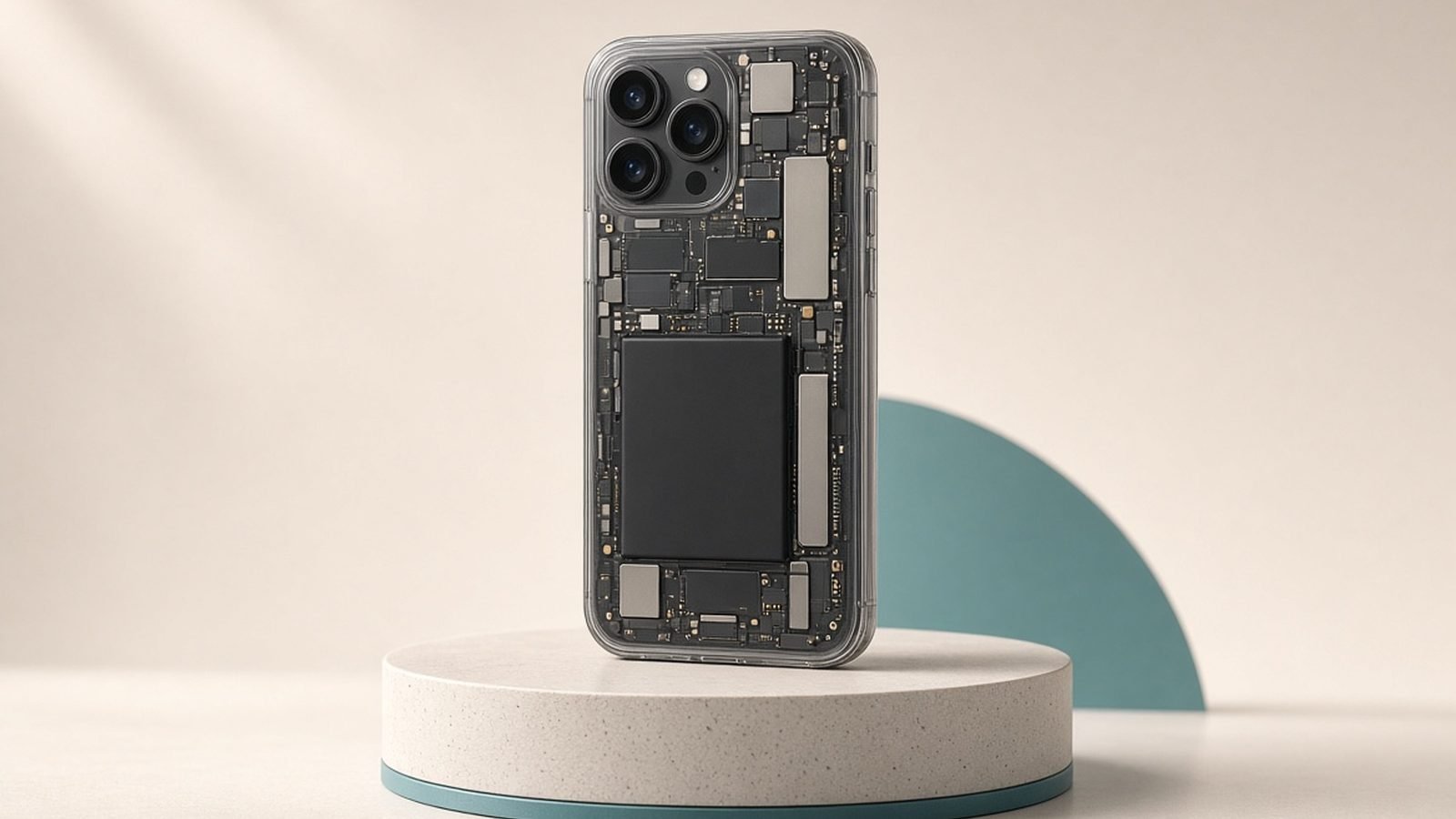
Design is the reason the Nothing Phone 3 exists, and it delivers. The transparent back, the exposed-tech aesthetic and the evolved Glyph system make it the most recognizable phone on any shelf. Where earlier models used strips of Glyph lighting, the Phone 3 leans on the Glyph Matrix — a small dot-matrix display on the back that shows notifications, timers, a caller’s identity, battery status and little widgets and mini-games. It’s the kind of feature you either adore or shrug at, and Nothing knows it.
Beyond the lights, this is a properly premium object: an aluminum frame, tactile buttons, IP68 water resistance and a build that feels every bit worth the money. The 6.7-inch OLED is bright, smooth at 120Hz and lovely to look at. In a category where most flagships are variations on the same glass rectangle, the Nothing Phone 3 has a personality — and for a lot of buyers that alone is the sell.
Whether the Glyph Matrix is substance or showmanship is the honest question. It’s more useful than the old light strips — glancing at a face-down phone to read a notification or timer genuinely works — but nobody buys this phone for the Glyph’s practicality alone. You buy it because it’s fun and different.
Performance and software
Under the distinctive shell, the Nothing Phone 3 is a capable flagship. The Snapdragon 8-series chip handles everything — demanding games, multitasking, everyday apps — smoothly and quickly. It won’t top the benchmark charts against a OnePlus 15 or Galaxy S26 Ultra, and under sustained heavy gaming load the fastest phones pull ahead, but in real-world use it never feels short of power. For the overwhelming majority of tasks, it’s indistinguishable from pricier rivals.
Nothing OS is the software star. It’s one of the cleanest, fastest and most thoughtfully designed Android skins available — near-stock, bloat-free, with a distinctive monochrome aesthetic, useful widgets and genuinely well-considered typography and iconography. If you find One UI busy or you just want Android to get out of the way, Nothing OS is a joy. The trade-off is minimalism: heavy customizers who want endless toggles will find it comparatively spare, and it’s a different philosophy from the maximalism of the Samsung Galaxy S26 Ultra Review 2026: Android's Best.
Update support is multi-year and respectable, though it trails the seven-year commitments from the biggest players.
Cameras
The camera system is where Nothing has made its biggest generational leap. The triple 50MP setup — main, ultrawide and a periscope telephoto — is a real step up from previous Nothing phones and produces attractive, characterful photos with a slightly stylized color science that suits the brand. In good light it’s genuinely competitive, with sharp detail and a flexible focal range that finally gives Nothing a proper zoom.
Honesty matters here: it’s a good camera, not a category leader. In difficult low light and high-contrast scenes, a Google Pixel 10 Pro Review 2026: Smartest Camera Phone or Galaxy S26 Ultra will produce cleaner, more consistent results, and the iPhone 17 Pro still leads on video. But the gap is far smaller than it used to be, and for a phone bought primarily for its design and software, the cameras are now more than good enough to recommend without an asterisk.
Battery and charging
Battery life is solid. The roughly 5,000mAh-class cell comfortably delivers all-day endurance for most users, aided by the efficient chip and display. Charging is genuinely fast — well ahead of the iPhone 17 Pro and Pixel 10 Pro, if a step behind the extreme speeds covered in our OnePlus 15 Review 2026: Flagship Speed for Less — and wireless charging is supported and quick. Any brick from our Best GaN Chargers 2026: 30W to 160W Compared & Ranked guide will get the best from it. In day-to-day terms, you won’t think about battery, which is exactly how it should be.
Value and alternatives
At around $799 / £799 the Nothing Phone 3 sits just below the big flagships, and its value equation is unusual. On pure specs-per-pound, the OnePlus 15 gives you more raw performance, a bigger battery and faster charging for similar or less money. What the Nothing Phone 3 sells is character — the design, the Glyph, the software — and that’s not something a spec sheet captures.
If you want the most phone for the money, the OnePlus 15 is the rational pick — our OnePlus 15 Review 2026: Flagship Speed for Less makes that case. If you want a phone with genuine identity that still performs like a flagship, the Nothing Phone 3 earns its place. Cross-shopping the whole field? See our Best Android Phones 2026: Flagship to Budget and Best Smartphones 2026: Top Picks for Every Budget guides, and the iPhone 17 Pro Review 2026: Apple's Best Yet? for the iOS alternative.
Verdict
The Nothing Phone 3 is the answer to “does style finally meet substance?” — and it’s a qualified yes. The design and Glyph Matrix are genuinely distinctive, Nothing OS is a joy, performance is strong and the cameras are finally good. It isn’t the fastest or best-shooting phone at the price, and the Glyph will always be a matter of taste, but that’s the point: this is a phone with character in a sea of identical slabs.
If you value personality, clean software and flagship-class experience over topping every spec chart, the Nothing Phone 3 is the most interesting phone of 2026. Recommended — for buyers who want a phone with a soul.
FAQ
What is the Glyph Matrix on the Nothing Phone 3?
It’s a small dot-matrix light display on the back of the phone that evolves the earlier Glyph light strips. It can show notifications, timers, caller identity, battery status, and even little widgets and mini-games. It’s genuinely handy when the phone is face-down — a glance tells you who’s calling or how a timer is doing — but it’s also a fun, expressive feature rather than a strict necessity. Whether it’s substance or showmanship depends on your taste.
Is the Nothing Phone 3 a true flagship?
Yes, broadly. It has a flagship-class Snapdragon 8-series chip, a bright 120Hz OLED, a capable triple 50MP camera, IP68 water resistance and premium build. It won’t top benchmark charts against the OnePlus 15 or Galaxy S26 Ultra, and its cameras aren’t category-leading, but in everyday use it delivers a genuine flagship experience with a design nothing else matches.
How good are the Nothing Phone 3 cameras?
Much improved and genuinely good. The triple 50MP system, including a proper periscope telephoto, is the biggest generational leap for Nothing and takes attractive, characterful photos in good light. In tough low light and high-contrast scenes it trails a Pixel 10 Pro or Galaxy S26 Ultra, but the gap is far smaller than before. For a phone bought mainly for design and software, the cameras are now more than good enough.
Nothing Phone 3 vs OnePlus 15 — which should I buy?
On pure value, the OnePlus 15 wins — more raw performance, a bigger battery and faster charging for similar money. The Nothing Phone 3 wins on character: distinctive design, the Glyph Matrix and one of the cleanest Android skins around. Choose the OnePlus 15 if you want the most phone for the money; choose the Nothing Phone 3 if you want a flagship with genuine personality and are happy to pay a small premium for it.
Does the Nothing Phone 3 get long software updates?
It gets a respectable multi-year commitment of OS and security updates, though it trails the seven-year windows offered by Google, Samsung and Apple. For most buyers who upgrade every two to three years, that’s not a dealbreaker. If you keep phones for the very long term, the big three offer more future-proofing, so weigh how long you actually intend to keep it.
Is Nothing OS good?
Very. Nothing OS is one of the cleanest, fastest and most thoughtfully designed Android skins available — near-stock, bloat-free, with a distinctive monochrome aesthetic and well-judged widgets and typography. If you find heavier skins cluttered, it’s a genuine pleasure to use. The only caveat is that its minimalism means fewer deep customization toggles than something like Samsung’s One UI, so heavy tinkerers may want more.
Zen Tech Hub may earn a commission from links on this page, at no extra cost to you.