If you own a Whoop, an Oura Ring or an Apple Watch, you have probably obsessed over one number and asked the same thing everyone asks: what is a good HRV? The honest, slightly annoying answer is “it depends” — but that does not mean the metric is useless. Heart rate variability is one of the most genuinely informative signals your wearable captures, as long as you understand what it is measuring and what it is not.
This guide explains HRV in plain English, shows realistic ranges by age and sex, and covers why the same body can read wildly different numbers on different devices.
Medical disclaimer: This article is for general information only and is not medical advice. HRV is not a diagnostic tool. If you are concerned about your heart health, speak to a qualified clinician.
HRV in Plain English: What Your Wearable Is Measuring
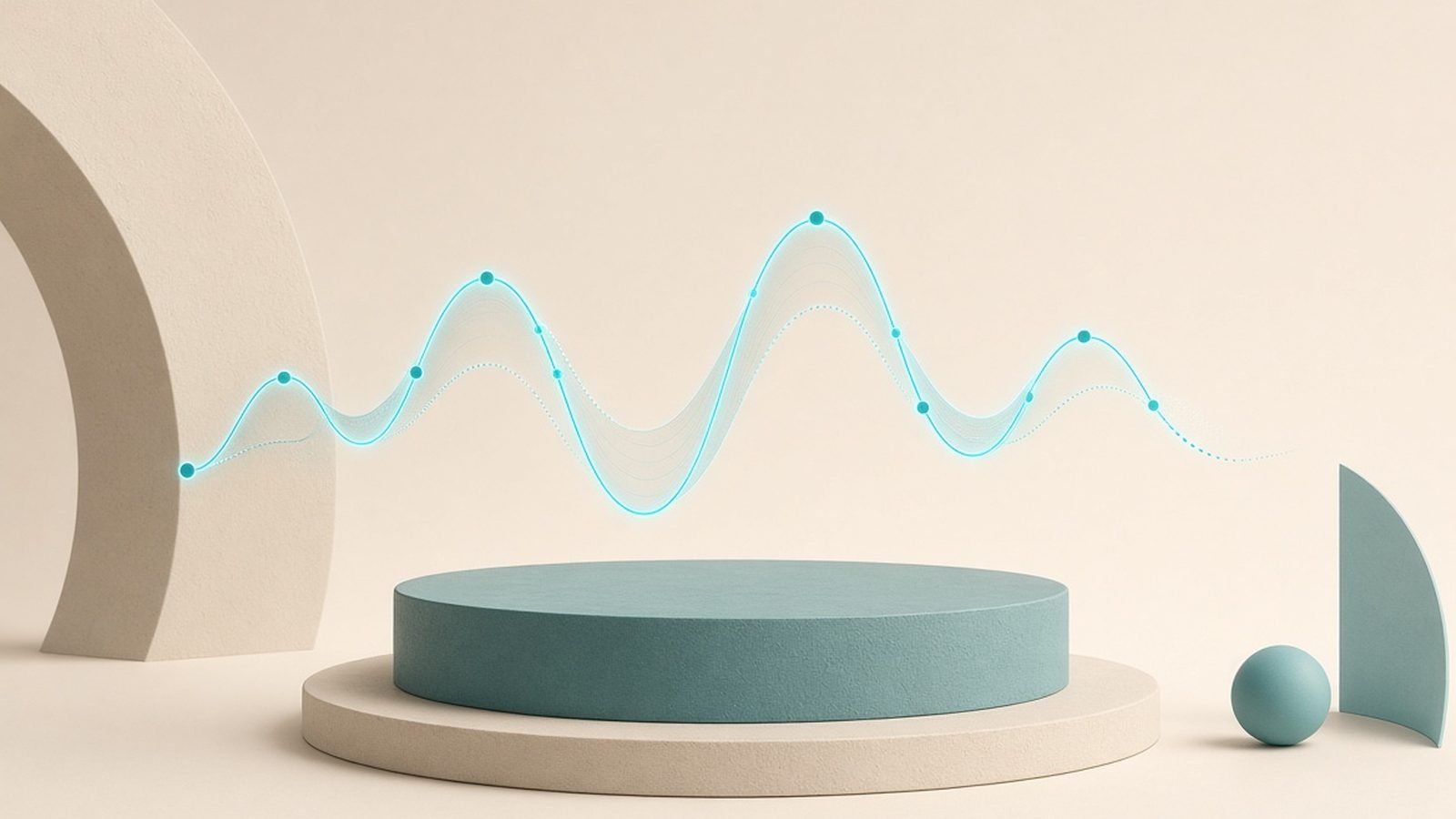
Your heart does not beat like a metronome. Even at a steady 60 bpm, the gap between beats varies by milliseconds — 0.9 seconds, then 0.86, then 0.94. That tiny beat-to-beat variation is your heart rate variability.
Here is the key part of HRV meaning for wearables: more variation is generally better. High HRV signals that your parasympathetic (“rest and digest”) nervous system is in charge and your body is recovered. Low HRV suggests your sympathetic (“fight or flight”) system is dominant — you are stressed, fatigued, fighting something off, or still processing last night’s wine.
Most wearables report HRV using RMSSD (root mean square of successive differences), measured in milliseconds. Apple, confusingly, often surfaces SDNN instead. More on that below.
What’s a “Good” HRV? Ranges by Age and Sex (With Caveats)
The single most important rule: HRV is only meaningful compared to your own baseline. A “good” HRV for you is one that is trending at or above your personal normal. Comparing your number to a friend’s is close to meaningless.
That said, people want ballpark figures, so here is a general reference for overnight RMSSD based on published population data. Treat these as rough orientation, not targets.
| Age band | Lower typical | Average | Higher typical |
|---|---|---|---|
| 20–29 | 30 ms | 55–70 ms | 100+ ms |
| 30–39 | 25 ms | 45–60 ms | 90 ms |
| 40–49 | 20 ms | 35–50 ms | 80 ms |
| 50–59 | 18 ms | 30–45 ms | 70 ms |
| 60+ | 15 ms | 25–40 ms | 60 ms |
Two big caveats. First, average HRV by age falls steadily — a 25 ms reading at 60 is unremarkable but would be low at 25. Second, men tend to post slightly higher RMSSD than women at the same age, though the gap narrows with training and age. Fit endurance athletes can sit well above these ranges; that is normal, not superhuman.
Why Your HRV Differs Between Whoop, Oura and Apple Watch
This is where most people get confused. If you wear two devices, they will disagree — sometimes by 20 ms or more. That does not mean one is broken. Here is why the Whoop HRV vs Oura HRV debate has no clean winner.
When it’s measured. Whoop calculates HRV primarily during slow-wave (deep) sleep, when your readings are most stable. Oura takes an overnight average across the whole night. Different windows, different numbers — Whoop often reads higher because deep sleep is your calmest state.
How it’s measured. These are optical (PPG) sensors reading blood flow at the wrist or finger, not a medical ECG chest strap. Each brand applies its own filtering and algorithms.
SDNN vs RMSSD — the Apple problem. Here is HRV on Apple Watch explained: the Health app logs spot SDNN readings taken during Breathe sessions or random moments, not a controlled overnight RMSSD average. SDNN and RMSSD are different mathematical measures, so an Apple Watch number will look nothing like your Whoop or Oura figure. It is not wrong — it is a different metric entirely, sampled at a different time.
The takeaway: pick one device and one context, and only compare it to itself.
What Lowers HRV: Alcohol, Illness, Stress, Overtraining
If you have ever thought “why is my HRV so low today,” the culprit is usually one of these:
Alcohol. The single most reliable HRV killer. Even two drinks can crater your overnight number, often the night after you drink too.
Illness. A dropping HRV frequently precedes symptoms by a day or two as your immune system ramps up.
Stress and poor sleep. Late nights, work anxiety and a racing mind all suppress parasympathetic tone.
Overtraining. A hard session lowers HRV short-term (that is the training stimulus). Chronically suppressed HRV over weeks signals you are not recovering.
Dehydration, big meals late, and caffeine near bed all nudge it down too.
None of these are cause for panic in isolation. It is the sustained trend that matters.
How to Improve HRV (Evidence-Based, No Biohacker Fluff)
Skip the cold-plunge theatrics. The interventions with the best evidence for how to improve HRV are unglamorous:
Sleep more, and on a schedule. Consistent sleep timing is the biggest lever most people have.
Drink less alcohol. Cutting to 1–2 nights a week produces visible baseline gains within a fortnight for most owners.
Aerobic base training. Regular Zone 2 cardio raises HRV over months. Intensity alone does not.
Slow breathing. Roughly six breaths per minute for ten minutes daily has genuine research support.
Manage the obvious stressors — hydration, earlier last meal, less late caffeine.
There is no supplement that reliably raises HRV. Consistency does.
When a Low HRV Actually Matters — and When to Ignore It
Ignore a single low day. A wild reading after one bad night, a hard workout or a glass of red tells you nothing new. HRV is noisy night to night — that is the nature of measuring HRV while sleeping with an optical sensor.
Pay attention when a 7-day rolling average trends downward for two-plus weeks with no obvious cause, or when a sharp, sustained drop pairs with real symptoms (fatigue, elevated resting heart rate, feeling run-down). That is your cue to rest — or, if it persists, to see a doctor. HRV is a coaching signal, not a diagnosis.
Best Wearables for HRV Tracking
Whoop 5.0 — Best for serious recovery tracking
Around $199/year / £169/year (hardware included in membership). Whoop is the most HRV-centric device here, building its entire recovery score around deep-sleep HRV. If you want to train by recovery, it is the benchmark.
Pros: Deep-sleep measurement is stable; excellent trend analysis; no screen distraction. Cons: Subscription-only; no display; overkill for casual users.
Oura Ring 4 — Best for everyday readiness
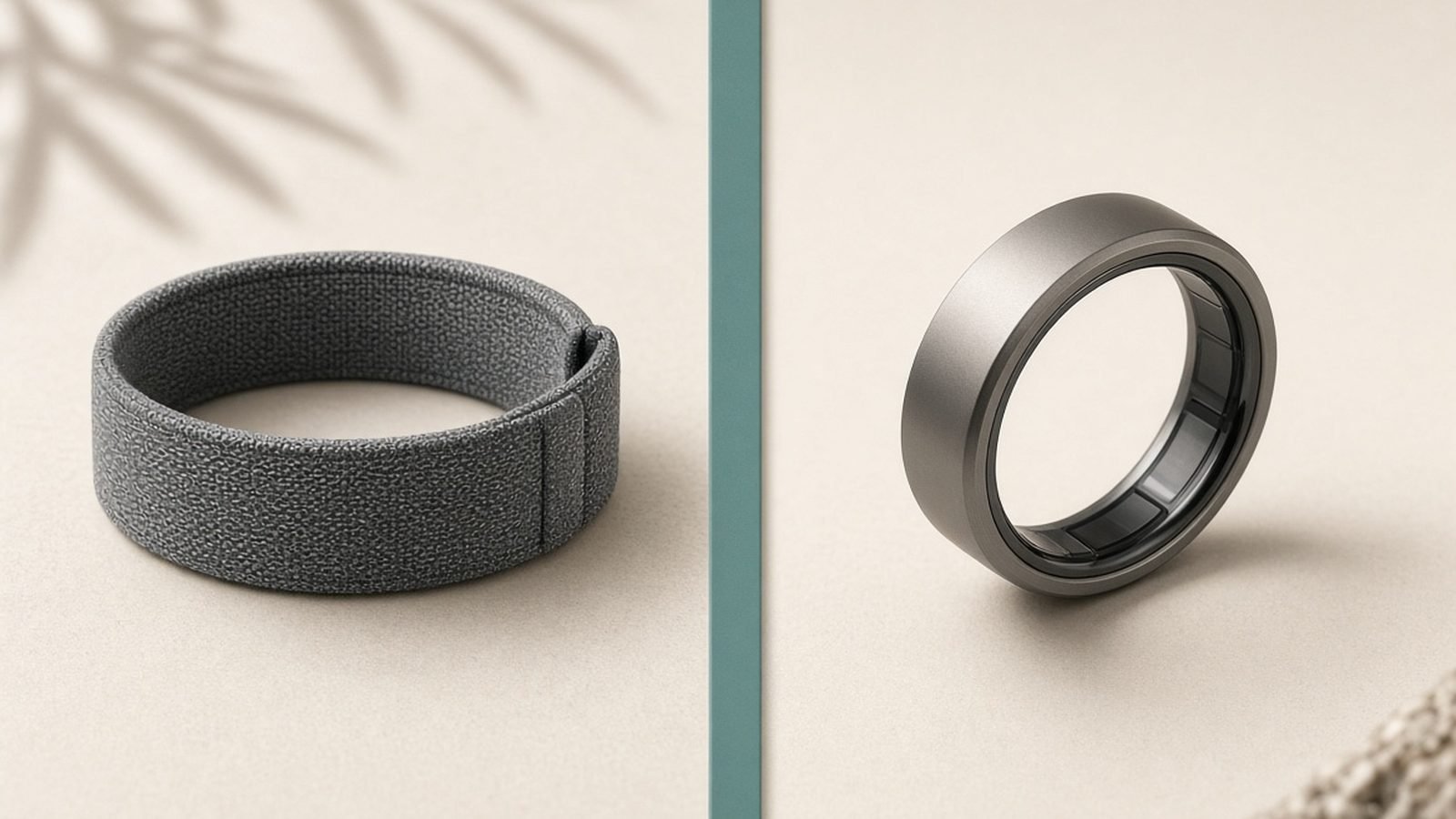
Around $349 + $5.99/month / £349 + £5.99/month. Oura feeds an overnight-average HRV into a clean Readiness score, in a ring you will actually forget you are wearing.
Pros: Comfortable 24/7 wear; strong sleep staging; polished app. Cons: Subscription on top of hardware; finger sensors are motion-sensitive.
Apple Watch Series 11 — Best all-rounder
Around $399 / £369. Not a dedicated HRV tool, but if you already want a smartwatch, its spot SDNN readings plus ECG and notifications make it the most versatile pick — just understand the numbers differ from Whoop and Oura.
Pros: Full smartwatch; ECG; huge app ecosystem. Cons: SDNN spot checks aren’t a true overnight HRV average; daily charging.
Check price: Apple Watch Series 11
Verdict
For dedicated HRV and recovery, Whoop 5.0 leads on measurement quality. For effortless daily wear, the Oura Ring 4 wins. And if you want one device to do everything, the Apple Watch Series 11 is the smart all-rounder — provided you read its SDNN numbers on their own terms. Whichever you choose, judge HRV against your own baseline, not anyone else’s.
For deeper dives, see our Whoop 5.0 Review 2026: Is the Subscription Worth It? and head-to-head Whoop vs Oura in 2026: Which Recovery Wearable Wins?. Sleep-focused readers should check Best Sleep Trackers 2026: Rings, Bands & Watches Ranked, and if you are curious about non-wearable options, our AirPods Pro 3 Heart Rate: How to Set It Up and Use It covers ear-based tracking. Browse everything at the Wearables.
FAQ
What is a good HRV number? There is no universal figure. A good HRV is one at or above your own recent baseline. Population averages run roughly 55–70 ms (RMSSD) in your twenties, declining with age. Focus on your personal trend rather than a single “good” threshold, because context and device both shift the number.
Why is my HRV so low all of a sudden? Usually alcohol, poor sleep, a hard workout, stress, or an oncoming illness. A single low night is normal noise. Worry only if your 7-day average trends down for two-plus weeks or pairs with real symptoms like fatigue and a rising resting heart rate.
Why do Whoop and Oura show different HRV? They measure at different times. Whoop reads HRV during deep sleep, when values are highest and most stable; Oura averages across the whole night. Both are valid — just never compare the raw numbers between devices. Track one device against itself.
Is Apple Watch HRV accurate? Reasonably, but it reports SDNN from spot checks rather than an overnight RMSSD average, so it looks different from Whoop and Oura. It is fine for spotting broad trends, less so for precise daily recovery scoring. Do not compare its figures directly to a dedicated recovery band.
Can I improve my HRV? Yes, gradually. Consistent sleep, less alcohol, regular aerobic (Zone 2) training and daily slow breathing all raise HRV over weeks to months. No supplement reliably does it. The gains come from consistency, not one-off biohacks or ice baths.
Zen Tech Hub may earn a commission from links on this page, at no extra cost to you.