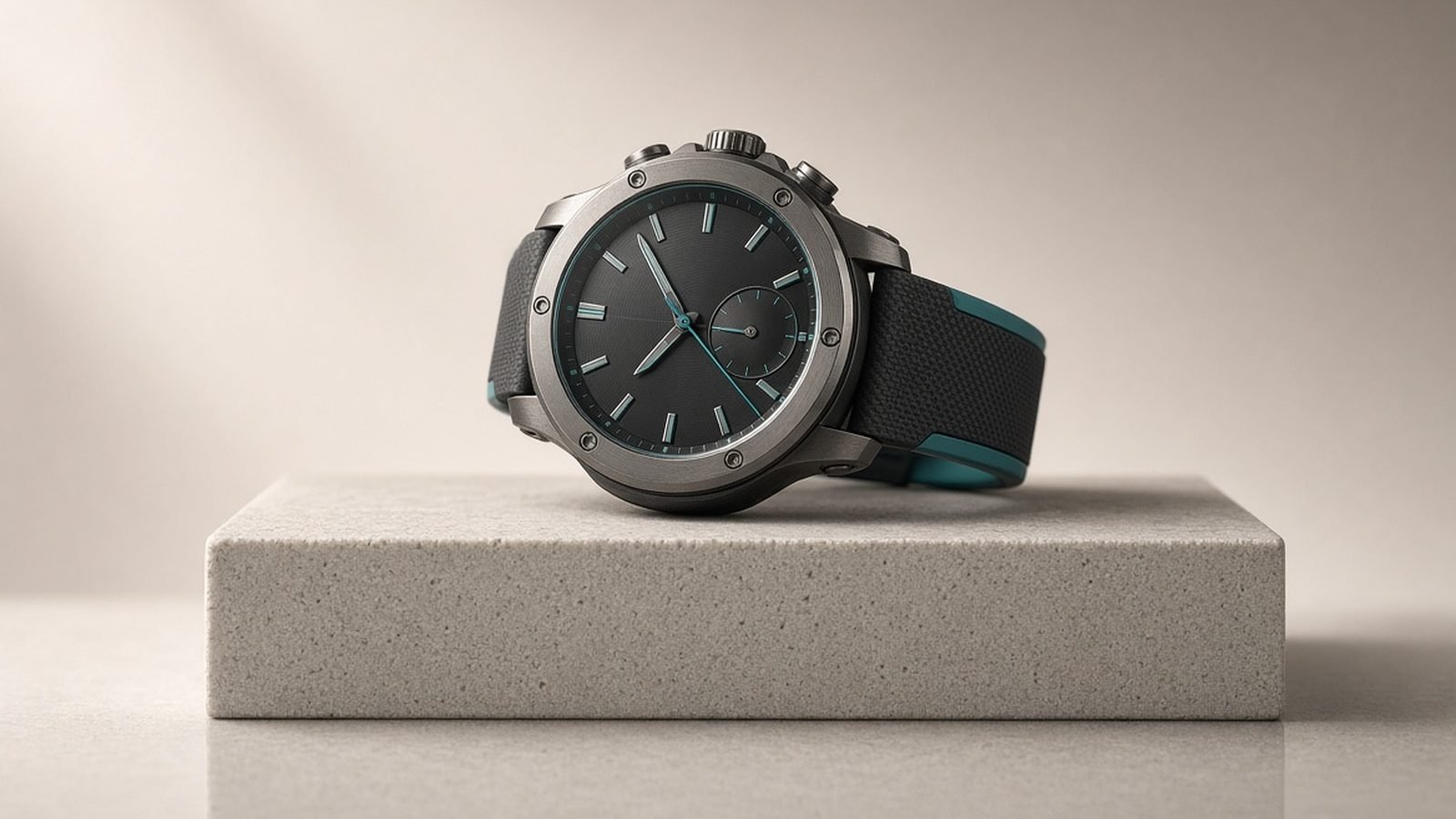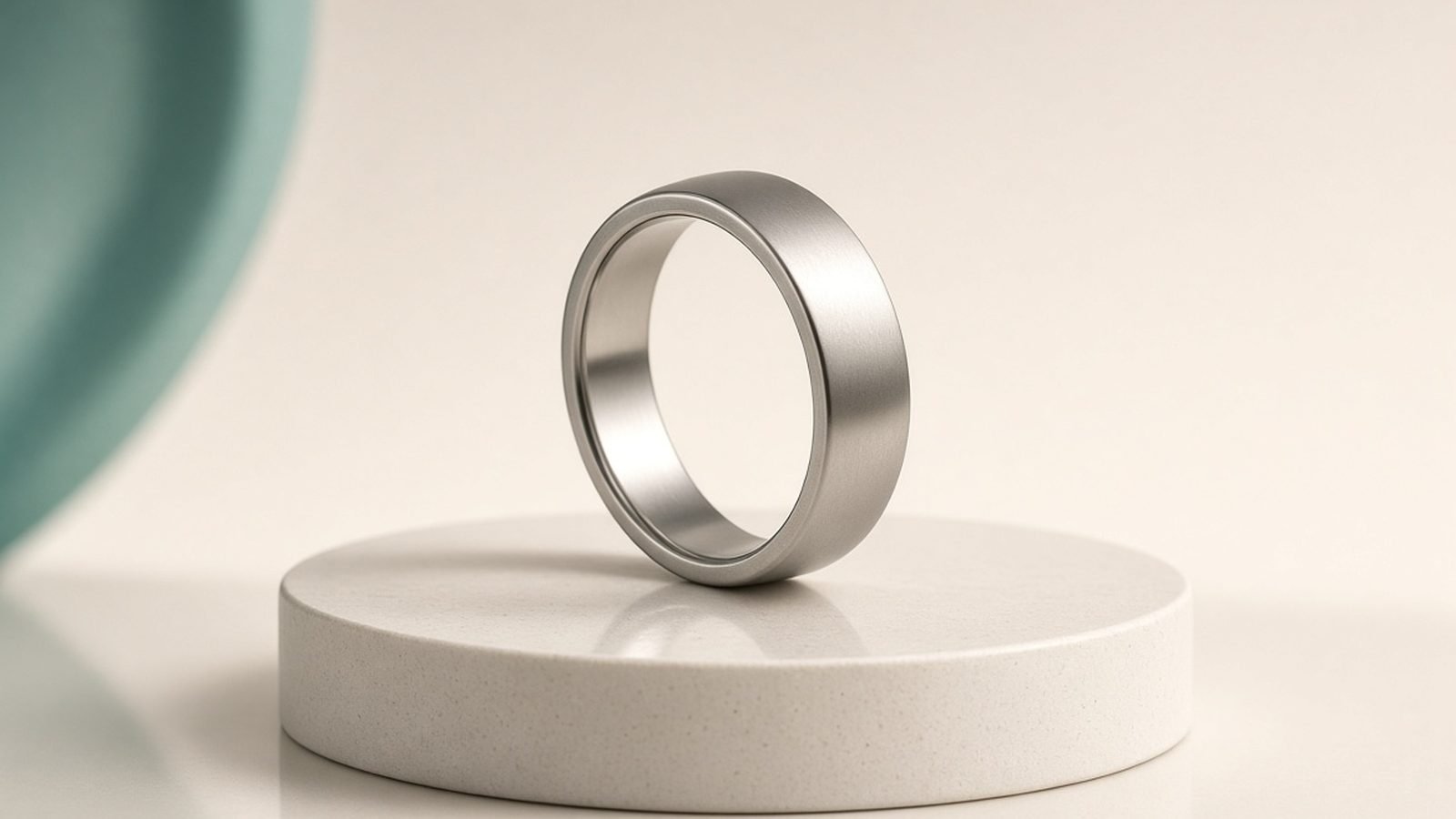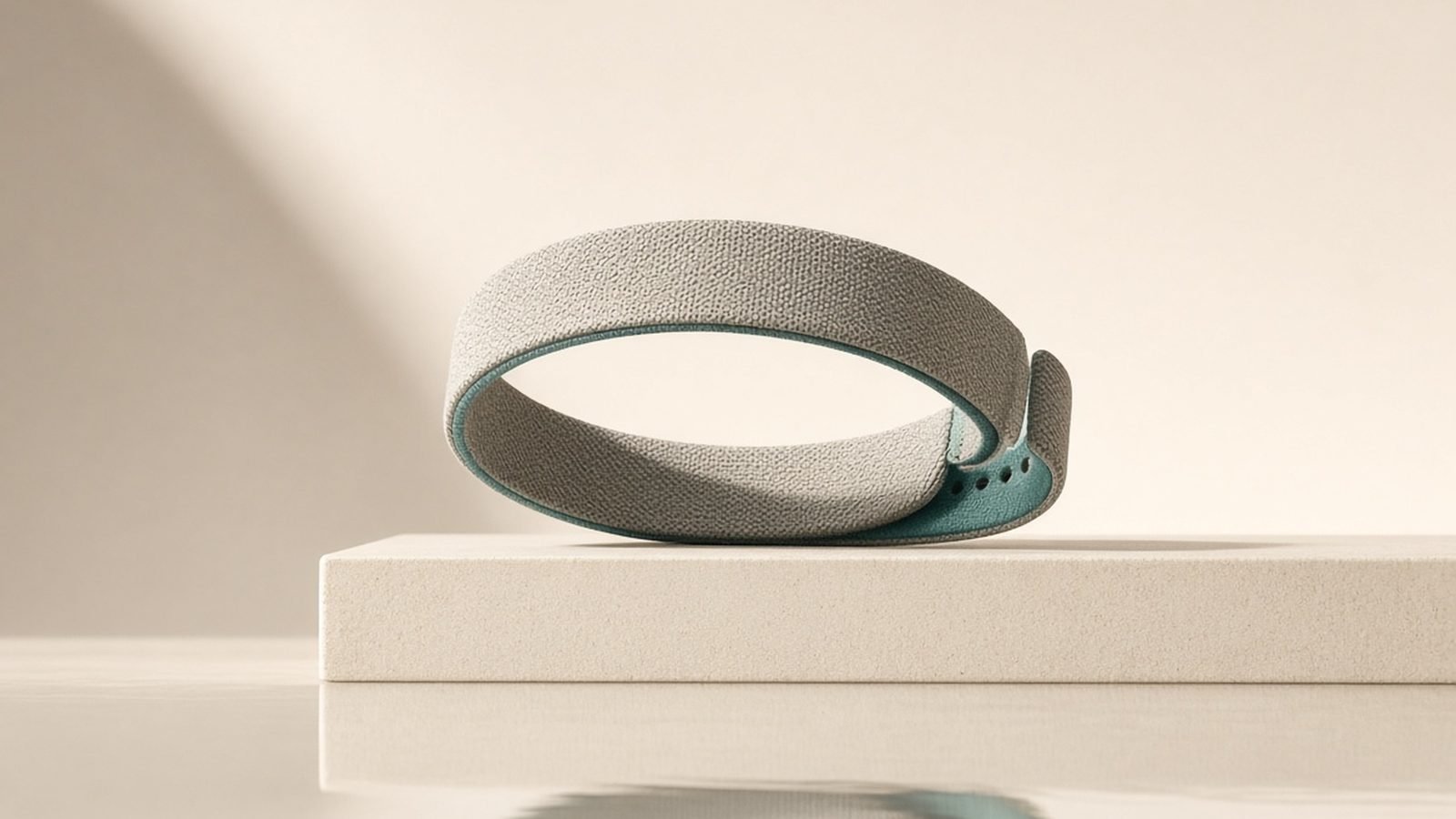
Most fitness trackers ask you to pay once and forget. Whoop asks you to pay forever. That single fact shapes everything in this Whoop 5.0 review — because the screenless band on your wrist is technically free, but the membership behind it never stops billing. So the real question isn’t whether the hardware is good (it is). It’s whether the coaching, recovery science and new Healthspan features justify a subscription you’ll still be paying in 2029.
We’ve spent this review digging into the specs, the membership tiers and aggregated owner feedback to answer the only thing that matters: is Whoop worth it for you, or are you better off buying a Garmin, an Oura Ring or an Apple Watch once and walking away?
Verdict: who Whoop 5.0 is really for
Whoop 5.0 is built for people who train hard and want to be told when to back off. If you’re a runner, lifter, endurance athlete or someone rebuilding sleep habits, the daily Recovery score is genuinely behaviour-changing. It’s a coach, not a gadget.
It is emphatically not for casual users who just want step counts and a watch face. There’s no screen, no notifications, no “10,000 steps” dopamine hit — and the app can feel like information overload if you’re not chasing performance. For those people, a cheaper one-time purchase makes more sense.
Buy Whoop 5.0 if: you’ll actually act on recovery and strain data, and you value a comfortable screenless band over a smartwatch.
Skip it if: you want a one-time purchase, on-wrist metrics, or simple casual tracking.
Pricing decoded: One vs Peak vs Life memberships (US/UK)
Here’s where most buyers get confused. You don’t buy the hardware — you buy a membership, and the band is included. There are three tiers, and your Whoop membership cost determines which device and features you get.
| Membership | Price (US) | Price (UK) | Device | Standout features |
|---|---|---|---|---|
| One | around $199/yr | around £169/yr | Whoop 5.0 | Recovery, strain, sleep, Healthspan |
| Peak | around $239/yr | around £229/yr | Whoop 5.0 | Adds advanced Healthspan, Health Monitor, stress tracking |
| Life | around $359/yr | around £349/yr | Whoop MG | Adds FDA-cleared ECG, AFib screening, beta blood-pressure insights |
The band ships free with any tier, and hardware upgrades are included as long as you stay subscribed. Annual billing is far cheaper than monthly, so the headline prices assume you commit for a year. Prices confirmed against Whoop’s official plans in 2026.
Most people should start with One. Peak is for data obsessives; Life is for those who specifically want medical-grade heart features (more on that below).
Hardware: 14-day battery and the 7% smaller sensor
This is the generational leap. Whoop 5.0 battery life now stretches to 14+ days on a charge, up from roughly five days on the 4.0. That’s a genuine quality-of-life upgrade — you charge it fortnightly using the slide-on battery pack, so the band never leaves your wrist.
The sensor package is about 7% smaller than the previous generation, which makes it more comfortable under a watch strap or shirt cuff. Sampling has improved too, with faster sensor readings feeding more granular heart-rate and blood-oxygen data. It’s water-resistant for showers and swims, and the fabric bands remain the most genuinely wearable-in-your-sleep design on the market.
No screen, no buttons, no distractions. If you hate feeling a watch on your wrist at night, this is the trade-off Whoop nails.
Recovery, strain and sleep scoring in daily training
The core loop hasn’t changed, because it works. Every morning Whoop gives you a Recovery score (red, yellow, green) built from heart-rate variability, resting heart rate, respiratory rate and sleep. Green means push; red means rest. Based on owner reports, this is the single feature that keeps people subscribed for years.
Strain measures cardiovascular load on a 0–21 scale across the whole day, not just workouts — so mowing the lawn or a stressful commute counts. Sleep tracking breaks down stages, sleep debt and a sleep-need target, and the coaching nudges are specific rather than generic.
In practice, the value is behavioural. Seeing a red recovery after two glasses of wine or a late night makes the cost of those choices concrete. That’s the psychology Whoop sells, and for motivated users it lands.
Healthspan and Whoop Age: gimmick or genuinely useful?
Let’s get the Whoop Healthspan explained clearly, because it’s the headline 2026 feature. Healthspan produces a “Whoop Age” — an estimate of your physiological age versus your calendar age — and a “Pace of Aging” figure showing whether you’re ageing faster or slower than one year per year.
It’s built from nine metrics including VO2 max, resting heart rate, sleep consistency, steps and lean body mass. The output is a motivating, gamified number that tells you which habits are dragging your physiological age up.
Is it a gimmick? Partly — the underlying “biological age” science is still maturing, so treat the exact number with healthy skepticism. But as a directional nudge toward better sleep, more zone-2 cardio and consistency, it’s genuinely useful. Just don’t mistake it for a medical diagnosis.
Whoop 5.0 vs Whoop MG: do you need ECG and blood pressure?
The big upsell decision is Whoop 5.0 vs Whoop MG. The MG (“Medical Grade”) band comes only with the Life membership and adds real clinical features via a conductive clasp: FDA-cleared ECG for on-demand heart-rhythm readings, AFib screening, and beta blood-pressure insights.
For most healthy athletes, this is overkill. The ECG and AFib tools matter if you have a family history of arrhythmia, palpitations or a doctor who wants the data — otherwise you’re paying roughly $120/yr extra for features you’ll rarely open. The blood-pressure insights are explicitly labelled beta and require calibration, so don’t buy the MG expecting a cuff replacement.
Whoop MG pros and cons
Pros: FDA-cleared ECG, AFib notifications, blood-pressure insights, same great band and battery. Cons: steep annual cost, medical features are niche, blood pressure still in beta.
Bottom line: Get the MG only if the heart-health features are the reason you’re buying. Everyone else should save the money and choose One or Peak.
Accuracy vs chest strap and Oura: what the evidence shows
In our research — drawing on independent reviewers’ measurements and aggregated owner reports — Whoop’s optical heart rate tracks impressively close to a chest strap for steady-state cardio, and the wider band with improved sensors helps during weight training — historically the weakness for wrist optical sensors. It still lags a dedicated chest strap during high-intensity intervals with rapid HR swings, as all wrist devices do. If lab-grade accuracy is non-negotiable, pair Whoop with a strap for hard sessions.
Against the Oura Ring, sleep-stage estimates land in a similar ballpark, with Whoop edging ahead on strain and workout tracking and Oura winning on discreet all-day comfort. Neither is a medical device for sleep staging — see Whoop vs Oura in 2026: Which Recovery Wearable Wins? for the full head-to-head and What Is a Good HRV? Heart Rate Variability Explained to understand the HRV numbers driving both.
The subscription math after year one: is Whoop worth it?
This is the section that answers is Whoop worth it honestly. Whoop looks cheap on day one because the hardware is free — but a wearable you pay for once can be dramatically cheaper over three years. Here’s the real cost of ownership.
| Device | 3-year total cost | Ongoing after year 1 |
|---|---|---|
| Whoop 5.0 (One) | around $597 / £507 | around $199/yr forever |
| Whoop 5.0 (Peak) | around $717 / £687 | around $239/yr forever |
| Oura Ring (Gen 4) | around $450 / £430 | around $70/yr (£6/mo) |
| Garmin (mid-range) | around $450 / £430 | $0 |
| Apple Watch (SE/9) | around $400 / £400 | $0 |
The takeaway is stark. Over three years, Whoop One costs more than a Garmin or an Apple Watch bought outright — and the gap only widens in year four and beyond. Whoop only makes financial sense if you’ll genuinely use the coaching every week. If the band ends up in a drawer, you’re still paying.
For the whoop vs apple watch buyer specifically: the Apple Watch is a general-purpose smartwatch with a screen, apps and no subscription; Whoop is a specialist recovery tool. They’re not really rivals — they’re different philosophies. See Best Fitness Trackers 2026: Bands That Beat Smartwatches and Best Sleep Trackers 2026: Rings, Bands & Watches Ranked to compare the wider field.
FAQ
Is Whoop 5.0 good for beginners?
Whoop for beginners is a mixed bag. The Recovery score is dead simple to read — green, yellow, red — but the app’s depth and the lack of a screen or step-count can overwhelm casual users. If you’re new to training and just want motivation to move more, a screen-based tracker is friendlier. If you’re a committed beginner ready to learn, Whoop teaches good habits fast.
What’s the real Whoop membership cost long-term?
The Whoop membership cost is around $199/yr (£169) for One, $239/yr (£239) for Peak and $359/yr (£349) for the MG-equipped Life tier. Annual billing is cheapest. Crucially, it never ends — budget for it as an ongoing subscription, not a one-off. Over three years that’s roughly $600+ for the entry tier.
How accurate is Whoop 5.0 battery life in practice?
Whoop rates the 5.0 at 14+ days, and owner reports broadly back that up for typical use, though heavy workout tracking and frequent syncing shorten it. That’s a huge jump from the 4.0’s ~5 days. You recharge via a slide-on pack without removing the band, so real-world uptime feels close to continuous.
Do I need the Whoop MG’s ECG and blood pressure?
Only if heart health is your reason for buying. The Whoop 5.0 vs Whoop MG decision comes down to whether FDA-cleared ECG and AFib screening matter to you personally. For healthy athletes they’re rarely used, and the blood-pressure feature is still in beta. Most people should choose One or Peak and save the money.
Is Whoop worth it versus a one-time purchase?
If you’ll act on the data weekly, yes — the coaching is best-in-class. If you’re unsure you’ll stay engaged, a Garmin, Oura or Apple Watch bought outright is cheaper over three years and carries no forever-subscription. Be honest about your habits before committing.
Zen Tech Hub may earn a commission from links on this page, at no extra cost to you.