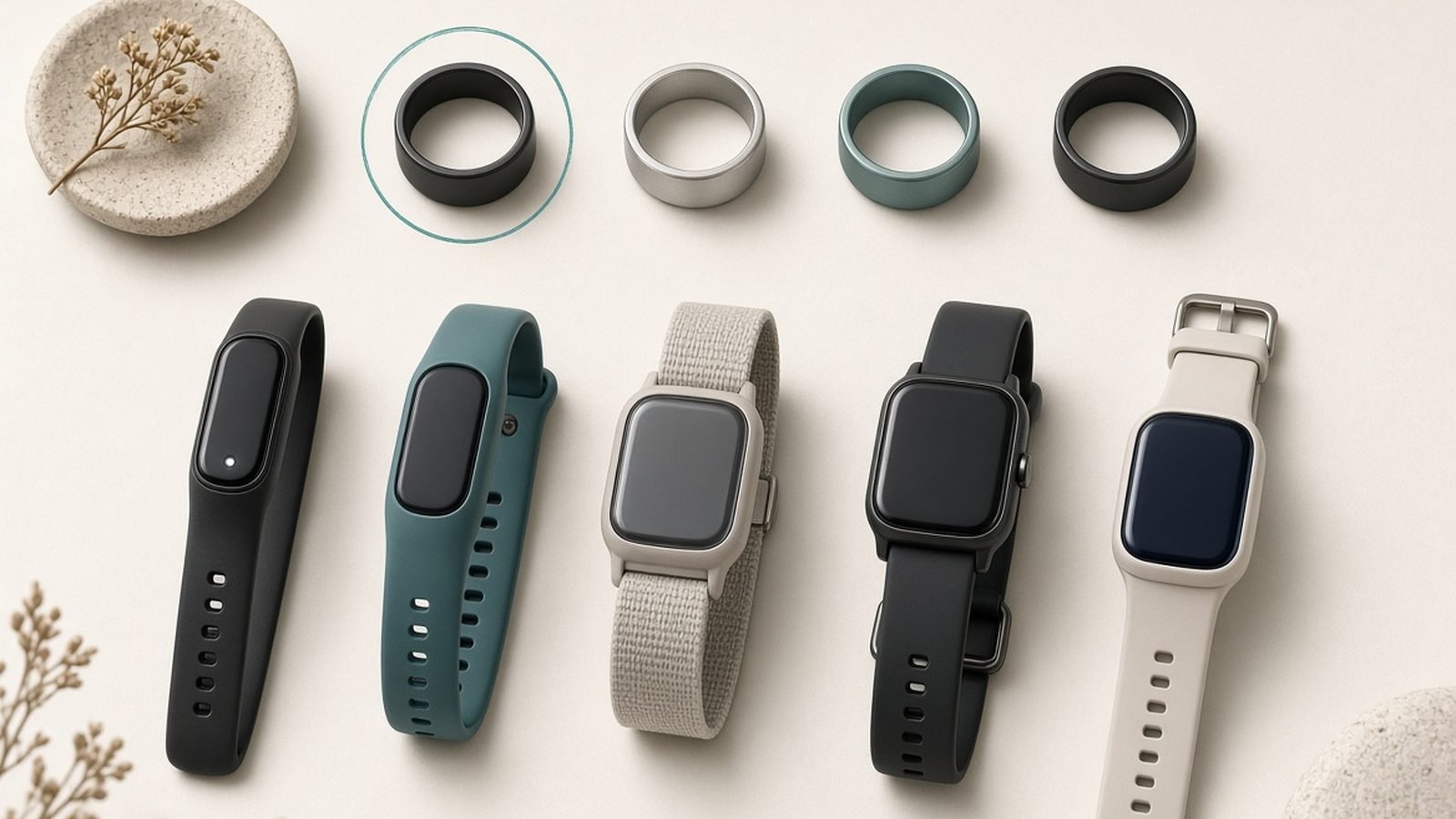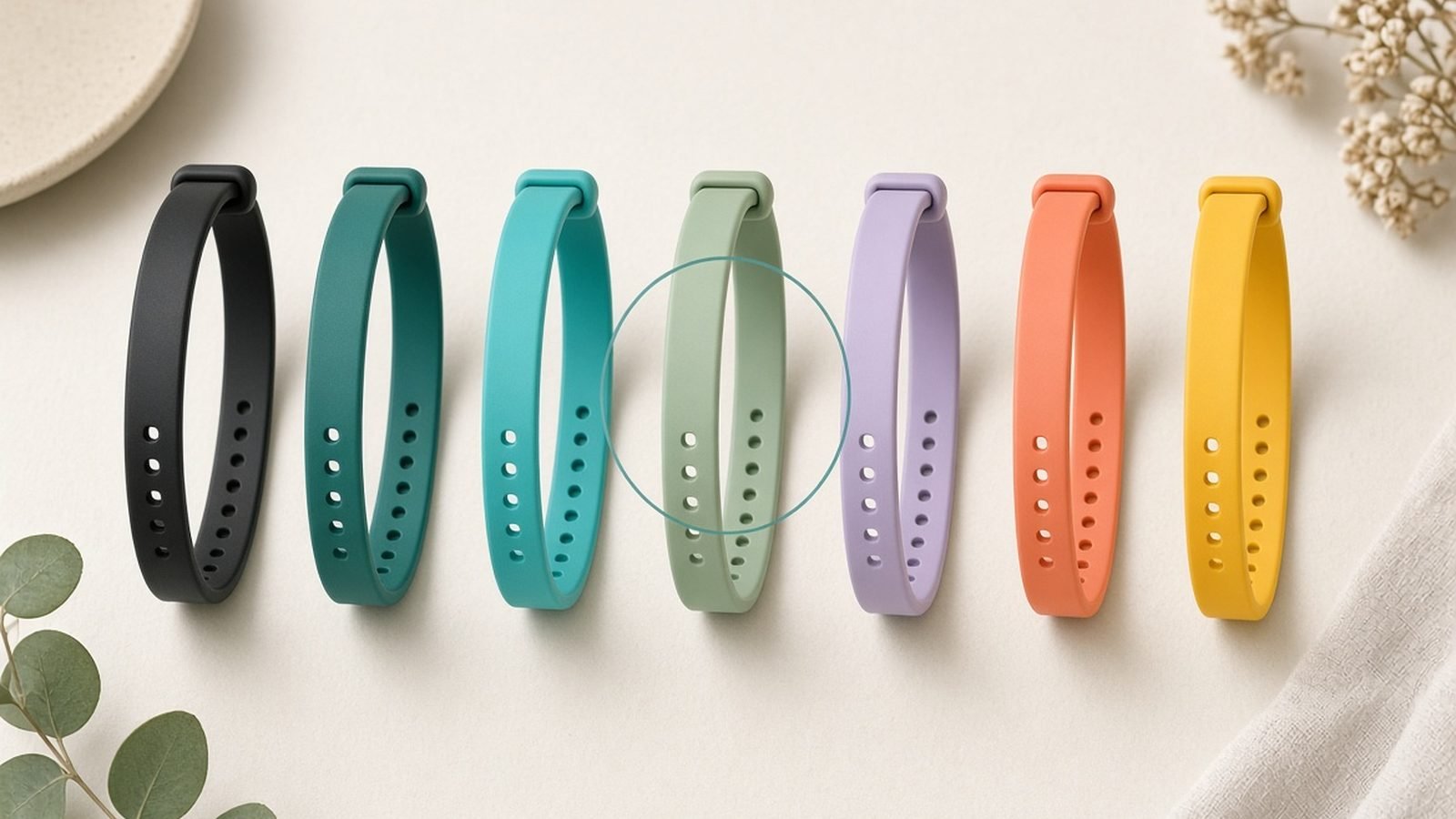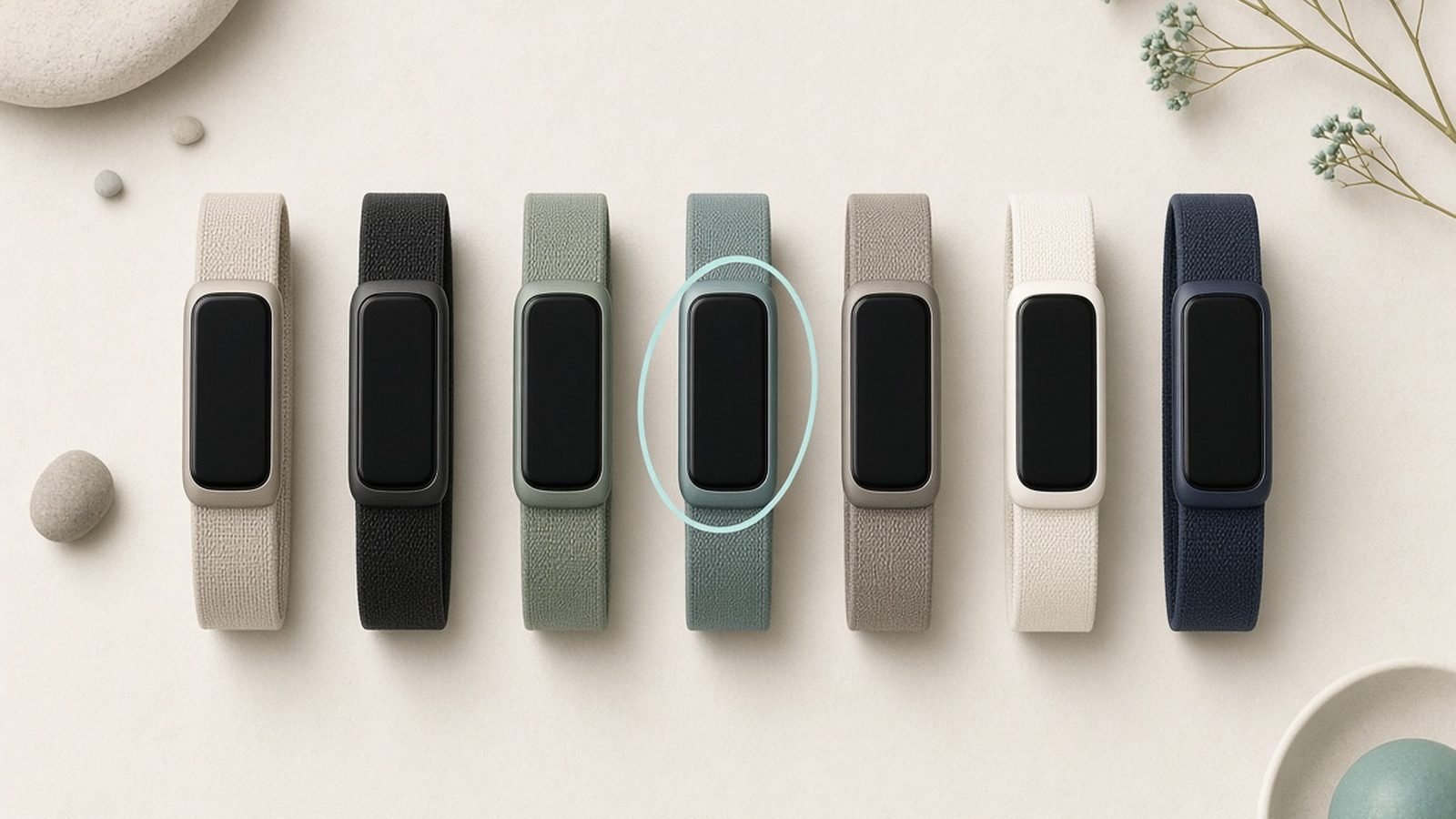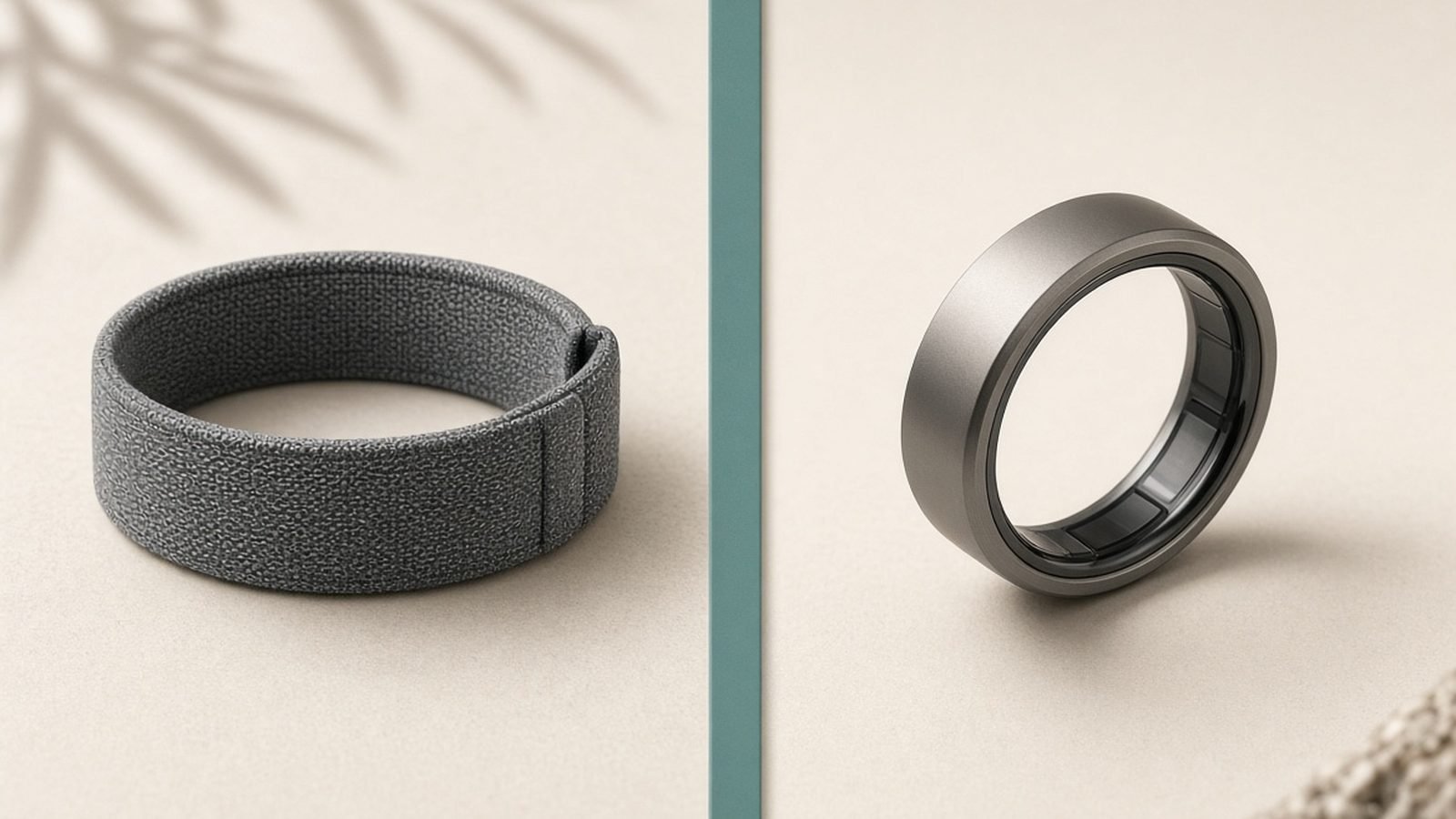
The whoop vs oura debate has quietly become the most important question in the recovery-wearable world. Neither device shows you texts. Neither counts as a smartwatch. Both exist to answer one question every morning: how hard should you push today? But they answer it in completely different ways — one a screenless band built around training strain, the other a titanium ring built around sleep and quiet all-day wear.
We’ve dug through the specs, the subscription fine print and aggregated owner feedback for both the Whoop 5.0 and the Oura Ring 4. Here’s the honest breakdown, including who each one is actually for.
Quick verdict by user type
Serious athletes and lifters: Whoop 5.0. Strain coaching and training-load features are built for people who train hard and want to periodize recovery.
Sleep-first and everyday wellness users: Oura Ring 4. The best sleep tracking in the category, wrapped in something that looks like jewelry.
You hate charging things: Whoop’s 14-day battery and on-the-wrist charging pod win.
You want zero visible tech: Oura. Nobody knows it’s a health tracker.
Whoop vs Oura at a glance
| Feature | Whoop 5.0 | Oura Ring 4 |
|---|---|---|
| Form factor | Screenless wrist band | Titanium smart ring |
| Price model | Membership only (hardware included) | Hardware + monthly subscription |
| Starting price | Around $199 / £169 per year | Around $349 / £349 + $5.99 / £5.99 per month |
| Battery life | Up to 14 days | Up to 8 days |
| Best for | Strain, training load, athletes | Sleep, readiness, discreet wear |
| Gym heart rate | Stronger (arm/wrist sensor) | Weaker during lifting |
| Daytime discretion | Moderate | Excellent |
Check price: Whoop 5.0 Check price: Oura Ring 4
What each actually is: band vs ring philosophies
The Whoop 5.0 is a screenless fabric band you wear on your wrist (or bicep). There’s no clock, no notifications, nothing to tap. Everything lives in the app. Its whole design philosophy is continuous physiological monitoring for people who train — heart rate, heart-rate variability (HRV), respiratory rate and skin temperature, sampled constantly and turned into a daily Strain and Recovery model.
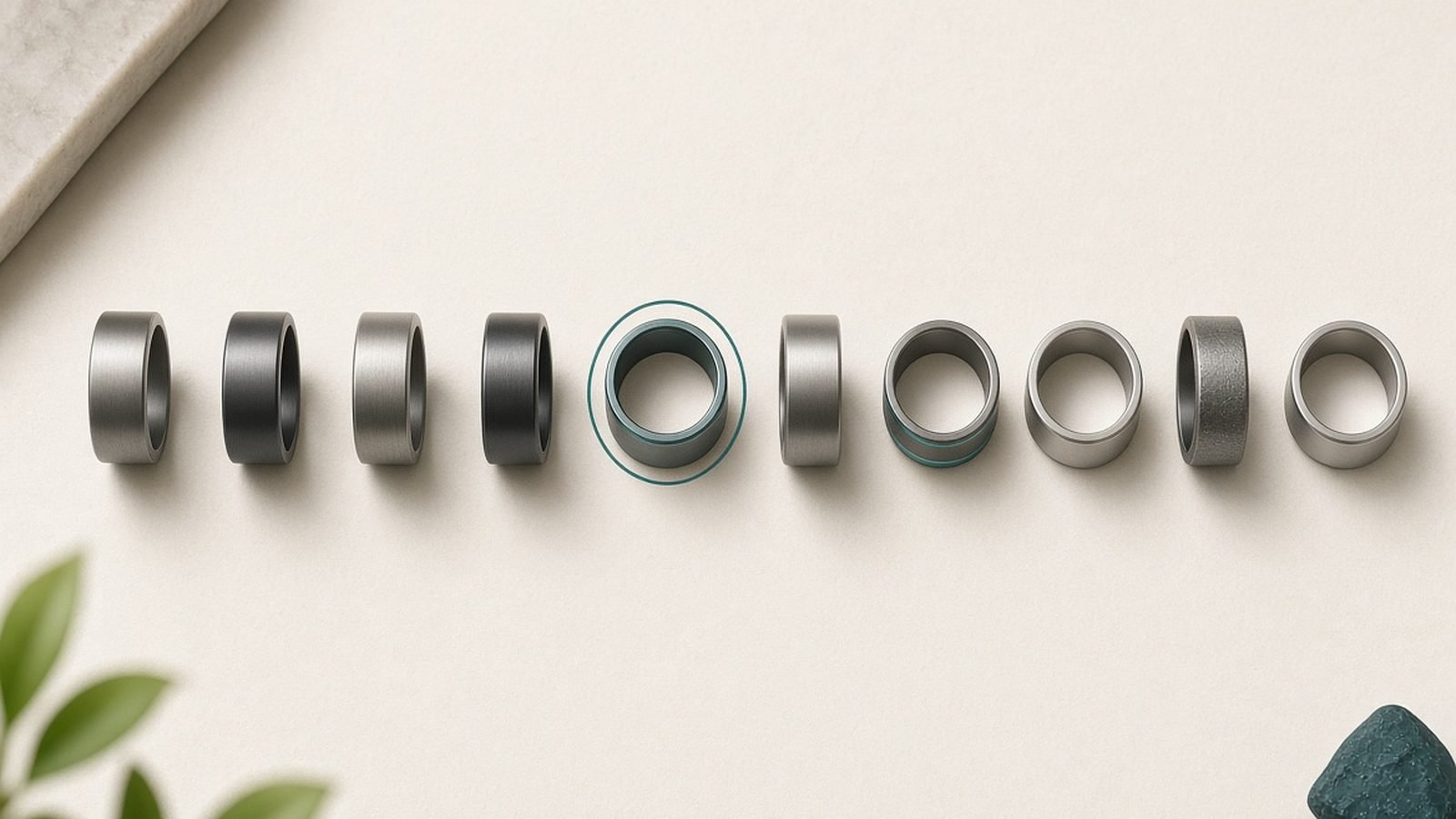
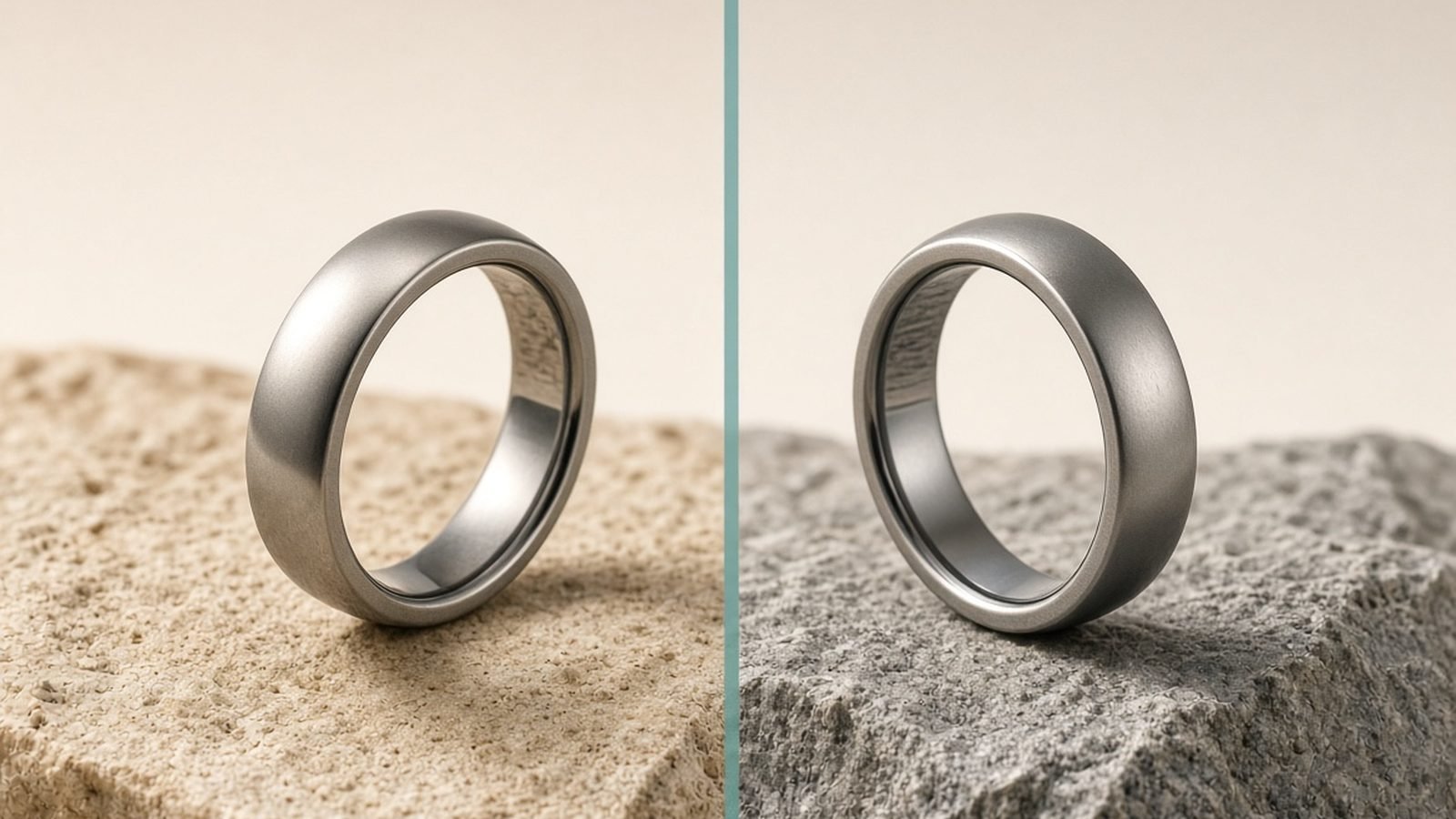
The Oura Ring 4 takes the opposite view. It’s a piece of titanium jewelry that happens to house sensors on the inside of the band, sitting against the arteries in your finger. That location gives it a cleaner nighttime signal and makes it genuinely invisible in daily life. Its philosophy is “know yourself” — sleep, readiness and long-term trends rather than in-the-moment workout coaching.
Both lean heavily on HRV as their core signal, so if that term is new to you, our What Is a Good HRV? Heart Rate Variability Explained explainer is worth a read before you buy.
Pricing: two subscription models compared (US/UK)
This is where the whoop vs oura cost comparison gets interesting, because the two brands charge in fundamentally different ways.
Whoop is membership-only. The hardware is bundled into the subscription. Plans start at around $199 / £169 per year for the entry tier, with pricier tiers adding a longer-battery pack and advanced health features. There’s no separate device fee — cancel and the band stops working.
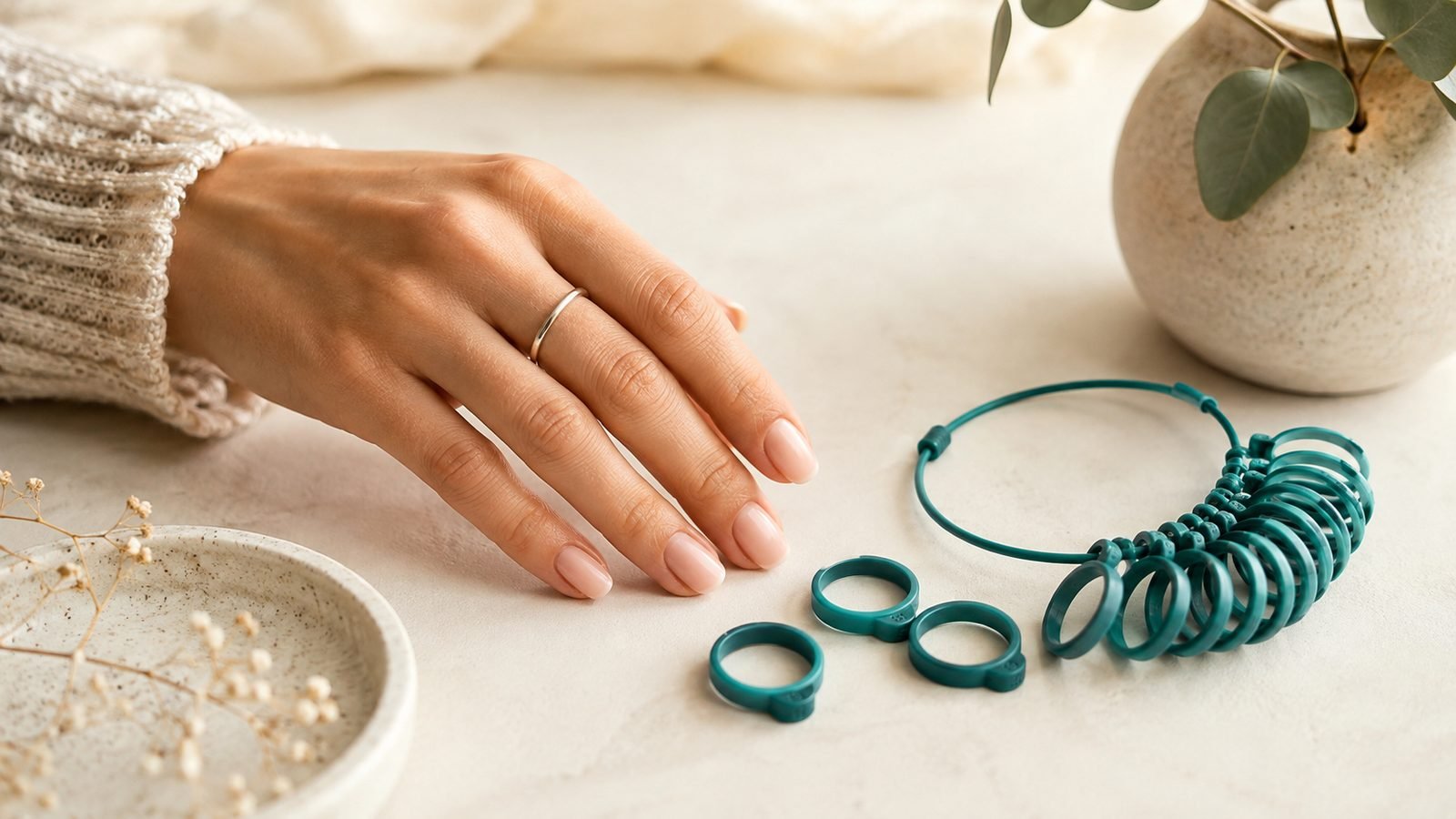
Oura splits the cost. You buy the ring outright — from around $349 / £349, more for premium finishes — and then pay roughly $5.99 / £5.99 per month for the membership that unlocks scores and insights. Without the subscription you get only bare sensor data.
Over three years the two land surprisingly close. Whoop’s entry plan runs about $597; an Oura Ring 4 plus 36 months of membership is roughly $565 before any finish upgrade. Whoop bundles hardware refreshes into some tiers; Oura’s ring is a one-time purchase you keep. For a fuller cost breakdown across the category, see our Best Smart Rings 2026: Oura, Galaxy Ring & Cheaper Rivals roundup.
Sleep tracking head-to-head
If sleep is your priority, this is the section that decides it. The question of whoop or oura for sleep has a fairly clear answer in our research: Oura leads.
The Ring 4’s finger placement gives it a strong, stable pulse signal overnight with less motion noise than a wrist band. Based on owner reports and independent comparisons, Oura’s sleep-stage breakdown and its overnight temperature trends (useful for illness and cycle tracking) are consistently rated among the best available — which is why it anchors our Best Sleep Trackers 2026: Rings, Bands & Watches Ranked guide.
Whoop is no slouch. Its sleep tracking is detailed, and its Sleep Coach tells you exactly when to go to bed to hit a recovery target — a genuinely useful feature Oura doesn’t frame as directly. But for raw sleep-staging quality and comfort in bed, the ring edges it.
Winner: Oura, for accuracy and comfort. Whoop wins if you want prescriptive “go to bed now” coaching.
Recovery and strain vs readiness scoring
Both give you a single morning number, but they mean different things.
Whoop produces a Recovery score (0–100%, colour-coded) and pairs it with Strain, a 0–21 measure of cardiovascular load across the day. The magic is the loop: Strain tells you how hard you went, Recovery tells you how ready you are, and the app coaches you to match effort to readiness. For anyone managing training load, it’s the more actionable system.
Oura gives you a Readiness score built from sleep, HRV, resting heart rate and temperature. It’s excellent at flagging when you’re run down, fighting something off, or under-slept — often before you feel it. What it doesn’t do well is quantify how demanding a specific workout was.
If you want a deeper look at how Whoop models this, our Whoop 5.0 Review 2026: Is the Subscription Worth It? goes further. As a recovery tracker comparison: Whoop is proactive coaching, Oura is holistic readiness.
Workout tracking and heart rate accuracy
Here the roles reverse. On whoop vs oura accuracy during exercise, Whoop is the stronger performer — and the gap matters most in the gym.
A ring on your finger struggles during weight training. Gripping a barbell, dumbbell or pull-up bar compresses blood flow and throws off the optical sensor, so whoop vs oura for weight lifting favours Whoop clearly. Whoop’s wrist or bicep placement, plus the optional armband, holds a much steadier heart-rate signal under load. For lifters and interval athletes, that reliability is the whole point.
Oura added automatic activity detection and improved workout heart rate in the Ring 4, and for steady cardio like walking, running or cycling it’s respectable. But for anything grip-intensive or high-intensity, owner reports still point to dropped or laggy readings. On whoop vs oura for athletes, Whoop remains the training tool; Oura is the recovery companion.
Winner: Whoop, comfortably, for gym and high-intensity work.
Comfort, battery and daily living
Battery is a real quality-of-life factor. Whoop’s band lasts up to 14 days and charges via a slide-on pack while you keep wearing it — you never take it off. Oura lasts up to 8 days and charges on a small dock in an hour or so, meaning a brief nightly or morning gap.
For comfort, it’s personal. The ring is featherlight and vanishes in a suit sleeve or on a date; some people find any ring annoying while typing or lifting. The band is soft but visible, and a few owners dislike wearing something on the wrist 24/7. If discretion matters, Oura wins outright.
Which should you choose?
Choose the Whoop 5.0 if you train seriously, lift, or do high-intensity work and want strain-versus-recovery coaching that tells you how hard to go. The 14-day battery and never-take-it-off charging are a bonus.
Pros: best-in-class strain and training-load coaching; excellent gym HR accuracy; 14-day battery; hardware included in membership. Cons: subscription-locked forever; visible on the wrist; overkill for non-athletes.
Choose the Oura Ring 4 if sleep, recovery and discreet all-day wear are your priorities and you don’t need precise gym heart rate. It’s the better everyday wellness device for most people.
Pros: best sleep tracking; invisible jewelry design; strong readiness and temperature trends; you own the hardware. Cons: weak HR during lifting; ring plus ongoing subscription; shorter battery.
Still comparing categories? Our Wearables pulls together every recovery and fitness device we cover.
FAQ
Is Whoop or Oura more accurate? It depends on the metric. In our research, Oura is more accurate for sleep staging and resting overnight data thanks to its finger placement. Whoop is more accurate for exercise heart rate, especially during weight lifting and high-intensity work, where a finger ring’s signal degrades. Neither is a medical device, but both track HRV trends reliably.
Which is cheaper over time, Whoop or Oura? They’re closer than they look. Whoop’s entry membership is around $199 / £169 per year with hardware included. Oura is roughly $349 / £349 upfront plus about $5.99 / £5.99 monthly. Over three years both land near $565–600, so pick on features and form factor rather than price alone.
Can I use Oura without the subscription? Not meaningfully. Without the membership you lose Readiness, Sleep and Activity scores and most insights — you’re left with raw, largely unusable data. Whoop is subscription-only too: cancel and the band stops functioning. Both brands require an active plan to be worth wearing.
Which is better for athletes and lifters? Whoop, clearly. Its Strain-versus-Recovery model is built for periodizing training, and its wrist or armband sensor holds heart rate under load far better than a ring. Serious lifters and interval athletes should choose Whoop; Oura suits athletes who mainly want a discreet recovery and sleep monitor.
Can you wear both at once? You can, and some data-obsessed users do — Whoop for daytime strain, Oura for sleep. But paying two subscriptions is hard to justify for most people. Decide whether your goal is training performance (Whoop) or holistic recovery and sleep (Oura), and commit to one.
Zen Tech Hub may earn a commission from links on this page, at no extra cost to you.