Leica is the most storied name in photography and, in 2026, still one of the finest — a maker of jewel-like German cameras and legendary lenses that many photographers consider the pinnacle of the craft. Its rangefinders, fixed-lens compacts and lenses deliver a rendering, build quality and shooting experience nothing else quite replicates. The obvious catch is price: Leica charges a substantial premium, and on pure specs-per-dollar it is thoroughly beaten by Sony, Canon and Nikon. Leica is a deliberate, emotional, luxury choice — superb for those who want it, hard to justify on value alone.
Verdict: The luxury benchmark for build, lenses and the shooting experience. Best for enthusiasts and professionals who value craft and rendering over specs and price; the main caveat is cost that far exceeds the technical spec sheet.
Company overview
Leica Camera AG is a German company headquartered in Wetzlar, tracing its lineage to Ernst Leitz and the pioneering 35mm cameras of the 1910s and 1920s that helped invent modern photojournalism. It is majority-owned by the Blackstone-linked Salome / ACM family-office structure associated with Andreas Kaufmann, who led its turnaround, and it maintains a long-running technology partnership with Panasonic and, more recently, camera-phone collaborations with smartphone makers. It is a small, focused, premium manufacturer rather than a mass-market electronics giant.
In plain terms, Leica’s reputation is one of prestige, heritage and genuine optical excellence — tempered by a reputation for extreme pricing and, among skeptics, accusations of selling a red-dot logo as much as a camera. Both readings hold some truth. Leica lenses are legitimately among the best made, its cameras are built to a standard rivals don’t attempt, and the ownership experience is deliberately special. Equally, you pay dramatically more than the sensor and feature set alone would command, and Leica leans on exclusivity and brand as part of the product. Buyers should go in clear-eyed about which of those they are paying for.
What Leica makes
Leica’s range is small, deliberate and premium:
- M-series rangefinders — manual-focus digital and film rangefinder cameras, the heart of the brand, prized for their optical viewfinders and deliberate shooting style.
- Q-series fixed-lens compacts — full-frame cameras with a fixed prime lens, widely seen as Leica’s most approachable and recommendable line.
- SL-series mirrorless — autofocus full-frame mirrorless bodies sharing the L-mount with Panasonic and Sigma.
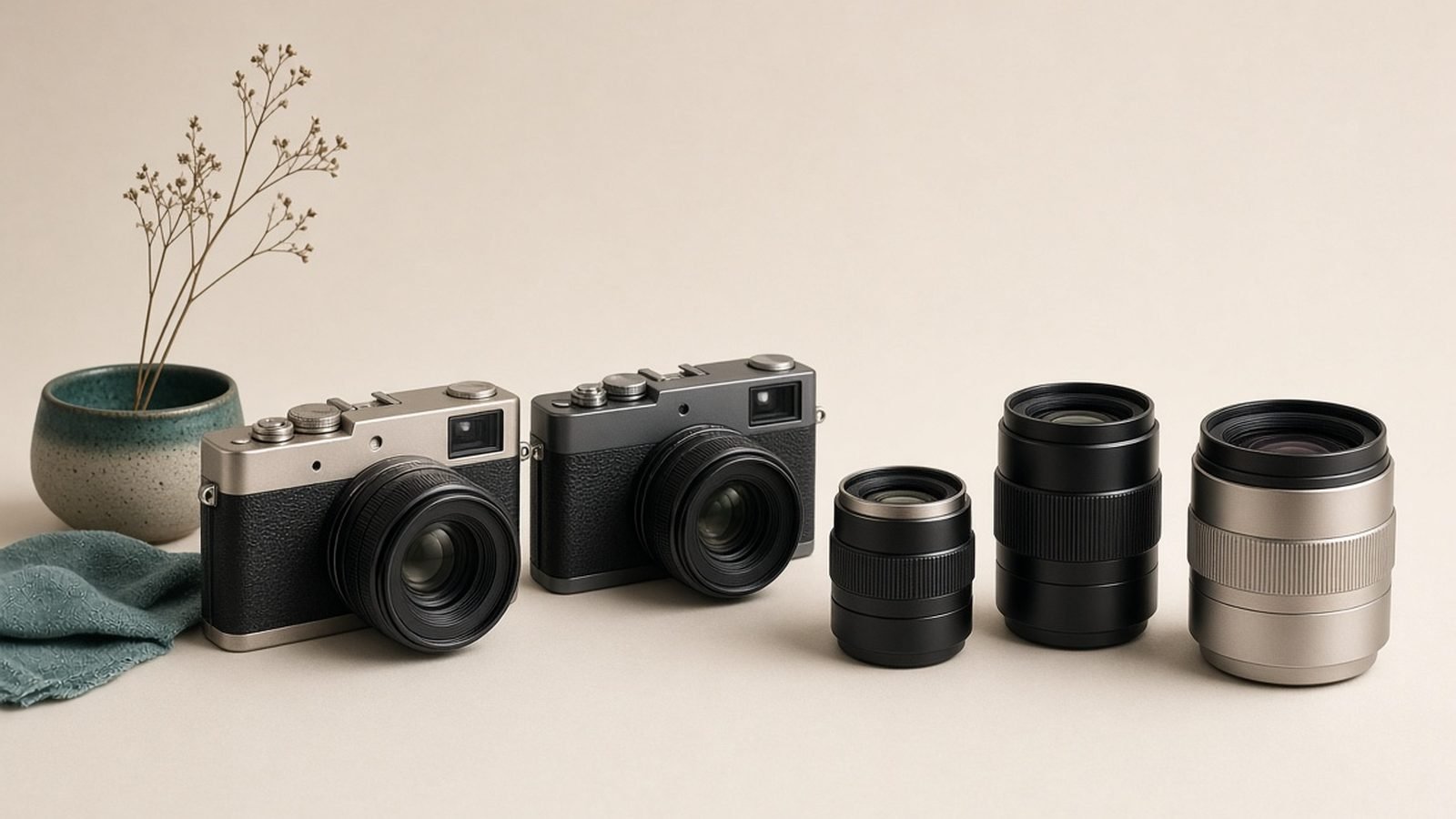
- Leica lenses — legendary M, SL and TL optics renowned for rendering, micro-contrast and build, plus historically influential designs.
- Compact and instant cameras, and smartphone partnerships — smaller D-Lux/C-Lux compacts and co-branded phone camera systems that extend the look to other devices.
The unifying thread is optical quality, tactile build and a distinctive rendering rather than headline specs.
Standout Leica products in 2026
The product that best represents Leica for most buyers is the Leica Q3, a full-frame fixed-lens compact that anchors much of our Best Mirrorless Cameras 2026: Full-Frame & APS-C and premium-compact coverage. Based on published specs, its high-resolution sensor, superb fixed prime and beautifully machined body deliver the Leica rendering and experience in a comparatively usable, autofocus package — the model most often recommended to someone buying their first Leica.
Across the rest of the range:
- Leica M11 — the flagship digital rangefinder, the purest expression of the brand’s manual, deliberate shooting philosophy.
- Leica SL-series — L-mount autofocus mirrorless bodies for those who want Leica build with modern autofocus, and which pair with a wide L-mount lens ecosystem.
- Leica M and SL lenses — the optics that define the brand, sought after even by photographers using other bodies via adapters.
- D-Lux / co-branded compacts — smaller, more affordable ways into the Leica look.
Here is the flagship most first-time Leica buyers gravitate to:
Strengths
Optical excellence. Leica lenses are genuinely among the finest made, prized for rendering, micro-contrast, out-of-focus quality and edge-to-edge sharpness. This is not marketing — it is the brand’s deepest technical achievement.
Build quality and materials. Leica bodies are machined from metal to a standard rivals rarely attempt, with a density and tactility that feel like precision instruments and tend to age gracefully.
The shooting experience. Especially with the M rangefinders, Leica offers a deliberate, minimalist way of shooting that many photographers find deeply engaging and creatively focusing — fewer menus, more intention.
Timeless design and longevity. Leica cameras are famously durable and hold their value well, with a design language that has stayed coherent for decades and a strong used and collector market.
Heritage and rendering signature. There is a recognizable Leica “look,” and the brand’s history in photojournalism and street photography gives its tools genuine cultural weight.
Weaknesses & criticisms
Extreme pricing. This is the defining criticism. Leica bodies and lenses cost far more than technically comparable — often more capable — gear from Sony, Canon and Nikon. On specs per dollar, Leica loses decisively, and much of the premium is heritage, build and exclusivity.
Feature and autofocus gaps. Many Leica cameras lag mainstream rivals on autofocus speed, video features, burst rates and computational tricks. The M-series is manual-focus by design, which is a barrier for many uses.
Value hard to justify rationally. For most photographers, the same money buys dramatically more capability elsewhere. Leica only makes sense once you decide you want the experience and rendering specifically, not raw performance.
Small ecosystem and slower iteration. Leica’s lineup is narrow and updates slowly. Native lens choices (especially affordable ones) are limited, though the shared L-mount helps for SL bodies.
“Red dot tax” perception. Some collaborations and rebadged compacts trade heavily on the logo, and critics argue a portion of the price is brand exclusivity rather than engineering — a fair concern buyers should weigh.
Reliability & support
Based on aggregated user feedback, Leica cameras are generally very reliable and exceptionally well-built, with metal construction that tends to outlast the electronics inside. The most common complaints are not about durability but about cost of any out-of-warranty repair, occasional early-run firmware quirks on new digital models, and the practical fragility of very expensive gear you are nervous to use hard. Leica lenses in particular are renowned for lasting decades.
Support reflects the luxury positioning. Leica offers a limited warranty, and its service — including the premium in-house repair and, for some products, extended coverage — is regarded as thorough but expensive and sometimes slow, as befits low-volume, hand-finished products. The brand cultivates a boutique ownership experience, with Leica stores, workshops and a passionate community, which many owners value. Firmware support on digital bodies is steady if not frequent. Net: reliability and longevity are strengths, but service is priced and paced like the luxury product it is, so factor repair costs into ownership.
Who should buy Leica
Buy Leica if you: are an enthusiast or professional who specifically wants the finest build, the distinctive rendering of Leica glass, and a deliberate shooting experience — and for whom price is secondary to craft and satisfaction. The Q3 is the natural entry point; the M-series suits those drawn to manual, rangefinder photography.
Look elsewhere if you: want the most capability, autofocus performance or video features for your money, are on any kind of value-conscious budget, or need fast, spec-driven tools. In that case, compare mainstream full-frame options in our Best Mirrorless Cameras 2026: Full-Frame & APS-C guide, and if smooth video is a priority, see Best Camera Gimbals 2026: Top Picks Compared & Ranked.
FAQ
Is Leica a good brand?
Yes — arguably the finest in build quality and lens rendering. Leica makes some of the best-crafted cameras and lenses in the world, with a shooting experience many photographers cherish. The major caveat is price: Leica costs far more than technically comparable gear, so it suits buyers who value craft and rendering over specs-per-dollar.
Is Leica reliable?
Very. Leica cameras are exceptionally well-built from metal and tend to outlast their own electronics, and Leica lenses are famous for lasting decades. The main downsides are the high cost of out-of-warranty repair and occasional early firmware quirks on new digital bodies rather than any reputation for failure.
Where is Leica from and who owns it?
Leica Camera AG is a German company headquartered in Wetzlar, with a heritage dating to the Ernst Leitz optical works and the birth of 35mm photography. It is a privately controlled premium manufacturer led through its modern turnaround by Andreas Kaufmann’s ownership group, and it maintains long-standing technology partnerships, notably with Panasonic.
Are Leica cameras worth the money?
Rationally, on specs, no — you get more capability from Sony, Canon or Nikon for far less. Emotionally and for craft, many owners say absolutely yes. Leica is a deliberate luxury and rendering choice. It is worth it if you specifically want the build, glass and experience; it is poor value if you are buying on features alone.
Is Leica better than Sony or Canon?
Different goals. Sony, Canon and Nikon beat Leica decisively on autofocus, video, burst speed and price-to-performance. Leica beats them on build quality, lens rendering and the shooting experience, especially with rangefinders. For most working needs the mainstream brands win; for craft and character, Leica appeals. See our Best Mirrorless Cameras 2026: Full-Frame & APS-C guide to compare.
Which Leica should a first-time buyer get?
The Leica Q3 is the usual recommendation: a full-frame fixed-lens compact with autofocus that delivers the Leica rendering and build in an approachable form, without the manual-focus commitment of the M-series. Those drawn specifically to deliberate rangefinder shooting may prefer an M body, accepting the learning curve.
Zen Tech Hub may earn a commission from links on this page, at no extra cost to you.