Seagate is one of the two companies that still make the spinning hard drives most of the world’s data sits on, and for high-capacity storage it remains a genuinely good brand. If you want the cheapest reliable terabytes for a NAS, a backup archive, or a desktop, Seagate’s IronWolf and BarraCuda lines are hard to argue with. The big caveat: Seagate is a hard-drive company first, and its solid-state and portable-SSD offerings are competent rather than class-leading. It also carries a longer memory of reliability controversies than its rival, so model choice matters more here than with almost any other storage brand.
For most buyers the verdict is simple. Buy Seagate when you want mechanical capacity — NAS drives, surveillance drives, external backup — and shop carefully (checking the specific model, not just the brand) when you want an SSD. Below is what the company makes, where it genuinely excels, and where it has stumbled.
Company overview
Seagate Technology is an American company, incorporated in Ireland for tax purposes but run from Fremont, California, with major operations in Longmont, Colorado and manufacturing across Thailand, China, Malaysia and Singapore. It was founded in 1978 and shipped one of the first 5.25-inch hard drives for personal computers, making it one of the oldest continuously operating storage firms in the industry. It is publicly traded (NASDAQ: STX) and is not owned by a larger conglomerate — it is itself the parent, having absorbed names like Maxtor, LaCie and Samsung’s old spinning-disk division over the years.
Alongside Western Digital, Seagate is effectively half of a duopoly in mechanical hard drives. Its reputation among enthusiasts is mixed-to-good: respected for pushing capacity leadership (it was early to ship huge HAMR-based drives) and for competitive NAS pricing, but shadowed by a few infamous product generations that soured a portion of the community. Anyone who was building PCs in the early 2010s remembers the reputation certain 3TB models earned, deserved or not.
What Seagate makes
Seagate’s catalog is broad but centered firmly on storage:
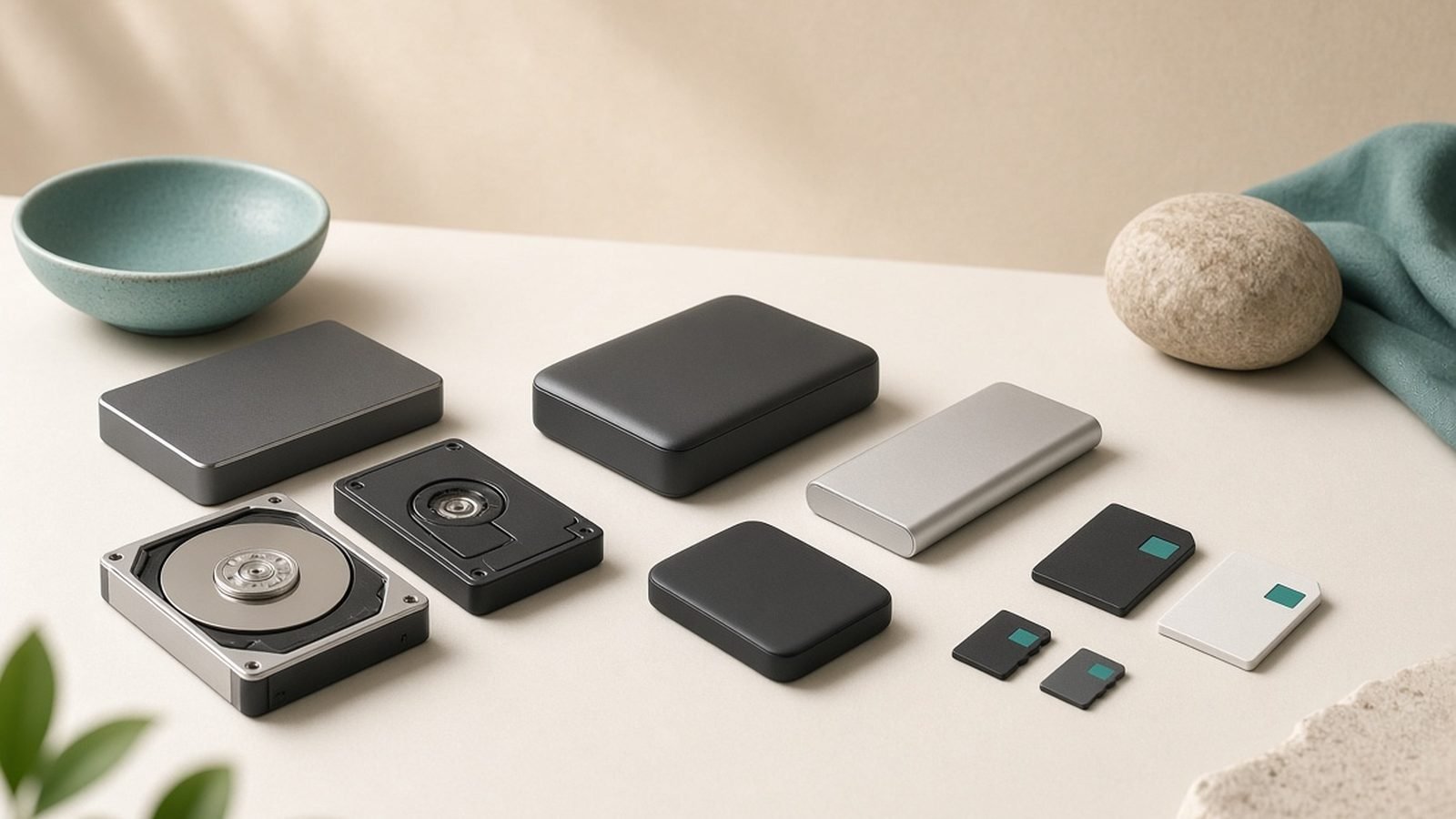
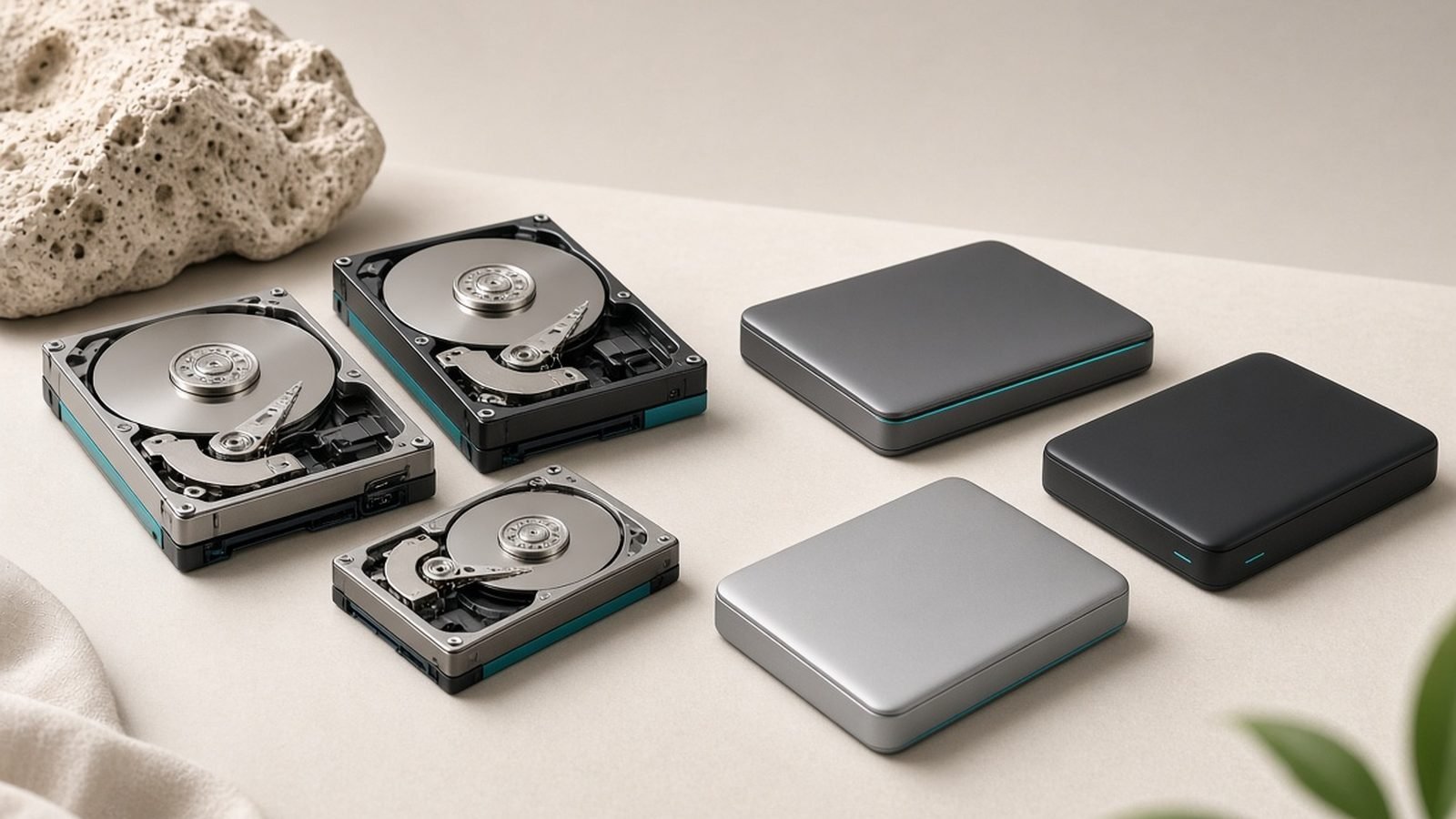
- Internal hard drives (HDDs) — the core business. BarraCuda for desktops, IronWolf and IronWolf Pro for NAS, SkyHawk for surveillance/CCTV, and Exos for enterprise and data-center use.
- External and portable drives — Backup Plus, One Touch and Expansion desktop/portable HDDs, plus the rugged LaCie line aimed at creative professionals.
- Solid-state drives — the FireCuda NVMe range (including PlayStation 5-compatible models) and portable SSDs under the Seagate and LaCie brands.
- Data-center and enterprise systems — Exos enterprise drives, JBOD enclosures and the Lyve line of managed storage and data-transfer services.
- Recovery services — Seagate offers in-house data recovery, and bundles it (Rescue) with many consumer drives.
Standout Seagate products in 2026
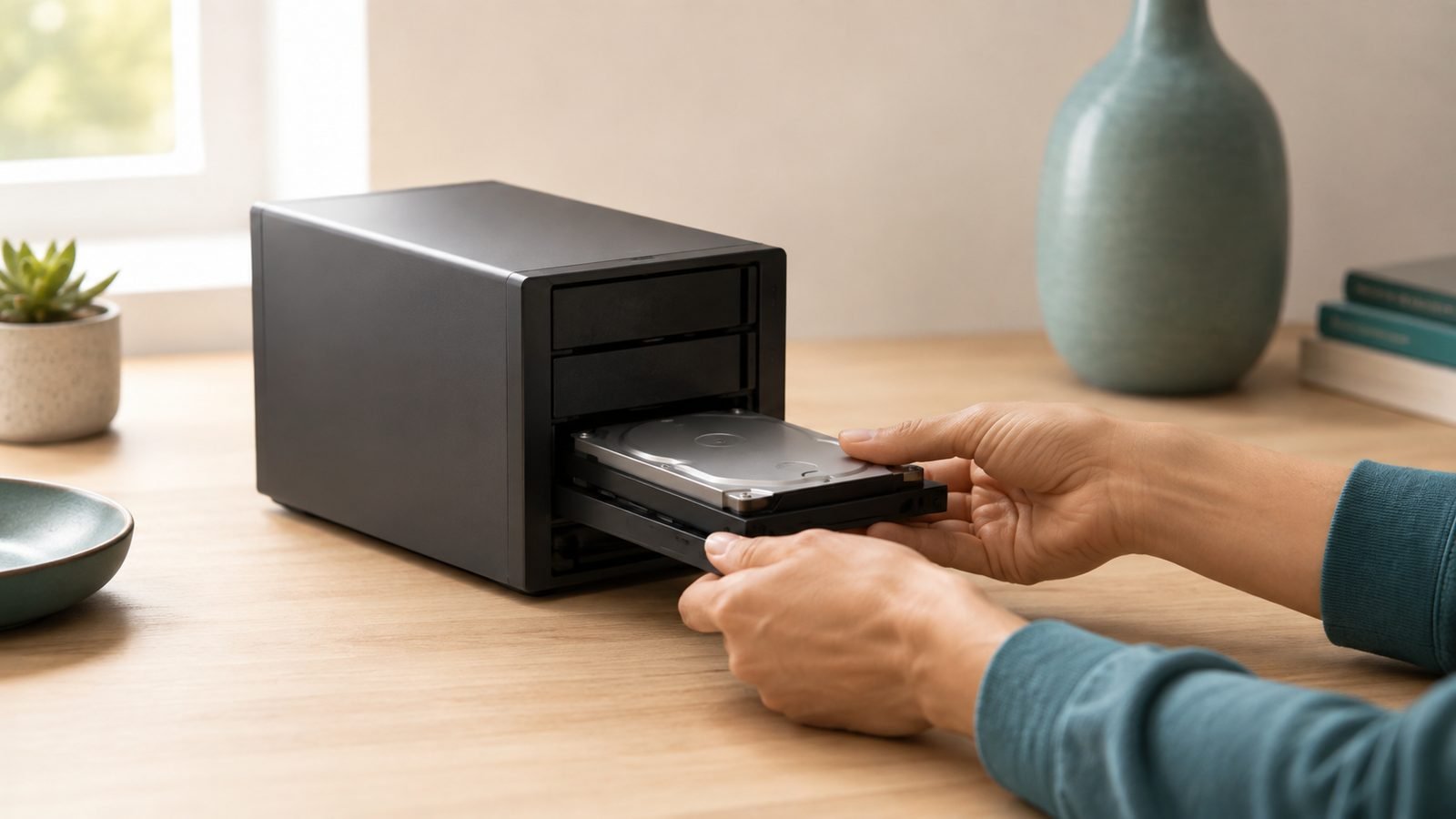
- Seagate IronWolf Pro (up to 24TB+) — the drive most home NAS owners should look at first. Built for multi-bay enclosures with vibration tolerance, a long workload rating and bundled data-recovery cover. If you’re choosing disks for a Synology or UGREEN box, start here and cross-check our Best NAS Drives for Home 2026: Backup & Media Picks Ranked guide.
- Seagate Exos X (enterprise 20–30TB class) — data-center drives that “chia” miners and homelab builders love for raw capacity per dollar. Loud and power-hungry, but unbeatable on bulk cold storage.
- Seagate BarraCuda — the default cheap desktop HDD for mass storage on a budget. Fine as a secondary “Steam library and downloads” disk; not a boot drive in 2026.
- Seagate FireCuda 530R / Gen5 NVMe — Seagate’s flagship performance SSDs, including PS5-ready heatsink versions. Genuinely fast, but priced against strong rivals — see how they stack up in our Best SSDs 2026: NVMe & SATA Drives Compared & Ranked roundup.
- Seagate One Touch / Expansion portable drives — simple, cheap external backup. For portable SSD alternatives worth the extra money, we compare options in Best SSDs 2026: NVMe & SATA Drives Compared & Ranked.
- LaCie Rugged — the orange bumper drives every video editor recognizes. A premium you pay mostly for durability and looks.
Strengths
- Capacity per dollar. On high-capacity mechanical drives, Seagate is routinely the cheapest reliable way to buy 16TB, 20TB or more. For archival and NAS bulk storage this is its single biggest advantage.
- A complete purpose-built lineup. Separate NAS, surveillance, desktop and enterprise families mean you can match a drive to its workload rather than buying one generic disk.
- Capacity leadership. Seagate has been aggressive with HAMR (heat-assisted magnetic recording), pushing the largest drives to market and giving homelab and enterprise buyers headroom rivals sometimes lack.
- Bundled data recovery. IronWolf Pro and several other lines include Rescue data-recovery service, a real and unusual perk if a drive fails.
- Wide availability. Seagate drives are stocked nearly everywhere, so pricing is competitive and RMA logistics are straightforward.
Weaknesses & criticisms
- A patchy reliability history. Certain past HDD generations earned poor reputations, and large-scale field data from backup providers has at times shown specific Seagate models with higher failure rates than Western Digital or HGST equivalents. Modern IronWolf and Exos drives generally do fine, but the brand still has to fight this perception.
- SMR controversy. Like its rival, Seagate quietly shipped slower shingled-magnetic-recording (SMR) technology in some drives without clear labeling, which caused real problems for people rebuilding RAID arrays. Always verify a specific model is CMR before buying for NAS.
- SSDs are followers, not leaders. Seagate does not make its own NAND flash, and its FireCuda SSDs, while good, rarely top the value or performance charts against Crucial, Samsung, WD or SK Hynix.
- Noise, heat and power. High-capacity Exos and IronWolf drives can be loud and warm — fine in a garage NAS, less pleasant on a desk.
- External-drive lock-in quirks. Some consumer external drives have used hardware oddities or bundled software that annoyed users wanting a plain, portable disk.
Reliability & support
For mechanical drives, Seagate’s modern lineup is broadly reliable when you buy the right model for the job — a NAS-rated IronWolf in a NAS, not a bottom-tier BarraCuda. Publicly published large-fleet failure statistics show Seagate drives performing acceptably overall, though with more variance between models than some buyers expect, which is why picking the specific SKU matters.
Warranties are tiered: budget BarraCuda and Expansion drives typically carry two years, while IronWolf Pro and Exos enterprise drives get five, often with the Rescue data-recovery plan attached. That five-year-plus-recovery package is one of the better support propositions in consumer storage. Customer-service experiences are average for the industry — fine for straightforward RMAs, occasionally slow for edge cases. There’s no “software update” track record to speak of the way there is with SSD firmware from flash-native brands, though Seagate does issue firmware and provides the SeaTools diagnostic utility.
Who should buy Seagate
Buy Seagate if your priority is capacity and value in mechanical storage: home NAS builders, media hoarders, surveillance setups, backup archives and homelab enthusiasts who want the most terabytes per dollar with a purpose-built drive and a recovery safety net. The IronWolf Pro and Exos lines are the reasons to choose this brand.
Look elsewhere if you primarily want a fast SSD or a premium portable SSD — here Crucial, Samsung, WD/SanDisk and SK Hynix generally offer better value or performance. And whatever you buy, verify the exact model’s recording technology (CMR vs SMR) and workload rating before committing to a RAID array.
FAQ
Is Seagate a good brand?
Yes, for what it’s best at. Seagate is a genuinely good brand for high-capacity hard drives, NAS storage and archival backup, offering strong capacity-per-dollar and bundled data recovery on its Pro lines. It’s a weaker choice for cutting-edge SSDs, where it competes but rarely leads.
Is Seagate reliable?
Modern Seagate drives are reliable when you match the model to the workload — an IronWolf or Exos in a NAS rather than a budget BarraCuda. The brand has had specific poorly-regarded generations in the past, so its reliability is better judged by model than by name alone.
Where is Seagate from and who owns it?
Seagate is an American company founded in 1978, headquartered operationally in Fremont, California and Longmont, Colorado (incorporated in Ireland). It is publicly traded and independent — it isn’t owned by a larger group; it’s the parent of brands like LaCie and the former Maxtor.
Seagate vs Western Digital — which is better?
They’re close rivals. Seagate often wins on price-per-terabyte for the largest drives; Western Digital’s WD Red and Gold lines have a slightly stronger reliability reputation among some buyers. For most NAS builds, either is fine — buy on the specific model, warranty and current price.
Are Seagate IronWolf drives good for a NAS?
Yes. IronWolf and IronWolf Pro are purpose-built for multi-bay NAS use, with vibration tolerance, higher workload ratings and (on Pro) five-year warranties plus data recovery. They’re a mainstream, safe choice for home and small-business NAS units.
Are Seagate SSDs any good?
They’re solid but not standout. The FireCuda NVMe line, including PS5-ready versions, performs well, but Seagate buys its flash from others and rarely beats Crucial, Samsung or WD on price or speed. Consider it, but compare before buying.
Zen Tech Hub may earn a commission from links on this page, at no extra cost to you.