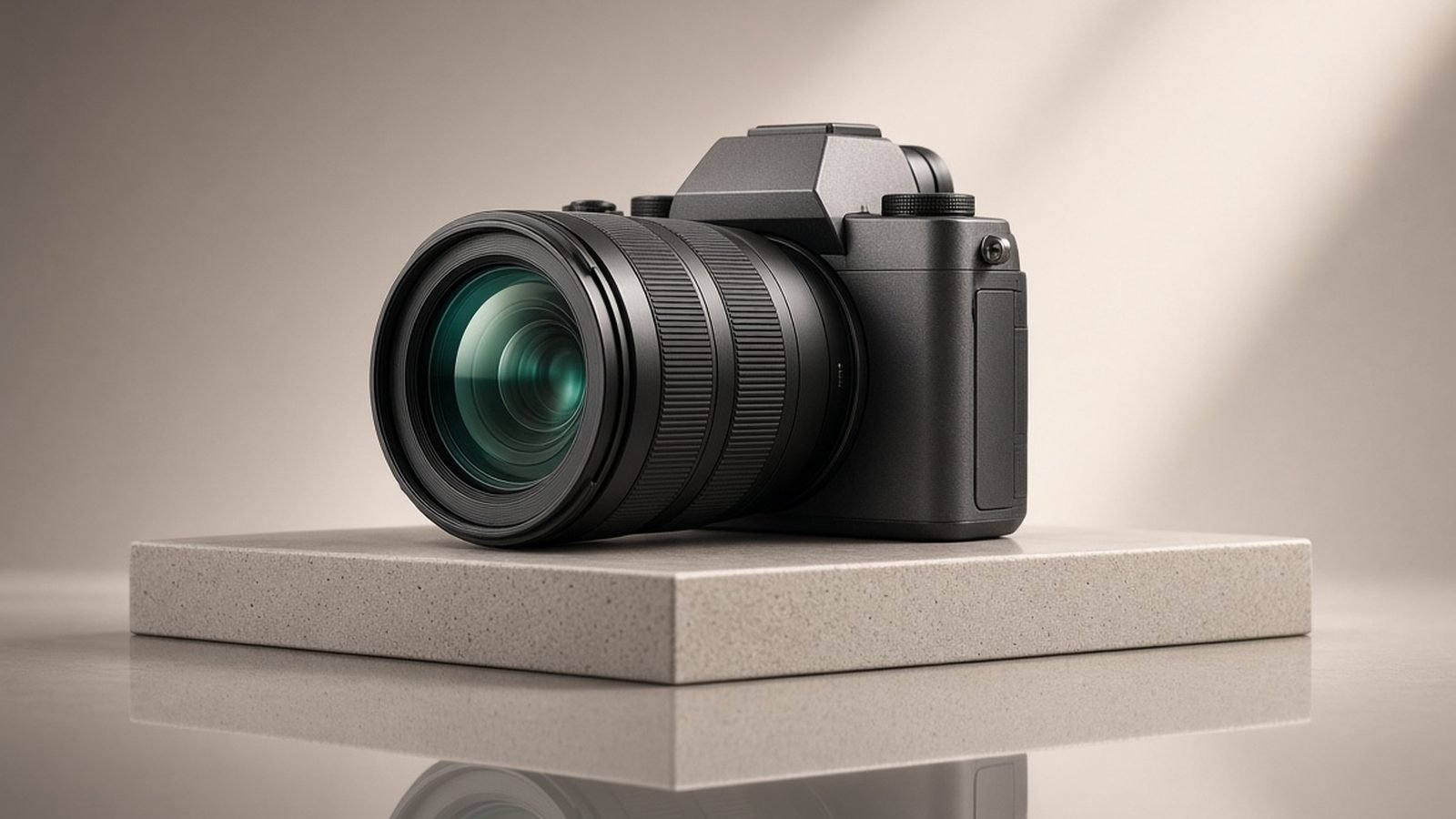
The Canon EOS R6 Mark III is built for people who shoot both photos and video seriously and want one camera that never feels like a compromise on either. This Canon EOS R6 Mark III review answers the obvious question: is Canon’s mid-tier full-frame hybrid worth around $2,499 / £2,499 in 2026? For most enthusiasts and working pros, yes. It blends fast, sticky autofocus, excellent low-light performance and a deep video feature set with the friendliest handling in full-frame.
It is not the camera for everyone. If you need maximum resolution for large prints or heavy cropping, its speed-focused sensor works against you, and Canon’s RF lenses are excellent but expensive with limited third-party options. Here is our full breakdown, built from published specs, documentation and aggregated owner feedback.
Check price: Canon EOS R6 Mark III
Canon EOS R6 Mark III at a glance
The R6 Mark III sits in the heart of Canon’s full-frame RF lineup: below the high-resolution R5 series and above the entry-level R8 and RP. It is Canon’s “do everything” body, and this generation refines that balance rather than reinventing it.
| Spec | Canon EOS R6 Mark III | Canon EOS R6 Mark II (previous) |
|---|---|---|
| Sensor | ~24MP full-frame CMOS | 24.2MP full-frame CMOS |
| Processor | Latest DIGIC X | DIGIC X |
| Autofocus | Dual Pixel AF II, improved subject detection | Dual Pixel AF II |
| Video | 4K up to 60p oversampled, improved codecs | 4K up to 60p |
| Stabilization | In-body 5-axis (up to ~8 stops with lens) | In-body 5-axis |
| Card slots | Dual UHS-II SD | Dual UHS-II SD |
| Burst | Fast electronic shutter | Up to 40 fps electronic |
| Price (USD) | around $2,499 body | discontinued / clearance |
The core of the Canon R6 Mark III vs R6 Mark II story is refinement: sharper autofocus, improved video options and better subject recognition, built on an already strong foundation rather than a resolution jump.
Design and build
Physically, the R6 Mark III follows Canon’s well-loved template: a comfortable, deep grip, a robust weather-sealed body and a control layout that many photographers consider the most intuitive in full-frame. Buttons and dials fall naturally under the fingers, and Canon’s menu system remains one of the clearest to learn, which is a genuine advantage for anyone switching brands or stepping up.
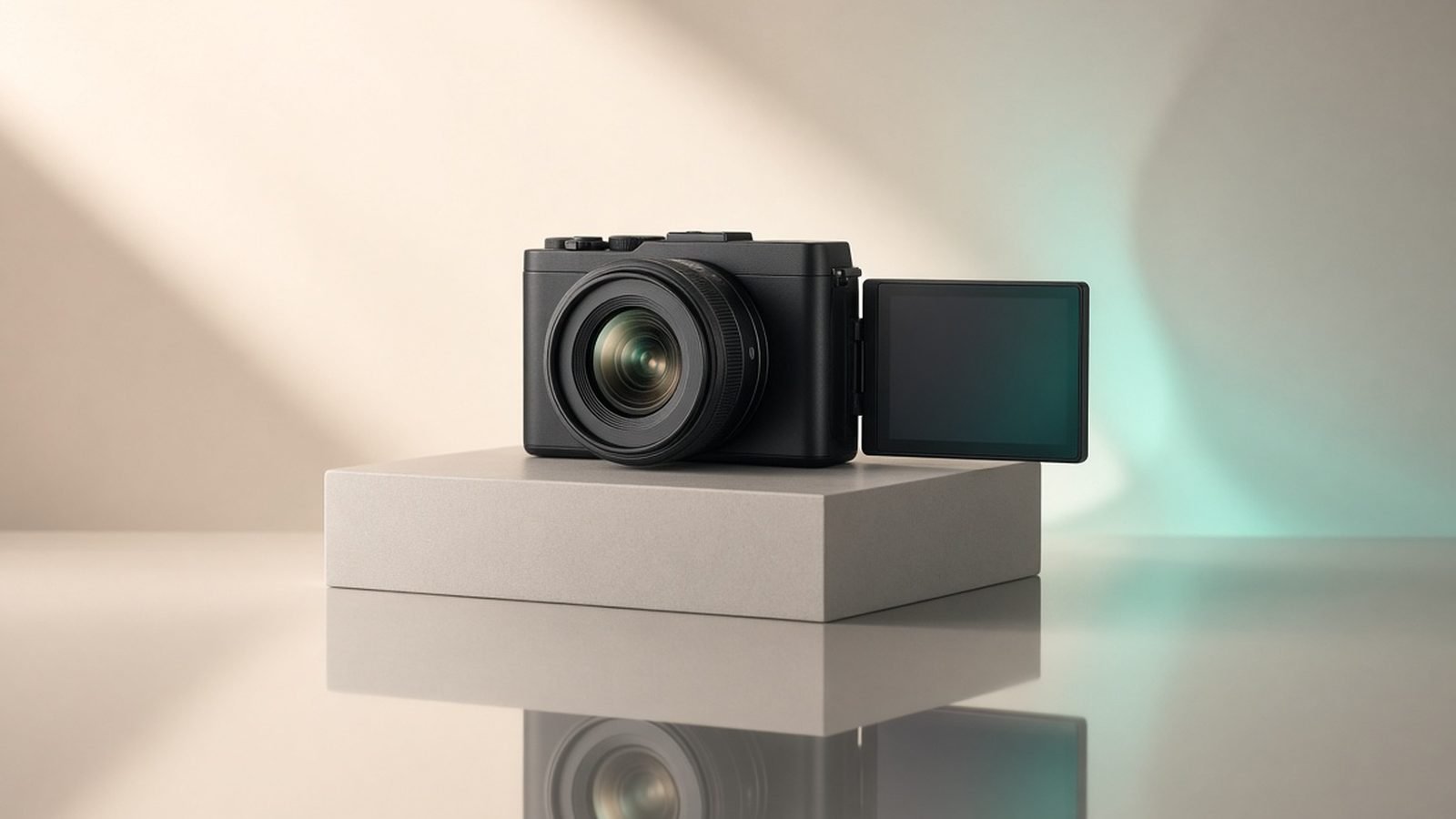
The fully articulating touchscreen flips out for vlogging and awkward angles, the electronic viewfinder is bright and responsive, and dual UHS-II SD card slots give the backup working professionals expect without the cost of CFexpress media. It is a camera that feels designed around the shooter rather than the spec sheet.
If there is a handling criticism, it is that the body is not the smallest full-frame option, and photographers coming from compact APS-C bodies will notice the difference. For most, the ergonomic payoff is worth it.
Image quality and stills performance
The roughly 24MP sensor is a deliberate choice: Canon prioritizes readout speed and low-light performance over sheer resolution. In aggregated owner reports that pays off with fast, responsive shooting, clean high-ISO files and Canon’s signature pleasing color straight out of camera. For weddings, events, sports, wildlife and photojournalism, that combination is exactly what you want.
Low-light performance is a highlight. High-ISO images stay usable well past where higher-resolution rivals get noisy, which makes the R6 Mark III a natural pick for dim receptions, indoor sports and astro-adjacent work. Fast burst shooting with the electronic shutter, paired with a deep buffer, captures fleeting action reliably.
The trade-off is resolution. If you routinely crop hard or print very large, 24MP gives you less room than a 33MP or 45MP body. For the vast majority of hybrid shooters, it is plenty — and the speed and low-light benefits are worth more day to day.
Autofocus and subject tracking
Autofocus is one of the R6 Mark III’s strongest cards. Canon’s Dual Pixel AF II covers nearly the entire frame and, in owner and creator feedback, is consistently praised as fast, confident and easy to trust. Subject detection recognizes people, animals and vehicles, with eye detection that locks on and holds through movement.
What sets Canon apart is not just accuracy but feel: the autofocus behaves predictably and intuitively, so you spend less time fighting the camera and more time shooting. In video mode the same system delivers smooth, natural focus pulls that keep faces sharp. For event and wildlife shooters especially, this reliability is a core reason to choose the R6 Mark III over cheaper rivals.
Video features and quality
Video is where the R6 Mark III meaningfully advances on its predecessor. It records oversampled 4K up to 60p that looks detailed and clean, without the heavy crops or short record limits that hampered earlier Canon bodies. Improved codecs and 10-bit color with Canon Log profiles give editors real flexibility to grade and match footage.
For Canon R6 Mark III for video, the combination of reliable autofocus, strong in-body stabilization and a full-frame look makes it a serious hybrid rather than a stills camera with video attached. Focus breathing correction (with supported lenses) and clean output round out a package aimed squarely at creators who shoot both stills and motion.
The honest caveats: very long, high-bitrate 4K takes in warm conditions can eventually trigger heat warnings, so plan longer shoots with breaks, and rolling shutter, while well-controlled, is present on fast motion. If your work is primarily handheld video, also weigh creator-first bodies in our Best Vlogging Cameras 2026: Creators' Picks guide.
Value and who should buy
At around $2,499 / £2,499 body-only, the R6 Mark III is a substantial investment, and RF lenses push the real cost up. What you get is a genuinely balanced hybrid: pro-grade autofocus, excellent low-light stills and a deep video spec in a body that is a pleasure to handle. For photographers and videographers who need both disciplines covered, that balance is the whole point.
Where the value case softens is at the extremes. If you need maximum resolution, a higher-megapixel body serves you better. If your budget is tighter, APS-C options deliver most of the capability for less. And if you are locked out by RF lens pricing, Sony’s more open ecosystem may appeal. See where it stands in our Best Mirrorless Cameras 2026: Full-Frame & APS-C roundup, and compare Sony’s hybrid in our Sony A7 V Review 2026: The All-Rounder Full-Frame.
Verdict
Is the Canon R6 Mark III worth it? For hybrid shooters, yes. It delivers fast, dependable autofocus, class-leading handling, excellent low-light stills and a mature video spec, all in one weather-sealed body. Canon’s ergonomics and color science remain a genuine joy, and the balance it strikes between photo and video is hard to fault for real-world work.
The trade-offs are the modest resolution and the cost of buying into RF glass. If you need maximum detail, or you want the widest, cheapest lens ecosystem, look elsewhere. If you want a full-frame hybrid that feels effortless to shoot and covers almost every job, this is one of the best you can buy.
Who it’s for: wedding, event, wildlife and sports shooters, and hybrid creators who value autofocus, low light and handling over raw megapixels.
Who should skip it: resolution-hungry landscape and studio photographers, tight-budget buyers who should consider APS-C, and anyone deterred by RF lens pricing.
Pros:
- Fast, confident Dual Pixel autofocus that is easy to trust
- Excellent low-light performance and pleasing color
- Deep video spec: oversampled 4K/60p, 10-bit, Canon Log
- Class-leading handling and clear menus
- Strong in-body stabilization and dual card slots
Cons:
- Modest ~24MP resolution limits heavy cropping and large prints
- RF lenses are pricey with few third-party options
- Long 4K takes can eventually trigger heat warnings
- Not the smallest full-frame body
Price and where to buy
At publication, the Canon EOS R6 Mark III sells for around $2,499 body in the US, with the Canon R6 Mark III UK price landing near £2,499 body. Kit bundles with the RF 24-105mm exist and can be good value if you need a walk-around zoom, but if you already own RF glass, buy body-only and put the savings toward a fast prime. Availability at major retailers is strong.
Check price: Canon EOS R6 Mark III
FAQ
Is the Canon R6 Mark III worth it in 2026?
For hybrid shooters, yes. It pairs pro-grade autofocus, excellent low-light stills and a deep 4K video spec with the friendliest handling in full-frame, at around $2,499 / £2,499. If you need maximum resolution or the cheapest lens ecosystem, another camera may suit you better, but as a balanced do-everything body it is one of the best available.
What’s the difference between the R6 Mark III and R6 Mark II?
The Canon R6 Mark III vs R6 Mark II upgrades focus on refinement: improved autofocus and subject detection, better video codecs and options, and small handling tweaks, built on the same speed-focused ~24MP full-frame concept. It is an evolution rather than a reinvention, so R6 Mark II owners should upgrade for the autofocus and video gains rather than a resolution jump.
Is the Canon R6 Mark III good for video?
Yes. It records oversampled 4K up to 60p with 10-bit color and Canon Log profiles, backed by reliable autofocus and strong in-body stabilization. It is a capable hybrid for serious video work. Just plan for breaks on very long, high-bitrate takes in warm conditions, and use fast SD cards to keep up with the higher-quality modes.
Does the Canon R6 Mark III have enough resolution?
For most uses, yes. Around 24MP is ample for social media, web, standard prints and moderate cropping, and the lower resolution buys faster readout and better low-light performance. If you routinely crop aggressively or print very large, a higher-megapixel body like a Canon R5-series or Sony A7 V would give you more headroom.
Canon R6 Mark III or Sony A7 V?
Both are excellent hybrids. The Canon leads on handling, autofocus feel and low-light performance at a lower resolution, while the Sony A7 V counters with higher resolution, an 8K video ceiling and a broader lens ecosystem. Choose Canon for ergonomics and speed, Sony for detail and flexibility. Our Sony A7 V Review 2026: The All-Rounder Full-Frame covers Sony’s case in full.
What lenses should I buy for the Canon R6 Mark III?
Start with a versatile zoom like the RF 24-105mm for general use, then add a fast prime such as the RF 50mm f/1.8 for portraits and low light. For events and wildlife, an RF 70-200mm or a telephoto zoom is worth the investment. RF glass is excellent but pricey, so build your kit gradually around the subjects you shoot most.
Zen Tech Hub may earn a commission from links on this page, at no extra cost to you.