If you’re choosing between the two most capable flagships of 2026, here’s the short answer: buy the iPhone 17 Pro for the best video, the smoothest software and the strongest resale value; buy the Samsung Galaxy S26 Ultra for the bigger screen, the longer telephoto reach, the S Pen and more raw versatility. Both are excellent, and neither will disappoint. The right pick comes down to which trade-offs you actually care about.
The iPhone 17 Pro is the more focused, polished device — smaller, tighter and easier to live with one-handed, with class-leading video and the tightest hardware-software integration in the business. The S26 Ultra is the do-everything phone: a huge 6.9-inch display, a built-in stylus, a 200MP main sensor and a periscope zoom that reaches further than anything Apple ships. This guide breaks down where each one pulls ahead so you can match the phone to how you actually use it.
iPhone 17 Pro vs Galaxy S26 Ultra at a glance
| Factor | iPhone 17 Pro | Galaxy S26 Ultra | Winner |
|---|---|---|---|
| Display | ~6.3” OLED, 120Hz ProMotion | ~6.9” OLED, 120Hz LTPO | S26 Ultra (size) |
| Chip | A19 Pro | Snapdragon 8 Elite Gen 5 (for Galaxy) | Tie |
| Main camera | 48MP | 200MP | Split |
| Telephoto reach | Up to ~8x optical-quality | Up to 5x optical + 10x-class | S26 Ultra |
| Video | Best-in-class | Excellent | iPhone |
| Stylus | None | Built-in S Pen | S26 Ultra |
| Battery life | All-day, very efficient | All-day, larger cell | Tie |
| Software support | ~7 years iOS | 7 years Android + security | Tie |
| Starting price | around $1,099 / £1,099 | around $1,299 / £1,249 | iPhone (value) |
- Buy the iPhone 17 Pro if: you shoot a lot of video, want a more pocketable phone, live in Apple’s ecosystem, or care about resale value.
- Buy the S26 Ultra if: you want the biggest screen, the longest zoom, a stylus, and the most flexible Android experience.
- Either is a safe buy: performance, build quality and update commitments are elite on both.
For the wider field, our Best Smartphones 2026: Top Picks for Every Budget roundup ranks these against every other 2026 flagship, and our in-depth iPhone 17 Pro Review 2026: Apple's Best Yet? and Samsung Galaxy S26 Ultra Review 2026: Android's Best cover each phone on its own terms.
Design and build
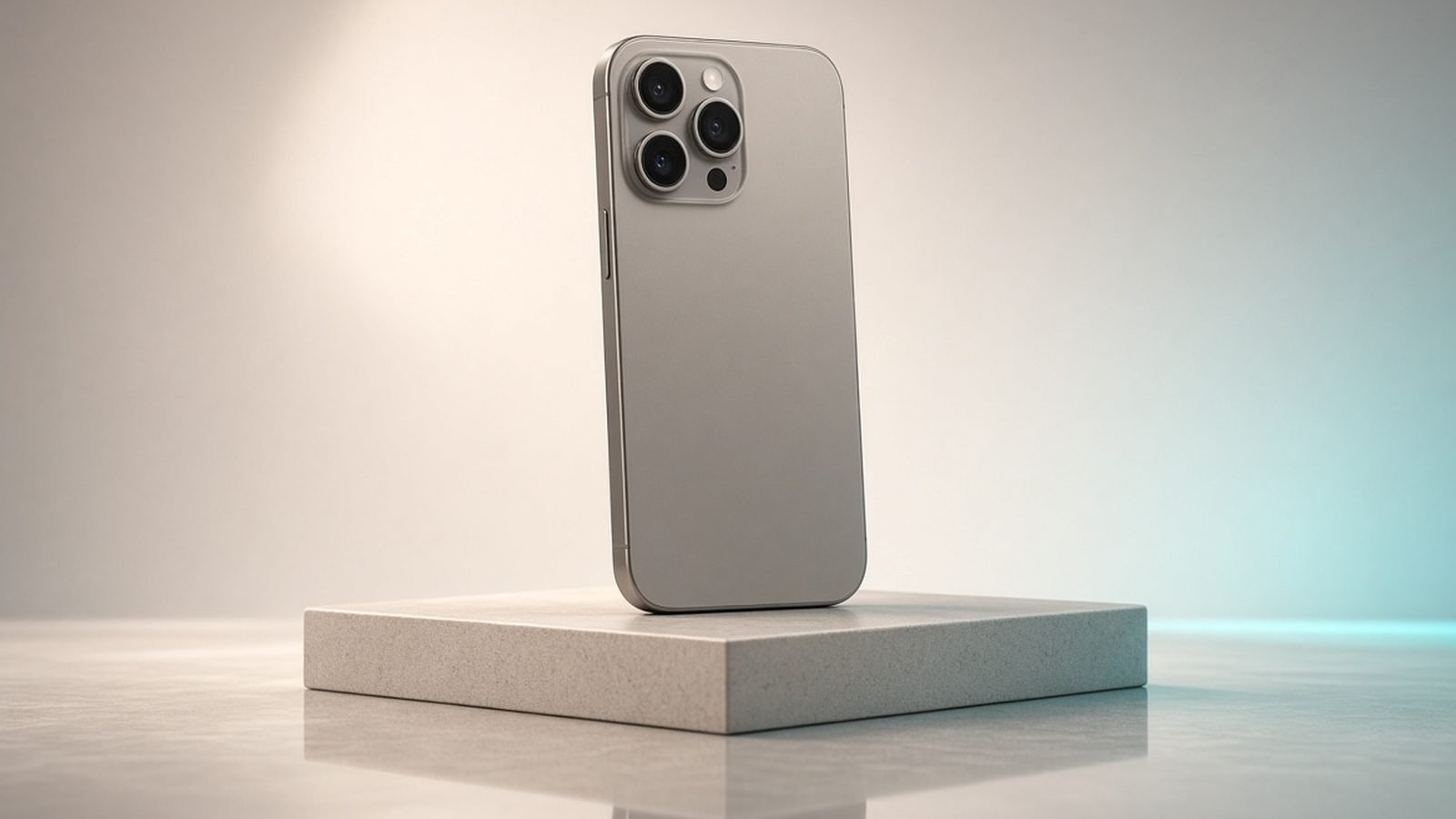
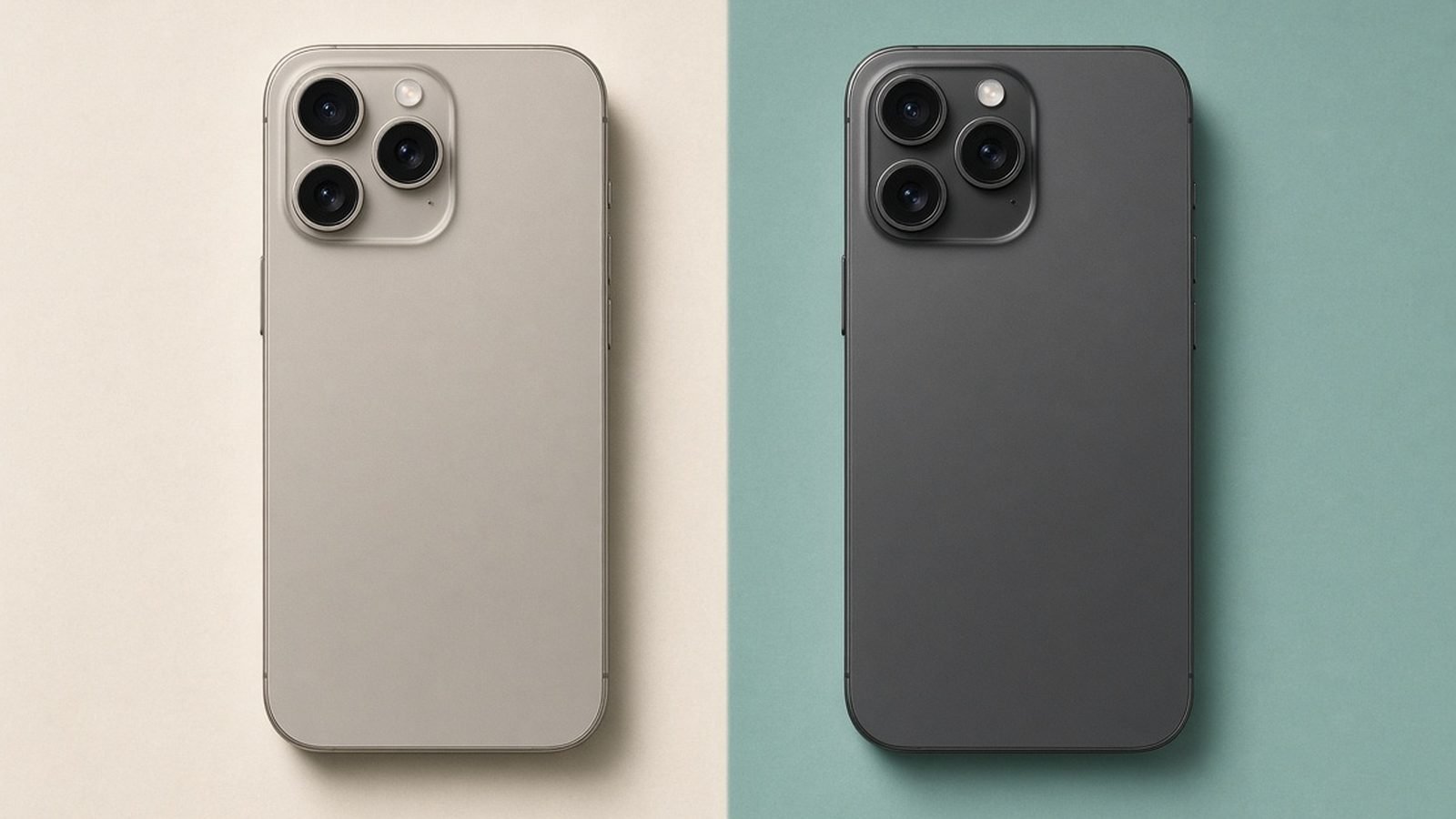
These phones take opposite approaches to size. The iPhone 17 Pro sits around 6.3 inches and is genuinely usable one-handed, with Apple’s familiar flat-edged frame, a tough Ceramic Shield front and IP68 water resistance. It feels dense and premium in a way that reads as “tool,” not “slab.” If you dislike oversized phones, this is the more comfortable device by a clear margin.
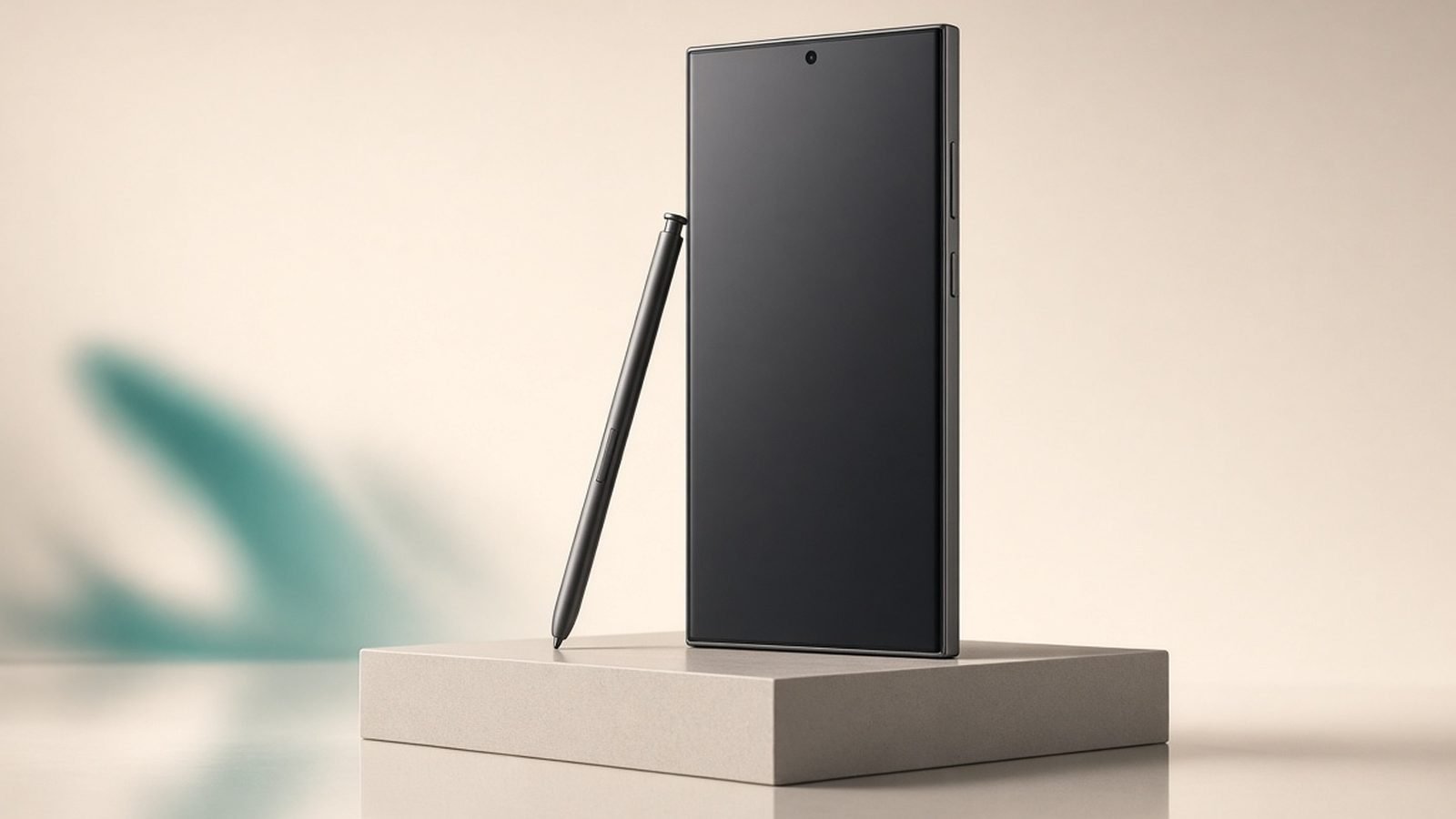
The S26 Ultra is the bigger, more imposing phone at roughly 6.9 inches, with squared-off corners, an integrated S Pen silo and Samsung’s latest toughened glass. It’s heavier and needs two hands for most tasks, but that size buys you screen real estate and the stylus. Build quality is excellent on both — titanium-class rigidity, IP68 rating, and premium materials throughout.
Verdict: iPhone for one-handed comfort, S26 Ultra for screen and stylus. It’s a straight preference call on size.
Display
Samsung has owned the display crown for years, and the S26 Ultra continues that. Its ~6.9-inch LTPO OLED is larger, exceptionally bright in direct sun, and drops to a low refresh rate to save power. For gaming, split-screen multitasking and reading, the extra canvas is a real advantage, and Samsung’s anti-reflective coating helps outdoors.
The iPhone 17 Pro’s ~6.3-inch ProMotion OLED is smaller but superb — accurate colour out of the box, 120Hz smoothness, and very high peak brightness for HDR and sunlight. It’s the better choice if you want a phone you can actually reach across with your thumb.
Verdict: S26 Ultra for size and outright brightness, iPhone for a more manageable panel.
Cameras
This is the most nuanced category, and neither phone wins outright. The S26 Ultra leads on flexibility and reach. Its 200MP main sensor captures enormous detail and enables high-quality in-sensor cropping, and its telephoto system — a 5x periscope plus a shorter tele — reaches further and cleaner than Apple’s at long range. For wildlife, concerts and sports, the Ultra’s zoom is the standout feature no iPhone matches.
The iPhone 17 Pro leads on video and consistency. Apple’s video pipeline — stabilisation, dynamic range, audio, and formats like ProRes and Log — remains the benchmark for creators, and it’s the phone professionals reach for when footage has to be usable. For stills, the iPhone’s colour science is more restrained and natural out of the camera, where Samsung’s processing is punchier (great for social, occasionally over-sharpened). Both take excellent photos in almost any light.
Based on published specs and aggregated user reports, the pattern is clear: if photography flexibility and zoom matter most, the Ultra wins; if video quality and point-and-shoot consistency matter most, the iPhone wins. (Both feature prominently in our best camera phones roundup.)
Verdict: S26 Ultra for zoom and versatility, iPhone 17 Pro for video and consistency.
Performance and gaming
Both phones are among the fastest on the planet. Apple’s A19 Pro continues Apple silicon’s lead in sustained single-core performance and efficiency, which shows up in responsiveness and thermals during long sessions. Qualcomm’s Snapdragon 8 Elite Gen 5 (for Galaxy) is a monster in its own right, with excellent GPU performance and a larger chassis that helps it dissipate heat during extended gaming.
In practice, day-to-day speed is indistinguishable — both open apps instantly and handle anything you throw at them. For heavy gaming, the Ultra’s larger body and vapor chamber can hold peak clocks a touch longer, while the iPhone tends to run cooler and more efficiently. Neither will feel slow for years. If gaming truly tops your list, dedicated hardware goes further — see our best gaming phones guide.
Verdict: effectively a tie; iPhone for efficiency, Ultra for sustained gaming headroom.
Battery and charging
The S26 Ultra carries a physically larger battery, and its LTPO display plus efficient chip deliver comfortable all-day life with room to spare for heavy users. It also charges faster than the iPhone via wired charging, so it tops up quicker from empty.
The iPhone 17 Pro is remarkably efficient and also lasts a full day for most people, but Apple’s wired charging speeds remain more conservative. Both support wireless charging (the iPhone via the Qi2/MagSafe magnetic ecosystem, which unlocks a huge range of snap-on accessories — see our Best Smartphones 2026: Top Picks for Every Budget guide for the wider picture).
Verdict: S26 Ultra for larger battery and faster wired charging; iPhone for efficiency and MagSafe accessories.
Software and ecosystem
This is often the real deciding factor. iOS on the iPhone 17 Pro is clean, consistent and tightly integrated with Macs, iPads, AirPods and the Watch — iMessage, FaceTime, Handoff and AirDrop make Apple’s ecosystem sticky and seamless. Apple Intelligence adds on-device AI features, writing tools and a more capable Siri, with a strong privacy posture.
One UI on the S26 Ultra is far more customisable and feature-dense, with better multitasking, more flexible defaults and deep Galaxy AI features (live translation, generative photo editing, summarisation) powered partly by Google Gemini. If you want to tinker, sideload, or fine-tune every behaviour, Android gives you room the iPhone doesn’t.
Both now promise around seven years of updates, so longevity is a wash. For a broader platform breakdown, see our iPhone vs Android 2026: Which Should You Choose? explainer.
Verdict: iPhone for seamless ecosystem and simplicity, S26 Ultra for customisation and AI features.
Price and value
The iPhone 17 Pro starts around $1,099 / £1,099, undercutting the S26 Ultra’s roughly $1,299 / £1,249 starting price. The iPhone also holds its value better on the used market, which lowers the real cost of ownership if you upgrade every few years. Samsung counters with more aggressive trade-in deals, frequent carrier promotions and bundle offers that can close the gap at purchase.
Storage matters too: check the base capacity on each, because jumping tiers adds meaningfully to both. For most buyers, the iPhone is the better pure-value pick, while the Ultra justifies its premium only if you’ll use the zoom, the bigger screen or the S Pen.
Verdict: iPhone 17 Pro for value and resale; S26 Ultra earns its premium only if you use its extras.
Which should you buy?
Both are top-tier, but the decision splits cleanly.
Buy the iPhone 17 Pro if you want the best video, a more pocketable body, effortless integration with other Apple devices, and the strongest resale value. It’s the right pick for creators, Apple-ecosystem owners, and anyone who’d rather have a tighter, simpler phone than the biggest possible one.
Buy the Samsung Galaxy S26 Ultra if you want the largest, brightest screen, the longest camera zoom, a built-in S Pen and the most customisable software. It’s the right pick for power users, mobile photographers who love reach, note-takers and anyone who treats their phone as their primary computer.
Still weighing Android options? Our Pixel 10 Pro vs Galaxy S26 Ultra 2026: Best Android? comparison pits the Ultra against Google’s flagship, and the Google Pixel 10 Pro Review 2026: Smartest Camera Phone covers the value alternative in depth.
FAQ
Is the iPhone 17 Pro or Galaxy S26 Ultra better for cameras?
It depends on what you shoot. The S26 Ultra wins on zoom and flexibility thanks to its 200MP main sensor and longer periscope telephoto, making it the better choice for wildlife, sports and concerts. The iPhone 17 Pro wins on video quality and consistency, which is why creators prefer it for footage. For everyday photos, both are excellent — Samsung’s look is punchier, Apple’s more natural.
Which phone has better battery life?
They’re close. The S26 Ultra has a physically larger battery and charges faster over a cable, so it refills from empty more quickly and gives heavy users a bit more headroom. The iPhone 17 Pro is extremely efficient and also lasts all day for most people. If fast wired charging matters, the Ultra edges it; if you value MagSafe wireless accessories, the iPhone wins there.
Is the Galaxy S26 Ultra worth the higher price over the iPhone 17 Pro?
Only if you’ll use its extras. The Ultra costs more, but you’re paying for a bigger screen, a longer zoom and the S Pen. If those matter to you, it’s worth it. If you mostly want a fast, reliable flagship with great cameras, the cheaper iPhone 17 Pro delivers similar core quality and holds its resale value better.
Can I move my data easily if I switch between them?
Yes, but expect friction. Both Apple and Samsung provide migration tools that transfer contacts, photos, messages and most app data. iMessage requires deregistering your number when leaving iPhone, and some app subscriptions or purchases don’t carry across platforms. Photos, email and cloud files move easily; platform-locked services like FaceTime or Galaxy-specific features do not.
Do both phones get the same number of software updates?
Effectively yes. Apple provides around seven years of iOS updates for the iPhone 17 Pro, and Samsung now commits to about seven years of Android OS and security updates for the S26 Ultra. Both will stay current and secure well beyond the point most people upgrade, so longevity isn’t a meaningful differentiator between them.
Which is easier to use one-handed?
The iPhone 17 Pro, comfortably. At around 6.3 inches it’s noticeably smaller and lighter than the ~6.9-inch S26 Ultra, so reaching across the screen with a thumb is far easier. The Ultra is a two-handed phone for most tasks. If one-handed comfort is a priority, the iPhone is the clear pick.
Zen Tech Hub may earn a commission from links on this page, at no extra cost to you.