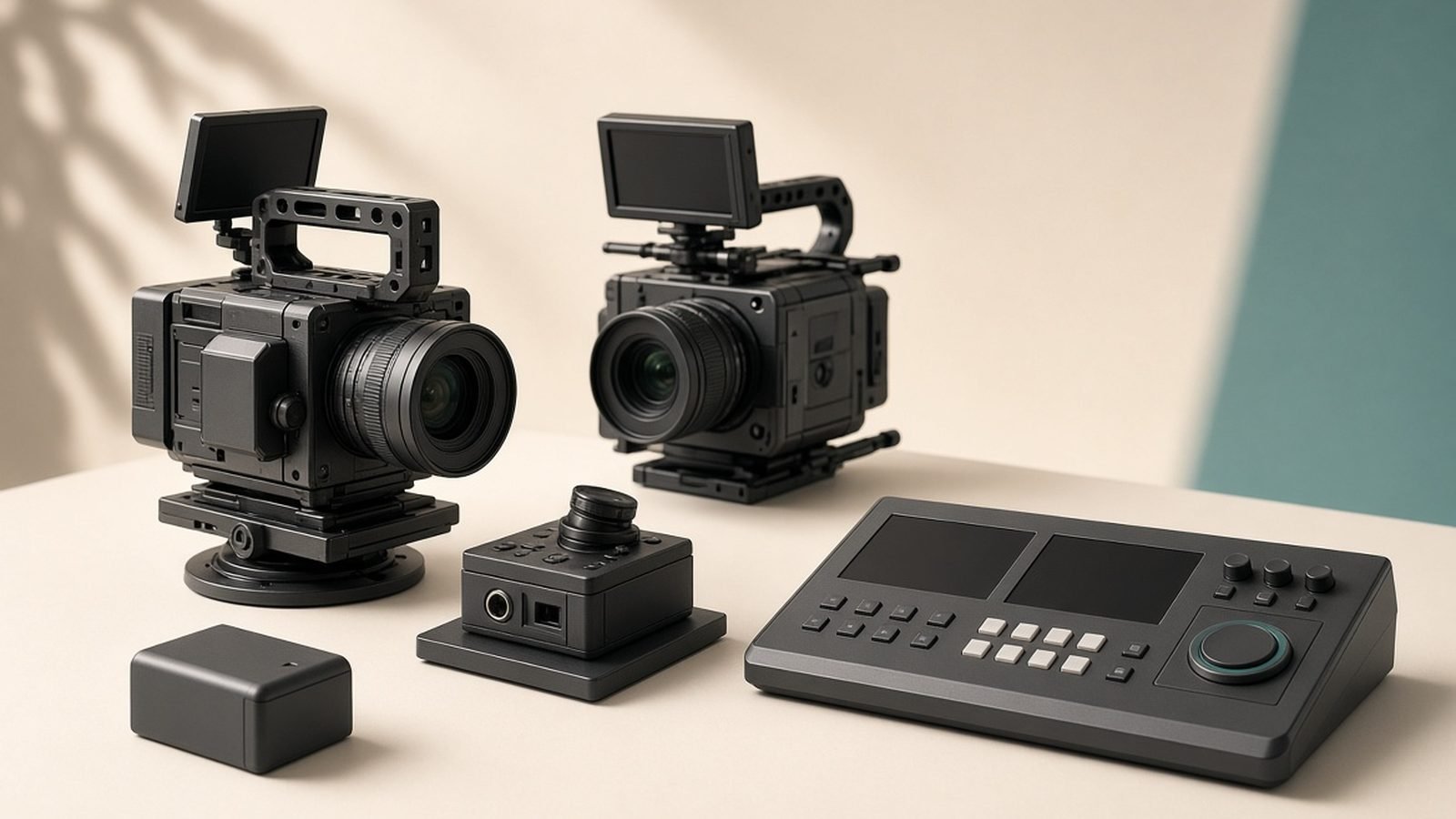
Blackmagic Design’s strategy has been unusually consistent: put professional features into hardware and software priced well below the established industry, and leave more of the learning to the buyer. It made its name in capture cards, converters and switchers, moved into low-cost digital cinema cameras in 2013, and has kept developing DaVinci Resolve with a free version that covers editing, color grading, visual effects and audio in one application. The result is a full shoot, switch, edit and grade pipeline from a single company. What you give up is convenience: autofocus is basic or absent on many models, in-body stabilization is limited, RAW recording drains batteries quickly, and support leans on documentation and community forums.
Verdict: The value benchmark for cinema cameras and professional post-production. Best for filmmakers and video creators who want pro image quality for less; the main caveats are a steep learning curve and camcorder-style, not point-and-shoot, ergonomics.
Company overview
Blackmagic Design is an Australian company founded in 2001 by Grant Petty and headquartered in Melbourne, with significant operations worldwide. It is a privately held, independent company — not part of a larger conglomerate — which lets it pursue an unusually aggressive strategy: pack professional features into affordable hardware and software, often subsidized by its broader business in broadcast and production infrastructure. It made its name in capture cards, converters and switchers before acquiring DaVinci Resolve and, in 2013, shaking up the market with low-cost digital cinema cameras.
In plain terms, Blackmagic’s reputation among filmmakers is excellent for value and image quality, and its acquisition and continued free development of DaVinci Resolve is widely regarded as one of the best deals in creative software. The brand is trusted for professional results at accessible prices. The consistent criticisms are about polish and support rather than capability: the cameras are specialist tools that assume knowledge, the ergonomics favor rigged, deliberate shooting over run-and-gun, and customer service leans on documentation and community forums. Buyers get remarkable capability per dollar in exchange for doing more of the learning themselves.
What Blackmagic Design makes
Blackmagic’s range spans capture, production and post:
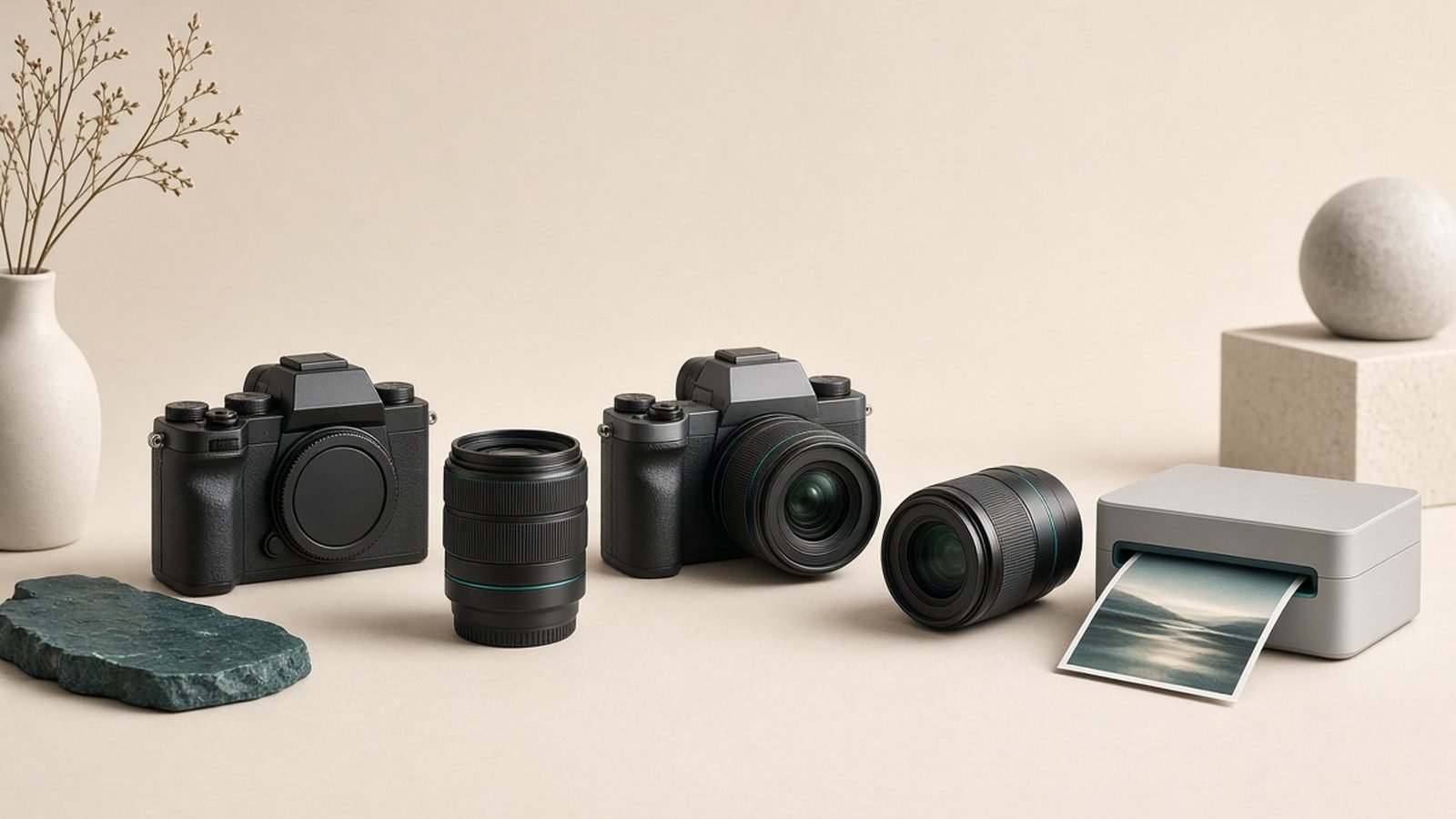
- Cinema cameras — the Pocket Cinema Camera line, the box-style Pyxis and URSA Cine bodies, and specialized models, offering RAW and high dynamic range at prices well below traditional cinema gear.
- DaVinci Resolve — a professional editing, color grading, visual effects and audio application, available in a remarkably capable free version and a paid Studio upgrade.
- Switchers and live production — ATEM switchers and related gear widely used for streaming, events and broadcast.
- Capture, playback and conversion — DeckLink cards, converters, monitors and the Cloud/storage ecosystem for professional workflows.
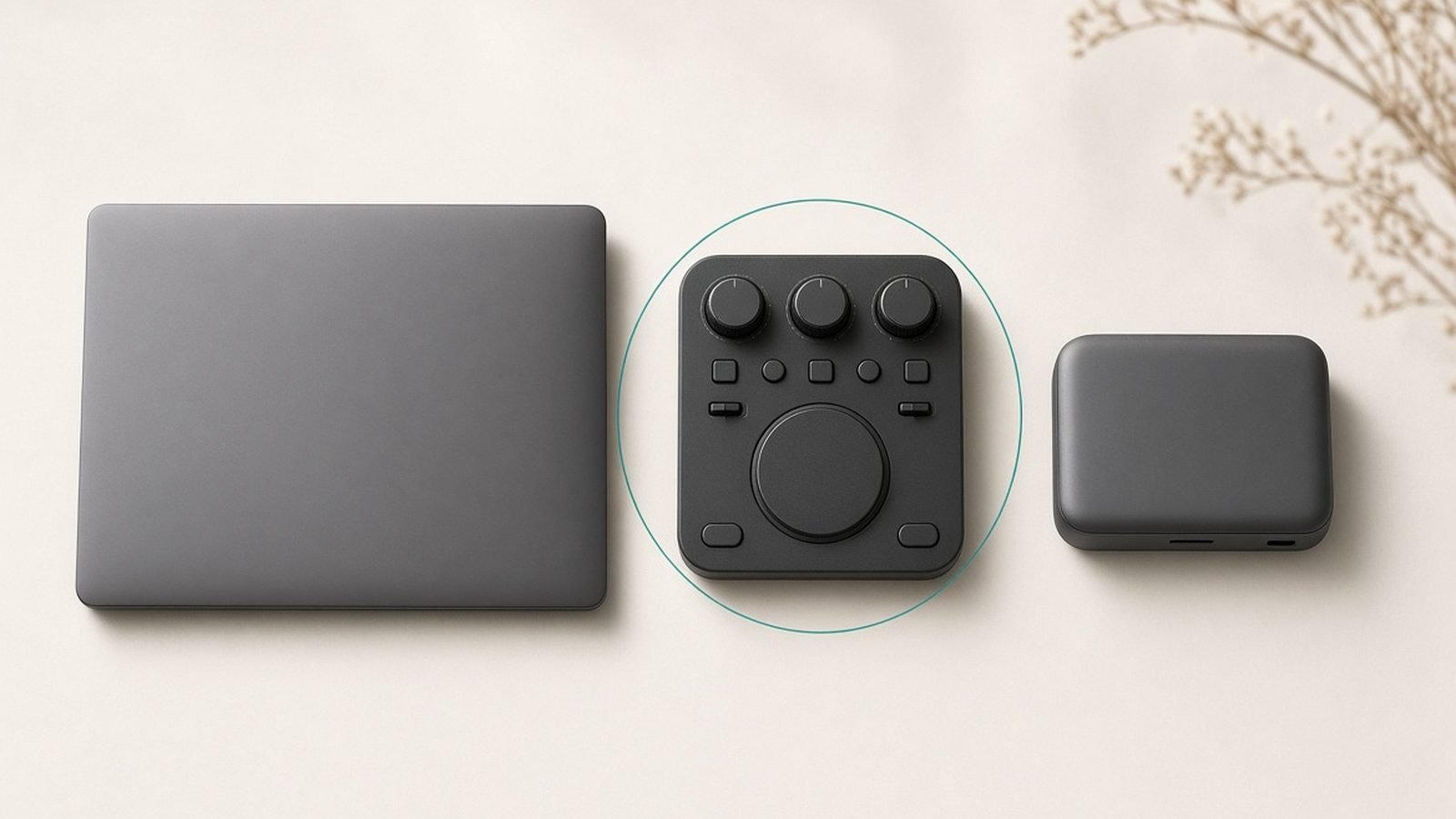
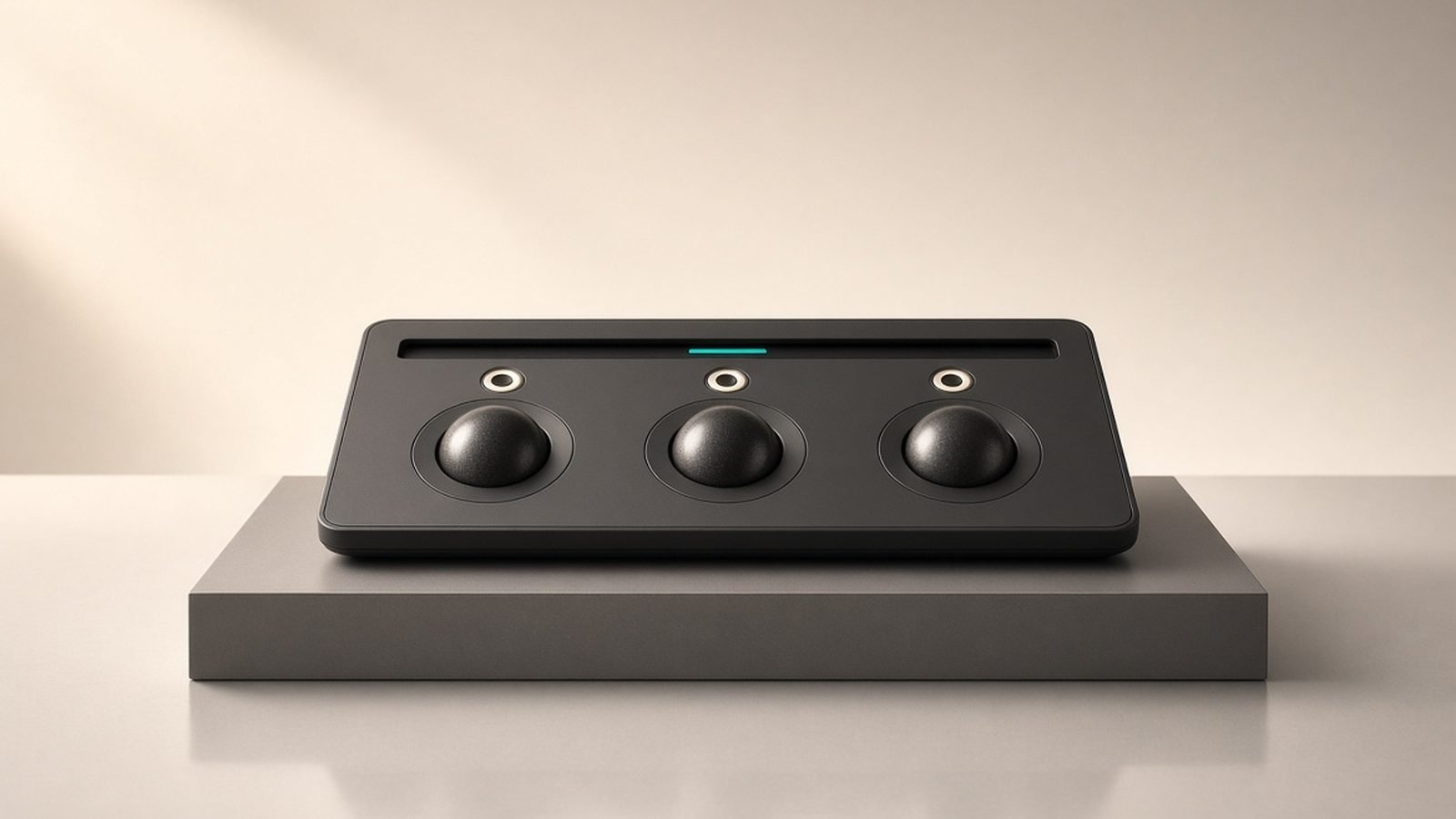
- Control surfaces and accessories — grading panels, editor keyboards and hardware that integrate with Resolve.
The unifying idea is a full professional pipeline — shoot, switch, edit, grade, deliver — at prices that undercut the established industry.
Standout Blackmagic products in 2026
The product that best captures Blackmagic’s philosophy is DaVinci Resolve, the editing and color platform that features throughout our creator-workflow coverage. Based on its published feature set, the free version alone offers professional editing, industry-leading color grading, Fusion visual effects and Fairlight audio in one application — a package that would cost far more elsewhere and that underpins the value case for the whole brand.
Across the hardware range:
- Blackmagic Pocket Cinema Camera — the compact cinema cameras that brought RAW and cinema dynamic range to indie budgets, and a frequent reference point in Best Mirrorless Cameras 2026: Full-Frame & APS-C comparisons for video shooters.
- Blackmagic Pyxis — a modular, full-frame box-style cinema camera designed for rigging, often paired with a Best Camera Gimbals 2026: Top Picks Compared & Ranked setup for smooth movement.
- URSA Cine — higher-end cinema bodies for professional productions wanting Blackmagic image quality at scale.
- ATEM switchers — the live-production tools that dominate affordable streaming and multi-camera setups.
Strengths
Cinema image quality for the money. Blackmagic cameras deliver RAW capture, wide dynamic range and film-grade color at prices that undercut traditional cinema gear dramatically. For image quality per dollar, they are exceptional.
DaVinci Resolve. Bundling a professional edit-color-VFX-audio suite — with a genuinely usable free tier — is a landmark value. Resolve’s color grading is an industry standard, and it ships free with the cameras.
Complete ecosystem. From capture cards to switchers to cameras to post software, Blackmagic offers an end-to-end professional pipeline that works together, which is powerful for studios, streamers and serious creators.
RAW and color pipeline. Blackmagic RAW is efficient and high quality, and the tight integration between camera and Resolve gives creators enormous control over the final image.
Aggressive value and open approach. The company consistently pushes professional features down in price and favors open standards and generous free software, which has broadened access to filmmaking.
Weaknesses & criticisms
Steep learning curve. These are professional tools that assume knowledge of exposure, RAW workflows, color and post. Beginners expecting a point-and-shoot experience will struggle; getting the best from the cameras and Resolve takes real study.
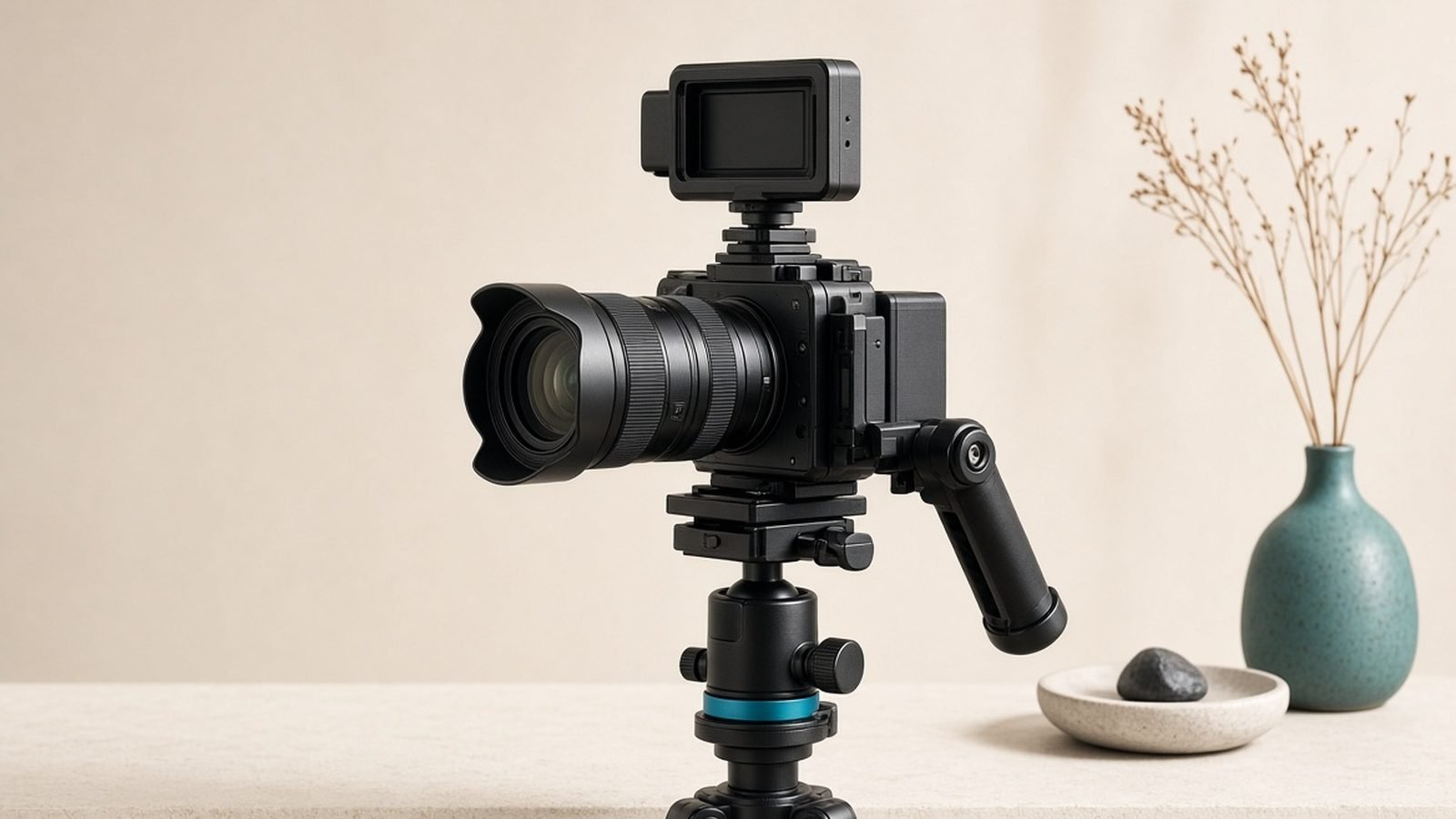
Ergonomics and usability. Blackmagic cameras favor rigged, deliberate shooting. Autofocus is basic or absent on many models, in-body stabilization is limited, and the bodies expect accessories (cages, external batteries, monitors) to be practical — poor for run-and-gun or solo handheld work.
Battery life and heat. Recording high-bitrate RAW is demanding; batteries drain quickly and some bodies can run warm, so external power is often part of the kit.
Support model. Customer service leans heavily on documentation, software updates and community forums rather than responsive one-to-one support. Capable users cope well; those wanting hand-holding may be frustrated.
Not general-purpose cameras. They excel at controlled video but are weak as everyday or stills cameras, so they suit a specific filmmaking use rather than a do-everything role.
Reliability & support
Based on aggregated user feedback, Blackmagic hardware is generally reliable for its intended professional use, with the most common frustrations being practical — short battery life, thermal management under heavy RAW recording, and media/workflow demands — rather than outright failures. Early production runs of new cameras occasionally ship with firmware quirks that later updates resolve, a pattern regular Blackmagic users plan around. The switchers and capture hardware have a strong track record in demanding live and broadcast environments.
Support is deliberately lean. Blackmagic provides extensive documentation, regular and substantial free firmware and software updates (Resolve improves markedly year over year at no cost), and an active user community and forums where much troubleshooting happens. Formal one-to-one customer service is less emphasized, which suits the professional, self-sufficient audience the brand targets but can frustrate newcomers. Warranty terms are standard. Net: reliable tools with outstanding ongoing software support, paired with a hands-off, community-driven service model that rewards users comfortable learning independently.
Who should buy Blackmagic Design
Buy Blackmagic if you: are a filmmaker, video creator, streamer or studio who wants cinema-grade image quality, a professional color and edit pipeline, or affordable live production — and you are willing to learn the tools and rig the cameras properly. The value on offer, especially with free DaVinci Resolve, is hard to beat for serious video work.
Look elsewhere if you: want an easy, autofocus-driven, grab-and-go camera for stills and casual video, need strong stabilization and long battery life out of the box, or don’t want a learning curve. In that case, a hybrid mirrorless body from our Best Mirrorless Cameras 2026: Full-Frame & APS-C guide will serve better, and Best Camera Gimbals 2026: Top Picks Compared & Ranked can add the movement Blackmagic bodies rely on rigs to achieve.
FAQ
Is Blackmagic a good brand?
Yes, especially for filmmakers. Blackmagic offers outstanding cinema image quality per dollar and, in DaVinci Resolve, one of the best professional editing and color tools at any price — with a capable free version. The main caveats are a steep learning curve and specialist, rig-oriented cameras rather than easy point-and-shoot gear.
Is Blackmagic reliable?
Generally yes for professional use. The hardware performs dependably when rigged and powered appropriately; the common frustrations are short battery life, heat under heavy RAW recording, and occasional firmware quirks on new models that updates fix. Its switchers and capture cards have a strong record in demanding live and broadcast settings.
Where is Blackmagic from and who owns it?
Blackmagic Design is an Australian company founded in 2001 by Grant Petty and headquartered in Melbourne. It is privately held and independent — not owned by a larger group — which lets it price professional features aggressively and fund generous free software like DaVinci Resolve.
Is DaVinci Resolve really free?
Yes. Blackmagic offers a genuinely capable free version of DaVinci Resolve with professional editing, color grading, Fusion visual effects and Fairlight audio. A paid Studio upgrade adds advanced features, higher-resolution and performance options, and some effects, but many creators complete professional work entirely on the free tier.
Is Blackmagic better than Sony or Canon cinema cameras?
For pure image quality per dollar and integration with a free professional color pipeline, Blackmagic is exceptional value. Sony and Canon typically win on autofocus, stabilization, battery life and grab-and-go usability. The right choice depends on whether you want a rigged, deliberate cinema tool or a versatile hybrid; see our Best Mirrorless Cameras 2026: Full-Frame & APS-C guide to compare.
Are Blackmagic cameras good for beginners?
Not as a first casual camera. They assume knowledge of exposure, RAW and color, lack the autofocus and stabilization beginners rely on, and expect rigging for practical use. A motivated beginner set on learning filmmaking can grow into one, but most newcomers are better served by an easier hybrid mirrorless camera first.
Zen Tech Hub may earn a commission from links on this page, at no extra cost to you.