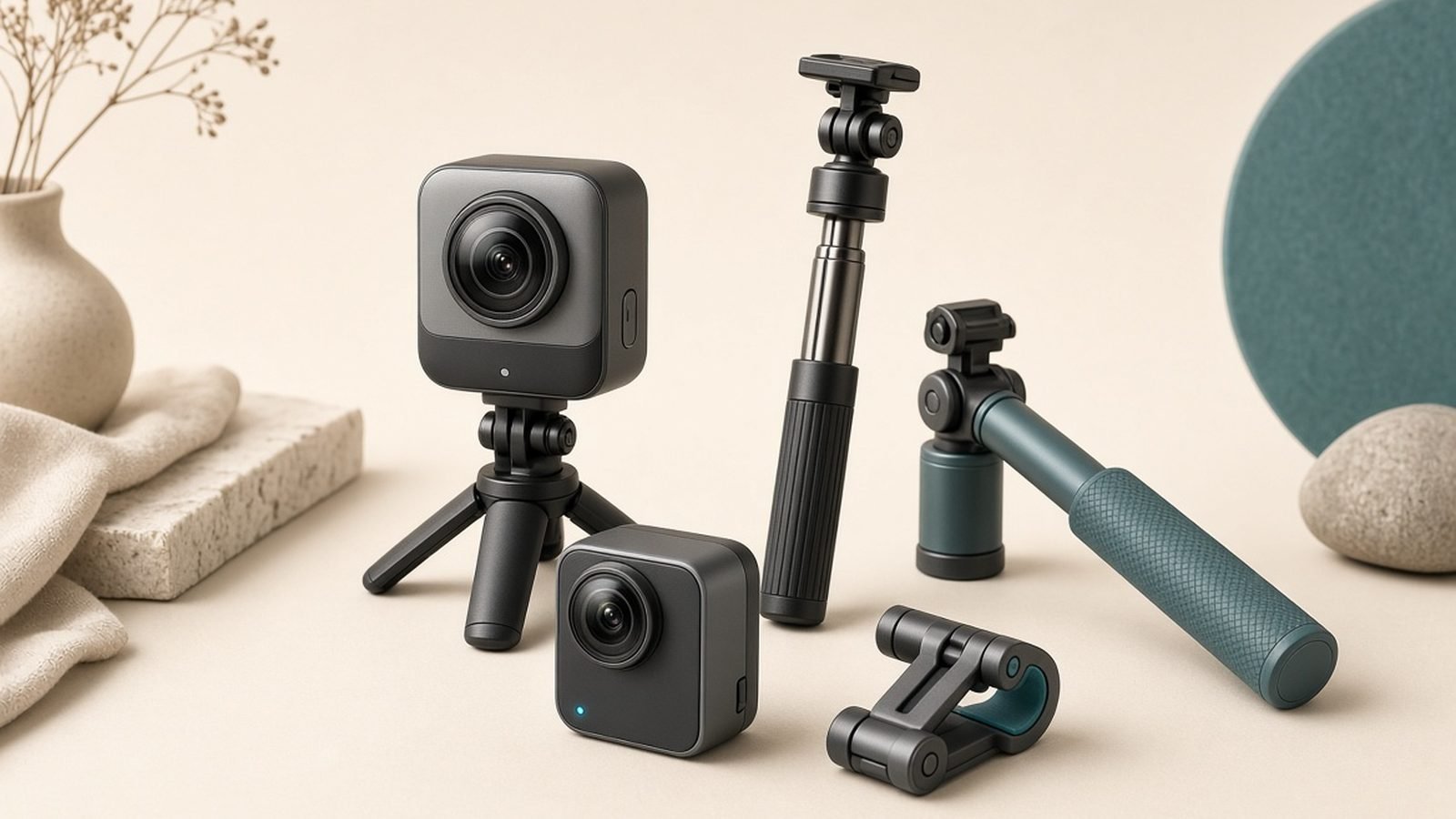
Insta360 has gone from scrappy 360-camera specialist to one of the most inventive names in action and creator cameras, and in 2026 it is often the most exciting brand in the category. Its 360 cameras, invisible-selfie-stick trick and magnetic mounting make it a favorite for creators who want angles GoPro and DJI can’t easily match. The trade-offs are real: the software and reframing workflow can be complex for beginners, and support and long-term firmware track records vary by region. If you value creative flexibility over point-and-shoot simplicity, Insta360 is a superb pick.
Verdict: The most creative action-and-360 brand for reframable footage and clever mounting. Best for content creators who will use its editing tools; the main caveats are a steeper software learning curve and uneven support experiences.
Company overview
Insta360 is the consumer brand of Arashi Vision, founded in 2015 by JK Liu and headquartered in Shenzhen, China. It made its name on consumer 360-degree cameras and rapidly expanded into flat-lens action cameras, pocket gimbal cameras, webcams and creator accessories. The company went public on China’s STAR Market, and while it is smaller than DJI, it has become the most credible challenger to GoPro in the action space and the clear leader in affordable 360 capture. It operates as an independent brand rather than a division of a larger group.
In plain terms, Insta360’s reputation is built on innovation and value. Reviewers repeatedly credit it with features rivals later copy — invisible selfie sticks, flow-state stabilization, modular lenses and AI-driven reframing. The flip side of moving fast is that its software ecosystem is broad and occasionally overwhelming, and its customer-support and warranty experience, as a Shenzhen-based company selling globally, is less uniform than a legacy Western brand’s. For creators who lean into its tools, though, few brands offer more per dollar.
What Insta360 makes
Insta360’s range spans several capture styles built around reframing and stabilization:
- 360 cameras (X series) — dual-lens spherical cameras that capture everything, letting you choose the shot afterward and hide the selfie stick for “drone-like” footage.
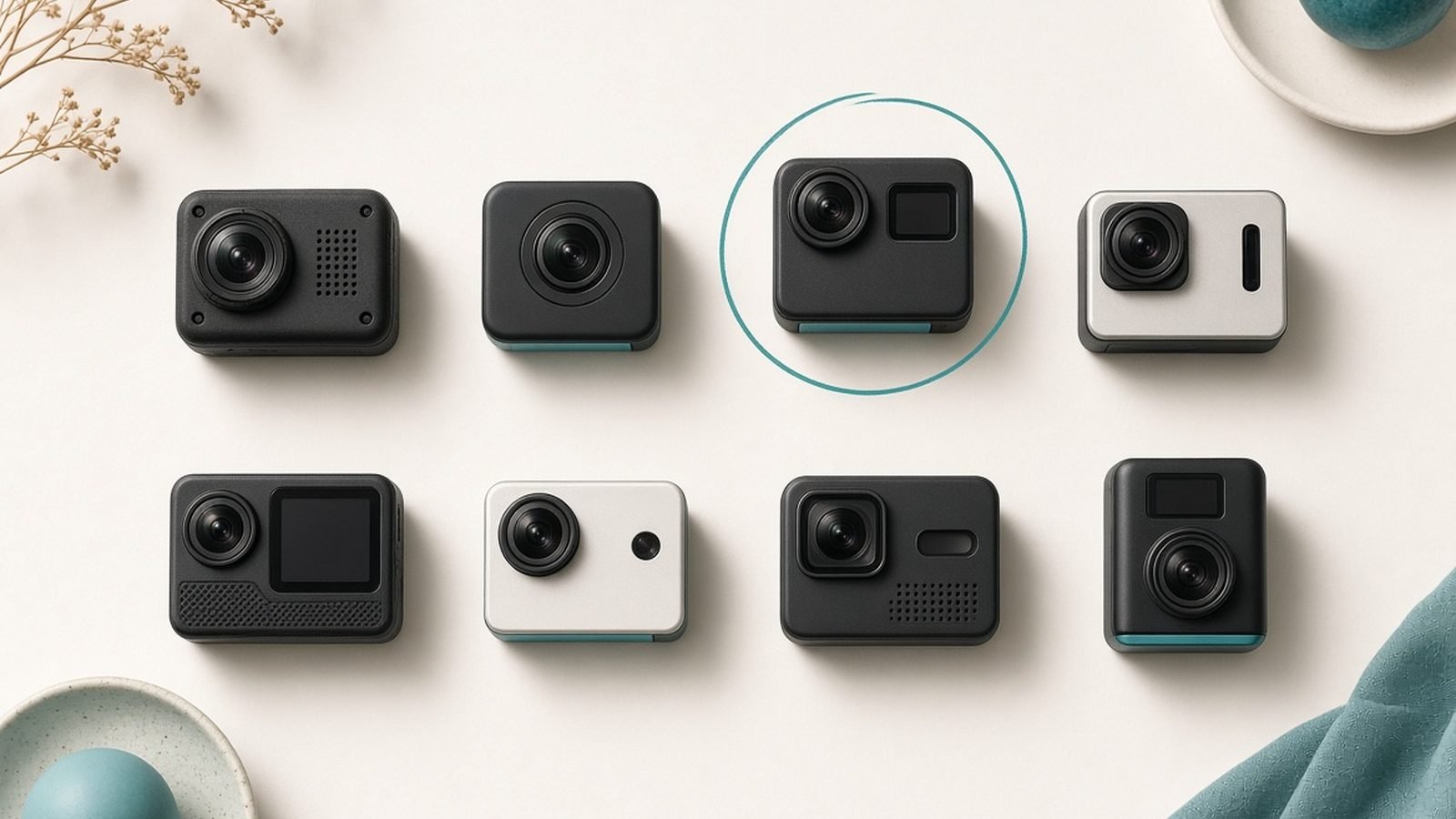
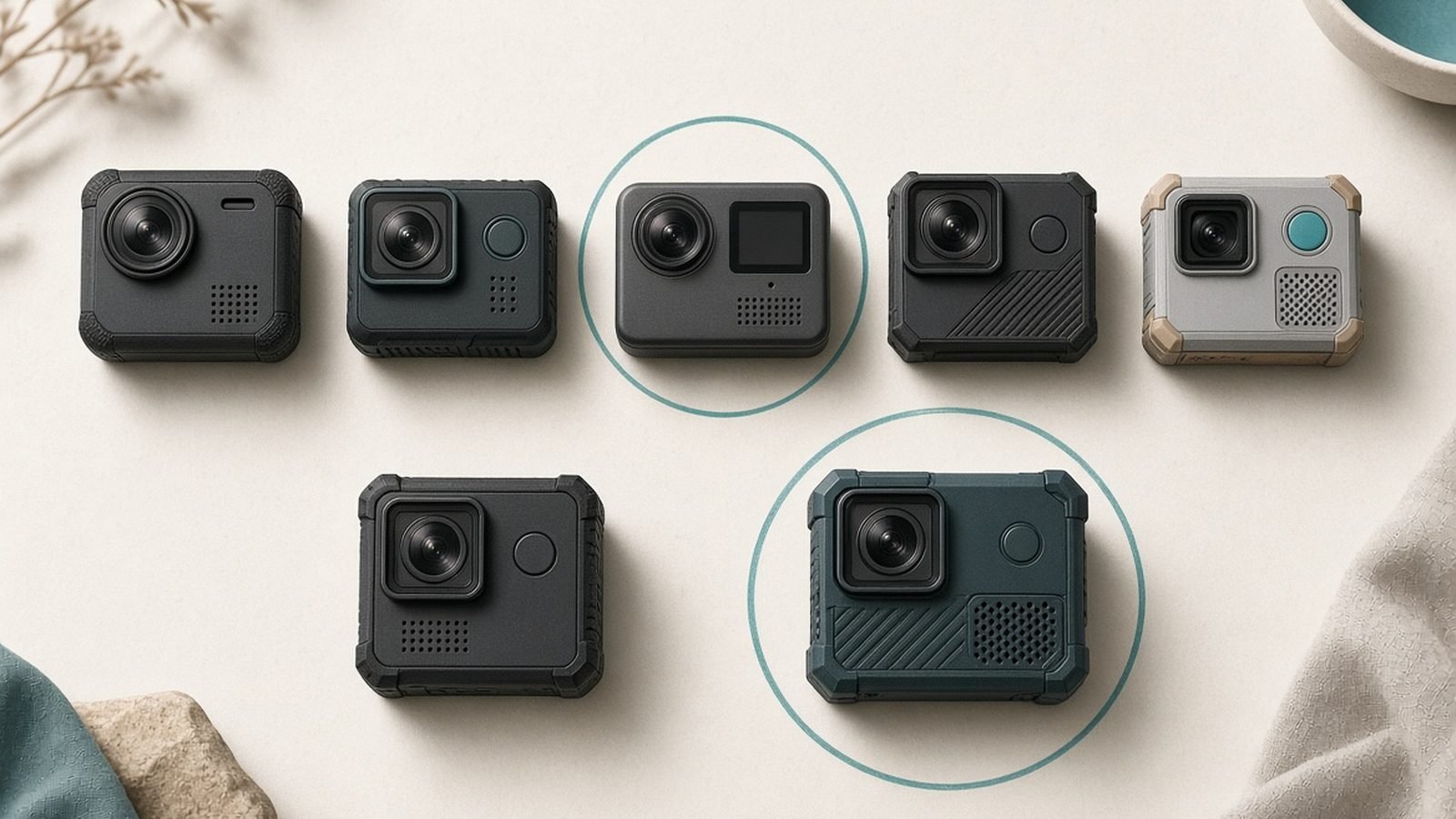
- Flat-lens action cameras (Ace series) — traditional single-lens action cameras with large sensors and AI features, aimed squarely at GoPro and DJI.
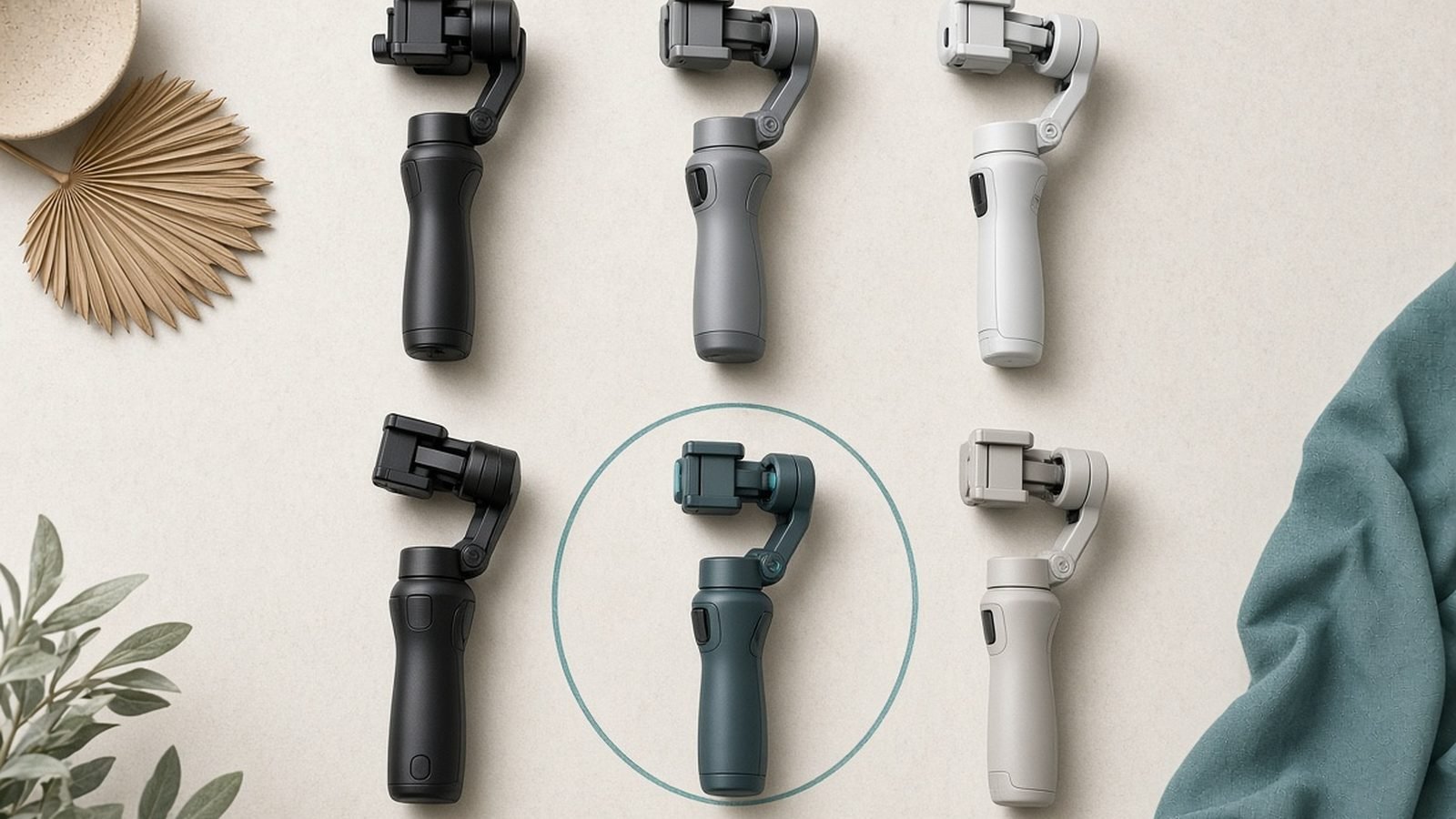
- Pocket gimbal cameras (GO and Flow lines) — tiny wearable cameras and phone gimbals for vlogging and hands-free capture.
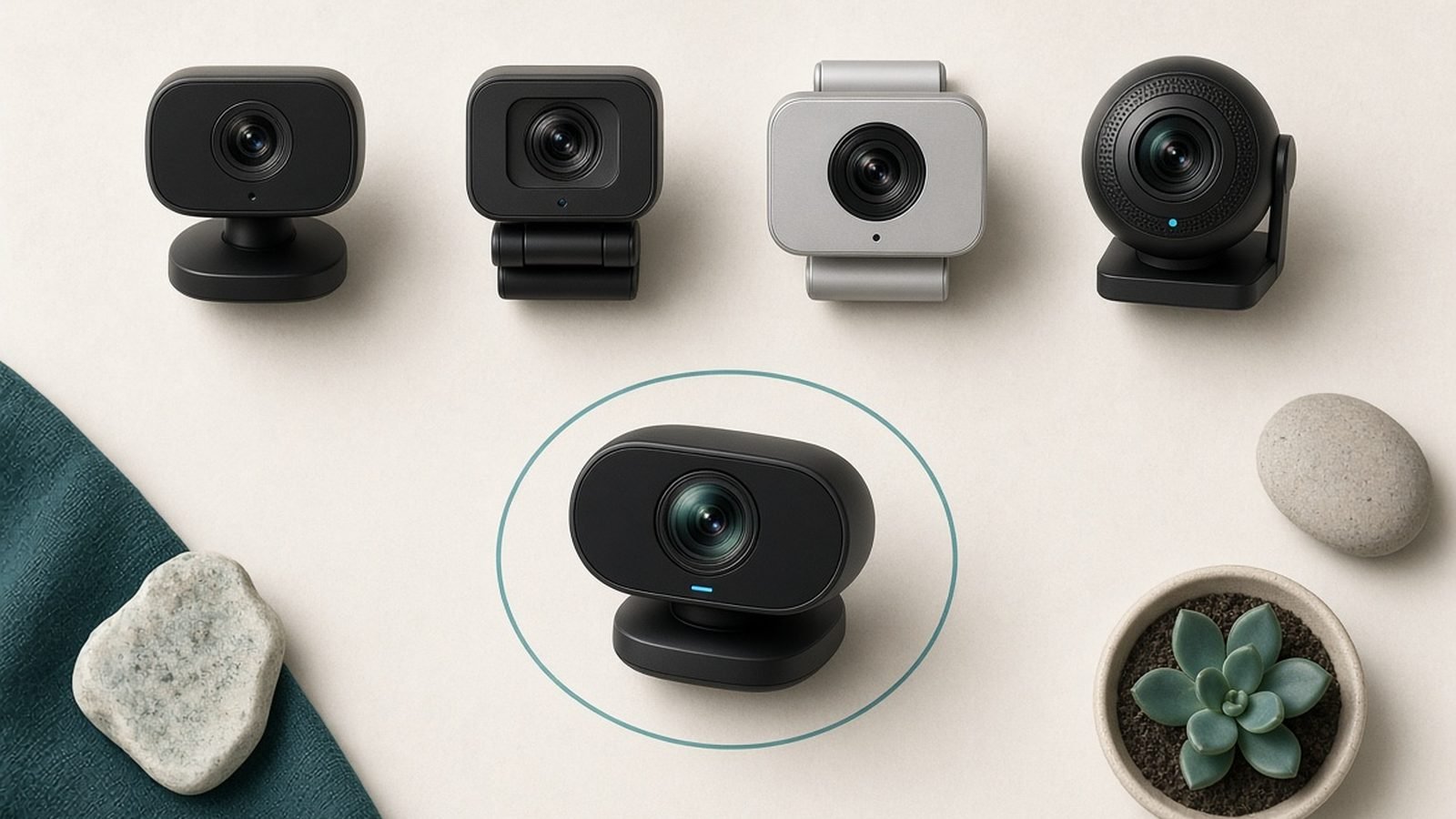
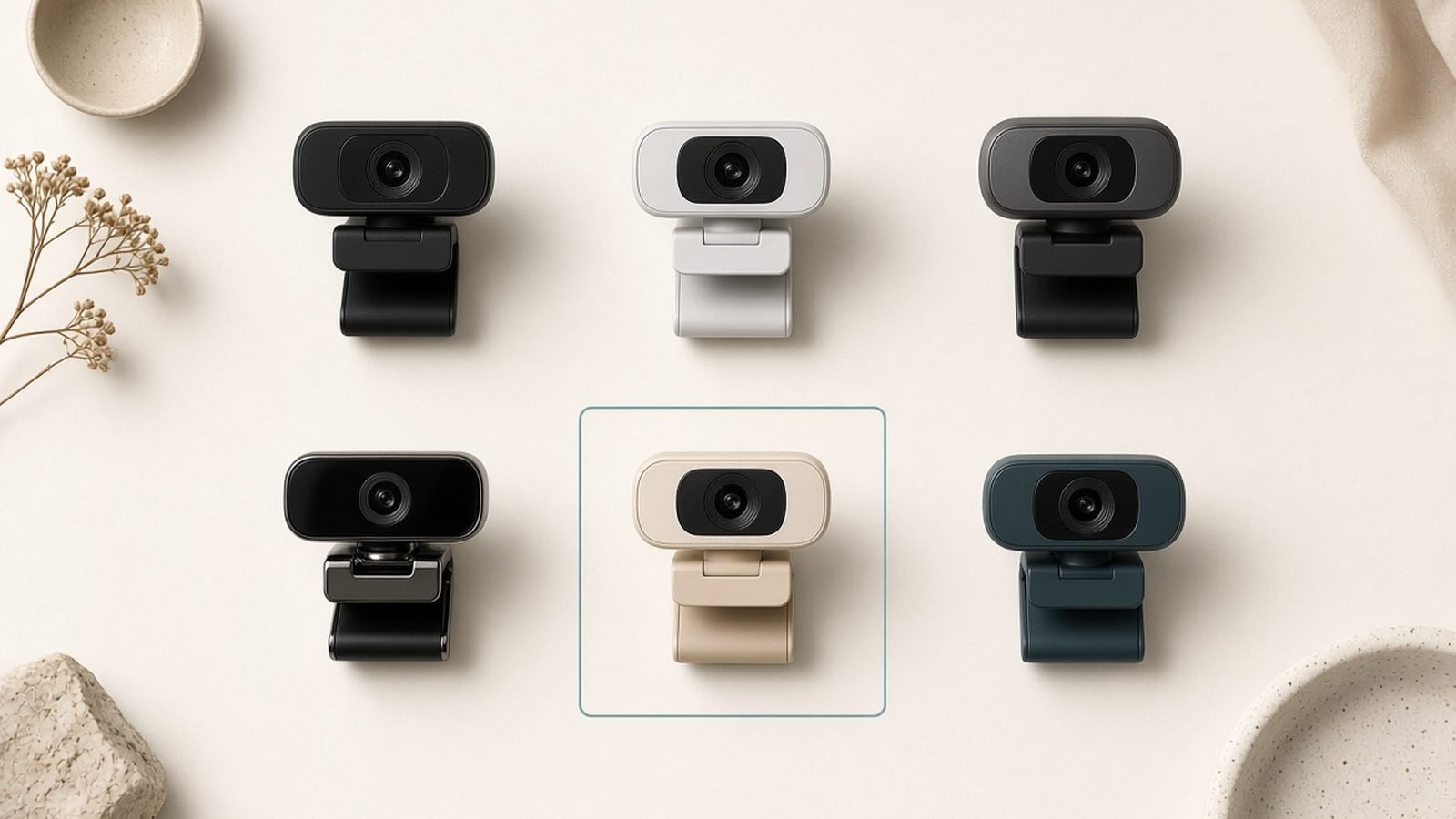
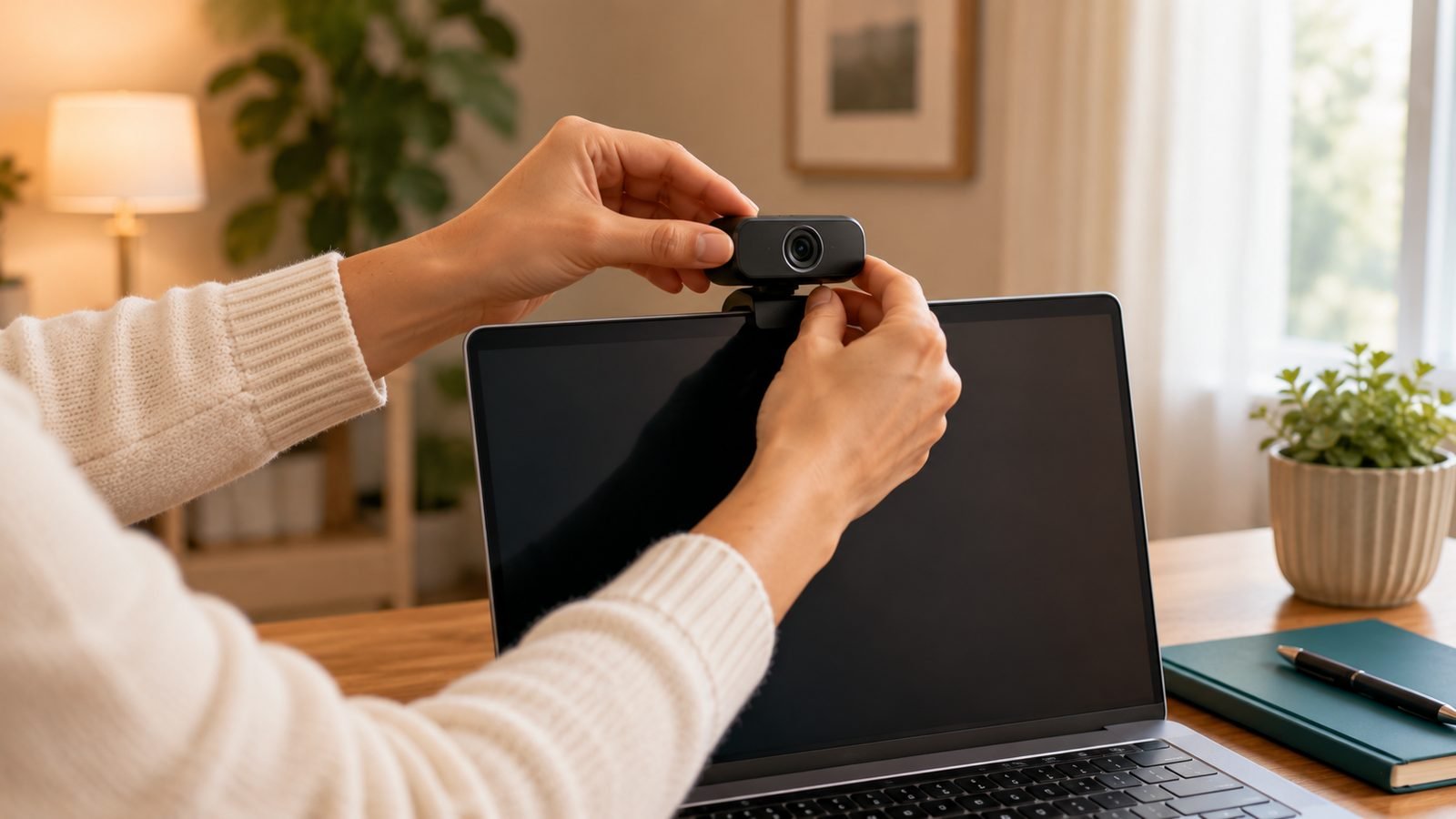
- Webcams and Link cameras — AI-tracking webcams for streamers and remote workers.
- Mounts, mics and accessories — magnetic mounts, selfie sticks, dive cases and audio add-ons that plug into the ecosystem.
The unifying idea is flexible framing: capture broadly, stabilize heavily, and decide the composition in the app.
Standout Insta360 products in 2026
The product that best captures Insta360’s identity is the Insta360 X5, the flagship 360 camera that features prominently in our Best Action Cameras 2026: GoPro, DJI & Insta360 coverage. Based on published specs, its larger sensors, improved low-light handling and signature reframing let creators shoot first and compose later, producing shots — invisible-stick follow cams, aerial-looking sweeps — that flat cameras simply cannot.
Across the rest of the range:
- Insta360 Ace Pro — the large-sensor flat-lens action camera co-engineered with Leica optics, a direct GoPro rival and a strong entry in Best Action Cameras 2026: GoPro, DJI & Insta360.
- Insta360 GO series — thumb-sized wearable cameras for hands-free POV, ideal where a full-size action cam is too bulky.
- Insta360 Flow phone gimbals — AI-tracking smartphone stabilizers that show up naturally in Best Camera Gimbals 2026: Top Picks Compared & Ranked.
- Link webcams — gimbal-mounted AI webcams popular with streamers and presenters.
Here is the flagship most creators should start with:
Strengths
Genuine innovation. Insta360 consistently ships features first — invisible selfie sticks, powerful reframing, flow-state stabilization and AI editing. It sets trends that larger rivals follow, and its cameras enable shots others can’t.
360 leadership and value. For consumer 360 capture, Insta360 is the clear leader on features per dollar, and its reframing workflow turns spherical footage into polished flat video with impressive ease.
Creative flexibility. Shooting everything and choosing the angle later is a genuinely different way to film. For creators, that flexibility is liberating and hard to replicate with fixed-lens cameras.
Strong stabilization and AI tools. FlowState stabilization is excellent, and AI-driven features — subject tracking, auto-highlight editing, gesture control — make good footage easier to get.
Modular, well-mounted hardware. Magnetic mounts, swappable lenses and a growing accessory range make the cameras versatile and easy to rig for sports, vlogging and travel.
Weaknesses & criticisms
Software complexity. The power of reframing comes with a learning curve. Editing 360 footage, exporting the right resolution and mastering the app takes time, and beginners can find the workflow and file sizes overwhelming compared with a simple GoPro clip.
Support and warranty consistency. As a global brand headquartered in Shenzhen, Insta360’s customer-support and RMA experiences vary by region and can be slower or more bureaucratic than a legacy Western brand’s. Some owners report friction resolving hardware issues.
Storage and processing demands. High-resolution 360 footage produces very large files and benefits from a capable phone or computer for reframing and export, which adds cost and effort behind the scenes.
Battery and lens vulnerability. Like all action cameras, battery life under heavy use is limited, and the exposed 360 lenses are more prone to scratches, so lens guards and care are effectively mandatory.
Feature sprawl. The rapid pace of new models and product lines can make it hard to know which Insta360 camera is right, and some features feel more like demos than everyday tools.
Reliability & support
Based on aggregated user feedback, Insta360 hardware is generally well-built and reliable, with the most frequent complaints centered on the exposed 360 lenses (scratching if unprotected), battery life under demanding recording, and occasional app or firmware quirks rather than structural failures. The cameras hold up to travel, sports and water use within their rated limits, and the modular designs make lens replacement or accessory swaps straightforward.
Support is the more variable element. Insta360 offers a standard warranty and an optional care plan covering accidental damage, which many owners recommend given how exposed the lenses are. Warranty and repair experiences differ by region, and some users report that resolving issues can take longer than with a domestic brand. On the software side, Insta360 is unusually active — frequent firmware and app updates add features and fix bugs — though the rapid cadence occasionally introduces new quirks. Overall the brand is reliable in daily use, with a support experience that is best cushioned by buying the optional protection plan.
Who should buy Insta360
Buy Insta360 if you: are a content creator, traveler or social-media filmmaker who wants shots others can’t get — invisible-stick follow cams, reframable 360 footage, hands-free wearable capture — and you are willing to spend time in the editing app to unlock it. It is also the best-value entry into serious 360 capture.
Look elsewhere if you: want the simplest possible point-and-shoot action camera, prefer a legacy brand’s support network, or don’t want to edit and reframe footage before sharing. In that case, compare more conventional options in our Best Action Cameras 2026: GoPro, DJI & Insta360 guide, and see Best Camera Gimbals 2026: Top Picks Compared & Ranked if smooth handheld phone video is your main goal.
FAQ
Is Insta360 a good brand?
Yes. Insta360 is one of the most innovative camera brands, leading consumer 360 capture and competing strongly with GoPro and DJI in action cameras. Its cameras enable creative shots rivals can’t easily match. The main caveats are a steeper software learning curve and support experiences that vary by region.
Is Insta360 reliable?
Generally yes. The hardware is well-made and holds up to travel, sports and water within its limits. The most common issues are scratched 360 lenses when guards aren’t used, limited battery life under heavy recording, and occasional app or firmware quirks rather than build failures. An optional care plan is worth considering given the exposed lenses.
Where is Insta360 from and who owns it?
Insta360 is the consumer brand of Arashi Vision, founded in 2015 and headquartered in Shenzhen, China. It is a publicly listed, independent company rather than a division of a larger group, and it has grown into the leading affordable 360-camera maker and a top GoPro challenger.
Is Insta360 better than GoPro?
It depends on your goals. Insta360 wins for 360 capture, reframable footage and creative flexibility, while GoPro leads on mount ecosystem, ruggedness pedigree and point-and-shoot simplicity. Insta360’s flat-lens Ace cameras compete directly with GoPro on specs. Compare current models in our Best Action Cameras 2026: GoPro, DJI & Insta360 guide.
Do I need to pay a subscription to use Insta360?
No. Core camera functionality and the editing apps work without a subscription, which is a meaningful contrast with some rivals. Insta360 does sell optional care and cloud plans, but the essential shooting and reframing experience does not require a recurring fee.
Is Insta360 hard to use for beginners?
The cameras themselves are approachable, but getting the most from 360 footage — reframing, choosing angles, exporting at the right settings — has a learning curve and produces large files. Beginners who just want quick clips may prefer a flat-lens action camera; those willing to learn the app are rewarded with unique shots.
Zen Tech Hub may earn a commission from links on this page, at no extra cost to you.