OnePlus built its name on “flagship killers” — near-flagship hardware sold well below the established brands — and the useful question in 2026 is how much of that bargain survives now that it competes head-on with Samsung and Google instead of undercutting them by half. Most of it does, in a narrower form: the money goes into speed, screens, battery and charging, and on performance and endurance for the price its phones remain hard to match. The trade-off that has defined the brand for a decade still applies to the rest, with camera consistency and the length of the update commitment a step behind the Pixel and Galaxy S lines. If speed and battery are your priorities, OnePlus is an easy recommendation; if photography or six-plus years of updates matter most, look elsewhere.
Verdict: A genuine flagship-killer brand that has matured into a mainstream premium player. Best for enthusiasts and value-focused buyers who want speed and battery over the last 10% of camera polish.
Company overview
OnePlus launched in 2013 with a simple pitch — “Never Settle” — selling near-flagship hardware direct to enthusiasts at prices well below the established brands. It was co-founded by Pete Lau and Carl Pei (who later left to start Nothing). The company is part of the BBK Electronics group, the same Chinese conglomerate behind Oppo, Vivo, Realme and iQOO, which is why OnePlus and Oppo now share a lot of software and hardware engineering.
Over time OnePlus shifted from invite-only “flagship killers” to a full-range brand with budget Nord phones, foldables, tablets, wearables and audio. That growth brought scale and better cameras, but purists argue it also blurred what made OnePlus special. In 2026 the brand sits firmly in the premium tier, competing head-on with Samsung and Google rather than undercutting them by half.
What OnePlus makes
OnePlus today is a full ecosystem brand, not just a phone maker:
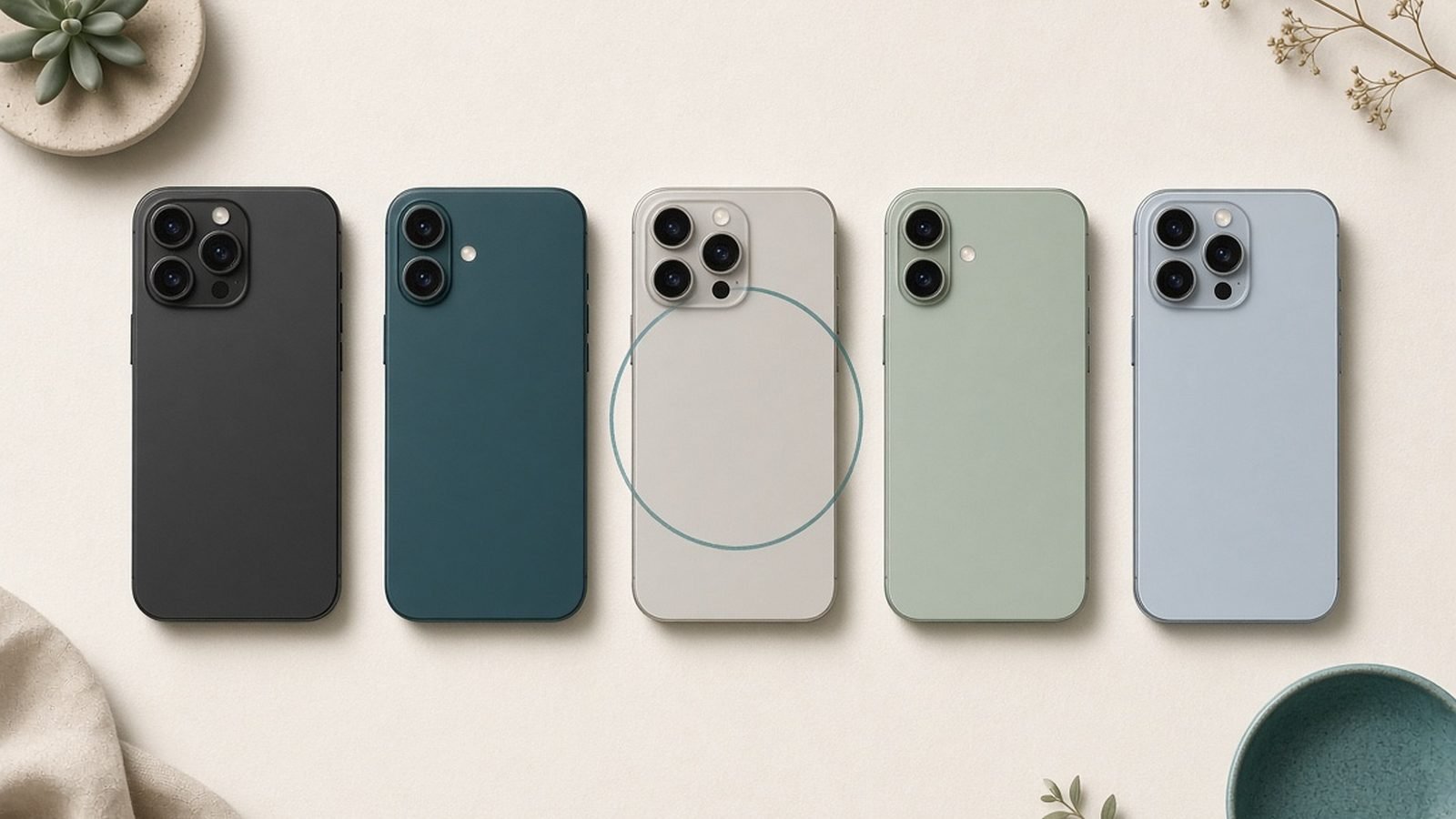
- Flagship phones — the numbered flagship line (OnePlus 15) and the more affordable “R” variant.
- Nord mid-range phones — solid value handsets that carry the flagship-killer spirit down to lower prices.
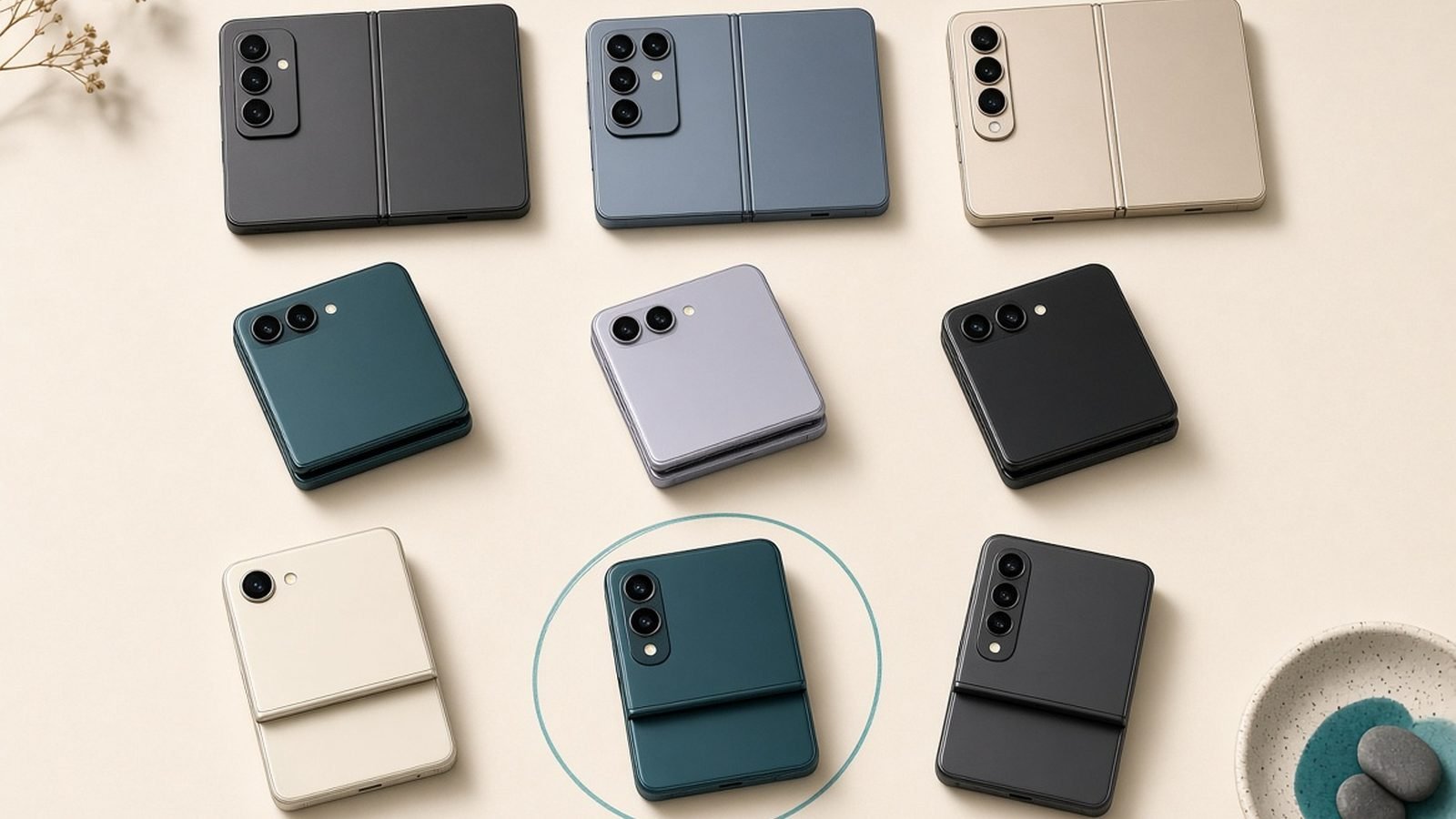
- Foldables — the OnePlus Open put the brand into the book-style foldable market with one of the best aspect ratios and app-continuity experiences around.
- Audio — OnePlus Buds Pro and Buds lines of true wireless earbuds.
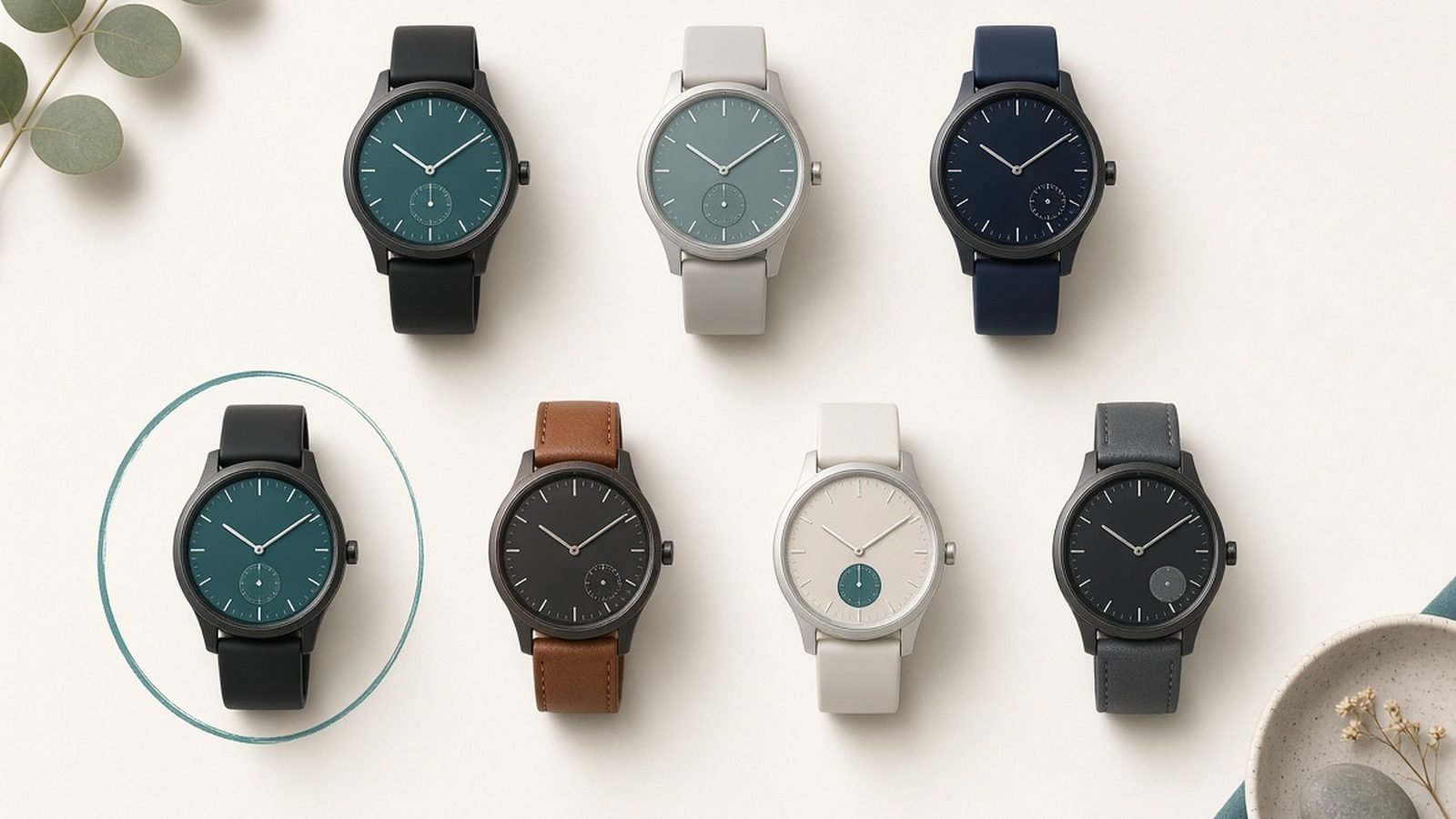
- Wearables — the OnePlus Watch line, running a mix of Wear OS and a custom power-saving layer for long battery life.
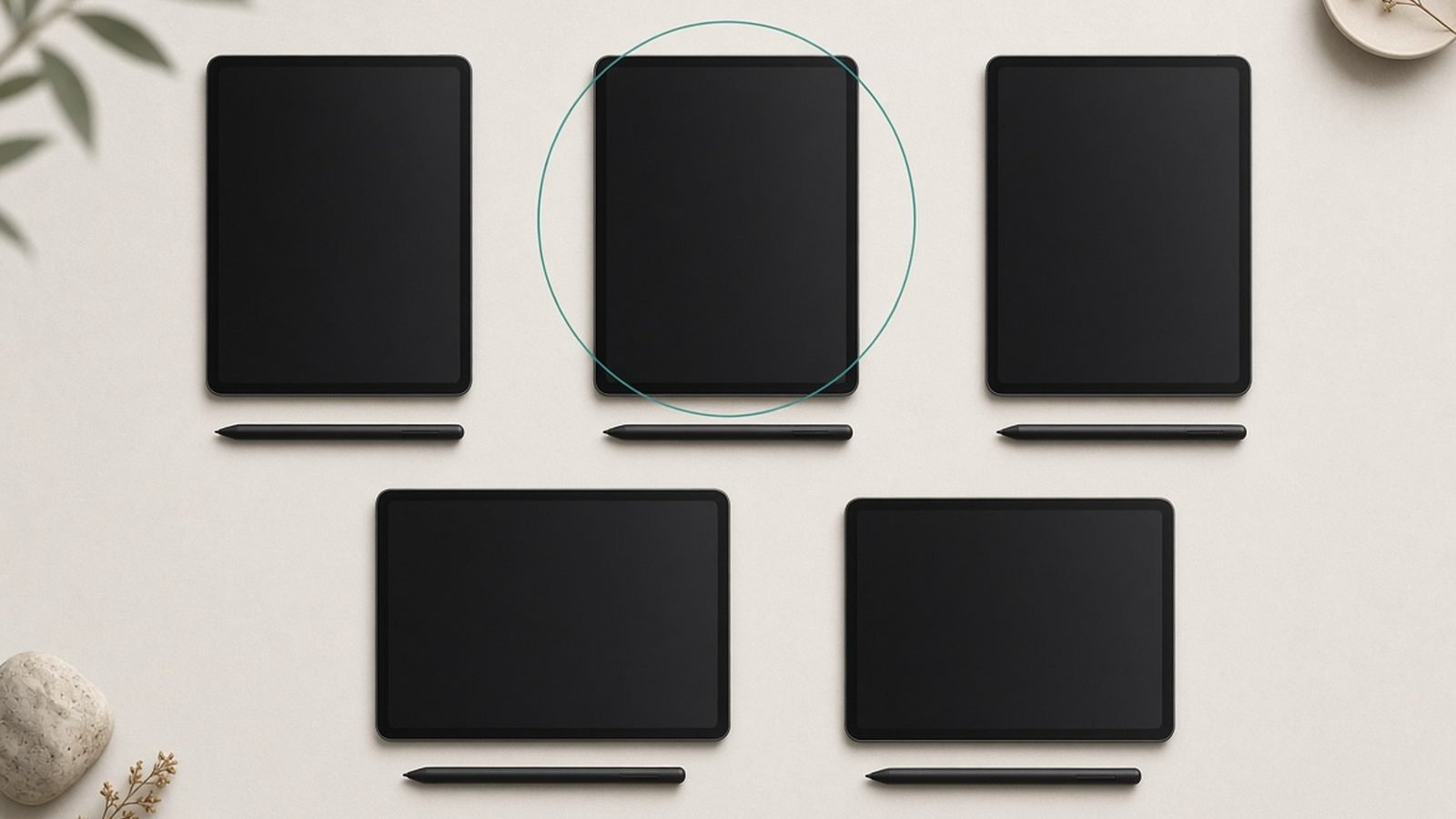
- Tablets — the OnePlus Pad series, aimed at media and light productivity.
- Accessories — SUPERVOOC/fast chargers, cases and the AirVOOC wireless stands.
The software thread tying it together is OxygenOS, historically praised as one of the cleanest and fastest Android skins.
Standout products in 2026
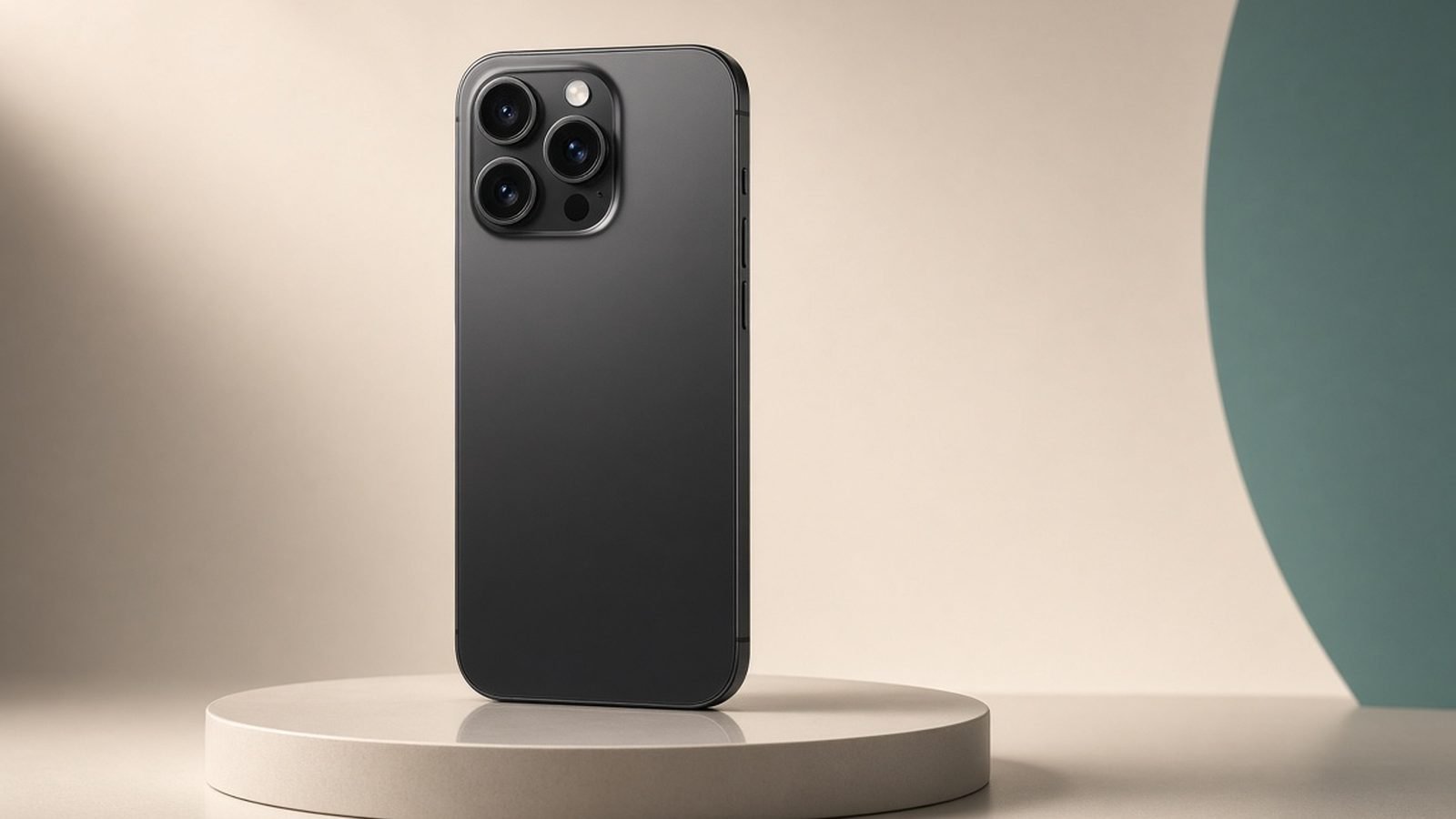
The headline device is the OnePlus 15, the brand’s clearest statement of intent for the year and a regular fixture in our Best Android Phones 2026: Flagship to Budget and Best Phones for Battery Life 2026: All-Day (and More) guides. Based on published specs, it pairs the latest Snapdragon 8-series flagship chip with a very high refresh-rate display (up to 165Hz), a large silicon-carbon battery well north of 7,000mAh, and extremely fast wired charging in the 100W+ range. For raw performance and endurance per dollar, few phones match it — see our full OnePlus 15 Review 2026: Flagship Speed for Less for the detail.
One notable 2026 change: OnePlus ended its long-running Hasselblad camera partnership on the OnePlus 15, moving to an in-house imaging engine. Based on early aggregated user reports, results are good but the split reset some of the color-science momentum the brand had built.
Beyond the flagship, the line-up worth knowing:
- OnePlus 15R / Nord flagships — near-flagship speed for less, ideal for Best Gaming Phones 2026: Top Performance Picks shoppers.
- OnePlus Open — still one of the most recommended book-style foldables, featured in Best Foldable Phones 2026: Fold & Flip Compared & Ranked.
- OnePlus Buds Pro 3 — competitive ANC earbuds that show up in Best Wireless Earbuds 2026: Top Picks Compared & Ranked shortlists.
- OnePlus Watch — a genuine multi-day smartwatch, a rarity on Wear OS, worth a look in Best Android Smartwatch 2026: Samsung, Pixel & More Compared.
If you want the flagship, this is the one to start with:
Strengths
Speed and fluidity. OnePlus phones consistently feel among the fastest Android devices you can buy, thanks to high refresh-rate panels, aggressive touch response and a light software layer. This is the brand’s signature and it holds in 2026.
Battery and charging. Large silicon-carbon batteries plus SUPERVOOC charging mean many OnePlus phones go from near-empty to usable in minutes and comfortably last a full day. It is arguably the brand’s biggest practical advantage over Apple and Google.
Displays. OnePlus routinely ships some of the best, brightest and smoothest OLED panels in the market, often ahead of what rivals offer at the same price.
Value. Even after moving upmarket, OnePlus typically undercuts the equivalent Galaxy S or iPhone while matching core specs. For buyers who read our Best Smartphones 2026: Top Picks for Every Budget guide and balk at $1,000+ prices, it is a compelling middle path.
Clean software (mostly). OxygenOS keeps bloat lighter than many rivals and adds genuinely useful customization.
Weaknesses & criticisms
Cameras trail the leaders. OnePlus has closed the gap enormously, but the Pixel and Galaxy S Ultra still generally win on consistency, computational processing and telephoto reach. Ending the Hasselblad tie-up in 2026 adds uncertainty here. If photography is your top priority, weigh our Best Camera Phones 2026: For Photos & Video picks first.
Software update policy. OnePlus has improved its update commitment, but based on published policies it still tends to lag Samsung and Google, who now offer up to seven years of OS and security updates on their flagships. Long-term keepers should factor this in.
OxygenOS and ColorOS convergence. As OnePlus and Oppo software merged, some longtime fans feel OxygenOS lost its distinct, minimalist character and picked up occasional bloat and notification quirks.
Feature trims. OnePlus has quietly removed beloved touches over the years (for example rethinking the physical alert slider on newer models), which frustrates fans who valued them.
US availability and carrier support. OnePlus support on some US carriers and its retail footprint remain thinner than the big two, which can matter for trade-ins, financing and repairs.
Reliability & support
Based on aggregated user feedback, OnePlus hardware is generally reliable, with build quality that has risen steadily into genuine premium territory. The most common long-term complaints center on software — occasional buggy updates, background app management that can be overly aggressive, and delayed rollouts — rather than failing hardware.
Warranty is typically the standard one-year manufacturer coverage, with OnePlus running a Red Cable Care program in some regions for extended benefits. Support quality varies by market: the direct-order model works smoothly for many buyers, but out-of-warranty repair networks are less widespread than Samsung’s or Apple’s. Because OnePlus sits within the BBK group, parts and service tend to be better in regions where Oppo also operates.
For update longevity specifically, check the exact commitment on the model you are buying rather than assuming the flagship policy applies across Nord and older devices.
Who should buy
Buy OnePlus if you want: the fastest-feeling Android experience, the best battery and charging in the class, a superb display, and flagship performance for less than Samsung or Apple. It is ideal for gamers, power users and value-driven upgraders.
Look elsewhere if you want: the very best point-and-shoot camera consistency (Pixel), the longest guaranteed software support and the deepest ecosystem (Samsung/Apple), or the widest in-person repair coverage. Photography-first and buy-it-for-a-decade users are better served by rivals in our Best Smartphones 2026: Top Picks for Every Budget guide.
FAQ
Is OnePlus a good brand in 2026?
Yes. OnePlus makes some of the best value premium Android phones you can buy, with standout speed, battery life and displays. Its main weaknesses are camera consistency versus the leaders and a shorter software-update promise, but for most buyers the overall package is excellent.
Is OnePlus better than Samsung?
It depends on priorities. OnePlus usually wins on charging speed, price and raw fluidity; Samsung wins on camera versatility, software support length, ecosystem breadth and resale value. Speed-and-value buyers lean OnePlus; do-everything buyers lean Samsung.
How long does OnePlus support its phones with updates?
OnePlus has extended its update windows in recent years, but based on published policies it generally offers fewer guaranteed OS and security years than Samsung and Google’s seven-year commitments. Always confirm the exact promise for your specific model.
Did OnePlus drop Hasselblad cameras?
On the OnePlus 15, OnePlus moved away from its Hasselblad co-engineering to an in-house imaging system. Based on early user reports the cameras remain strong, but the change reset some of the color-tuning identity the partnership had built.
Are OnePlus phones sold and supported in the US?
Yes, OnePlus sells flagships in the US, though carrier support and retail presence are narrower than Samsung’s or Apple’s. Check compatibility and financing with your specific carrier before buying.
What is OxygenOS like?
OxygenOS is OnePlus’s Android skin, long praised for being fast and relatively clean with useful customization. After the software merger with Oppo’s ColorOS, some users feel it has become slightly heavier, though it remains among the more fluid Android experiences.
Zen Tech Hub may earn a commission from links on this page, at no extra cost to you.