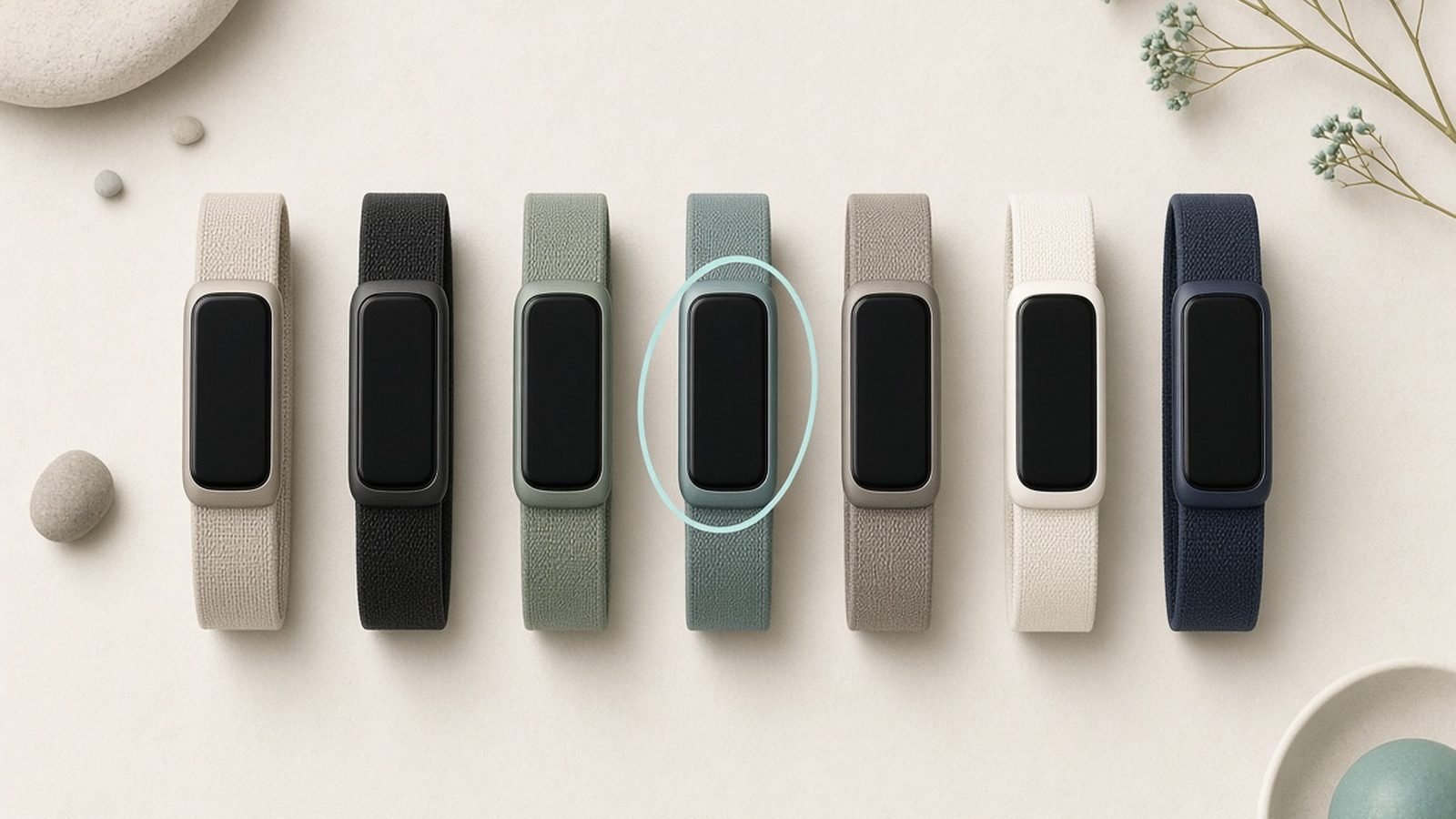
WHOOP is the wearable for people who care less about “how many steps” and more about “am I recovered enough to train hard today.” It’s a small, screenless band that lives on your wrist (or bicep) and turns your sleep, heart-rate variability and daily strain into a single recovery score each morning. For committed athletes and biohackers, it’s one of the best coaching tools money can rent — and “rent” is the key word.
The big caveat up front: WHOOP is subscription-only. There’s no screen, no one-time purchase, and no functionality without an active membership. When you stop paying, the band stops being useful. If that model puts you off, WHOOP isn’t for you. If you’ll genuinely act on daily recovery guidance, few brands do it better. Here’s the balanced view.
Company overview
WHOOP is a private American company founded in 2012 and headquartered in Boston, Massachusetts. It grew out of founder Will Ahmed’s college research into overtraining and heart-rate variability, and built its reputation among professional and endurance athletes before expanding to the general fitness market. It remains venture-backed and privately held — it is not owned by a larger consumer-electronics group, which is unusual in this space.
WHOOP’s reputation is polarized in a telling way: the people who love it really love it (elite athletes, CrossFit devotees, ultrarunners), while skeptics question whether the subscription and the recovery science justify the cost. In plain terms, it’s a respected, specialist brand with a cult following — not a mass-market name like Fitbit, and deliberately so.
What WHOOP makes
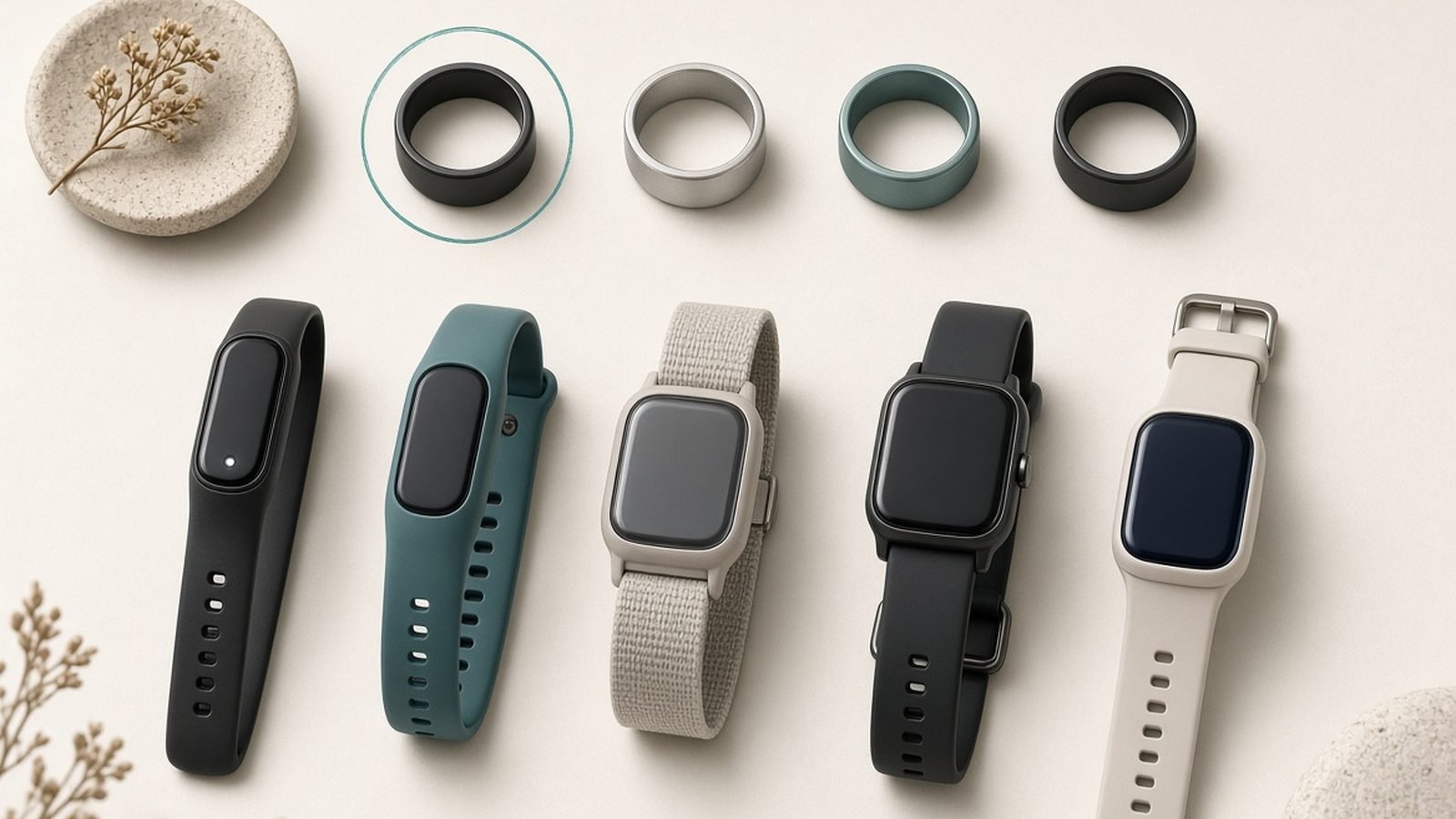
WHOOP’s product is narrow by design — it makes essentially one thing, refined over generations:
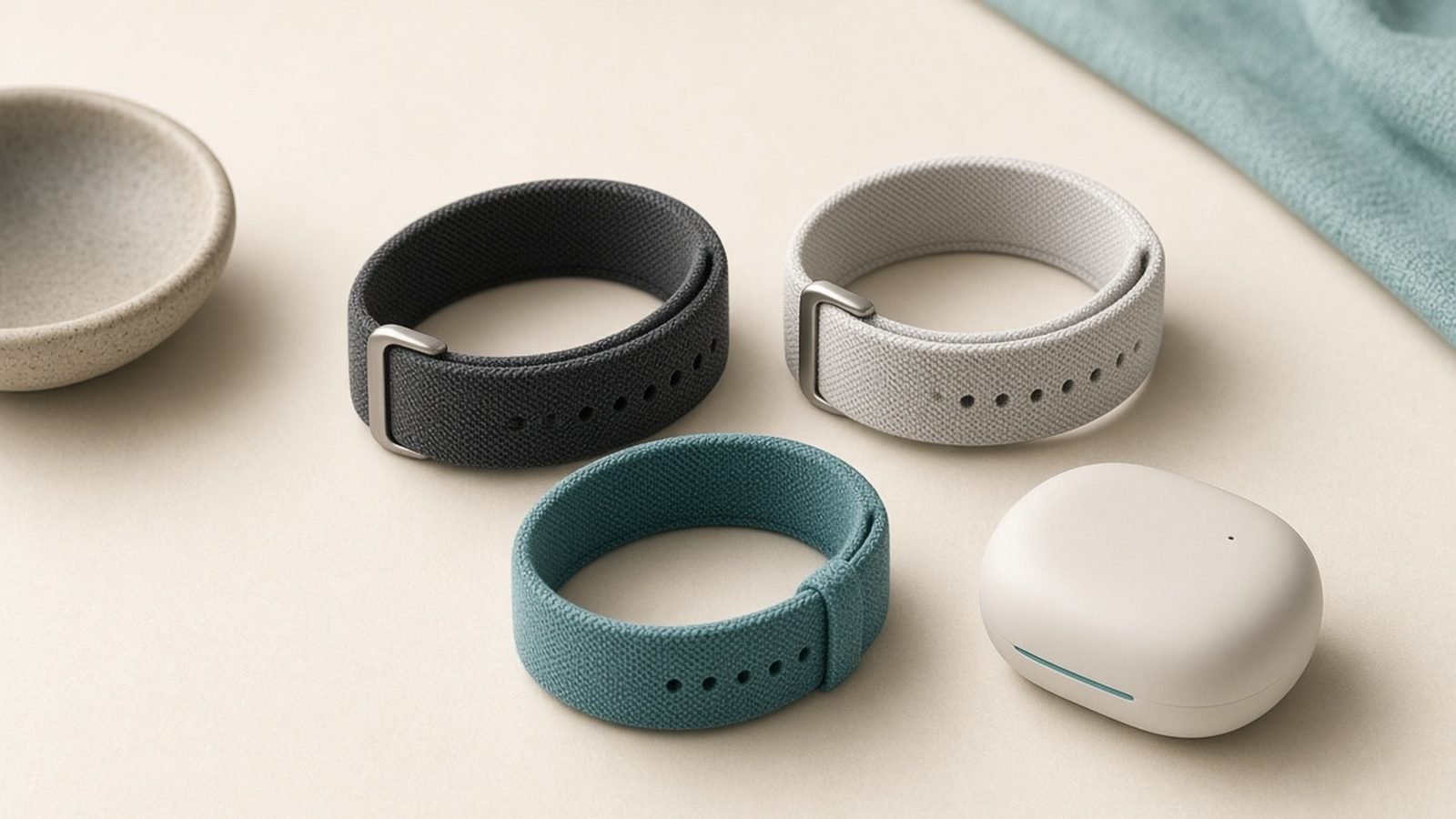
- The WHOOP band — a screenless, sensor-only wearable that continuously tracks heart rate, HRV, respiratory rate, skin temperature, blood oxygen and (on the latest hardware) ECG-based readings.
- The WHOOP membership — the software and analytics that are the actual product: daily Recovery, Strain and Sleep scores, a Health Monitor, a Stress Monitor, and coaching insights. The hardware is included with the membership rather than sold separately.
- Apparel and accessories — the “Any-Wear” range lets you move the sensor off the wrist into compression sleeves, sports bras and boxers for 24/7 wear during training or sleep.
Standout WHOOP products in 2026
- WHOOP 5.0 — the current-generation band: smaller, with a longer 14-day battery life and faster processor, sold as part of a membership. It’s the mainstream choice and the platform most features are built around. Around $199 / £169 per year for the entry membership. See where it lands against wrist trackers in our Best Fitness Trackers 2026: Bands That Beat Smartwatches guide.
- WHOOP MG (Medical Grade) — the top tier, adding on-demand ECG for atrial-fibrillation screening and blood-pressure insights, aimed at users who want clinical-leaning health metrics alongside training data.
- WHOOP membership tiers — One, Peak and Life, which bundle different hardware and health features at different annual prices.
- WHOOP Body (Any-Wear) — the garment range that makes WHOOP one of the best options for people who hate wearing anything on their wrist.
Because WHOOP’s overnight tracking is a core strength, it also appears in our Best Sleep Trackers 2026: Rings, Bands & Watches Ranked roundup.
Strengths
- Best-in-class recovery and strain coaching. The daily Recovery score, built on HRV and resting heart rate, is genuinely actionable — it’s the feature athletes stay for.
- Excellent sleep analysis. Detailed sleep stages, sleep-need calculations and a sleep coach make it one of the strongest overnight trackers available.
- Comfortable, screenless, always-on. No distracting display, no notifications tempting you — just continuous 24/7 data, including during workouts and sleep.
- Off-wrist flexibility. The Any-Wear garments let you keep tracking without a wristband, which no mainstream rival matches as thoroughly.
- Hardware upgrades are usually included. Loyal members have historically received new hardware as part of their membership, softening the sting of the subscription.
Weaknesses & criticisms
- Subscription-only, forever. You never own a functioning device. Cancel and the band becomes a bracelet. At around $199 / £169+ a year, the lifetime cost dwarfs a one-off tracker.
- No screen and no standalone features. No time, no notifications, no on-device metrics — you must open your phone for everything. That’s a dealbreaker for anyone wanting a do-it-all wearable.
- The 2025 upgrade controversy. When WHOOP 5.0 launched, the company initially told some existing members they’d have to pay an upgrade fee or extend their contract to get the new hardware — contradicting the “free upgrades” expectation it had cultivated. After significant backlash, WHOOP walked the policy back, but it dented trust and is worth knowing before you commit.
- Recovery science is debated. HRV-based recovery is a useful trend tool, not a medical verdict, and independent accuracy varies by person and skin tone. Treat scores as guidance, not gospel.
- No GPS or contactless payments. It leans on your phone for location, and there’s no tap-to-pay or music control.
- Membership lock-in. Annual commitments and the cancellation process have drawn complaints; read the terms before signing up.
Reliability & support
The band hardware itself is generally durable and comfortable, with good water resistance for swimming and showering. The most common gripes are battery-pack charging quirks (WHOOP uses a slide-on battery so you never remove the band to charge), sensor contact under very sweaty or loose-fit conditions, and occasional sync issues with the app.
Because the value lives in software, update cadence is strong — WHOOP ships new metrics and refinements regularly, and members get them automatically. Warranty and replacement are handled through the membership: in-warranty defects are typically replaced without much fuss, which is a real advantage of the rental model. Customer-service reputation is decent but not flawless; billing, cancellation and the 2025 upgrade episode are the recurring sore spots, not the hardware.
Who should buy WHOOP
Buy WHOOP if you train seriously — endurance sport, strength, CrossFit, competitive fitness — and will actually change your training and recovery based on daily data. It’s also excellent for people who dislike wearing a watch and want discreet, screenless, 24/7 monitoring. If sleep and recovery optimization is your primary goal, WHOOP is among the very best.
Look elsewhere if you want a one-time purchase you fully own, if you need a screen, notifications, GPS or payments, or if you’re a casual user who just wants step counts and a nudge to move — a Fitbit or an Amazfit will cost far less over time. Those torn between WHOOP and a smart ring should also weigh Oura, which offers similar recovery insight in a screenless ring.
FAQ
Is WHOOP a good brand?
Yes, for its niche. WHOOP makes one of the best recovery-and-sleep coaching tools available and has a devoted athlete following. It’s a poor fit if you dislike subscriptions, need a screen, or only want basic activity tracking — in those cases it’s overkill.
Is WHOOP reliable?
The hardware is durable and the software is actively developed and improved. Reliability complaints center on billing, cancellation and the 2025 upgrade-fee reversal rather than the band failing. Recovery scores are a useful trend, not a medical diagnosis.
Where is WHOOP from and who owns it?
WHOOP is an American company founded in 2012 and based in Boston, Massachusetts. It is privately held and venture-backed — not owned by a larger consumer-tech corporation.
Is the WHOOP subscription worth it?
It’s worth it only if you’ll act on the daily recovery, strain and sleep guidance. For dedicated athletes, many find the coaching pays for itself. For casual users, the ongoing cost — around $199 / £169+ a year — is hard to justify versus a cheaper tracker you own outright.
WHOOP vs Oura — which should I choose?
Both are screenless recovery trackers with subscriptions. WHOOP leans toward workout strain and athletic training; Oura leans toward sleep, readiness and all-day comfort in a ring form factor. Pick WHOOP if training load matters most, Oura if sleep and everyday wellness do.
What happens if I stop paying for WHOOP?
The band stops functioning as a tracker — there’s no offline or standalone mode. This is the biggest structural downside: you’re renting access, not buying a device you keep.
Zen Tech Hub may earn a commission from links on this page, at no extra cost to you.