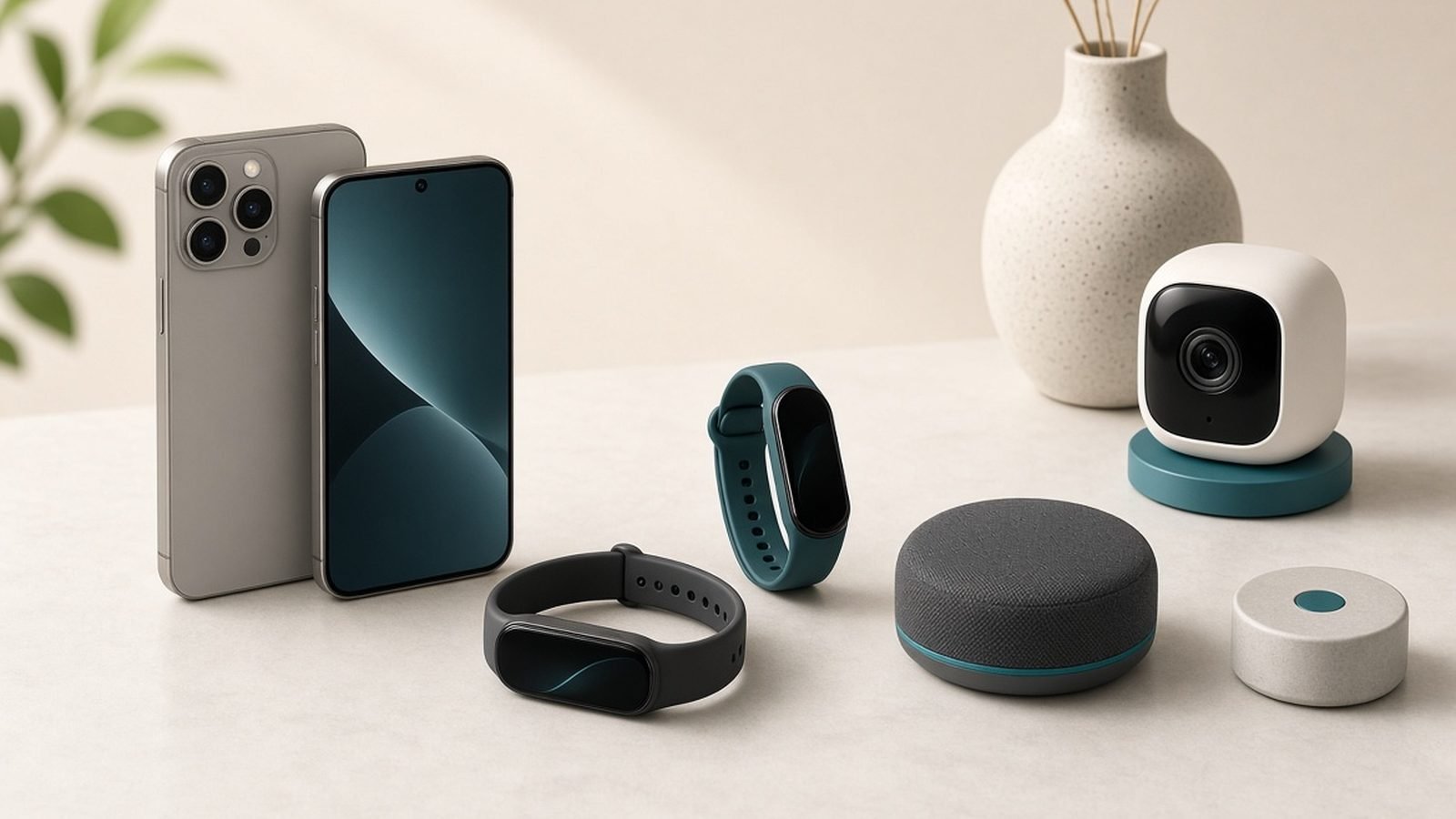
Xiaomi’s founding playbook — sell high-spec hardware at razor-thin margins and let a devoted fan community do the marketing — still explains everything about buying from it in 2026. The margins are why a Leica-tuned flagship, a tablet, a wearable or a houseful of smart-home gear costs visibly less than the big-brand equivalent, and why the empire now stretches to an electric car in China. The catches sit alongside: software that has historically carried ads and bloat, official availability and support that thin out in some Western markets (the US especially), and update longevity that trails the leaders. Where Xiaomi sells and supports its products properly, the value is hard to beat; elsewhere, the discount is doing more work than it should.
Verdict: A phenomenal value brand with genuine flagship ambitions. Best for spec-hungry buyers in supported markets; a harder sell where support and clean software matter most.
Company overview
Founded in 2010 by Lei Jun, Xiaomi rose fast by selling high-spec phones at razor-thin margins and building a loyal fan community (“Mi Fans”) around online launches. It has since become one of the largest smartphone makers in the world and expanded into an enormous connected-hardware empire spanning home appliances, wearables, laptops, TVs, scooters and even electric cars (the Xiaomi SU7, sold in China).
Xiaomi’s strategy is to make thin margins on hardware and build a loyal ecosystem, monetizing through services and volume. That approach explains both its unbeatable prices and some of its most-criticized decisions, like advertising inside its own software. The company operates a multi-brand structure — Xiaomi for the mainstream and premium lines, Redmi for budget and mid-range, and POCO for performance-per-dollar enthusiasts.
What Xiaomi makes
Few companies make as broad a range as Xiaomi:
- Smartphones — the flagship Xiaomi numbered series plus Redmi and POCO covering every price point.
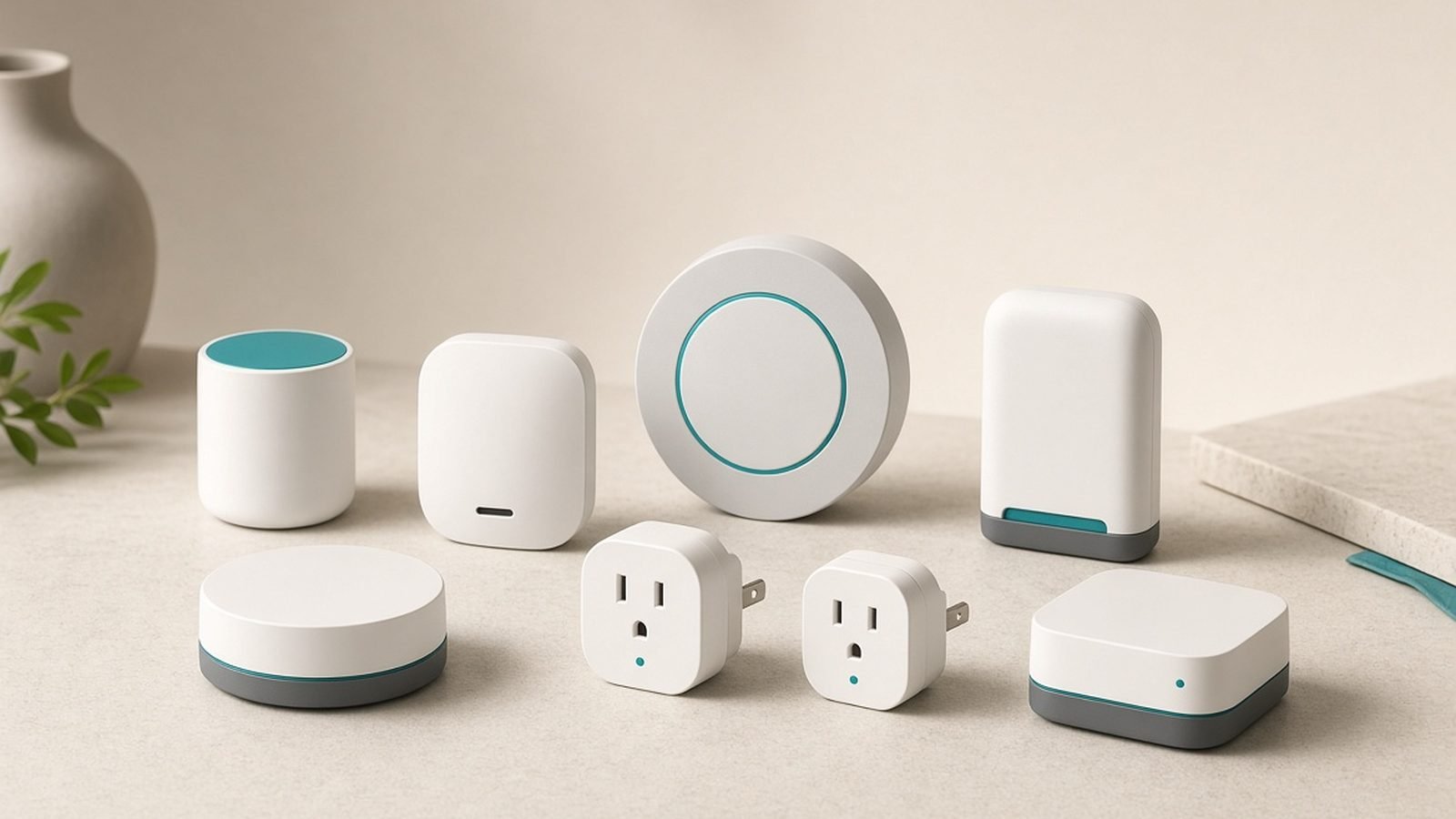
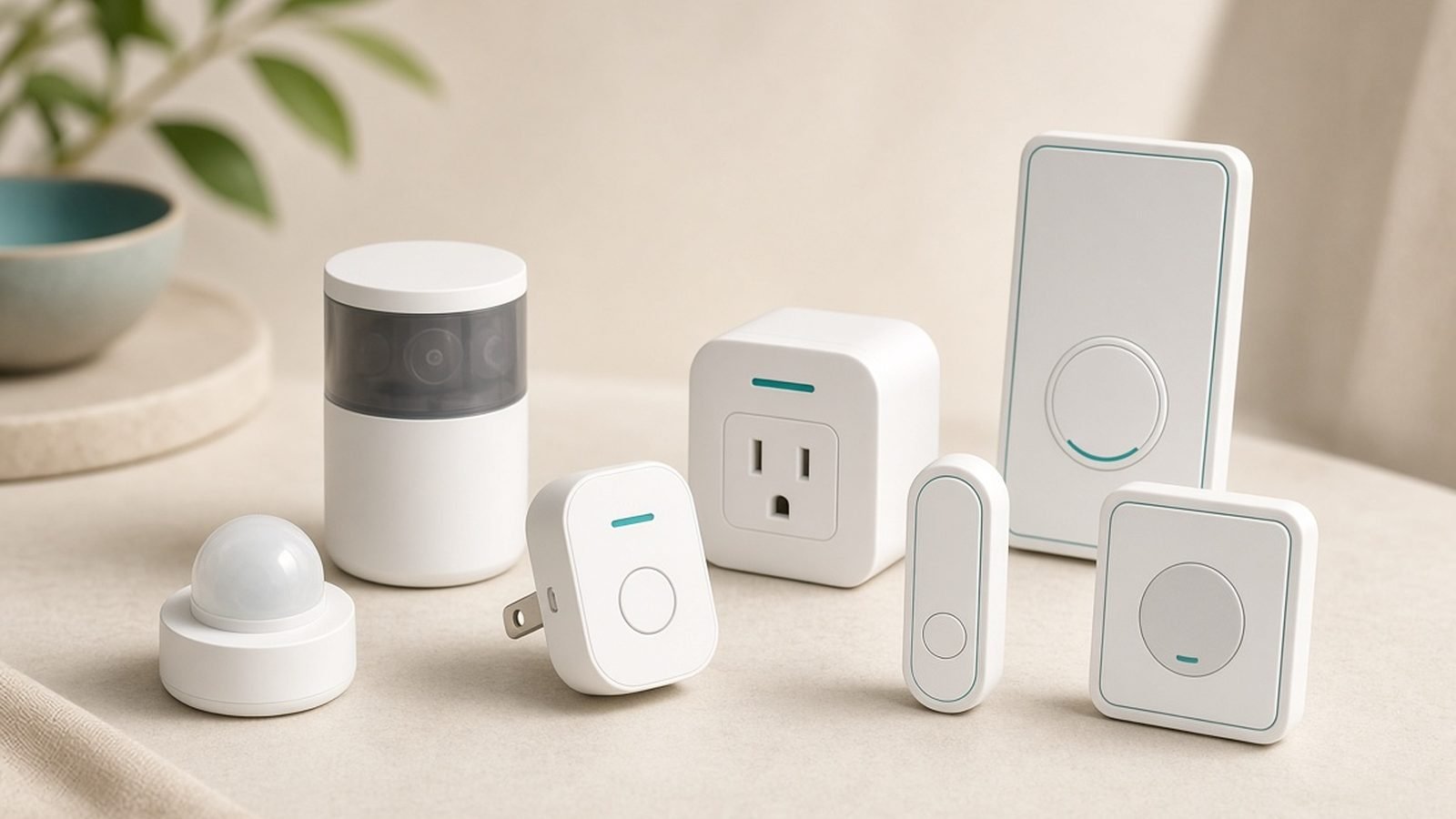
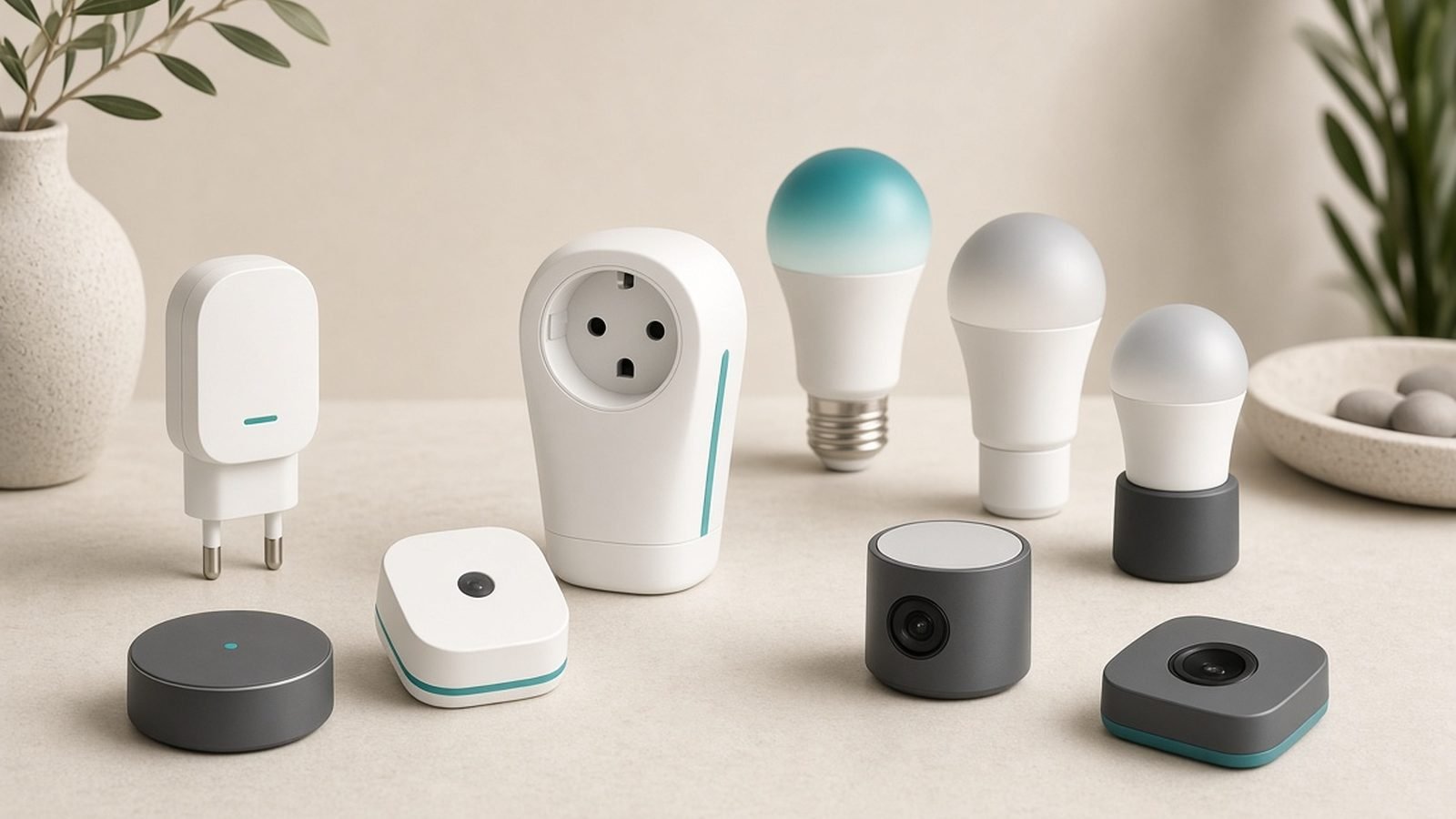
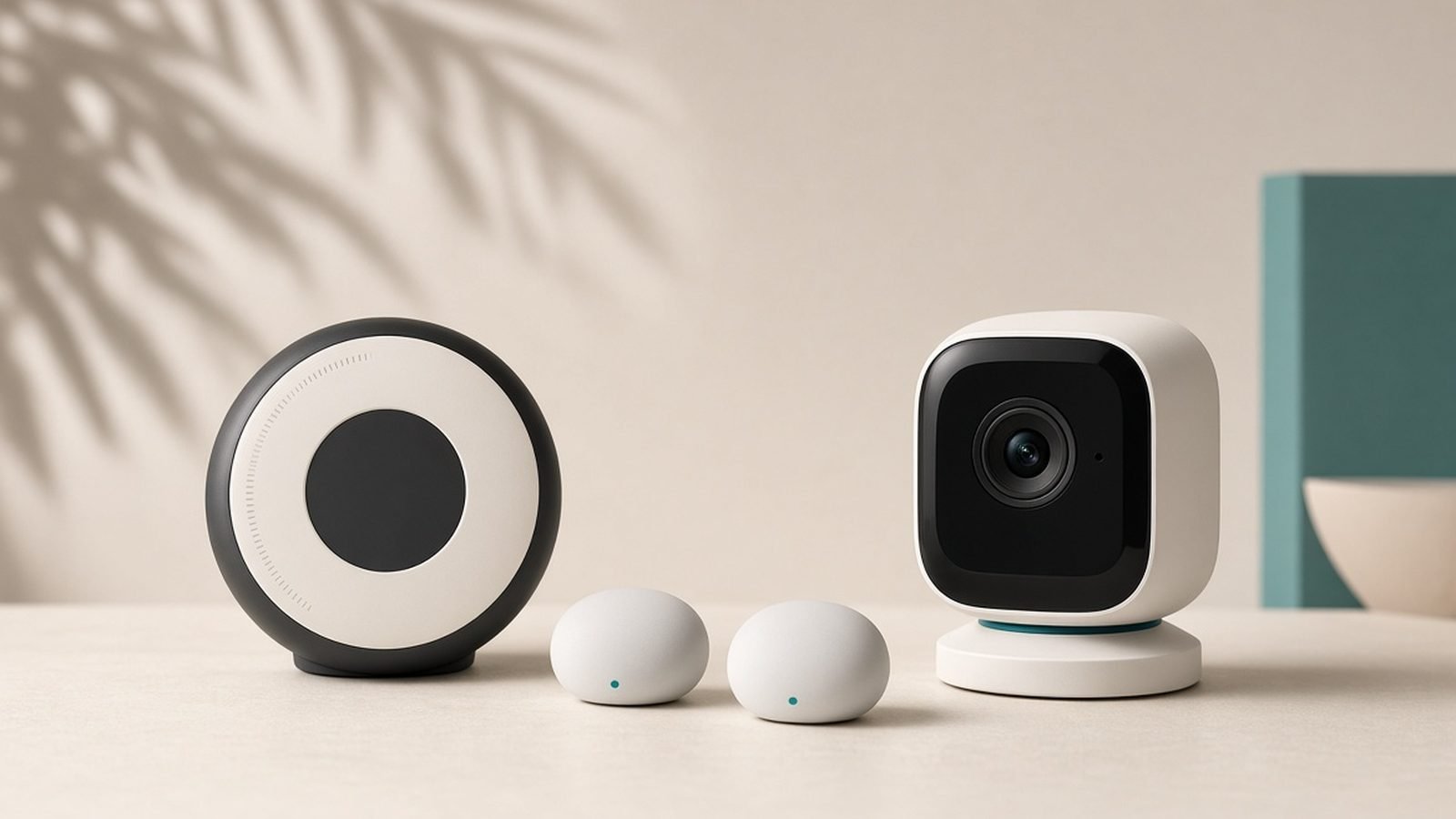
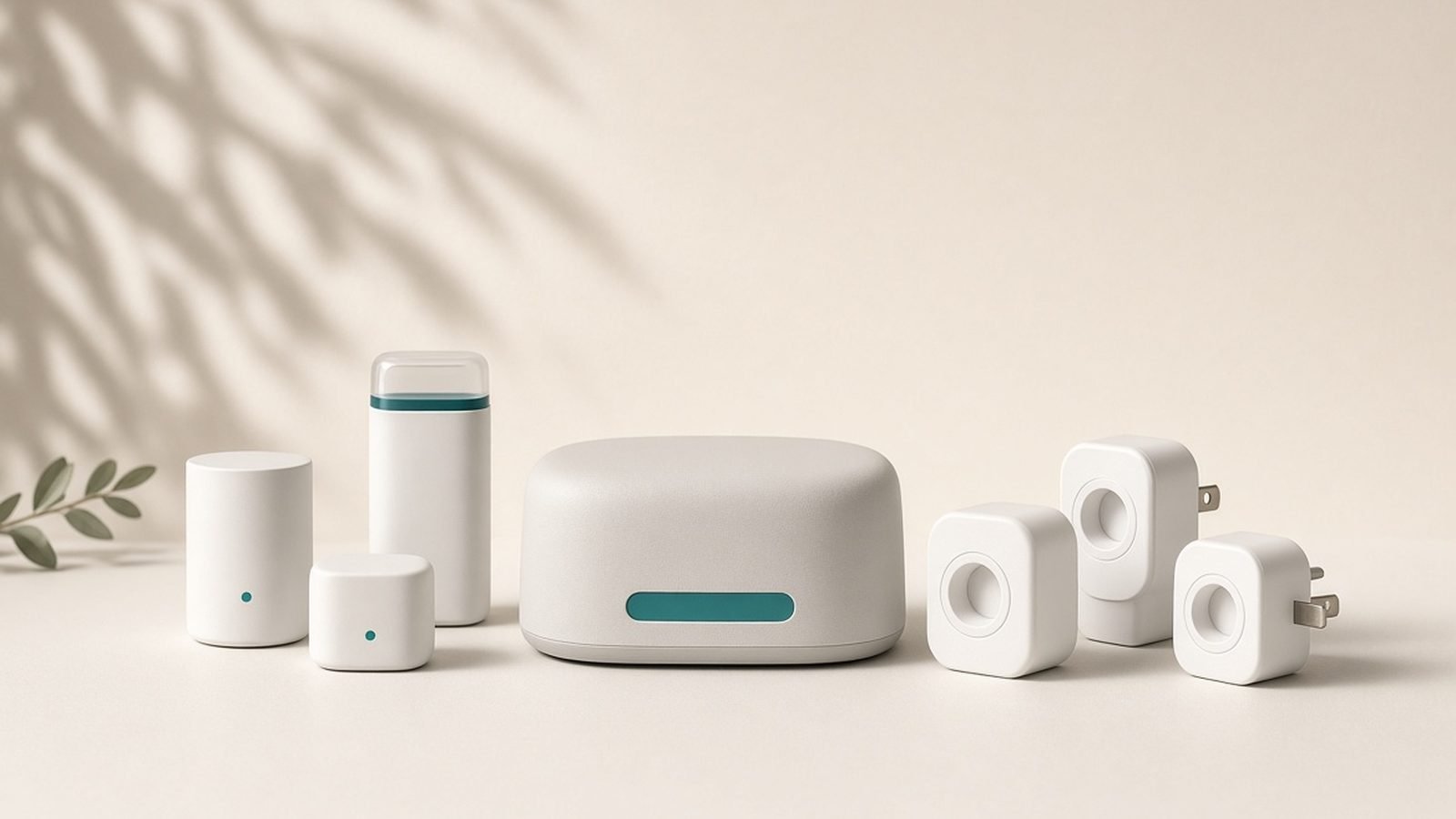
- Smart home — robot vacuums, air purifiers, smart bulbs, plugs, security cameras, sensors and hubs, tied together in the Mi Home / Xiaomi Home app.
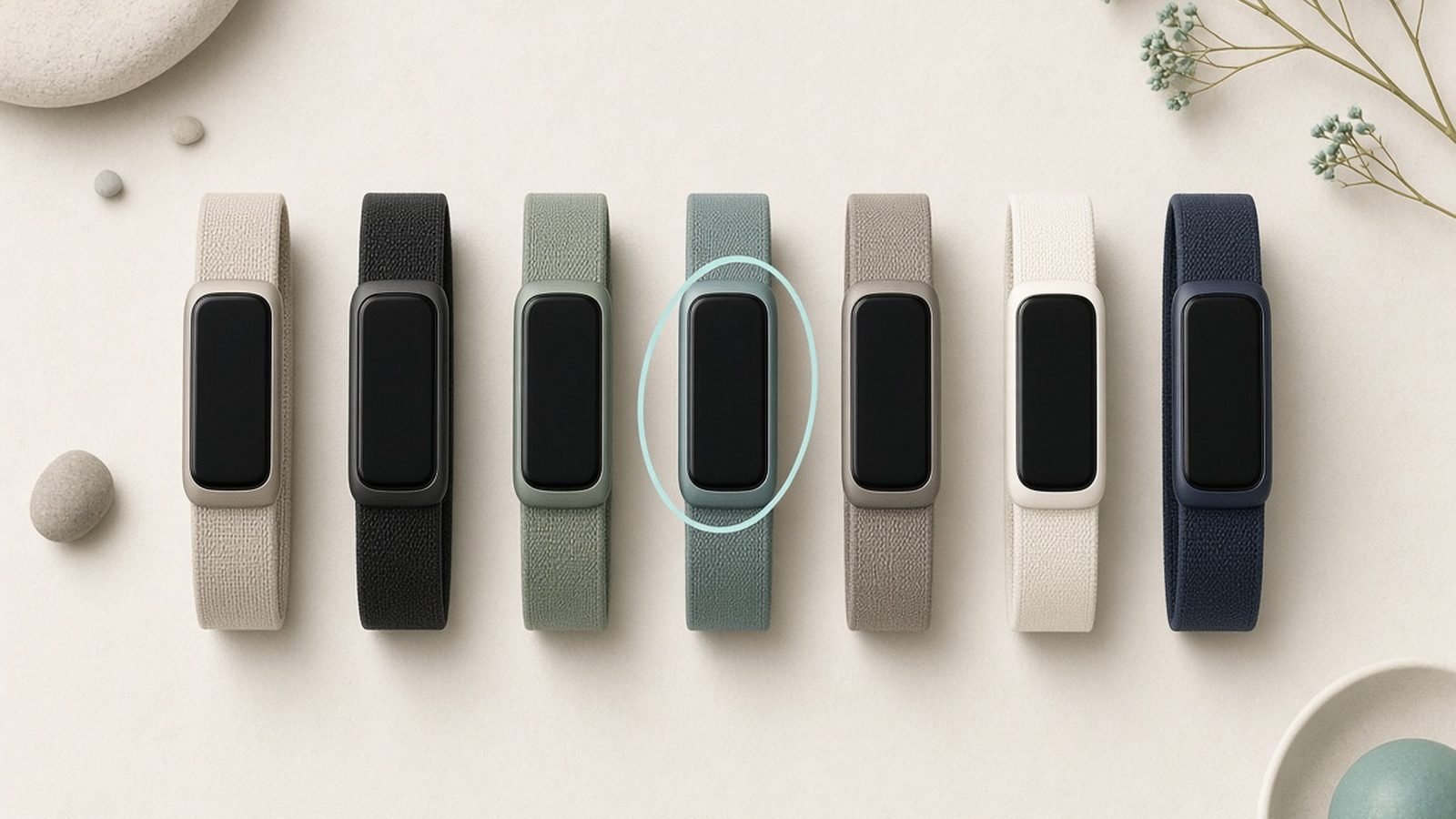
- Wearables — the Xiaomi Watch line and the hugely popular, cheap Xiaomi Smart Band fitness trackers.
- Audio — Xiaomi Buds true wireless earbuds and Bluetooth speakers.
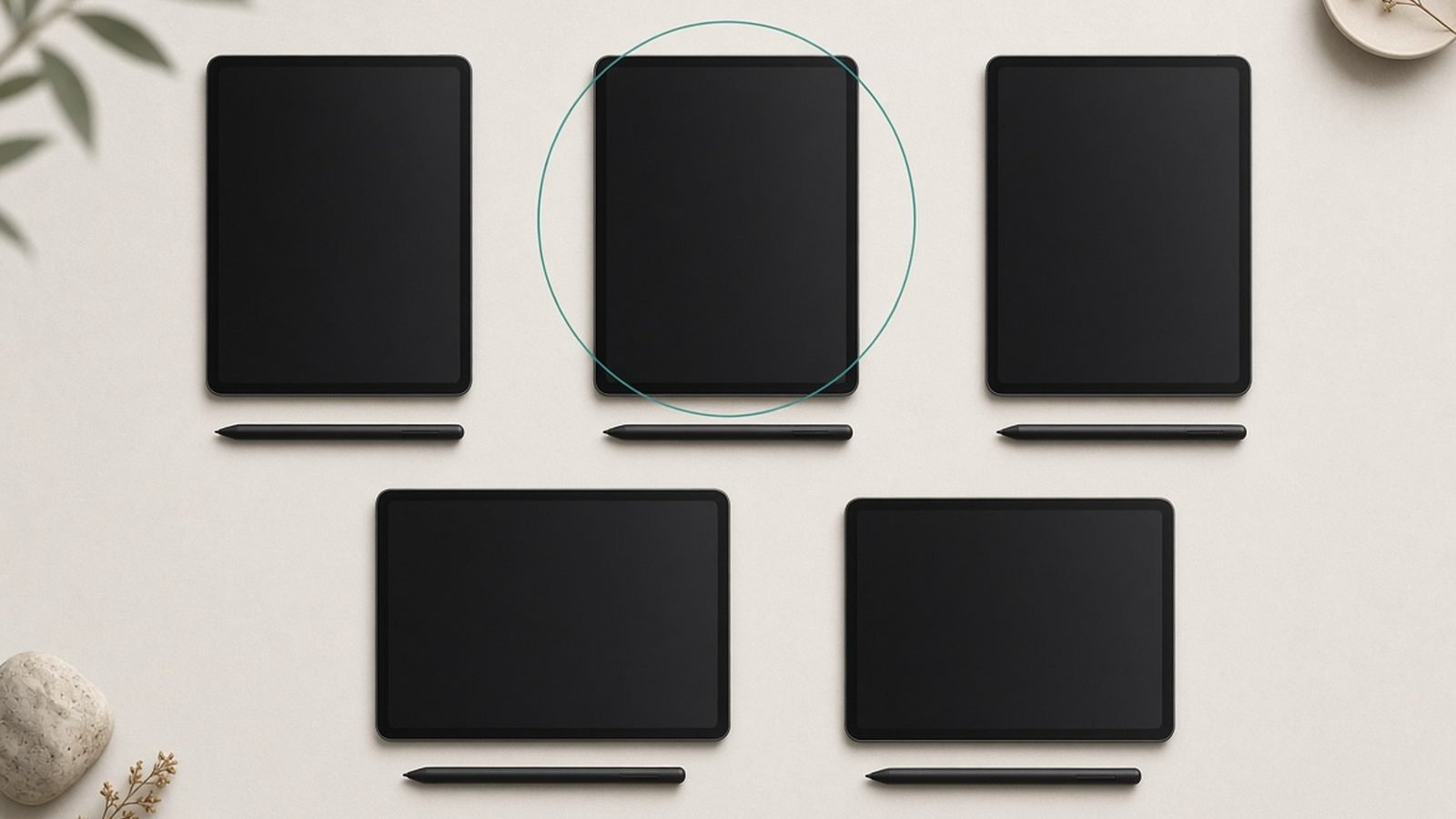
- Tablets — the Xiaomi Pad series, strong value alternatives to Samsung and Apple.
- TVs, laptops and appliances — widely sold in Asia and Europe.
- Chargers and power banks — some of the best-value charging accessories anywhere.
The unifying software is HyperOS (successor to MIUI), Xiaomi’s Android-based platform that also runs across its smart-home devices.
Standout products in 2026
The flagship story centers on the Xiaomi 15 Ultra and the wider Xiaomi 15 line, regular contenders in our Best Camera Phones 2026: For Photos & Video and Best Android Phones 2026: Flagship to Budget guides. Based on published specs, the Ultra pairs a top-tier Snapdragon chip with a large multi-camera Leica-tuned system — including a long periscope telephoto — that is genuinely competitive with the very best camera phones. The Leica partnership gives Xiaomi’s flagships a distinctive, characterful look that many enthusiasts prefer.
Elsewhere, Xiaomi’s value line-up is the real story:
- Redmi Note and POCO phones — perennial picks for Best Budget Smartphones 2026: Under $400 / £400, offering specs that punch far above their price.
- Xiaomi Smart Band — one of the best cheap fitness trackers around, a fixture in budget wearable shortlists.
- Xiaomi Pad — a strong-value Android tablet that features in Best Android Tablets 2026: Samsung, OnePlus & More.
- Robot vacuums and air purifiers — competitive smart-home hardware worth comparing against picks in Best Robot Vacuum for Pet Hair in 2026: Which One Wins? and Best Air Purifiers Under $100 (£90) That Actually Work — 2026.
For the flagship experience, the Ultra is the one to start with:
Strengths
Unmatched value. This is the whole thesis of the brand. Across phones, tablets, wearables and smart home, Xiaomi consistently delivers more hardware for the money than nearly any rival. Spec-for-spec, few brands compete.
Genuine flagship credentials. The Ultra phones are not just cheap — they are legitimately excellent, with Leica cameras, top silicon and premium build. Xiaomi has earned a seat at the flagship table, not just the value one.
A vast ecosystem. If you want to kit out a whole home affordably, Xiaomi’s breadth is a real advantage. Bulbs, plugs, vacuums, purifiers, cameras and sensors all live in one app and often cost a fraction of premium-brand equivalents — see how they stack up in Best Smart Light Bulbs 2026: Philips Hue & Alternatives and Best Smart Plugs 2026: Cheapest Way Into Home Automation.
Fast charging and big batteries. Like its BBK-adjacent rivals, Xiaomi leans into large batteries and very fast wired charging, a practical everyday win.
Aggressive innovation. Xiaomi is quick to ship new display tech, camera hardware and charging speeds, often before pricier brands.
Weaknesses & criticisms
Software ads and bloat. The most persistent criticism: MIUI, and to a lesser extent HyperOS, have historically shown advertisements and shipped with pre-installed apps. Xiaomi has reduced this in global builds and it is often disable-able, but it remains a real irritant and a fair mark against the brand for buyers who want a clean phone.
US availability. Xiaomi does not officially sell phones in the US market, so American buyers rely on imports without local warranty, network band optimization or guaranteed support. This is a significant limitation.
Update longevity. Flagships have improved, but across the broader Redmi/POCO range, guaranteed OS and security update windows generally trail Samsung and Google. Long-term keepers should check the specific model’s policy.
Inconsistent global rollouts. Features, camera tuning and even software behavior can differ between Chinese and global versions, and regional variants can be confusing to navigate.
Privacy and trust questions. As with several Chinese-headquartered brands, some Western buyers and regulators have raised data-handling concerns. Nothing here should be taken as a specific accusation, but it factors into some buyers’ decisions.
Reliability & support
Based on aggregated user feedback, Xiaomi hardware is generally reliable and well-built for the price, and its flagships feel genuinely premium. The most common complaints are software-side — occasional bugs, aggressive battery/background management that can delay notifications, and the ads/bloat issue — rather than hardware failure.
Support quality is highly region-dependent. In markets where Xiaomi operates officially (much of Europe and Asia), there are authorized service centers, standard one-year warranties and reasonable repair access. In markets where it does not sell officially, notably the US, buyers importing devices get little to no local support, which is the single biggest reason to be cautious there.
If you are buying smart-home gear, note that Xiaomi’s ecosystem is deep but somewhat self-contained; check for Matter or Google/Alexa compatibility if you want it to play nicely with other brands.
Who should buy
Buy Xiaomi if you: live in a market where it sells and supports products officially, want the most specification for your money, and are comfortable managing (or ignoring) some software bloat. It is outstanding for budget and mid-range phones, cheap fitness trackers, and affordably filling a home with connected devices.
Look elsewhere if you: are in the US, want a guaranteed ad-free, long-supported software experience, or need dependable local warranty and repair. In those cases the picks in our Best Smartphones 2026: Top Picks for Every Budget and Best Android Phones 2026: Flagship to Budget guides are safer bets.
FAQ
Is Xiaomi a good brand?
Yes, especially for value. Xiaomi makes reliable, well-specified phones, wearables and smart-home gear at prices that undercut most rivals, and its flagships are genuinely excellent. Its weak points are software ads/bloat, patchy availability in some markets, and shorter update guarantees on cheaper models.
Can I buy Xiaomi phones in the US?
Not officially. Xiaomi does not sell phones through US channels, so American buyers must import them, which means no local warranty, potential network band gaps and limited support. Buyers in Europe and Asia have full official availability.
Does Xiaomi still put ads in its software?
Xiaomi has reduced ads in its global HyperOS builds and many can be turned off, but the practice has been a long-standing criticism, particularly on Redmi and POCO devices. It is much less prominent than in older MIUI versions.
What is the difference between Xiaomi, Redmi and POCO?
They are one company’s sub-brands. Xiaomi covers mainstream and premium phones, Redmi focuses on budget and mid-range value, and POCO targets performance-per-dollar enthusiasts. They share software and much of their engineering.
Are Xiaomi cameras any good?
The flagship Ultra phones, tuned with Leica, are among the best camera phones you can buy and have a distinctive look. Cheaper Redmi and POCO models are decent for the price but do not match flagship image quality.
Is Xiaomi’s smart home ecosystem worth it?
For affordability and breadth, yes — you can outfit an entire home cheaply through the Xiaomi Home app. Just check Matter or Google/Alexa compatibility if you want the devices to integrate with other brands’ systems.
Zen Tech Hub may earn a commission from links on this page, at no extra cost to you.